

 inquiry Now

 English
 русский
 عربى
عربى
Sourcing pressure vessel tanks in bulk without a structured verification process is one of the highest-risk procurement decisions in industrial purchasing. Unlike many industrial components, pressure vessels operate under conditions — elevated pressure, extreme temperature, and aggressive media — where failure is not a maintenance event. It is a safety incident. Explosions, structural collapses, and toxic releases from failed pressure vessel tanks have caused fatalities, facility shutdowns, and multi-million-dollar liability claims in documented cases worldwide.
The 10 factors in this guide cover every dimension of what experienced procurement teams evaluate before committing to a bulk order — from design code compliance and material traceability to inspection records, supplier credentials, and post-delivery support. Whether you're sourcing air receivers, hydropneumatic tanks, pressure reactor vessels, autoclave pressure systems, or general-purpose vessel tanks, this checklist applies across the board.
Why Bulk Pressure Vessel Procurement Demands Exceptional Diligence
The global pressure vessel market was valued at approximately $42 billion in 2023 and is projected to grow steadily through 2030, driven by expansion in oil and gas, chemical processing, food and beverage, pharmaceuticals, and power generation industries. With this growth comes an expanding pool of manufacturers — operating under vastly different quality systems, design standards, and regulatory environments.
A pressure container that passes visual inspection at the factory may still carry latent defects in welds, base materials, or heat treatment that only manifest under operational stress. When those defects are present across hundreds of units in a bulk shipment, the downstream consequences — product recalls, regulatory shutdowns, injury liability — can be catastrophic.
Regulatory bodies in every major market treat pressure vessels as safety-critical equipment subject to mandatory design code compliance, third-party inspection, and ongoing in-service inspection by qualified boiler inspectors and pressure vessel inspectors. Understanding this regulatory landscape — and how it should shape your sourcing requirements — is the foundation of safe procurement.
Factor 1: Design Code Compliance — The Non-Negotiable Starting Point
Every pressure vessel tank sold into a regulated market must be designed and manufactured in accordance with a recognized design code. This is not optional — it is a legal requirement in virtually every industrialized country. Sourcing vessels that do not comply with the applicable code in the destination market creates immediate legal exposure and may render the equipment unusable without costly re-engineering or re-certification.
The Major International Design Codes
- ASME Boiler and Pressure Vessel Code (BPVC): The dominant standard in North America and widely accepted globally. The ASME boiler and pressure vessel code is published in multiple sections — Section VIII Division 1 covers most unfired pressure vessels; Division 2 covers alternative rules for higher-pressure applications; Division 3 addresses ultra-high-pressure vessels. Compliance with ASME boiler and pressure vessel codes is mandatory for vessels installed in most US states and Canadian provinces, and is accepted as an equivalent standard in many other countries.
- PED (Pressure Equipment Directive 2014/68/EU): The governing framework for pressure equipment sold in the European Union. PED classifies vessels into categories (I through IV) based on pressure, volume, and fluid hazard group, with higher categories requiring more rigorous conformity assessment including third-party notified body involvement. CE marking is the market access requirement.
- GB150 (China National Standard): The Chinese national standard for steel pressure vessels, administered by the State Administration for Market Regulation (SAMR). Vessels manufactured in China for domestic use must comply with GB150. Chinese manufacturers exporting to international markets may hold dual certification — GB150 plus ASME or PED.
- AS 1210 (Australia/New Zealand): The standard governing pressure vessels in Australia and New Zealand, administered through state-level workplace safety regulators.
- AD 2000 Merkblatt (Germany): German pressure vessel standard, technically harmonized with PED but with additional national requirements relevant for German-manufactured equipment.
| Market / Region | Primary Design Code | Market Access Requirement | Key Regulatory Body |
|---|---|---|---|
| USA / Canada | ASME BPVC Section VIII | ASME U-Stamp / NB Registration | State/Provincial Boiler Inspectors |
| European Union | PED 2014/68/EU | CE Marking + Declaration of Conformity | Notified Bodies (e.g., TÜV, Lloyd's) |
| China (domestic) | GB150 / TSG 21 | SAMR Registration Certificate | SAMR / Local Special Equipment Inspectors |
| Australia / NZ | AS 1210 | State Registration + Design Registration | State WorkSafe / SafeWork Authorities |
| UK (post-Brexit) | PSSR 2000 / UKCA | UKCA Marking | HSE (Health and Safety Executive) |
Before issuing any RFQ, confirm the applicable design code for each destination market in your distribution network. If you distribute across multiple regions, you may need vessels certified to multiple standards — or vessels manufactured to the most stringent applicable standard and accepted equivalently in others.
Factor 2: Pressure and Temperature Ratings — Matching the Vessel to the Operating Envelope
The most common technical error in pressure vessel procurement is selecting a vessel based on nominal pressure rating alone, without accounting for the full operating envelope — including temperature, pressure cycling, and peak transient conditions. Material strength degrades significantly at elevated temperatures, and a vessel rated for a given pressure at ambient temperature may be substantially de-rated at the process operating temperature.
Key Pressure and Temperature Parameters to Specify
- Maximum Allowable Working Pressure (MAWP): The maximum gauge pressure permissible at the top of the completed vessel in its operating position for a specific temperature. This is the primary pressure rating stamped on ASME-coded vessels and must exceed the system's maximum operating pressure by an adequate margin — typically at least 10%.
- Design Temperature Range: Vessels must be specified for both the maximum operating temperature and the minimum metal temperature (for low-temperature or cryogenic service, where brittle fracture risk requires special material selection). For autoclave pressure temperature applications — common in pharmaceutical, composite manufacturing, and food sterilization — the combined pressure-temperature envelope must be explicitly specified, as these vessels routinely operate at 150–200°C and 6–15 bar simultaneously.
- Cyclic Service Consideration: Vessels subject to repeated pressurization and depressurization cycles (fatigue loading) require design analysis under ASME Section VIII Division 2 fatigue rules if cycle counts exceed thresholds. Autoclave pressure vessels used in batch processing are often subject to thousands of pressure cycles over their service life and must be designed accordingly.
- Relief Valve Setting: The pressure relief valve (PRV) setting must not exceed the vessel's MAWP. Confirm that the relief device included with or specified for the vessel is appropriately sized for the full flow capacity of the pressure source.
Temperature Effects on Common Vessel Materials
| Material | Typical Temp Range | Strength Reduction at Max Temp | Common Applications |
|---|---|---|---|
| Carbon Steel (SA-516-70) | -29°C to 425°C | Up to 30% at 400°C | Air receivers, general process |
| 304/316 Stainless Steel | -196°C to 870°C | Up to 50% at 700°C | Autoclave, pharma, food processing |
| Chrome-Moly (SA-387) | Up to 650°C | Better retention than carbon steel | High-temp reactors, boilers |
| Duplex Stainless (2205) | -50°C to 300°C | Limited above 300°C | Offshore, chloride environments |
Factor 3: Material Traceability and Mill Certification — Proving What the Steel Actually Is
Material substitution — the use of non-specified or lower-grade steel in place of the material specified in the design — is one of the most serious quality risks in pressure vessel manufacturing, particularly when sourcing from markets with less stringent supply chain oversight. A vessel that visually appears identical to a properly specified unit but is fabricated from incorrect or substandard material can fail catastrophically at a fraction of the design pressure.
What Material Traceability Requires
- Mill Test Reports (MTRs): Also called Material Test Certificates (MTCs), these documents are issued by the steel mill and record the chemical composition and mechanical properties (yield strength, tensile strength, elongation, impact toughness) of each specific plate or coil heat used in fabrication. For ASME-coded vessels, MTRs must reference the specific ASME material specification (e.g., SA-516 Grade 70 for carbon steel pressure vessel plate).
- Heat and lot traceability: Each piece of base material used in the vessel shell, heads, nozzles, and flanges should be traceable by heat number back to the MTR. ASME Section VIII requires this traceability as part of the documentation package.
- Positive Material Identification (PMI): For high-alloy materials (stainless steels, chrome-moly, duplex), consider requiring PMI testing — XRF or OES analysis performed on the actual vessel components to verify chemical composition against the MTR. PMI catches material substitution that document fraud cannot. It is standard practice in oil and gas procurement and increasingly required in pharmaceutical and food-grade vessel sourcing.
- Weld consumable traceability: Weld filler materials must also be documented and traceable. The welding procedure specification (WPS) and procedure qualification record (PQR) must specify approved filler materials, and the manufacturer should maintain records of the specific consumable lots used.
For bulk orders of pressure vessels, require that the complete material documentation package — MTRs, PMI reports where applicable, and weld consumable records — be delivered with each vessel or batch of vessels. This documentation is not just a quality record; it is required for in-service inspection and re-certification by boiler inspectors throughout the vessel's operational life.
Factor 4: Weld Quality and Non-Destructive Examination — The Hidden Risk in Every Vessel
Welds are the most common location of defects in pressure vessel fabrication, and weld defects are typically invisible to the naked eye. Porosity, lack of fusion, undercut, cracks, and incomplete penetration in pressure-containing welds are failure initiation points that can propagate catastrophically under operational pressure. Non-Destructive Examination (NDE) is the only reliable method to detect these defects before the vessel enters service.
NDE Methods and Their Application
- Radiographic Testing (RT): X-ray or gamma-ray imaging of welds reveals internal volumetric defects including porosity, slag inclusions, and lack of fusion. ASME Section VIII requires full radiography (100% RT) for certain joint categories and pressure levels. RT provides a permanent image record of weld quality.
- Ultrasonic Testing (UT): High-frequency sound waves detect planar defects (cracks, lack of fusion) that are sometimes missed by RT. Phased Array Ultrasonic Testing (PAUT) provides enhanced defect characterization and is increasingly replacing RT in modern fabrication facilities due to safety advantages (no radiation) and superior sensitivity.
- Magnetic Particle Testing (MT): Detects surface and near-surface defects in ferromagnetic materials. Commonly applied to weld toes, nozzle attachments, and heat-affected zones where stress concentration is highest.
- Liquid Penetrant Testing (PT): Used for non-ferromagnetic materials (austenitic stainless steels, titanium) to detect surface-breaking defects. Applied to welds on stainless steel pressure reactor vessels and autoclave bodies.
- Hydrostatic Pressure Test: All ASME-coded pressure vessels must pass a hydrostatic pressure test at 1.3 times the MAWP (for Section VIII Division 1 vessels) before leaving the manufacturer. This test verifies the structural integrity of the completed vessel and all its connections. Hydrostatic test records should accompany every vessel delivery.
When evaluating suppliers, request their NDE procedure documents and ask about the qualifications of their NDE personnel. ASME and major international codes require NDE technicians to be certified to SNT-TC-1A (ASNT) or EN ISO 9712 standards. Unqualified NDE personnel conducting inspections on safety-critical pressure containers is a red flag that warrants serious concern.
Factor 5: Authorized Inspection and Third-Party Certification — Independent Oversight You Cannot Skip
Self-certification by the manufacturer is not sufficient for pressure vessel tanks in any regulated market. Independent, third-party inspection is a legal requirement for most coded vessels and is the buyer's most important safeguard against quality failures that internal quality systems miss or conceal.
Authorized Inspection Agencies (AIAs) Under ASME
For vessels manufactured to ASME boiler and pressure vessel codes, an Authorized Inspection Agency (AIA) — typically the National Board of Boiler and Pressure Vessel Inspectors (NBBI) or a jurisdictionally accepted equivalent such as insurance company inspection services — must provide an Authorized Inspector (AI) who witnesses key fabrication stages and authorizes the ASME stamp. The AI's signature on the Manufacturer's Data Report (Form U-1) is the legal certification that the vessel was built to code.
When sourcing ASME-stamped vessels, verify:
- The manufacturer holds a current ASME Certificate of Authorization (U, U2, or U3 stamp as applicable)
- The vessel's serial number is registered with the National Board (searchable at nationalboard.org)
- The U-1 Manufacturer's Data Report is complete, signed by both the manufacturer and the AI, and matches the vessel nameplate
Third-Party Inspection for Non-ASME Markets
For PED-compliant vessels destined for the EU, a Notified Body (TÜV, Lloyd's Register, Bureau Veritas, SGS, Intertek, DNV, etc.) must be involved in the conformity assessment process for Category III and IV vessels. The Notified Body number appears on the CE declaration of conformity and is traceable to the certifying organization.
For vessels in markets without mandatory third-party inspection requirements, buyers sourcing in significant quantities should commission independent inspection through a recognized TIC (Testing, Inspection, and Certification) firm as a contractual requirement. The cost of third-party inspection — typically $500–$2,000 per vessel for standard sizes — is negligible compared to the cost of a field failure or product recall.
Factor 6: Vessel Type Suitability — Matching the Design to the Application
Pressure vessels are not interchangeable across applications. Each vessel type is engineered for a specific operating profile, and misapplication — using a vessel outside its design intent — is a direct path to premature failure and safety incidents. Buyers who understand the functional distinctions between vessel types make better sourcing decisions and avoid costly misapplication errors in the field.
Air Receivers and Air Vessels
Air receivers (also called air vessels or compressed air tanks) are the most commonly sourced category of pressure vessel tanks in general industry. They store compressed air from compressors, dampen pressure pulsations, and provide a buffer volume to handle demand surges without constant compressor cycling. Standard air receivers are typically rated at 100–200 PSI (7–14 bar) working pressure and range in volume from 50 liters to 10,000+ liters.
Key specifications for air receiver procurement: working pressure, volume (liters or gallons), orientation (horizontal or vertical), number and size of connections, material (carbon steel standard; stainless for food/pharma applications), and surface treatment (internal epoxy lining or hot-dip galvanizing for moisture resistance in humid environments).
Hydropneumatic Tanks
Hydropneumatic tanks contain both water (or other liquid) and a pressurized gas (typically air or nitrogen) separated by a bladder, diaphragm, or simple interface. They are used extensively in water supply systems, fire suppression, building pressure boosting, and irrigation to maintain system pressure, reduce pump cycling, and provide surge control.
When sourcing hydropneumatic tanks, critical specifications include: pre-charge pressure, maximum working pressure, drawdown volume (the usable water volume between cut-in and cut-out pressures), bladder material compatibility with the fluid, and NSF/ANSI 61 certification for potable water applications.
Pressure Reactor Vessels
Pressure reactor vessels are specialized vessels designed for chemical reactions, typically featuring internal mixing (agitators), heating/cooling jackets, precise temperature and pressure control systems, and specialized internal linings or claddings for chemical resistance. They are used in pharmaceutical API synthesis, specialty chemical manufacturing, polymer production, and research applications.
Sourcing pressure reactor vessels requires deep application engineering — the internal surface finish (Ra values for pharmaceutical), agitator design, jacket design (half-pipe, conventional, or dimple plate), seal type, and material of construction for both shell and internals must all be specified in detail.
Autoclave Pressure Systems
Autoclave pressure vessels are used for sterilization, composite material curing, wood treatment, and research applications. They are defined by their combined high-pressure and high-temperature operating profiles, with medical autoclaves typically operating at 121–134°C and 1–2 bar, and industrial composite curing autoclaves reaching 200°C and 10+ bar. The autoclave pressure temperature relationship must be precisely controlled, and the vessel design must accommodate the thermal and pressure cycling inherent in batch operation.
Factor 7: Corrosion Allowance and Service Life Design — Planning for the Long Term
A pressure vessel tank that meets its design specifications when new but corrodes to below minimum wall thickness within 5 years of service is not a successful procurement outcome. Corrosion allowance — the additional wall thickness beyond the calculated minimum required for pressure containment — is the primary mechanism by which vessel design accounts for metal loss over service life.
Corrosion Allowance Specification
Standard corrosion allowance for carbon steel pressure vessels in non-aggressive service is typically 1.5–3.0 mm (1/16" to 1/8"). For aggressive service — acidic fluids, high-chloride environments, wet H₂S (sour service), or erosive slurries — corrosion allowances of 3–6 mm or higher may be appropriate, or the design may specify corrosion-resistant alloy cladding or lining instead of a simple allowance.
The corrosion allowance, combined with the calculated corrosion rate for the service environment, defines the vessel's calculated remaining life at each inspection interval. Ensure the corrosion allowance specified in your purchase order reflects your expected service conditions and desired inspection interval — not just the minimum the manufacturer would include by default.
Internal Linings and Coatings
For applications where base metal corrosion is a significant concern but solid alloy construction is cost-prohibitive, internal linings provide an effective solution:
- Epoxy lining: Standard for compressed air service in air receivers used in humid environments, and for water storage vessels. Typically 200–500 microns DFT (dry film thickness).
- Rubber lining: Used for highly acidic or abrasive slurry service. Natural or synthetic rubber provides excellent corrosion and abrasion resistance in chemical processing applications.
- Stainless steel cladding or weld overlay: Applied to carbon steel vessel interiors where stainless properties are needed at wetted surfaces but full stainless construction is not economically justified. Common in urea synthesis reactors and pulp and paper digesters.
- Glass lining (glass-lined vessels): Used extensively in pharmaceutical and fine chemical applications where product purity and cleanability are paramount. Glass lining provides an inert, non-contaminating surface resistant to most process chemicals.
Factor 8: Manufacturer Quality System and Production Capability — Beyond the Certificate
An ISO 9001 certificate and an ASME stamp tell you that a manufacturer's quality system was audited at a point in time. They do not guarantee that every vessel in your bulk order will be produced with equal care. Understanding the manufacturer's actual production capability, workforce qualifications, and quality culture requires deeper evaluation than document review alone.
Manufacturing Capability Indicators to Assess
- Welder qualification records: Every welder and welding operator working on pressure-containing welds must be qualified to the applicable welding standard (ASME Section IX for ASME work; ISO 9606 for EN/PED work). Request the manufacturer's welder qualification log and verify that qualifications cover the weld types, positions, and material groups used in your specific vessel design.
- Welding Procedure Specifications (WPS) and PQRs: The manufacturer must have qualified welding procedures — not just qualified welders — for every joint type in the vessel. The WPS defines the essential variables of the welding process; the PQR documents the test results that qualified it. These are fundamental quality documents that any legitimate pressure vessel manufacturer should provide readily.
- Production capacity vs. order volume: A manufacturer whose annual production capacity is 200 vessels per year who accepts an order for 500 units on a 16-week schedule will either subcontract production (with unknown quality implications) or compress fabrication timelines in ways that increase defect risk. Verify that the stated delivery schedule is achievable within the manufacturer's demonstrated capacity.
- In-house NDE capability vs. subcontracted: Manufacturers with in-house certified NDE teams can conduct examinations more efficiently and consistently than those who subcontract all NDE. However, in-house NDE can also create conflicts of interest. For critical applications, require that NDE be conducted by an independent third-party NDE firm regardless of the manufacturer's in-house capability.
- Heat treatment furnace capability: Vessels requiring Post-Weld Heat Treatment (PWHT) — mandatory for many carbon steel vessels above certain wall thicknesses under ASME rules — must be processed in calibrated furnaces with documented time-temperature records. Verify that the manufacturer has adequate furnace capacity for your vessel sizes and that furnace calibration records are current.
Factory Audit as a Sourcing Tool
For significant bulk orders — typically $100,000 or more in total value — a pre-award factory audit conducted by a qualified pressure vessel engineering professional or a recognized TIC firm provides the most reliable assessment of manufacturer capability. A thorough audit covers: facility review, equipment calibration records, quality manual and procedure review, welder and NDE personnel qualification records, in-process inspection records from recent jobs, and interviews with quality management personnel.
Factor 9: Documentation Package — What Must Accompany Every Vessel
A pressure vessel tank without its complete documentation package is an incomplete product — legally and practically. The documentation is required for installation permitting, in-service inspection, insurance certification, and eventual re-rating or re-certification. Missing documentation discovered after delivery creates significant administrative burden and may delay the vessel's entry into service.
Mandatory Documentation for ASME-Coded Vessels
- Manufacturer's Data Report (Form U-1 or U-1A): The primary certification document. Lists all design parameters, materials, NDE performed, and hydrostatic test results. Signed by the manufacturer and the Authorized Inspector.
- National Board Registration: The NB number assigned when the U-1 is filed with the National Board. Essential for jurisdictional registration in most US states.
- Nameplate rubbing or photograph: Documentation of the actual stamped nameplate as affixed to the vessel.
- Mill Test Reports: For all pressure-containing materials of construction.
- NDE reports: RT films or digital records, UT scan data, MT/PT reports as applicable.
- Hydrostatic test record: Date, test pressure, duration, and witnessed-by information.
- PWHT charts: Time-temperature records from post-weld heat treatment furnace, if applicable.
- As-built drawings: Final dimensional drawings reflecting the as-built condition of the vessel, including all nozzle locations and orientations.
Specify in your purchase order that the complete documentation package must be delivered with the vessel (or prior to shipment for review) and that any missing documents constitute grounds for hold on final payment. This contractual provision — enforced consistently — is one of the most effective tools for ensuring documentation completeness.
Factor 10: In-Service Inspection Requirements and Life Cycle Support — Planning Beyond the Purchase
Pressure vessel tanks are long-lived assets — designed service lives of 20–40 years are common — and their total cost of ownership extends far beyond the purchase price. In-service inspection, re-certification, repair qualification, and eventual decommissioning are lifecycle considerations that smart procurement teams factor into sourcing decisions, not afterthoughts discovered after the vessel has been in service for a decade.
Inspection Intervals and Requirements
Most jurisdictions require periodic in-service inspection of registered pressure vessels by qualified inspectors — the same category of boiler inspectors who oversee initial installation. Typical inspection intervals in the US (under NB-23 National Board Inspection Code) range from annual external inspection to 5-year internal inspection for standard unfired pressure vessels, with intervals potentially extended based on risk-based inspection (RBI) assessments.
When sourcing vessels for resale or distribution, provide your customers with the applicable inspection requirements for their jurisdiction — failing to do so creates liability exposure if a vessel is operated beyond its inspection interval without the customer's knowledge of the requirement.
Repair and Alteration Considerations
Repairs and alterations to ASME-coded pressure vessels must be performed by organizations holding an ASME R-stamp (repair) and must be authorized by an AI. This requirement affects procurement decisions in two ways: first, the buyer should understand that standard field repair contractors cannot legally repair a coded vessel without proper authorization; second, the manufacturer's ongoing ability to support repairs (particularly for specialized vessels like pressure reactor vessels with proprietary internal components) is a factor in long-term supplier selection.
Spare Parts and Consumables Availability
For vessels with mechanical components — agitators in pressure reactor vessels, bladders in hydropneumatic tanks, door seals in autoclave pressure systems — the availability of spare parts from the manufacturer or from compatible third-party suppliers is a real operational consideration. Confirm spare parts availability, lead times, and pricing before finalizing the supplier selection. A vessel that requires a 16-week lead time for a replacement seal from the original manufacturer creates unacceptable operational risk in most production environments.
Consolidated Verification Checklist for Bulk Pressure Vessel Procurement
Use this consolidated checklist to structure your pre-order evaluation for any bulk pressure vessel tank, air receiver, vessel tank, or pressure container procurement:
| Factor | Key Verification Points | Documents to Request |
|---|---|---|
| Design Code Compliance | Correct code for destination market; stamp/marking validity | Certificate of Authorization; U-1 / CE Declaration |
| Pressure and Temperature Ratings | MAWP, design temp range, cyclic service assessment | Design calculations; product datasheet |
| Material Traceability | MTRs, heat traceability, PMI for alloys | Mill Test Reports; PMI test records |
| Weld Quality and NDE | NDE scope, personnel qualifications, hydrostatic test | NDE reports; RT films; hydrostatic test record |
| Third-Party Inspection | AI involvement; Notified Body for PED; independent TIC | AI-signed U-1; Notified Body certificate |
| Vessel Type Suitability | Design matches application requirements | Application engineering confirmation; design drawings |
| Corrosion Allowance | CA adequate for service life and environment | Design calculation sheets; lining specs if applicable |
| Manufacturer Quality System | WPS/PQR, welder qualifications, PWHT capability | ISO 9001 cert; welder qual records; WPS/PQR |
| Documentation Package | Complete U-1, MTRs, NDE reports, as-built drawings | Full documentation package per code requirements |
| Lifecycle Support | Inspection intervals, spare parts availability, R-stamp repair | Spare parts list; inspection requirement summary |
Common Mistakes in Pressure Vessel Bulk Procurement — and How to Avoid Them
Even experienced procurement teams make avoidable errors when sourcing pressure vessels in volume. The following are the most frequently encountered mistakes and their practical remedies:
- Accepting "ASME-equivalent" claims without verification: Some manufacturers describe their vessels as "built to ASME standards" without holding an actual ASME Certificate of Authorization. These vessels are not ASME-stamped and will not pass jurisdictional inspection in most US states. Always verify the manufacturer's ASME stamp status on the ASME website before accepting any ASME-related claims.
- Specifying only nominal pressure without temperature: As detailed in Factor 2, a vessel must be specified for its full pressure-temperature envelope. A vessel tank specified as "10 bar working pressure" without a temperature specification is ambiguous — carbon steel's allowable stress at 400°C is significantly lower than at ambient, meaning the nominal pressure rating may not be achievable at operating temperature.
- Not requiring documentation before payment: Procurement teams that make final payment before receiving and reviewing the complete documentation package lose their primary leverage for ensuring documentation completeness. Structure payment terms to retain a percentage — typically 10–15% — until documentation is received and verified.
- Overlooking destination country registration requirements: Many jurisdictions require pressure vessels to be registered with the local authority before being placed into service. This registration process requires the documentation package and may have lead times of several weeks. Discovering this requirement after the vessel arrives on-site delays commissioning and frustrates end customers. Research registration requirements in each destination market as part of the pre-order process.
- Choosing the lowest-price supplier without assessing total cost of ownership: A pressure vessel tank that costs 20% less at purchase but requires premature replacement at year 8 instead of year 20 due to inadequate corrosion allowance or substandard materials is dramatically more expensive over its lifecycle. Evaluate total cost of ownership — including expected service life, inspection costs, and replacement probability — not just unit purchase price.
- Failing to specify nozzle orientation and connection details: A vessel built to the correct pressure and temperature rating but with nozzles in the wrong orientation or with incompatible flange ratings creates costly field modifications. Provide dimensioned layout drawings specifying all nozzle sizes, ratings, face types, and orientations as part of the purchase order package.
Summary: Building a Procurement Framework That Protects People and Assets
Sourcing pressure vessel tanks — whether air receivers, hydropneumatic tanks, pressure reactor vessels, autoclave pressure systems, or general-purpose pressure containers — requires a procurement framework that goes substantially deeper than most commodity purchasing processes. These are safety-critical assets operating under conditions where failure has consequences measured in human safety, regulatory liability, and operational continuity.
The 10 factors covered in this guide — design code compliance, pressure-temperature ratings, material traceability, weld quality and NDE, third-party inspection, vessel type suitability, corrosion allowance, manufacturer quality system, documentation completeness, and lifecycle support — define the complete scope of due diligence that separates safe, successful bulk procurement from costly mistakes.
The procurement teams and distributors who source pressure vessels reliably are those who apply this framework systematically — not selectively. They invest the time to verify rather than assume, require documentation as a contractual obligation rather than a request, and engage qualified inspection resources as a standard line item rather than an optional cost. The compliance requirements of ASME boiler and pressure vessel codes, the oversight roles of boiler inspectors, and the certification frameworks of PED, GB150, and other international standards exist precisely because the consequences of failure in pressurized systems are too severe to leave to good intentions alone.
Apply these 10 factors consistently, and your bulk pressure vessel procurement process will produce equipment that performs safely, complies with all applicable regulations, and delivers the service life your customers depend on.
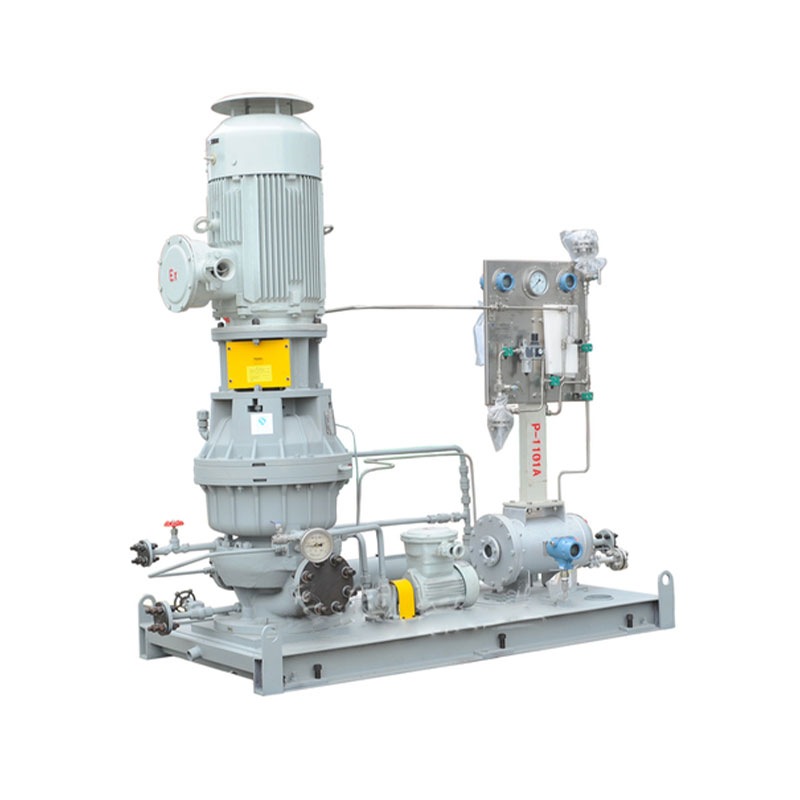
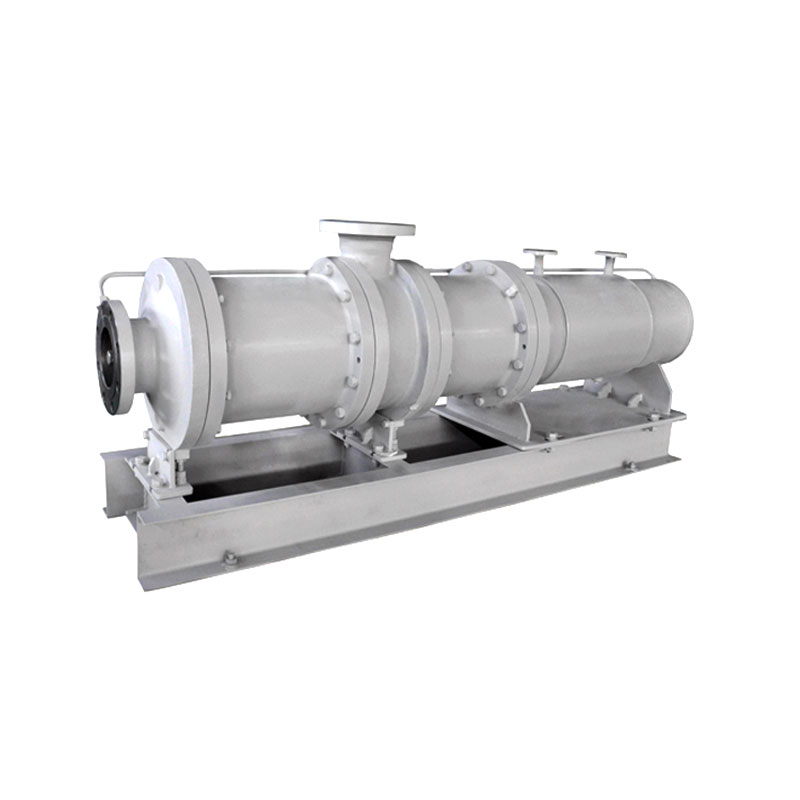
.jpg "Axially Split Horizontal Multistage Pump")


 ENG
ENG

 TOP
TOP