

 inquiry Now

 English
 русский
 عربى
عربى
The Direct Answer
To choose industrial pumps for heavy-duty use, match the pump type to your fluid and application first, then confirm flow rate and head pressure against your system curve, then check materials of construction against your fluid chemistry and temperature, and finally verify the manufacturer offers documented performance curves, a real warranty and accessible replacement parts. Skipping any one of these four checks is the most common reason a pump that looks fine on paper fails within the first year of heavy-duty service.
For buyers researching how to choose top-rated industrial pumps for heavy-duty use, the fastest way to shortlist candidates is to compare duty rating, mean time between failures data if the supplier provides it, and whether the manufacturer supports the exact industry you are buying for, whether that is mining, paper milling, chemical processing or general manufacturing. This guide walks through every part of that process in detail, including where to buy industrial pumps for a paper mill, where to buy replacement parts for industrial pumps, and how a manufacturer such as Beloni Jiangsu Pump Manufacturing Co Ltd fits into a heavy-duty sourcing decision.
Understanding What Heavy-Duty Actually Means
Heavy-duty is a specific engineering category, not a marketing word. A pump qualifies as heavy-duty when it is built to run continuously, often 24 hours a day across multiple shifts, while handling abrasive, corrosive, viscous or high temperature fluids well beyond what a standard light commercial pump is designed to tolerate. This typically means thicker casings, larger bearing housings, upgraded seals, and impellers built from wear resistant alloys rather than standard cast iron or plastic.
A light duty pump in a residential or small commercial setting might run for a few hours a day and see clean water or mild chemicals. A heavy-duty industrial pump in a mining operation, by comparison, might run continuously for weeks at a time moving abrasive slurry at high pressure, with unplanned downtime costing thousands of dollars per hour in lost production. That gap in operating conditions is exactly why choosing the wrong category of pump, even one from a reputable brand, leads to premature failure.
The distinction also shows up in how a pump is engineered internally, not just in the materials used. Heavy-duty pumps typically feature oversized bearing frames that keep shaft deflection to a minimum even under sustained load, thicker wall castings that resist erosion over years of continuous flow, and seal systems designed for extended service intervals rather than frequent replacement. Motors paired with heavy-duty pumps are also commonly oversized relative to the calculated load, giving the system margin to handle temporary surges in demand without tripping overload protection or overheating.
Buyers new to industrial procurement sometimes assume that any pump labeled industrial automatically qualifies as heavy-duty, but the word industrial on its own only indicates the pump is intended for commercial or manufacturing use rather than residential use. Heavy-duty is a narrower classification within that broader industrial category, reserved for pumps built specifically for continuous, demanding service rather than general purpose industrial tasks such as light water transfer between tanks.
| Factor | Light Duty Pump | Heavy-Duty Industrial Pump |
|---|---|---|
| Typical run time | A few hours per day | Continuous, 24 hours a day |
| Fluid handled | Clean water or mild chemicals | Abrasive slurry, corrosive chemicals, high viscosity fluids |
| Construction | Cast iron, plastic or thin stainless | Thick wall casings, hardened alloys, upgraded seals |
| Expected service life | 1 to 3 years under regular use | 5 to 15 years with proper maintenance |
| Typical duty rating | Intermittent duty | Continuous duty, S1 rating |
Key Specifications To Check Before Buying
Once the general category is clear, narrowing down a specific pump model comes down to a handful of measurable specifications. Skipping any of these and relying on brand reputation alone is one of the most common purchasing mistakes in heavy-duty procurement.
The Core Numbers
- Flow rate: usually measured in gallons per minute or cubic meters per hour, this must match the volume your process actually needs, not just the pipe size.
- Total dynamic head: the total resistance the pump must overcome, combining elevation change, friction loss and pressure requirements at the discharge point.
- Net positive suction head available: compared against the pump's required value, this prevents cavitation, which is one of the leading causes of premature impeller wear.
- Horsepower and motor rating: the motor must be sized with enough margin to handle peak load conditions, not just average operating conditions.
- Operating temperature range: both the fluid temperature and ambient environment temperature need to fall within the pump's rated range.
- Duty rating: confirms whether the pump and motor are built for continuous or intermittent operation.
Types Of Industrial Pumps For Heavy-Duty Applications
Selecting the right pump type is the single biggest decision in the entire buying process, since it determines everything else that follows, from materials to maintenance schedule. Each pump category listed below moves fluid using a fundamentally different mechanical principle, which is why matching type to application matters more than comparing brand names or price points at this stage.
| Pump Type | Best Suited For | Limitations |
|---|---|---|
| Centrifugal pump | High flow, low to medium viscosity fluids such as water, mild chemicals and general process fluid transfer | Loses efficiency with high viscosity fluids or when handling large solids |
| Positive displacement pump | High viscosity fluids, precise dosing applications, and situations needing constant flow regardless of pressure changes | Generally lower flow rates than centrifugal designs |
| Slurry pump | Abrasive mixtures such as mining tailings, sand and gravel processing | Higher wear rate requires more frequent parts replacement |
| Submersible pump | Dewatering, wastewater, and applications where the pump must sit directly in the fluid | Harder to service without pulling the entire unit out of the sump or well |
| Diaphragm pump | Corrosive or hazardous chemicals, situations needing leak free sealed transfer | Lower maximum flow rate than centrifugal or gear designs |
| Rotary gear pump | Lubricating oils, fuels and other viscous fluids needing gentle, consistent flow | Not suitable for abrasive fluids due to close internal tolerances |
Many heavy-duty facilities actually run several of these pump types simultaneously across different parts of the same process line, rather than relying on a single pump type for every application. A mining operation, for example, might use slurry pumps for tailings transport, centrifugal pumps for general water transfer, and positive displacement pumps for chemical dosing within the same facility. Recognizing that pump selection happens per application rather than once for an entire site helps avoid the common mistake of forcing one pump type to handle a job it was never designed for.
How To Choose Top-Rated Industrial Pumps For Heavy-Duty Use
Once the pump type and specifications are narrowed down, the remaining question is how to separate a genuinely top-rated heavy-duty pump from a lower grade unit marketed with similar language. A handful of concrete checks make this comparison far more objective.
- Request the actual performance curve for the specific model, not just a general product brochure, and confirm your operating point falls near the pump's best efficiency point rather than at the extreme edge of the curve.
- Ask for mean time between failures data or warranty length as a proxy for expected reliability, since manufacturers confident in their build quality generally offer longer warranty terms.
- Check what materials are used for the wetted parts specifically, since a pump can advertise heavy-duty construction while still using standard materials in the impeller or seal area.
- Confirm whether spare parts and wear components are stocked and shipped quickly, since a top-rated pump paired with a six week wait for a replacement seal defeats the purpose of buying a heavy-duty unit in the first place.
- Look for third party certifications relevant to your industry, such as ISO 9001 for quality management or API standards for petroleum applications.
- Compare total cost of ownership rather than sticker price alone, factoring in energy consumption, expected maintenance interval and parts cost over a five year period.
Performance Curve Match
The single most reliable technical indicator that a pump is correctly matched to your application rather than oversold on general capability alone.
Documented Reliability Data
Manufacturers who share failure rate data or long warranty terms are signaling confidence backed by actual production history.
Parts Availability
A pump is only as reliable in practice as the speed at which its wear parts can be sourced when something eventually needs replacing.
Materials And Construction For Heavy-Duty Reliability
Material selection is where many heavy-duty pump purchases succeed or fail long term, since the same pump design can be offered in multiple material grades with dramatically different service life depending on what fluid actually passes through it.
| Material | Best For | Typical Service Life In Heavy-Duty Use |
|---|---|---|
| Cast iron | General purpose, non-corrosive fluids, moderate abrasion | 3 to 6 years |
| Ductile iron | Higher pressure applications needing more strength than standard cast iron | 5 to 8 years |
| Stainless steel 316 | Corrosive chemicals, food and beverage, marine environments | 8 to 12 years |
| Duplex stainless steel | Highly corrosive fluids combined with high pressure demands | 10 to 15 years |
| Hardened alloy or ceramic lined | Highly abrasive slurry and mining applications | Varies widely by abrasive concentration, often 1 to 3 years for wetted wear parts |
| Rubber lined | Abrasive slurry with lower fluid temperature | 2 to 4 years for the liner, longer for the casing itself |
Where To Buy Industrial Pumps For A Paper Mill
Paper mill applications place unusual demands on a pump, combining abrasive pulp fiber, elevated temperature, and often a corrosive chemical component from bleaching or processing chemicals. Sourcing correctly for this environment means looking specifically for suppliers with documented experience in pulp and paper applications rather than general industrial catalog suppliers alone.
What To Look For In A Paper Mill Pump Supplier
- Direct experience with stock pumps, pulp transfer pumps and white water handling, not just generic slurry pump listings.
- Material options rated for both abrasion and the specific chemical exposure common in pulp bleaching processes.
- Engineering support able to review your specific consistency percentage and temperature range before recommending a model.
- Reasonable lead times for both initial units and follow up replacement parts, since paper mills typically run continuous production with limited tolerance for downtime.
Recommended Supplier For Heavy-Duty And Paper Mill Applications
Beloni Jiangsu Pump Manufacturing Co Ltd is one manufacturer worth including on a shortlist for heavy-duty industrial pumps, including paper mill and pulp handling applications. The company manufactures a range of centrifugal, slurry and process pumps built for continuous duty industrial environments, with material options suited to abrasive and corrosive fluid handling. Buyers sourcing pumps for demanding continuous production settings can request engineering support and material specification guidance directly from the manufacturer to match a pump model against a specific mill's operating conditions.
Where To Buy Replacement Parts For Industrial Pumps
Sourcing replacement parts is a separate decision from the initial pump purchase, and it deserves just as much attention, since wear parts such as seals, impellers, bearings and liners are what actually determine ongoing uptime once a pump is already in service.
| Source | Advantage | Consideration |
|---|---|---|
| Original equipment manufacturer | Guaranteed fit and material specification matching the original pump | May carry a higher price than generic alternatives |
| Authorized regional distributor | Faster local shipping and often in stock inventory for common wear parts | Availability varies significantly by region and pump brand |
| Aftermarket parts supplier | Lower cost option for older or discontinued pump models | Material quality and tolerance can vary, so verification is important |
| Direct from manufacturer such as Beloni Jiangsu Pump Manufacturing | Access to original specification parts along with engineering support for identification | Lead time depends on shipping distance and part complexity |
For facilities running several heavy-duty pumps across a site, building a standardized parts inventory strategy pays off over time. Rather than stocking one off model for every pump on site, some facilities intentionally standardize on a smaller number of pump models and manufacturers specifically so spare parts, seals and impellers can be shared across multiple units. This reduces the total inventory value needed to protect against downtime and simplifies training for maintenance staff who then only need to become familiar with a limited number of pump designs rather than a wide assortment of unrelated models.
When ordering replacement parts internationally, factor shipping lead time into your maintenance planning well ahead of an actual failure. Critical wear parts for heavy-duty pumps sourced from an overseas manufacturer can take several weeks to arrive by standard freight, which makes proactive ordering based on a scheduled maintenance interval far more reliable than reactive ordering after a failure has already taken a pump offline.
Sizing And Performance Curves Explained
A performance curve is a chart supplied by the manufacturer showing how a pump behaves across a range of flow rates and head pressures. Reading this curve correctly is the difference between a pump that runs efficiently for years and one that struggles from the day it is installed.
How To Read A Performance Curve
- Locate your required flow rate on the horizontal axis and your required head on the vertical axis.
- Find where those two values intersect on the chart, then check where that point falls relative to the pump's best efficiency point, which is usually marked directly on the curve.
- Aim for your operating point to land within about 80 to 110 percent of the best efficiency point whenever possible, since operating far outside this range increases wear and reduces efficiency significantly.
- Check the net positive suction head required curve against your system's net positive suction head available to confirm cavitation will not occur at your operating point.
- Review the horsepower curve to confirm the motor supplied with the pump has adequate margin across your expected operating range, not just at a single design point.
How To Calculate Your System Curve
A system curve represents the total resistance your piping, fittings and process conditions place on a pump across a range of flow rates. Comparing this curve against a pump's performance curve is what actually confirms whether a given model will operate efficiently in your specific installation, rather than just in generic test conditions at the factory.
Building A Basic System Curve
- Calculate static head, which is the vertical elevation change the fluid must climb between the pump and its final discharge point.
- Calculate friction loss through your piping, fittings, valves and any filtration equipment at your expected flow rate, using published friction loss tables for your pipe diameter and material.
- Add any required discharge pressure at the end point, such as pressure needed to spray, inject or maintain flow into a pressurized vessel.
- Sum static head, friction loss and required discharge pressure to get total dynamic head at your target flow rate.
- Repeat this calculation at several different flow rates to plot a full curve rather than a single point, since friction loss increases with flow rate in a predictable but non linear pattern.
- Overlay this system curve on the pump's published performance curve to find the actual operating point where the two curves intersect.
Facilities without in house engineering resources to perform this calculation can typically request assistance directly from a pump manufacturer's technical team. Reputable heavy-duty suppliers, including manufacturers such as Beloni Jiangsu Pump Manufacturing, generally offer this kind of sizing support as part of the sales process, since correctly matching a pump to its system curve reduces warranty claims and premature failures for both the buyer and the manufacturer.
Installation Best Practices For Heavy-Duty Pumps
Even a correctly selected and correctly sized pump can underperform or fail early if installation practices are poor. A handful of installation fundamentals consistently separate long lived heavy-duty pump installations from ones that generate recurring maintenance tickets.
- Install suction piping as short and straight as possible, since excessive bends or long suction runs increase the risk of cavitation, particularly on pumps already operating near their net positive suction head limit.
- Support piping independently rather than letting pipe weight rest on the pump casing, since this stress can cause shaft misalignment over time even if the pump was aligned correctly at installation.
- Provide adequate foundation mass and vibration isolation for large heavy-duty units, since insufficient foundation support allows vibration to accelerate bearing and seal wear.
- Verify shaft alignment between the pump and motor using a dial indicator or laser alignment tool rather than relying on a visual check alone.
- Install isolation valves and pressure gauges on both suction and discharge sides to make future troubleshooting and maintenance significantly faster.
- Flush all piping thoroughly before first startup to remove welding debris, dirt and construction residue that can otherwise damage a new pump within its first hours of operation.
Energy Efficiency And Motor Selection
Because energy consumption represents such a large share of total cost of ownership for a heavy-duty pump, motor selection deserves attention beyond simply matching horsepower to the calculated load. Efficiency class, speed control options and motor enclosure type all affect both energy cost and long term reliability.
| Consideration | Why It Matters |
|---|---|
| Premium efficiency motor rating | Reduces electricity cost over years of continuous operation, often paying back the price difference within one to two years for large continuous duty pumps |
| Variable frequency drive compatibility | Allows the pump to adjust output to actual demand rather than running at full speed continuously, cutting energy use significantly in applications with variable flow needs |
| Motor enclosure type | Totally enclosed fan cooled or explosion proof enclosures protect against dust, moisture and hazardous atmospheres common in heavy industrial settings |
| Service factor | A higher service factor provides margin to handle temporary overload conditions without motor damage |
Pairing a variable frequency drive with a heavy-duty pump is increasingly common in applications where flow demand changes throughout a shift, such as water treatment or general process transfer. Rather than throttling a valve to reduce flow while the pump continues running at full speed and full energy draw, a variable frequency drive slows the pump itself to match actual demand, which both saves energy and reduces mechanical stress on seals and bearings caused by unnecessary throttling.
Cost Considerations And Total Cost Of Ownership
Purchase price is often the smallest part of a heavy-duty pump's total lifetime cost. Energy consumption, maintenance frequency, downtime cost and parts replacement typically add up to several times the original purchase price over a pump's service life.
| Cost Category | Typical Share Of Total Cost Of Ownership | Notes |
|---|---|---|
| Initial purchase price | Often 10 to 20 percent | Frequently the smallest component over a multi year service life |
| Energy consumption | Often 40 to 60 percent | A poorly matched pump running inefficiently can dramatically increase this share |
| Maintenance and parts | Often 15 to 25 percent | Higher for abrasive or corrosive applications with frequent wear part replacement |
| Downtime and lost production | Highly variable, potentially the largest single factor | Depends heavily on how critical the pump is to continuous operations |
Because energy consumption typically represents the largest share of lifetime cost, choosing a correctly sized, high efficiency pump matched closely to its best efficiency point often delivers more long term savings than choosing the lowest upfront price. A pump running 10 percent more efficiently across years of continuous operation can offset a meaningfully higher purchase price within the first year or two of service alone.
Working With A Manufacturer Like Beloni Jiangsu Pump Manufacturing Co Ltd
For buyers evaluating heavy-duty pump suppliers, working directly with a manufacturer rather than only through a generic distributor can offer advantages, particularly for applications with unusual fluid characteristics or continuous duty demands. Beloni Jiangsu Pump Manufacturing Co Ltd produces centrifugal, slurry and process pumps intended for heavy-duty industrial environments, and direct engineering contact with a manufacturer of this type allows buyers to specify exact material grades, seal types and impeller designs for a given application rather than selecting only from a fixed catalog configuration.
When evaluating any manufacturer for a heavy-duty purchase, ask specifically about quality certifications, typical lead times for both initial units and spare parts, and whether the manufacturer can provide reference cases from similar industries. These questions apply whether the manufacturer under consideration is Beloni Jiangsu Pump Manufacturing or any other supplier being compared during the sourcing process.
Industry-Specific Selection Considerations
The correct pump choice shifts significantly depending on the industry it will serve, since fluid characteristics, regulatory requirements and duty patterns vary widely across sectors. Reviewing how your industry typically approaches pump selection can shortcut a lot of the research process.
| Industry | Typical Pump Demands | Recommended Focus Area |
|---|---|---|
| Mining and mineral processing | Highly abrasive slurry, continuous 24 hour operation | Hardened alloy or rubber lined slurry pumps with easily replaceable wear liners |
| Pulp and paper | Fiber laden slurry, elevated temperature, occasional chemical exposure | Slurry or process pumps rated for both abrasion and moderate corrosion resistance |
| Chemical processing | Corrosive fluids, precise flow control, potential hazardous material handling | Sealless or diaphragm pumps in corrosion resistant alloys or lined construction |
| Food and beverage | Sanitary requirements, frequent washdown, viscosity variation | Sanitary rated stainless steel pumps meeting relevant hygiene certifications |
| Water and wastewater treatment | Solids handling, continuous duty, variable flow demand | Submersible or self priming centrifugal pumps rated for solids passage |
| Oil and gas | High pressure, flammable fluid handling, strict safety compliance | API rated pumps with certified sealing systems and explosion rated motors |
Certifications And Standards To Look For
Certifications are not just paperwork. They indicate that a pump manufacturer has submitted to independent verification of manufacturing quality, material traceability or safety design, which matters significantly for heavy-duty applications where failure carries real safety or production risk.
| Certification Or Standard | What It Verifies | Relevant Industries |
|---|---|---|
| ISO 9001 | Consistent quality management across the manufacturing process | Broadly applicable across all industrial pump categories |
| API 610 | Design and performance requirements specific to petroleum and heavy duty process pumps | Oil and gas, petrochemical processing |
| ANSI B73.1 | Standardized dimensional and performance specifications for chemical process pumps | Chemical processing, general industrial |
| ATEX or explosion proof rating | Safe operation in potentially explosive atmospheres | Oil and gas, grain handling, certain chemical facilities |
| NSF or equivalent sanitary certification | Suitability for food, beverage or potable water contact | Food and beverage, municipal water systems |
Not every application requires every certification listed above, and requesting an unnecessary certification can add cost without adding real value. The practical approach is matching the certification list to your specific regulatory environment and industry rather than defaulting to the longest possible list during a request for quotation.
Questions To Ask A Pump Supplier Before You Buy
A short, direct list of questions during the sourcing conversation often reveals more about a supplier's reliability than any marketing material. The following questions apply whether you are speaking with a large multinational brand or a specialized manufacturer such as Beloni Jiangsu Pump Manufacturing.
- Can you provide the actual performance curve for this specific model rather than a general product family curve
- What is the typical lead time for both a new unit and common wear parts once the pump is in service
- Do you have reference customers or case studies in an industry similar to mine
- What warranty terms apply to the base unit versus wear components such as seals and liners
- Can your engineering team review my specific fluid characteristics before finalizing a material recommendation
- What certifications does this specific model carry, and can documentation be provided
Suppliers willing to answer these questions directly and in detail, rather than deflecting to general brochure language, are generally a stronger long term partner for heavy-duty procurement than those who cannot provide specifics on request.
Common Buying Mistakes To Avoid
- Sizing a pump based on existing pipe diameter alone rather than an actual calculated system curve.
- Choosing standard cast iron construction for a fluid that is mildly corrosive, assuming the corrosion will be slow enough not to matter.
- Ignoring duty rating and installing an intermittent duty pump into a continuous production line.
- Focusing only on purchase price without calculating energy cost and expected maintenance cost over the pump's service life.
- Failing to confirm parts availability before finalizing a purchase, then discovering long lead times once the first wear part needs replacement.
- Overlooking net positive suction head requirements, leading to cavitation damage within the first months of operation.
Maintenance And Lifespan Tips
Even a correctly chosen heavy-duty pump depends on consistent maintenance to reach its full expected service life. Manufacturers can build in excellent tolerances and premium materials, but a pump that is never inspected, lubricated or aligned correctly will still fail well ahead of its rated design life. The following practices apply broadly across centrifugal, slurry and positive displacement pump types used in continuous industrial service.
- Monitor vibration and bearing temperature on a fixed schedule rather than waiting for an audible change in operation.
- Track seal condition closely, since seal failure is one of the most common causes of unplanned pump downtime across nearly every industry.
- Keep a log of flow rate and pressure readings over time to catch gradual efficiency loss before it becomes a full failure.
- Replace wear parts on a proactive schedule for abrasive service applications rather than running components until they fail completely.
- Verify alignment between the pump and motor regularly, since misalignment is a common and often overlooked cause of premature bearing and seal wear.
- Maintain a small inventory of critical spare parts on site for pumps considered essential to continuous production.
A Note On Industrial Pumps In Dune
Some searches for where to farm industrial pumps, where to find industrial pumps dune, or where to get industrial pumps dune actually relate to an in-game resource found in the Dune video game rather than physical industrial equipment. That topic falls outside the scope of this buying guide, which focuses entirely on real world industrial pumps used in manufacturing, mining, paper milling and process industries. Readers researching the in-game item should look for game specific resources and community guides rather than industrial equipment supplier information, since the sourcing process, specifications and terminology are completely unrelated between the two topics.
Frequently Asked Questions
How do I choose between a centrifugal pump and a positive displacement pump
Centrifugal pumps generally suit high flow, lower viscosity fluids where flow rate can vary with pressure, while positive displacement pumps suit high viscosity fluids or applications needing a constant flow rate regardless of pressure changes. Reviewing your fluid viscosity and whether constant flow is required usually settles the choice quickly.
What warranty length should I expect on a heavy-duty industrial pump
Warranty terms vary by manufacturer and application, but many heavy-duty industrial pumps carry warranties in the range of one to three years on the base unit, with wear parts such as seals and liners often excluded or covered separately due to their expected consumable nature.
Where to buy industrial pumps for a paper mill specifically
Look for suppliers or manufacturers with documented pulp and paper industry experience rather than general industrial catalog listings, and confirm they can recommend material grades suited to both fiber abrasion and any bleaching chemical exposure in your specific process.
Where to buy replacement parts for industrial pumps quickly
Original equipment manufacturers and their authorized distributors typically offer the most reliable fit and fastest confirmation, provided you have the original nameplate model and serial number on hand when requesting parts.
Is a more expensive pump always the better choice for heavy-duty use
Not necessarily. A higher price does not automatically mean better suitability for your specific application. The better approach is comparing performance curve match, material compatibility with your fluid, and total cost of ownership rather than price alone.
How often should a heavy-duty industrial pump be inspected
Many facilities inspect critical heavy-duty pumps weekly for vibration, temperature and visible leakage, with a more detailed teardown inspection scheduled annually or based on running hours. High abrasion applications such as slurry handling often require more frequent wear part checks than clean fluid applications.
What is the difference between industrial pumps and the industrial pumps referenced in the Dune video game
They are unrelated topics that happen to share a name. Physical industrial pumps covered in this guide are mechanical equipment used in manufacturing and processing facilities, while the Dune game reference refers to an in-game resource or item with no connection to real world pump specifications, sourcing or maintenance practices.
Final Thoughts
Choosing industrial pumps for heavy-duty use comes down to a clear sequence: identify the correct pump type for your fluid and application, confirm flow rate and head against a real system curve, select materials matched to your specific fluid chemistry and abrasiveness, and verify the manufacturer can support you with both documentation and parts availability over the pump's full service life. Suppliers such as Beloni Jiangsu Pump Manufacturing Co Ltd, along with other manufacturers offering similar heavy-duty and paper mill application experience, are worth evaluating directly against this checklist rather than choosing based on price or general brand recognition alone.
Getting these decisions right at the purchasing stage, combined with consistent maintenance once the pump is in service, is what separates a heavy-duty pump that reliably runs for a decade from one that becomes a recurring maintenance problem within its first year.
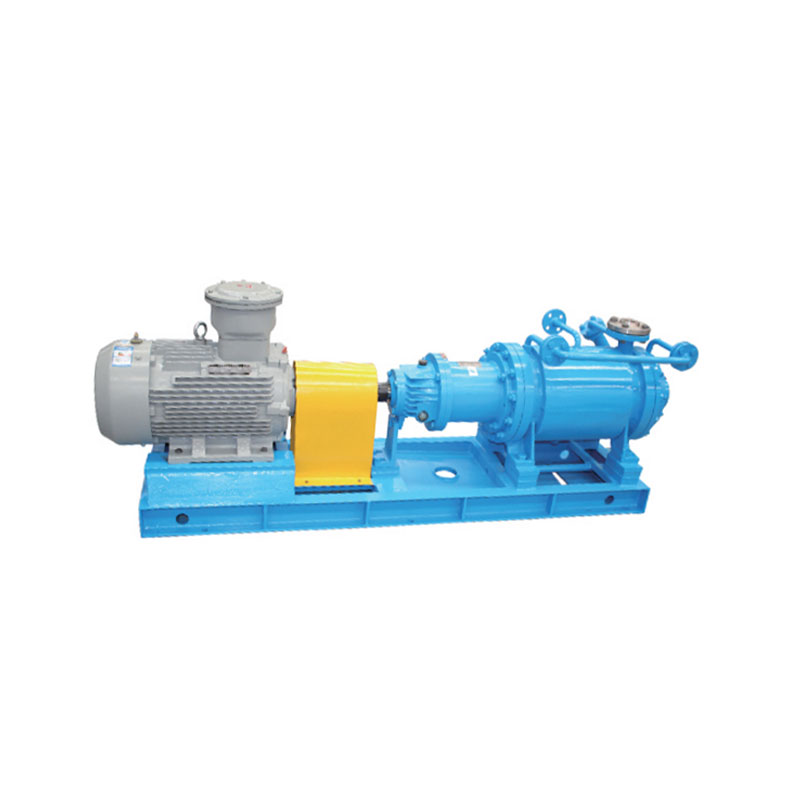
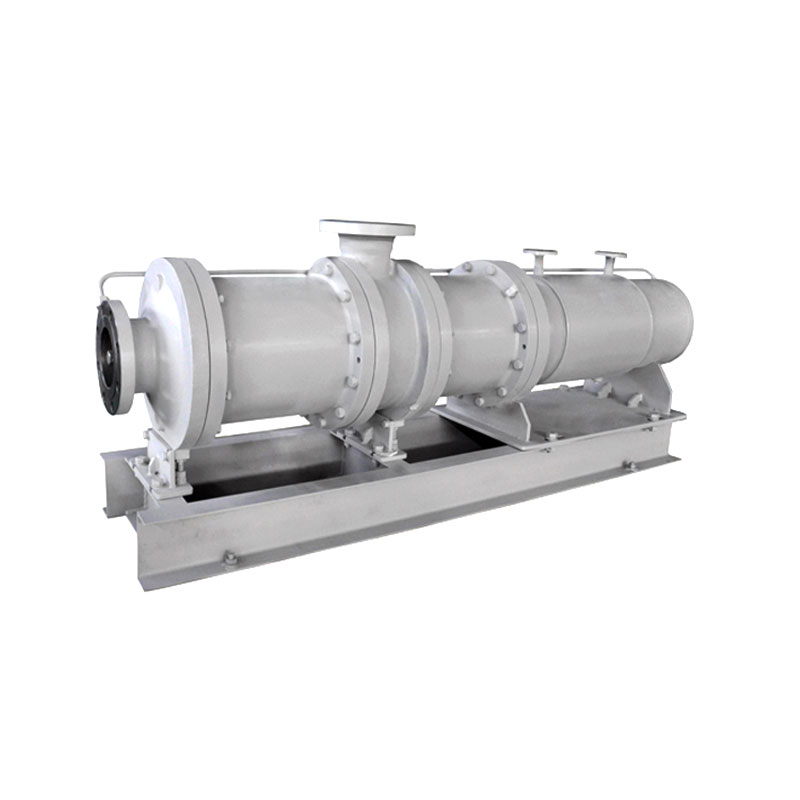
.jpg "Axially Split Horizontal Multistage Pump")


 ENG
ENG

 TOP
TOP