

 inquiry Now

 English
 русский
 عربى
عربى
The key difference between a vortex pump and a centrifugal pump is how the impeller interacts with the fluid: a centrifugal pump's impeller is fully submerged in the flow path, while a vortex pump's impeller sits recessed in a separate chamber, creating an indirect vortex action that moves fluid without direct contact. This fundamental design difference makes each pump suited to entirely different applications, fluid types, and operating conditions. Choosing the wrong type can result in rapid wear, clogging, or energy inefficiency.
How Each Pump Works: The Core Mechanical Difference
Centrifugal Pump Operation
A centrifugal pump uses a rotating impeller that sits directly within the fluid flow path. As fluid enters the impeller eye (center), centrifugal force accelerates it outward through the impeller vanes and into the volute casing, converting velocity into pressure. The impeller is in continuous, direct contact with everything passing through the pump.
This direct contact is what makes centrifugal pumps highly efficient for clean fluids — efficiency ratings of 70–93% are achievable with modern designs — but also what makes them vulnerable to abrasion, clogging, and damage when handling solids or viscous media.
Vortex Pump Operation
A vortex pump (also called a recessed impeller pump) positions the impeller in a side chamber recessed away from the main flow path. As the impeller rotates, it generates a spinning vortex in the pumping chamber. This vortex creates a low-pressure zone that draws fluid through the pump without the impeller ever directly contacting most of what passes through.
The result is that solids, fibrous materials, and even gases can pass through the pump body freely. Vortex pumps can handle solids up to 80% of the pipe diameter in some configurations — a feat no standard centrifugal pump can match.
Head-to-Head Comparison: Vortex vs Centrifugal Pump
| Factor | Vortex Pump | Centrifugal Pump |
|---|---|---|
| Impeller Position | Recessed, out of flow path | Fully in flow path |
| Hydraulic Efficiency | 30–50% | 70–93% |
| Solids Handling | Excellent (up to 80% pipe dia.) | Limited (small solids only) |
| Clog Resistance | Very High | Low to Moderate |
| Impeller Wear Rate | Low | High (abrasive fluids) |
| Gas/Air Handling | Good | Poor (air locks easily) |
| Flow Rate Capacity | Moderate | Very High |
| Energy Consumption | Higher per unit flow | Lower per unit flow |
| Maintenance Frequency | Low | Higher with abrasive media |
| Typical Cost | Moderate to High | Low to Moderate |
Efficiency: Where Centrifugal Pumps Win Clearly
Hydraulic efficiency is the most significant performance gap between the two pump types. Because a centrifugal pump's impeller transfers energy directly to the fluid, very little energy is lost in the conversion process. A well-designed centrifugal pump operating at its best efficiency point (BEP) can achieve efficiencies above 85% in large industrial configurations.
Vortex pumps, by contrast, move fluid indirectly through a generated vortex — an energy-intensive process. Typical vortex pump efficiency ranges from 30–50%, meaning significantly more motor power is required to achieve the same flow rate and head as a centrifugal pump handling the same clean fluid. For a facility running pumps continuously, this efficiency gap translates directly into higher electricity costs.
For example, moving 500 GPM of clean water at 50 feet of head might require a 15 HP centrifugal pump but a 25–30 HP vortex pump to achieve the same result — a meaningful operational cost difference over time.
Solids Handling: Where Vortex Pumps Are Unmatched
The recessed impeller design is the vortex pump's defining advantage. Because the impeller never directly contacts the media being pumped, it can handle materials that would instantly damage or clog a centrifugal pump:
- Fibrous materials — rags, stringy waste, paper pulp, agricultural residue
- Large soft solids — food waste, sewage sludge, fruit pulp
- Abrasive slurries — sand, gravel, mineral processing waste
- Gas-entrained liquids — fluids with up to 50% gas content in some vortex designs
- Shear-sensitive materials — biological cultures, polymer solutions that must not be mechanically broken down
A standard closed-impeller centrifugal pump attempting to handle fibrous sewage waste may require unclogging multiple times per week in a municipal wastewater setting. A vortex pump handling the same media can operate for months without intervention.
Wear and Maintenance Differences Over Time
The impeller wear profile of each pump type differs dramatically depending on what's being pumped.
Centrifugal pump wear with abrasive media:
When a centrifugal pump handles abrasive slurry, the impeller vanes and casing walls erode rapidly. In mining or sand-handling applications, centrifugal pump impellers made from standard cast iron may need replacement every 3–6 months. Even high-chrome alloy impellers in slurry service typically last only 1,500–3,000 hours before performance degrades unacceptably.
Vortex pump wear with the same media:
Because the vortex pump's impeller is recessed, abrasive particles pass through the pump body with minimal impeller contact. Wear is distributed across the casing walls rather than concentrated on impeller vanes. The same abrasive application that destroys a centrifugal impeller in 3 months may see a vortex pump impeller last 18–24 months — reducing both parts costs and downtime significantly.
Pressure and Flow Rate Capabilities
Centrifugal pumps are available in configurations capable of generating very high heads and flow rates. Multi-stage centrifugal pumps can develop heads exceeding 1,000 feet (300+ meters) and flow rates above 100,000 GPM in large industrial installations — making them the dominant choice for water supply, HVAC, and process industries moving clean or lightly contaminated fluids at scale.
Vortex pumps are generally limited to moderate heads — typically under 100 feet (30 meters) in standard industrial configurations — and lower flow rates. This is an inherent consequence of the indirect energy transfer mechanism. Where high pressure or very large flow volumes are needed for clean fluid service, centrifugal pumps are the correct choice regardless of cost.
Which Pump Is Right for Your Application
Use this decision framework to match pump type to your specific needs:
Choose a vortex pump when:
- The fluid contains large solids, fibrous material, or stringy debris
- Clog-free operation is critical and downtime is costly
- You are pumping abrasive slurries where impeller wear is a persistent problem
- The application involves gas-entrained or aerated liquids
- Shear-sensitive materials must pass through intact (bioprocessing, polymer handling)
- Application: municipal wastewater, food processing, paper mills, mining drainage
Choose a centrifugal pump when:
- The fluid is clean or contains only fine particles below 1/8 inch
- High flow rates or high pressure heads are required
- Energy efficiency is a priority and the fluid won't cause clogging
- Operating costs need to be minimized over long continuous-duty cycles
- Application: water supply, HVAC, chemical processing, irrigation, boiler feed
Real-World Industry Application Examples
| Industry | Application | Recommended Type | Reason |
|---|---|---|---|
| Municipal Wastewater | Raw sewage transfer | Vortex | Fibrous solids, rag content |
| Water Treatment | Clean water distribution | Centrifugal | High flow, clean fluid, efficiency |
| Food Processing | Fruit pulp, vegetable waste | Vortex | Soft solids, shear sensitivity |
| Mining | Abrasive slurry transfer | Vortex | Reduced impeller wear |
| Chemical Processing | Clean chemical transfer | Centrifugal | Efficiency, high head capability |
| Paper & Pulp | Fiber slurry handling | Vortex | Fibrous media, clog prevention |
Centrifugal pumps are the right choice when efficiency and high flow rates matter and the fluid is clean — vortex pumps are the right choice when the fluid contains solids, fibers, or abrasives that would clog or damage a standard impeller. The 30–50% efficiency penalty of a vortex pump is often completely justified when the alternative is frequent clogging, accelerated wear, and costly downtime. Match the pump to the fluid characteristics first, then optimize for efficiency and cost within that category.
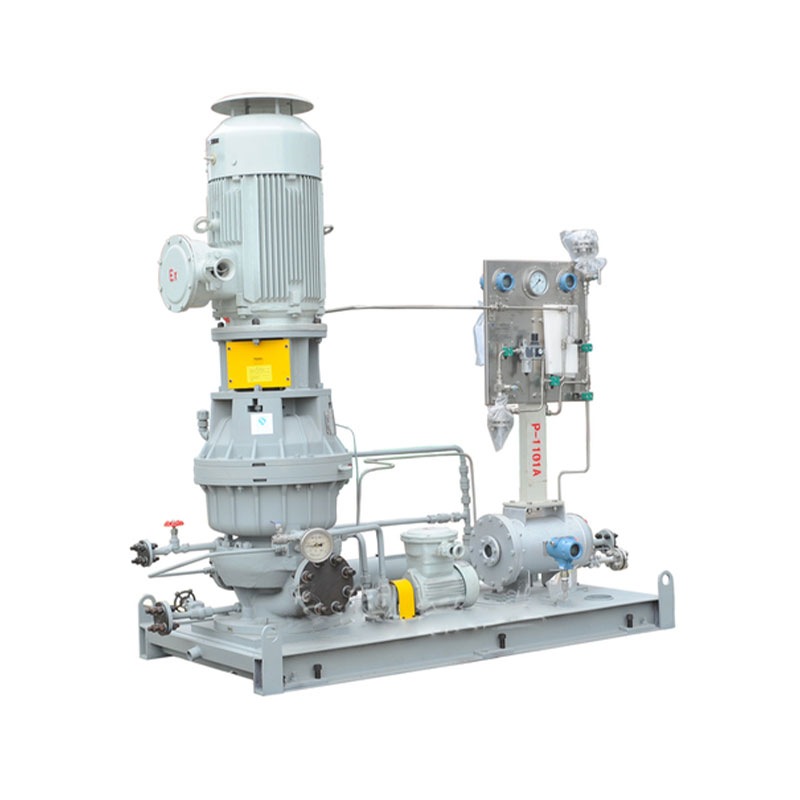
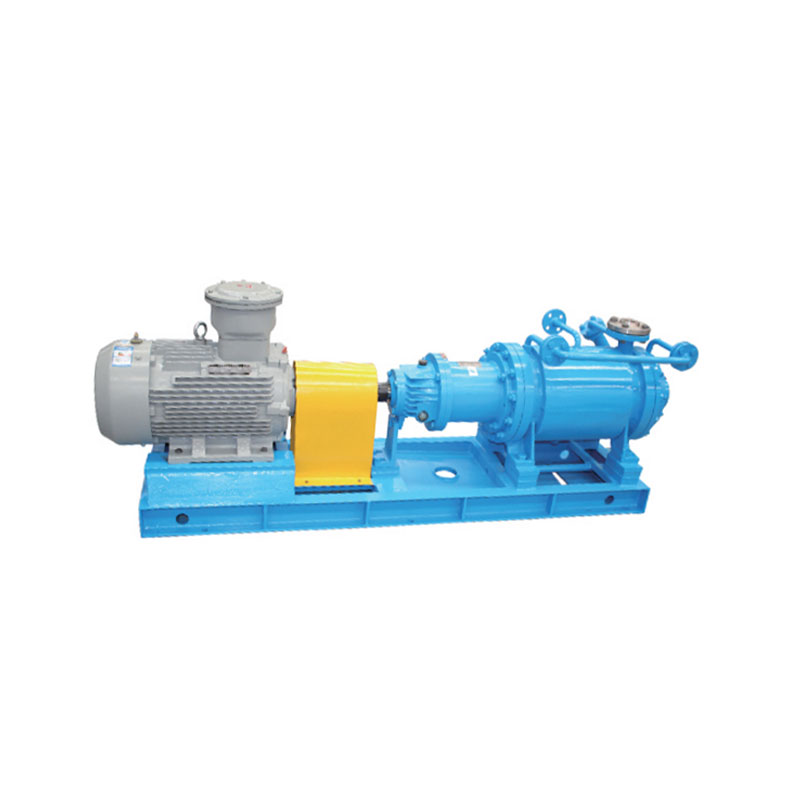
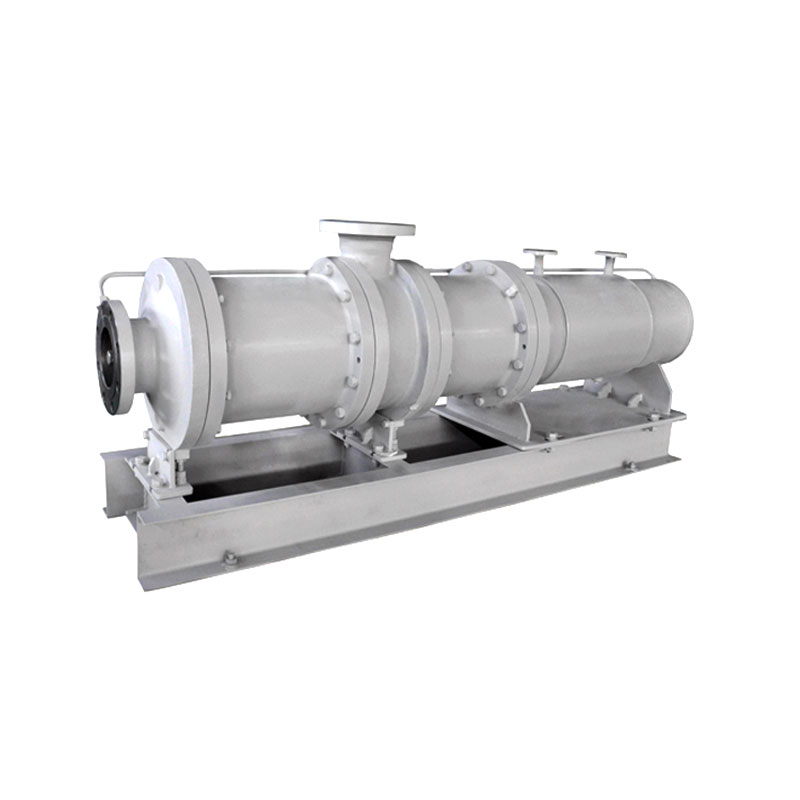
.jpg "Axially Split Horizontal Multistage Pump")


 ENG
ENG

 TOP
TOP