

 inquiry Now

 English
 русский
 عربى
عربى
1. The High Stakes of Pressure Vessel Integrity: Why Prevention Matters
1.1 The Central Role of Pressure Vessels in Modern Industry
A Pressure Vessel Tank is the “heart” of modern industry, widely utilized in petroleum refining, chemical processing, pharmaceuticals, and nuclear power. These units operate under extreme conditions—pressures significantly higher or lower than atmospheric levels—storing massive amounts of potential energy. Due to the specialized nature of their operating environments, any minor structural flaw or operational error can lead to catastrophic consequences, including explosions, toxic leaks, and massive property damage.
1.2 Global Compliance Standards: ASME and the Safety Lifecycle
The first step in preventing failure is strict adherence to international standards, particularly ASME Section VIII. These codes define not just material thickness and welding procedures, but also the mandatory inspection frequencies throughout the equipment’s lifecycle. An ASME-certified vessel has undergone rigorous pressure testing before leaving the factory, but this does not mean it is absolutely safe during its service life. Companies must establish a complete system ranging from “preventative maintenance” to “predictive maintenance.” Discussing “ASME compliance for pressure vessels” on your website can attract professional buyers seeking high-standard equipment solutions.
1.3 Economic Impact and Brand Reputation
Beyond safety risks, a pressure vessel failure leads to unscheduled downtime, with production losses potentially reaching tens of thousands of dollars per hour. Furthermore, environmental litigation and rising insurance premiums triggered by equipment failure can place a multi-year financial burden on a company. Therefore, analyzing the causes of failure and implementing preventive measures is not just a safety requirement—it is a critical strategic move to optimize a company’s Return on Investment (ROI).
2. Deep Dive: The Top 5 Root Causes of Pressure Vessel Tank Failure
2.1 Corrosion: The “Silent Killer”
Corrosion is the most common cause of pressure vessel failure. It includes not only uniform wall thinning but also more destructive forms like pitting and Stress Corrosion Cracking (SCC).
- Triggers: Chemical reactions between the stored medium (such as acidic chemicals) and the internal walls, or erosion of the shell by moisture and industrial atmospheres.
- Prevention: Design with a sufficient Corrosion Allowance; select corrosion-resistant materials like 316L stainless steel; or apply high-performance anti-corrosion coatings to carbon steel surfaces. Regular use of Ultrasonic Thickness (UT) testing is an effective means of detecting hidden corrosion.
2.2 Metal Fatigue and Cyclic Loading
Fatigue failure typically occurs during frequent pressurization and depressurization cycles. Even if the pressure never exceeds the Maximum Allowable Working Pressure (MAWP), the metal can develop microscopic cracks under repeated stress cycles.
- Triggers: Frequent start-stop operations and intense thermal stress cycles caused by temperature fluctuations.
- Prevention: Incorporate fatigue strength assessments into the design; use Non-Destructive Testing (NDT) such as Magnetic Particle Testing (MT) or Penetrant Testing (PT) to look for cracks at critical weld areas. Optimize operational workflows to reduce unnecessary pressure spikes.
2.3 Improper Operation and Overpressurization
This is the most explosive form of failure, usually resulting from system pressure exceeding the structural limits of the shell.
- Triggers: Human error, failure of automated control systems, or pressure surges caused by downstream pipe blockages.
- Prevention: Pressure Relief Valves (PRV) and rupture discs must be installed and periodically calibrated. Implement automated Safety Instrumented Systems (SIS) to force a shutdown before pressure reaches critical levels.
2.4 Fabrication and Welding Defects
The strength of a Pressure Vessel Tank is often determined by the quality of its welded joints.
- Triggers: Slag inclusion, porosity, lack of penetration during welding, or residual stress generated by improper heat treatment.
- Prevention: Hire only ASME-certified welders; perform 100% Radiographic Testing (X-ray) on all longitudinal and circumferential seams. Perform Post-Weld Heat Treatment (PWHT) after fabrication to eliminate residual stress.
2.5 Brittle Fracture
Many carbon steel materials become as fragile as glass in low-temperature environments.
- Triggers: Operating below the vessel’s Minimum Design Metal Temperature (MDMT), causing the material to lose its toughness.
- Prevention: For vessels used in cold regions or cryogenic processes, select specialized low-temperature steels that have passed the Charpy Impact Test. Ensure the vessel wall temperature has reached a safe range before start-up and pressurization.
3. Comparison of Failure Modes, Indicators, and Detection Technologies
Using the table below, plant engineers can quickly identify potential risks and match them with appropriate detection technologies:
| Failure Type | Key Risk Indicators | Recommended Detection | Prevention Strategy |
|---|---|---|---|
| Corrosion | Thinning / Pitting | Ultrasonic Testing (UT) | Corrosion allowance / Coatings |
| Fatigue | Cracks in Heat Affected Zone | Magnetic Particle (MT) | Reduce cycles / Smooth design |
| Overpressure | Plastic deformation / Leaks | Gauge monitoring / PRV test | Periodic PRV calibration |
| Weld Defect | Internal porosity / Voids | Radiographic Testing (RT) | Strict adherence to WPS |
| Brittle Fracture | Instant snap / No deformation | Charpy Impact Test | Monitor MDMT temperature |
4. Maintenance and Long-Term Safety: From Systems to Technology
4.1 Risk-Based Inspection (RBI)
Leading industrial firms are moving away from “one-size-fits-all” maintenance plans toward Risk-Based Inspection (RBI). This method analyzes the probability and consequence of failure for each Pressure Vessel Tank, allocating more inspection resources to high-risk equipment. This improves safety while significantly reducing blind maintenance costs for low-risk units. In SEM optimization, “RBI for chemical tanks” is a high-value technical term.
4.2 Digital Monitoring and Industrial IoT (IIoT)
With the arrival of Industry 4.0, installing real-time sensors on pressure vessels has become a trend. By monitoring real-time pressure, temperature, and vibration data, digital twin systems can predict when equipment might experience fatigue or excessive corrosion. This “predictive maintenance” is transforming the operational model for heavy equipment.
4.3 The Necessity of Hydrostatic Testing
Every pressure vessel must undergo a Hydrostatic Test before being put into service or after major repairs. Typically, the vessel is filled with water and pressurized to 1.3 to 1.5 times the design pressure. This is not only a final verification of weld strength but also a critical step in identifying overall system sealing issues. Emphasizing “Rigorous hydrostatic testing procedures” on a corporate site can build strong brand trust.
5. FAQ: Pressure Vessel Tank Safety
1. Can wall thickness be increased indefinitely to prevent corrosion?
No. Excessive thickness increases welding difficulty, raises sensitivity to thermal stress, and is extremely costly. The most scientific approach is to calculate a reasonable corrosion allowance based on the corrosion rate and combine it with periodic inspections.
2. How often does a Pressure Relief Valve (PRV) need calibration?
It is generally recommended to perform an off-line calibration once a year. In corrosive or heavily scaling environments, the frequency should be increased to ensure the valve disc does not become stuck.
3. Why do stainless steel vessels still crack?
This is often due to Stress Corrosion Cracking (SCC). Even stainless steel can experience brittle cracking in a very short time if residual stress is present in environments containing chloride ions (such as seaside locations or specific process water).
6. References
- ASME Boiler and Pressure Vessel Code (BPVC), Section VIII, Division 1. (2025).
- American Petroleum Institute (API). (2024). “API 510: Pressure Vessel Inspection Code.”
- National Board of Boiler and Pressure Vessel Inspectors (NBBI). (2023). “NB-23: National Board Inspection Code.”
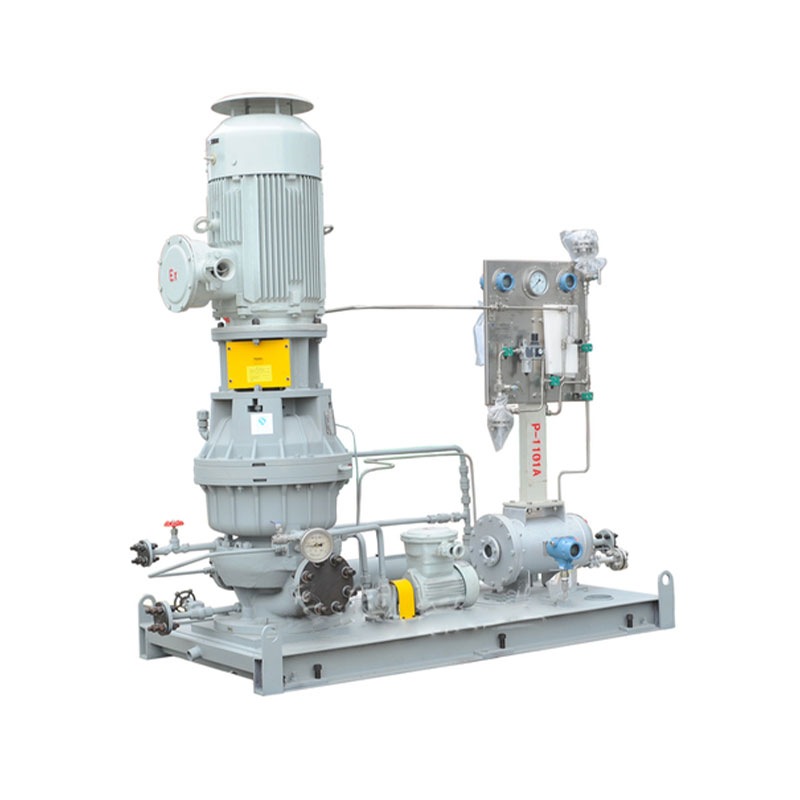
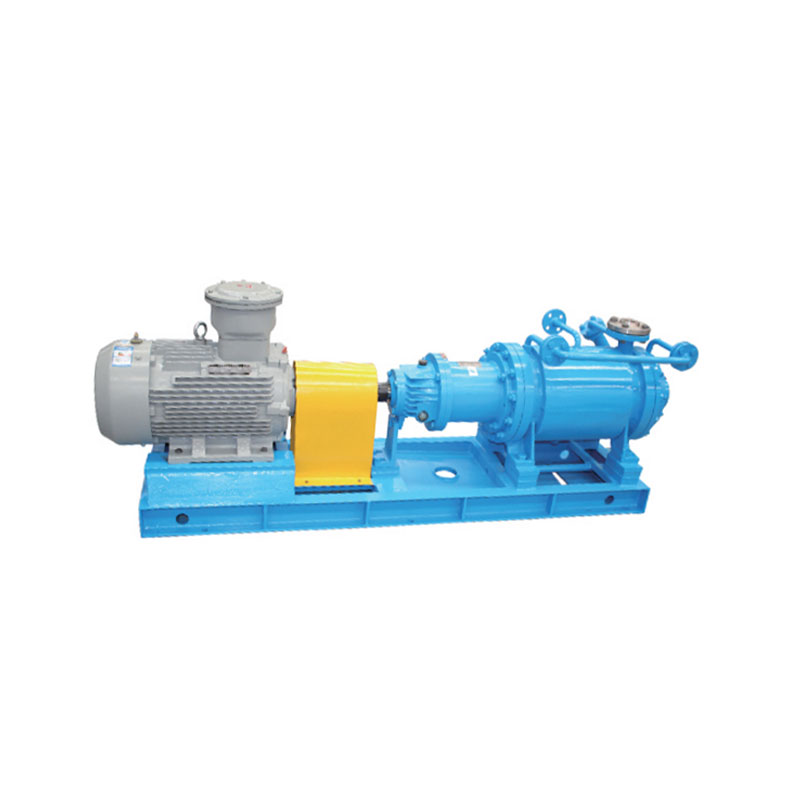
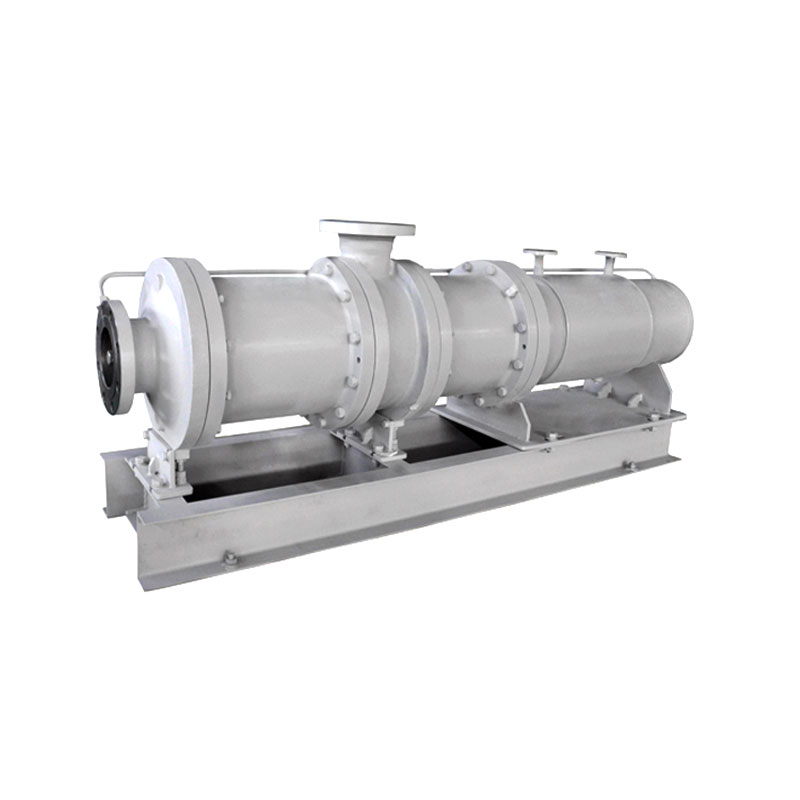
.jpg "Axially Split Horizontal Multistage Pump")


 ENG
ENG

 TOP
TOP