

 inquiry Now


 English
 русский
 عربى

A chemical plant's transfer pump failed eleven days after commissioning. The mechanical seal was leaking, the impeller showed cavitation damage, and the motor was pulling current above its rated load. When the engineer reviewed the original specification, the cause became obvious: the process fluid had been recorded simply as "solvent mixture," with no viscosity, no vapor pressure, and no mention of the abrasive fines that had already worn the wear rings. The pump had been selected for a liquid that bore little resemblance to the actual process stream.
That failure did not happen because pump selection is a mysterious process. It happened because one essential variable—the behavior of the fluid itself—was treated as an afterthought. This article sets out the seven essential variables for pump selection in fluid handling systems, explains why each one matters, and shows how to bring them together into a specification that performs reliably from the first day.
The Seven Variables at a Glance
No variable on this list can be safely ignored. Depending on the service, any one of them can become the deciding factor. Review them together and in this order, because the output of each step feeds into the next.
| Variable | What It Determines | Typical Data Needed |
|---|---|---|
| 1. Fluid properties | Pump type, materials, motor power | Viscosity, specific gravity, vapor pressure, temperature, solids |
| 2. Flow rate and head | Pump size and operating point | Rated flow, minimum and maximum flow, system head curve |
| 3. Inlet conditions | Cavitation margin, suction layout | NPSH available, suction lift, tank levels |
| 4. Materials of construction | Corrosion and erosion service life | Chemical composition, pH, abrasive content, temperature |
| 5. Operating environment | Drive enclosure, housing, safety | Indoor or outdoor, ambient temperature, area classification |
| 6. Power source availability | Driver type and speed control | Voltage, frequency, VFD, backup power |
| 7. Criticality and duty cycle | Redundancy, sealing, ownership cost | Duty type, shutdown cost, spares policy |
The overview above condenses the practical guidance that follows; each variable deserves detailed attention during engineering review.
1. Fluid Properties
Fluid properties are the foundation of every selection decision. A pump is a machine that adds energy to a liquid, and the liquid dictates how much energy is required, which hydraulics can deliver it, and which materials can survive contact with it. The list of relevant properties is short, but each item changes the design:
- Viscosity influences friction losses and hydraulic behavior. Low-viscosity liquids suit centrifugal pumps, while high-viscosity liquids are usually better handled by positive displacement pumps.
- Specific gravity sets the absorbed power. A ten percent error in density turns into roughly a ten percent error in the power requirement, which quickly becomes an overloaded or underloaded motor.
- Vapor pressure, combined with suction-side conditions and temperature, decides how much cavitation margin the pump will have.
- Solids content forces a different impeller geometry and requires harder or elastomer-lined wet ends; a pump that handles clean water will not survive a mill slurry.
- Corrosivity, toxicity and flammability determine metallurgy, non-metallic liners, seal plans or a completely sealless design.
For process streams carrying suspended solids, review equipment designed for abrasive slurry pumping before fixing the impeller geometry. For highly acidic fluids such as hydrochloric or sulfuric acid, a fluoropolymer-lined pump is usually the most dependable basis of design.
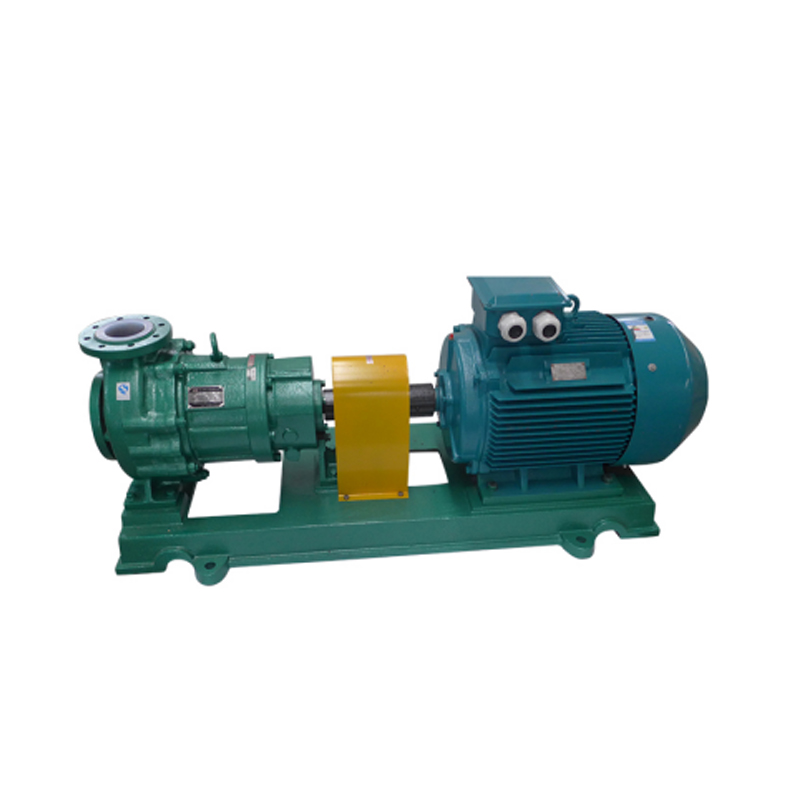 CQB Series Fluorine-Lined Magnetic Drive PumpThis sealless magnetic pump handles abrasive slurries and highly corrosive acids with a fluoropolymer-lined flow path, making it a dependable choice for the demanding services described.View Product →
2. Flow Rate and Head
Flow rate and total dynamic head define the operating point. Flow is normally given as a rated capacity, but a more useful specification states minimum, normal and maximum flow. Total dynamic head is the sum of static elevation difference, surface-pressure difference and friction losses through piping, valves, exchangers and nozzles. Estimating the friction component too roughly is one of the most common causes of both undersizing and oversizing.
An oversized pump works far from its best efficiency point, wastes energy and tends to vibrate; an undersized pump overloads the motor and shortens bearing life. If a system curve is available, provide it. At minimum, separate the static head from the dynamic head so the manufacturer can verify the duty instead of guessing.
3. Inlet Conditions and NPSH
Net positive suction head available (NPSHa) is the energy present at the pump suction; the pump requires a portion of that energy, called NPSH required (NPSHr). When the margin between the two disappears, cavitation begins. Vapor bubbles form and collapse against the impeller, eroding metal, generating noise and cutting performance. High liquid temperature, high vapor pressure, long suction lines, undersized suction pipe and excessive suction lift all reduce NPSHa.
Give the manufacturer the actual tank levels, pipe lengths, fittings and elevations between the source and the pump flange. A pump that meets the nameplate head and flow on paper can still run poorly if the suction side was idealized. A liquid close to its vapor pressure, such as hot water near 100 °C, leaves almost no margin: the pump must be installed below the source, or the liquid must be cooled, before any pump model can work reliably.
4. Materials of Construction
Wetted materials set the corrosion allowance and the useful life of the wet end. For chemical duties, the alloy choice—stainless steel, duplex, high-nickel alloys—follows from the fluid composition, concentration, temperature and pH. Non-metallic solutions deserve equal attention: a fluoroplastic lining handles acids that would quickly attack standard alloys, while rubber-lined casings protect the pump from abrasive slurry.
Standards reduce risk. A pump built to a recognized classification, such as the API 610 OH2 configuration, brings a documented level of design, manufacturing and testing quality to a demanding process service. That documentation becomes part of the plant's reliability record.
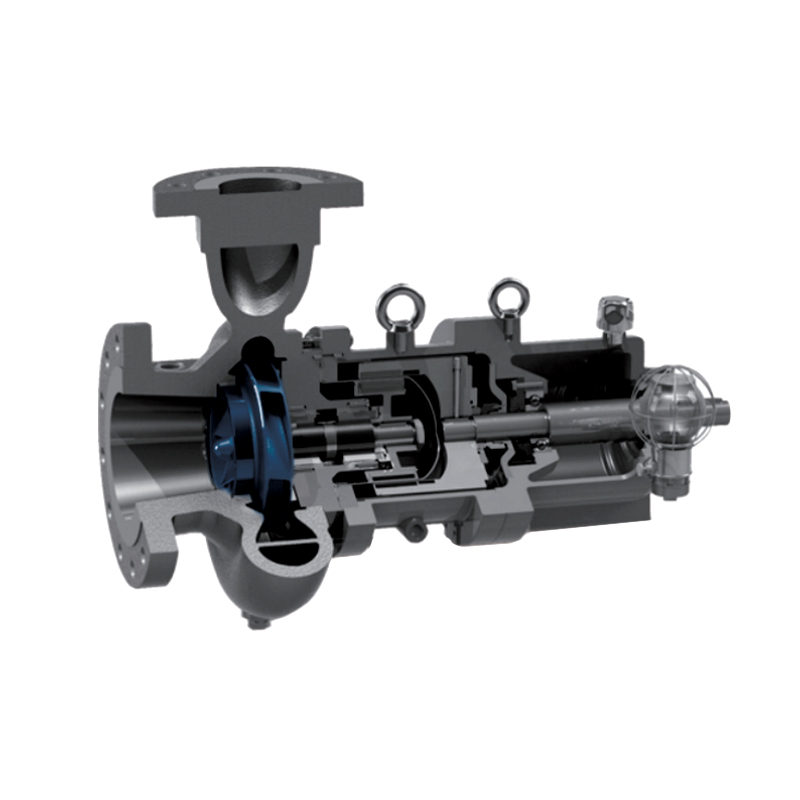 WMC Series API 610 OH2 Chemical PumpBuilt to the API 610 OH2 standard, this pump converts dynamic seals to static seals to prevent leakage, providing a documented reliability level for critical process duties.View Product →
5. Operating Environment
Ambient conditions define the driver, enclosure, baseplate and cooling arrangement. Outdoor installations in hot climates need a higher service factor or additional ventilation; high-altitude operation reduces air density and motor cooling; marine locations demand corrosion-resistant fasteners and protective coatings. Hazardous area classification is not optional—if flammable vapors can be present, the motor and instrumentation must match the zone rating, and the pump design may need to eliminate potential ignition sources.
6. Power Source Availability
The available power source becomes a constraint only when it is scarce. Most pumps run on grid-supplied electric motors, and the local voltage and frequency are fixed inputs to the motor selection. A variable frequency drive enables speed control, which is the most efficient way to adjust flow, but the drive must be sized for the pump power and rated for the environment. Off-grid sites may require diesel-driven pumps; plants with instrument air may favor air-operated diaphragm pumps. Confirm the driver before finalizing the pump speed and coupling.
7. Criticality, Duty Cycle and Total Cost of Ownership
Finally, decide how important the pump is to the plant. A single pump feeding a continuous chemical process is far more critical than a standby transfer pump; the critical pump demands a higher reliability standard, easier maintenance access and, for hazardous or volatile media, a sealless design that removes the most common leak path. Duty cycle changes the problem as well: a pump running around the clock at rated flow fails differently from one that starts and stops frequently throughout the day.
Total cost of ownership—energy, maintenance, spares and downtime—usually exceeds the purchase price in the first few years, so the cheapest pump is rarely the economical choice. For processes that cannot tolerate interruption, continuous-duty industrial centrifugal pumps with conservative materials and a documented design basis offer the best balance of uptime and predictable maintenance.
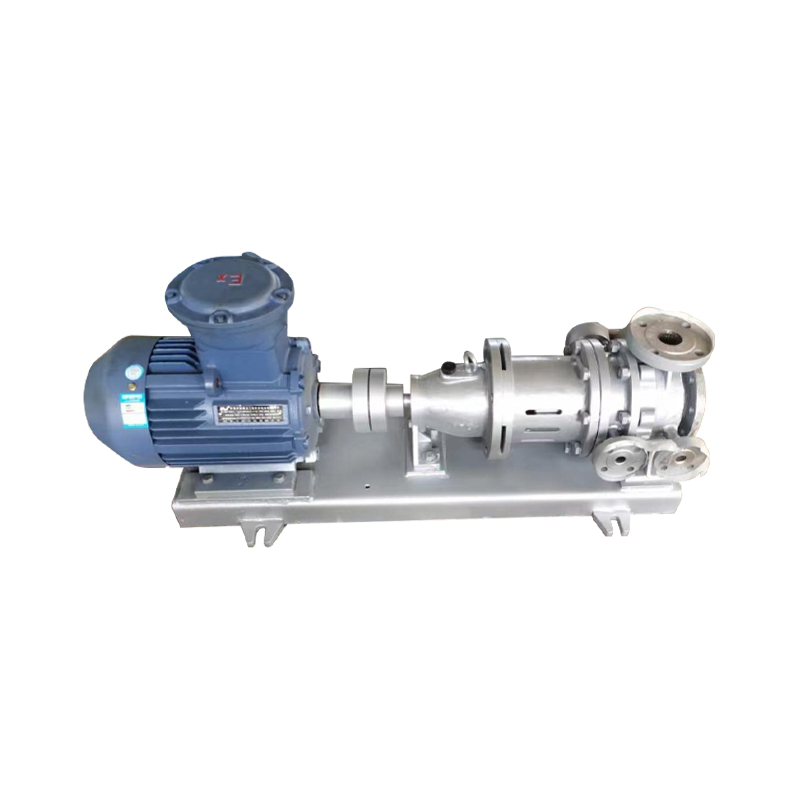 CMY Series API 685 Magnetic Drive PumpCompliant with API 685, this magnetic drive pump suits flammable, toxic, and corrosive media in petrochemical and heavy chemical services, offering low vibration and balanced axial force.View Product →
Turning the Seven Variables Into a Specification
Gather the data before contacting a manufacturer. Record the fluid composition with the properties described above, define normal and extreme flow values, calculate NPSHa from the actual suction piping, state the area classification, and confirm the voltage and driver. Then send the complete duty description rather than a pump model number, and ask the manufacturer to confirm the hydraulics, materials and sealing against your process data instead of accepting assumptions.
A specification built on this framework does more than prevent early failures. It creates a shared reference for the process engineer, the mechanical engineer and the purchaser, so that every decision—impeller geometry, metallurgy, seal plan, motor rating—can be audited against the original operating requirement. That is the practical value of the seven variables: they turn pump selection from an educated guess into a documented engineering exercise.




 ENG

 TOP