

 inquiry Now

 English
 русский
 عربى
عربى
Every tailings pump specification starts with one practical question: how much solids do you need to move over what distance, and how long can you afford the pump to last? The answer drives not only the pump size, but also the casing design, impeller material, sealing arrangement, and maintenance plan. This article explains how to evaluate tailings transport duty, choose between pump configurations, and protect equipment against the abrasive and sometimes corrosive nature of mine tailings.
What a Tailings Pump Does in a Mining Circuit
In mineral processing, tailings are the remains after valuable minerals have been extracted. They contain fine solids, process water, and flotation reagents. A tailings pump moves this stream from the processing plant to a tailings storage facility (TSF), to a water recovery system, or back underground as paste fill. In some operations, tailings are re-processed to recover remaining metals, and older tailings deposits are re-slurried and pumped to a new processing line. Each duty imposes a different flow, pressure, and wear scenario on the pump.
- Dewatering and thickened tailings transport
- Tailings storage facility feed and distribution
- Underground and open-pit backfill
- Sump, reclaim water, and emergency spillage removal
Tailings Pump Selection Parameters
A robust tailings pump selection starts with defining the full range of operating conditions, not just the design point. Slurry density, particle size distribution, and viscosity vary with ore type and process chemistry. If you only size the pump for the average case, the pump will struggle during peak solids loads or when the slurry behaves like thick paste.
| Parameter | Why It Affects Selection | Typical Range |
|---|---|---|
| Flow rate | Determines pump size and motor power | 30–300 m³/h per unit |
| Total dynamic head | Overcomes pipe friction, elevation, and discharge pressure | 15–80 m |
| Solids concentration | Higher concentration increases viscosity and settling risk | 20–60% by weight |
| Particle size and shape | Coarse, angular particles accelerate impeller and lining wear | d85 up to 2–4 mm |
| Slurry pH | Corrosive tailings require alloys or rubber lining | pH 1–13 |
| Temperature | Affects elastomer life and material selection | 10–60 °C |
| Abrasivity | Free quartz content and hardness define wear rate | Low, medium, high |
Do not ignore minimum flow, transient startup, or flush water conditions. A pump that is correctly sized for steady operation may still need a speed-controlled drive or bypass line to survive upset events. Tailings pumping conditions also change as a mine expands, so review the pump against the complete life-of-mine flow and head envelope instead of only the current throughput.
Horizontal Centrifugal Slurry Pumps for Tailings
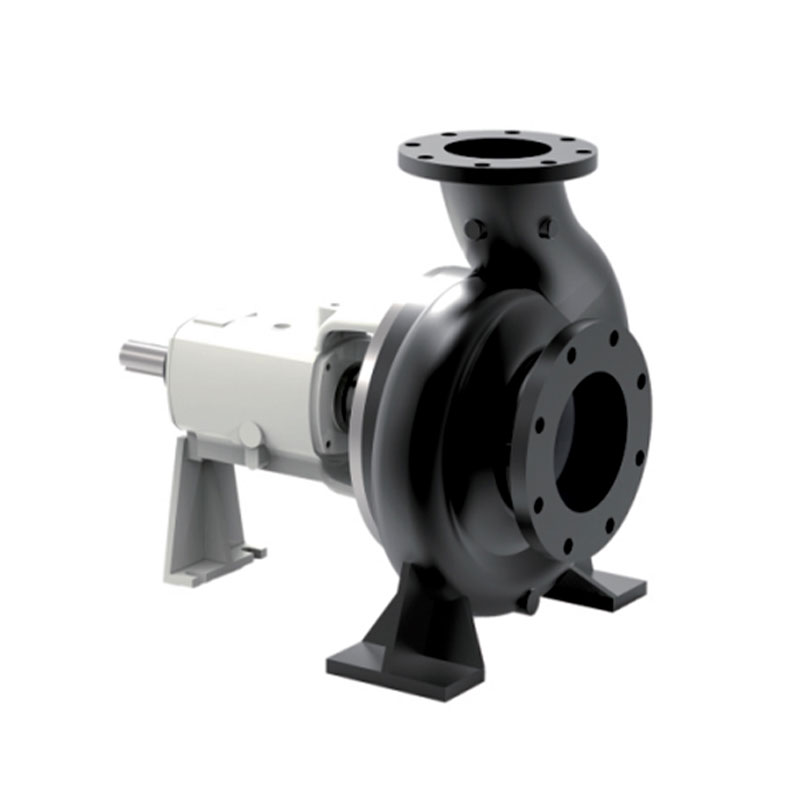
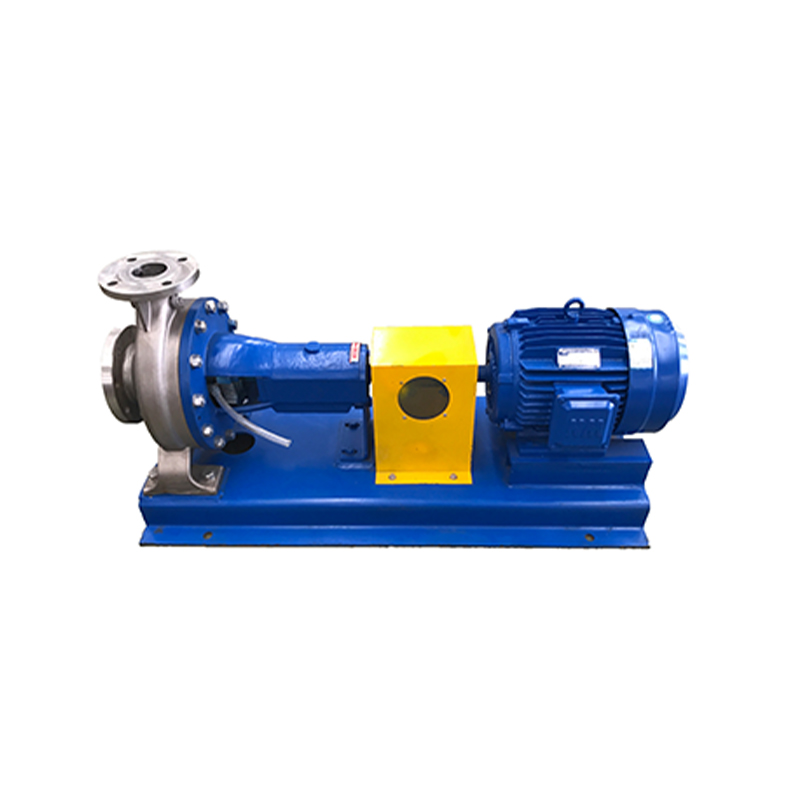
For tailings with moderate solids concentration and large flow rates, horizontal centrifugal slurry pumps are the most common choice. The casing and impeller are designed to tolerate accelerated wear. Double-shell construction protects the outer casing from direct contact with the slurry, while a cantilever impeller shaft reduces seal exposure to solid particles. Some manufacturers offer adjustable impeller clearance to restore performance as wear progresses. For hard-rock tailings, a horizontal pump with a high-chrome impeller and rubber-lined casing can deliver years of service.
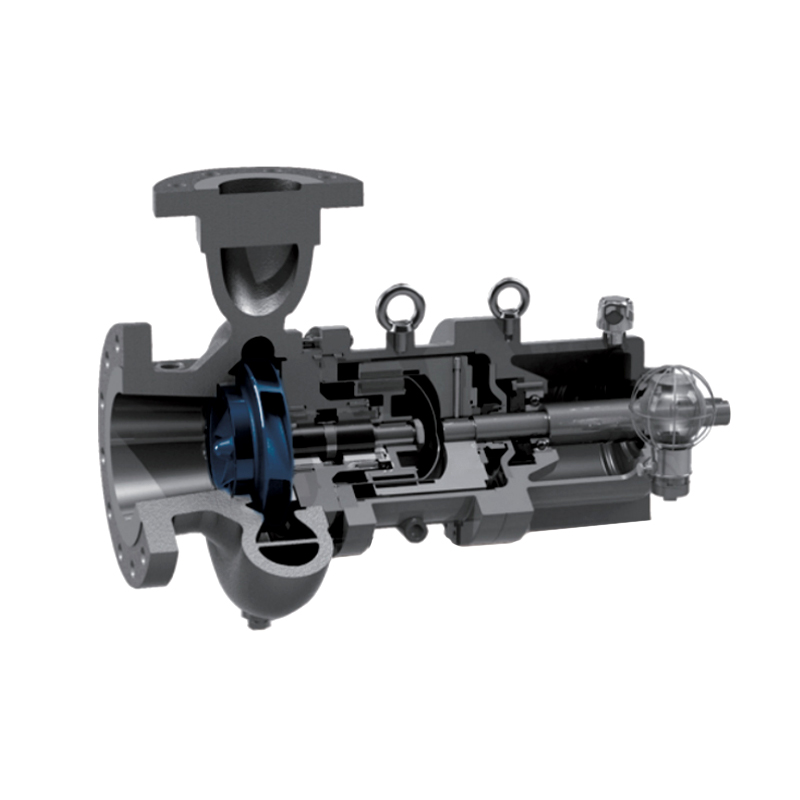
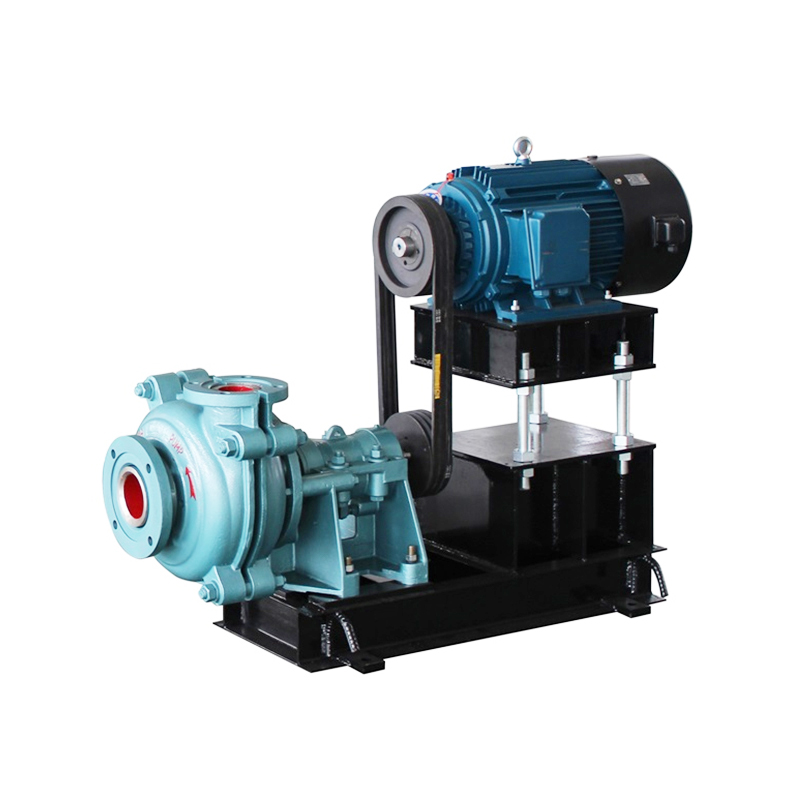 Single-Stage Double-Shell Horizontal Slurry Pump for Coarse TailingsThis pump's double-shell design shields the outer casing from abrasive wear, while high-chrome or rubber flow parts and a wide impeller channel help handle coarse, high-density tailings without clogging during shutdown or restart.View Product →
When tailings are relatively coarse but not heavily thickened, a single-stage double-shell pump is often sufficient. The selection should also verify that the pump can pass the largest particle without clogging, especially during shutdown and restart when solids settle in the suction pipe.
Vertical and Submersible Arrangements for Sump and Reclaim Services
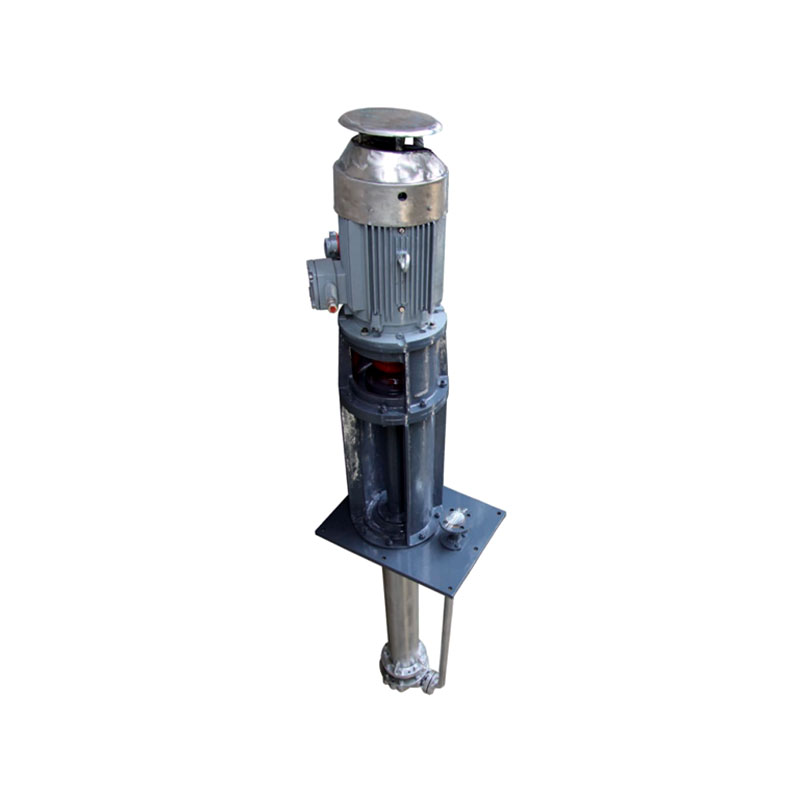
Plant sumps, reclaim water tanks, and underground storage areas often require a vertical pump. A cantilever vertical slurry pump keeps the bearing assembly above the slurry, with only the wetted parts submerged. This arrangement avoids long and trouble-prone suction lines and simplifies maintenance in confined spaces. For tailings sumps that receive intermittent flows, a pump with a heavy-duty shaft and wear-resistant lining handles the mixture of settled solids and supernatant water without requiring external priming.
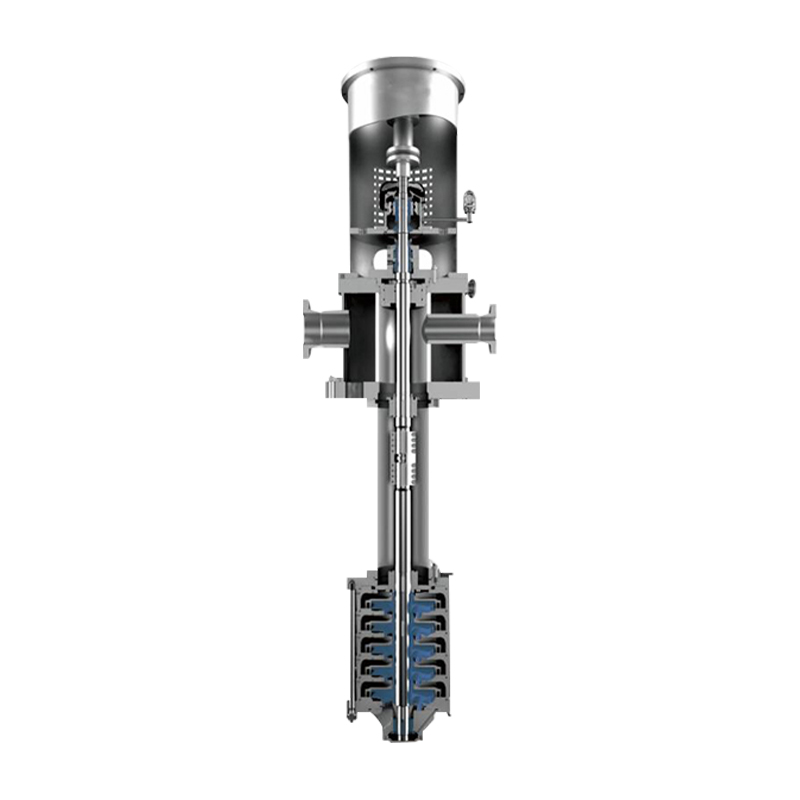
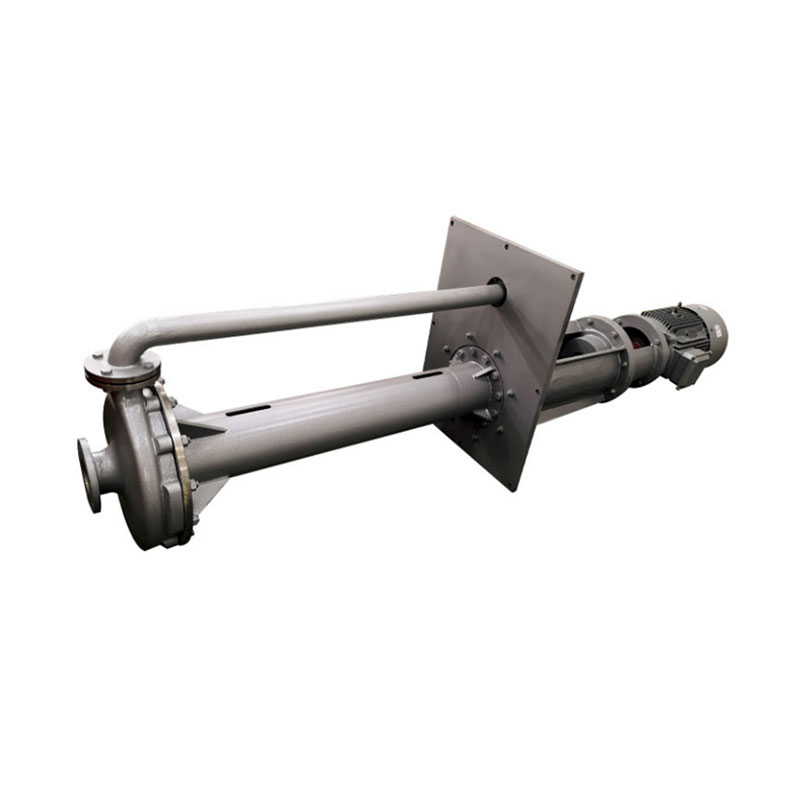 Cantilever Vertical Submersible Slurry Pump for Sump DutyWith bearings mounted above the slurry and wetted parts immersed, this vertical pump suits fluctuating sump levels and confined spaces. It handles solids up to 2 mm at temperatures to 105°C, eliminating external priming needs.View Product →
In applications where the sump level rises and falls frequently, the vertical pump configuration simplifies level control and allows the motor to be mounted above flood level. The maximum sump depth and the allowable bearing span must be confirmed with the pump manufacturer before installation.
High-Head and Multi-Stage Options for Long-Distance Transport
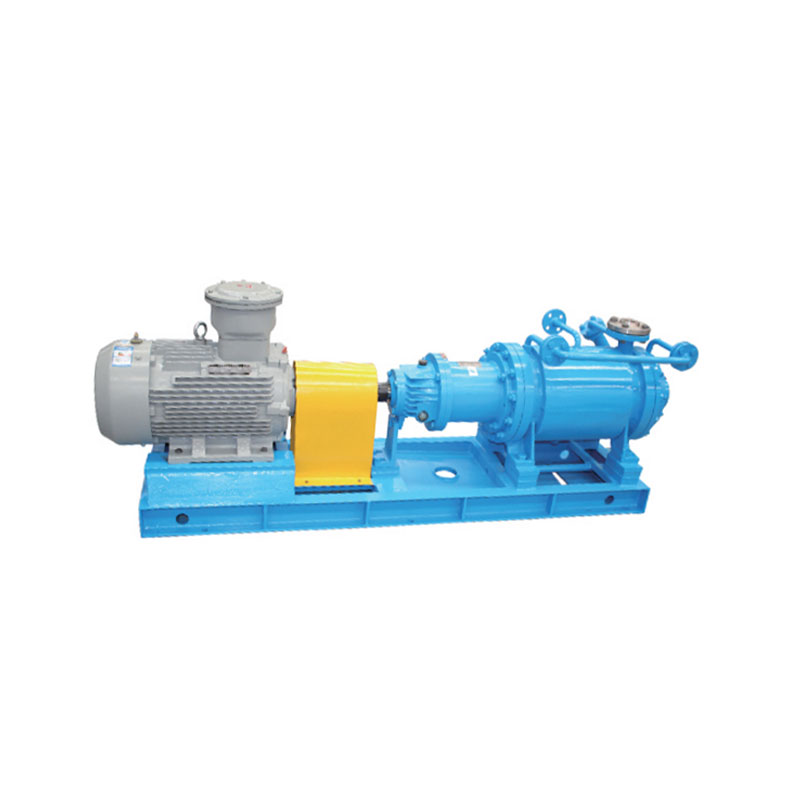
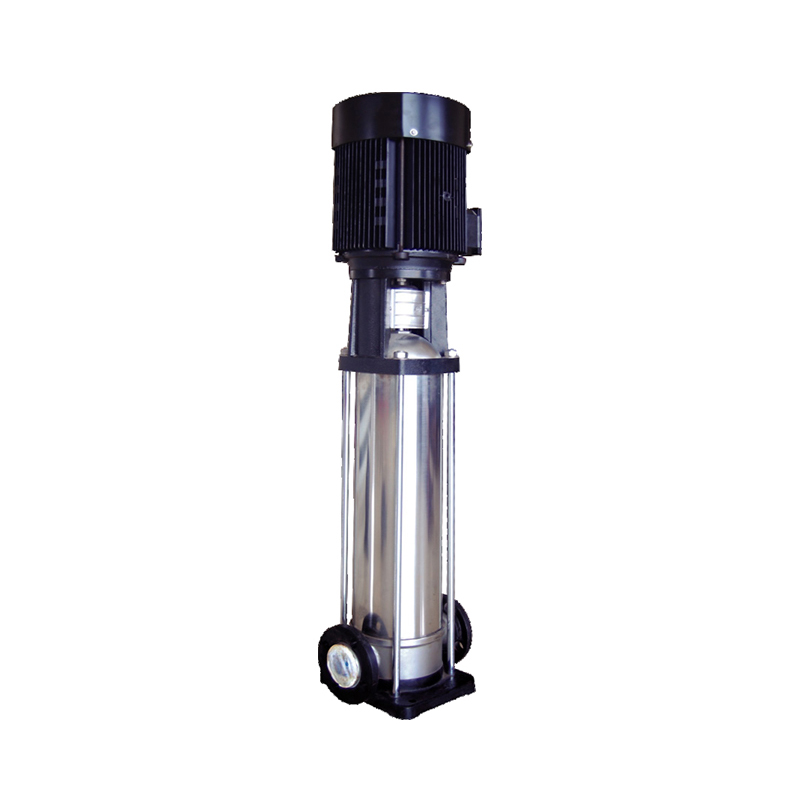
Long tailings pipelines often require heads far beyond the capability of a single-stage pump. A multi-stage centrifugal pump can generate the necessary pressure while keeping a relatively compact footprint. For abrasive slurries, the material of the pump body and impeller is even more critical in a multi-stage design because wear in one stage shifts the hydraulic balance. Some operators choose a series of single-stage pumps instead of one multi-stage unit to simplify maintenance and spare parts inventory.
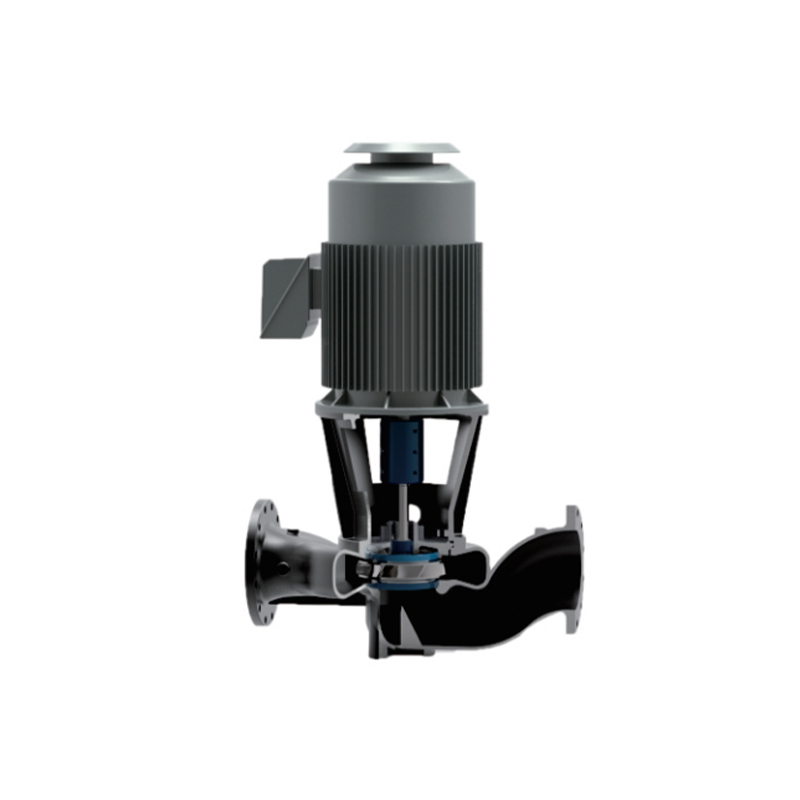
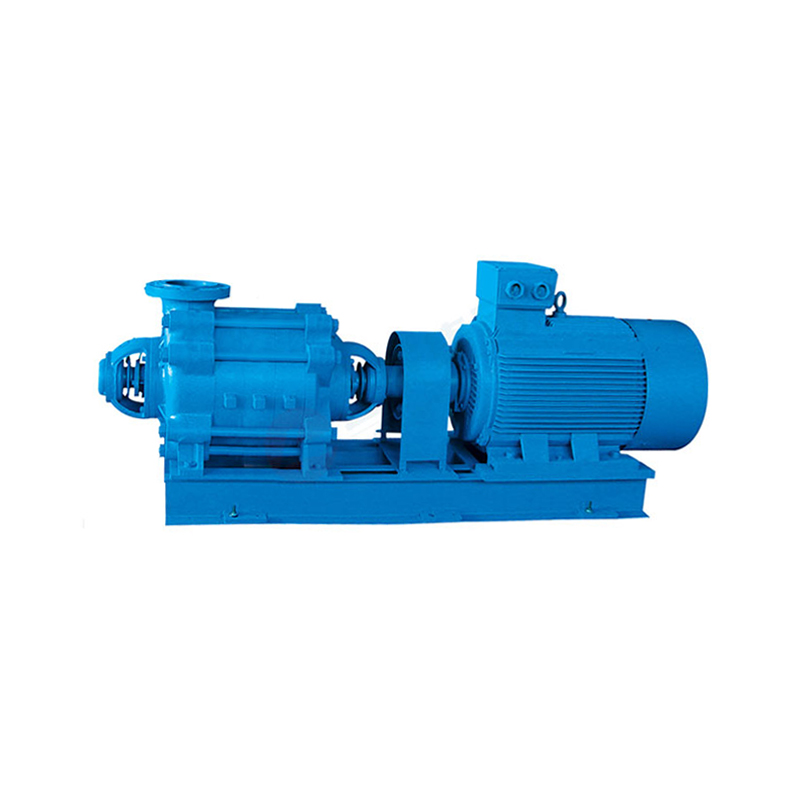 Wear-Resistant Multi-Stage Mining Centrifugal Pump for High HeadDesigned for long tailings pipelines, this multi-stage pump builds high pressure in a compact footprint. Its wear-resistant construction is crucial for abrasive slurries, as wear in one stage affects hydraulic balance.View Product →
The right choice depends on the pipeline profile, available space for intermediate pump stations, and the operator's preferred maintenance strategy. For a complete overview of pumps suited to mining and mineral processing, review our industrial pumps for mining applications.
Material Selection and Wear Protection
Tailings pump wear concentrates in the impeller, volute liner, and suction or discharge throat bush. The two most common families of wear materials are white cast iron with around 25% chromium and natural rubber. High-chrome white iron is preferred when the slurry contains coarse or high-impact particles. Natural rubber works best with fine slurries and offers excellent resistance to both sliding abrasion and corrosive process water. In some tailings applications, ceramic-lined components are used for extremely fine abrasive slurries, although ceramic parts need careful handling and are more sensitive to impact.
- High-chrome white iron: good for coarse, high-impact slurries
- Natural rubber: best for fine slurries under 1 mm and corrosive pH conditions
- Ceramic lining: for extreme sliding abrasion with low impact loads
Common Failure Modes and How to Prevent Them
Field failures in tailings pumps usually fall into five categories.
- Excessive wear: high slurry velocity, coarse solids, or a material mismatch with the abrasive feed.
- Cavitation: insufficient NPSH, excessive suction lift, or running at low flow against a high head.
- Blockage: large particles, settled slurry, or foreign material obstructing the suction passage.
- Seal leakage: solids entering the gland area of a packed seal or flushing water failure.
- Bearing failure: contamination, misalignment, or operating a pump while the casing is partially air-bound.
Prevention follows directly from these causes. Maintain adequate suction head and avoid throttling beyond the pump's stable range. Use a minimum flow recirculation line if the discharge can be closed for long periods. During planned outages, inspect the impeller and lining to identify the dominant wear pattern and correct it before it causes a catastrophic leak. Monitoring flow, head, and motor current is the simplest way to detect wear and blockages before they turn into expensive failures.
Operational and Maintenance Practices
Even a correctly selected tailings pump will fail early if it operates outside its design window. Start the pump with a flushed suction line and stable feed density. Establish a starting and stopping sequence that avoids drawing a full column of settled solids into the pump. Use a variable speed drive to match pump output to variable tailings flow, but do not run continuously at the far right of the pump curve where wear accelerates rapidly. Schedule regular inspections of impeller and liner thickness, and replace wear parts before the casing is exposed. For a practical maintenance checklist, read our article on ensuring efficient operation of industrial slurry pumps.
Tailings pump reliability comes from matching the pump design to the full range of slurry conditions, choosing the right wear protection, and building a maintenance routine around the actual wear pattern. Start with solids concentration and particle size, then work through system head, pump speed, and material selection. A pump with better wear resistance and a slightly higher initial cost is usually the economical choice over a ten-year service life compared with a low-cost pump that fails in two seasons.
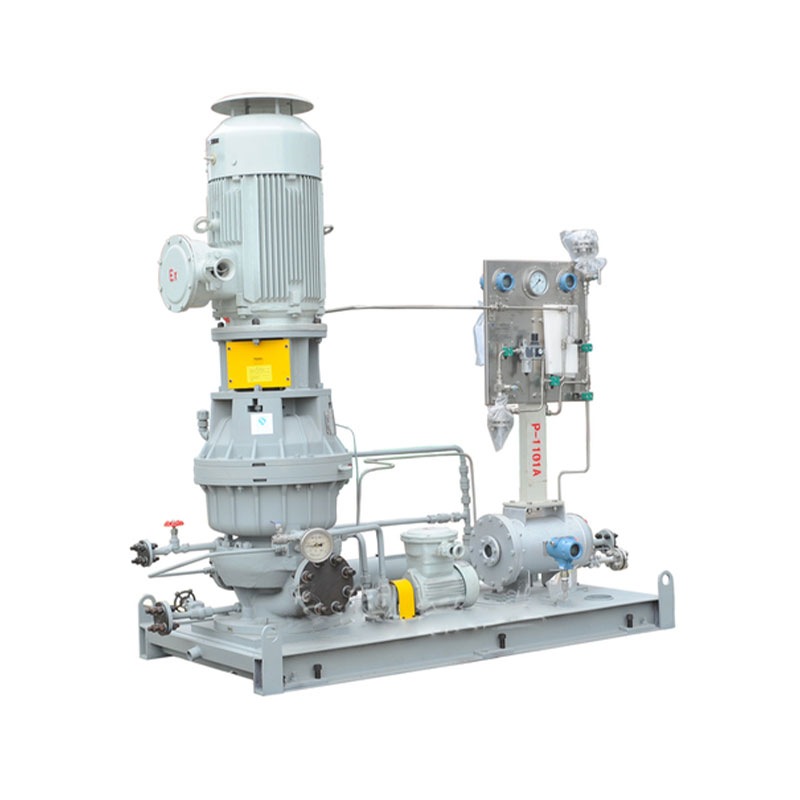
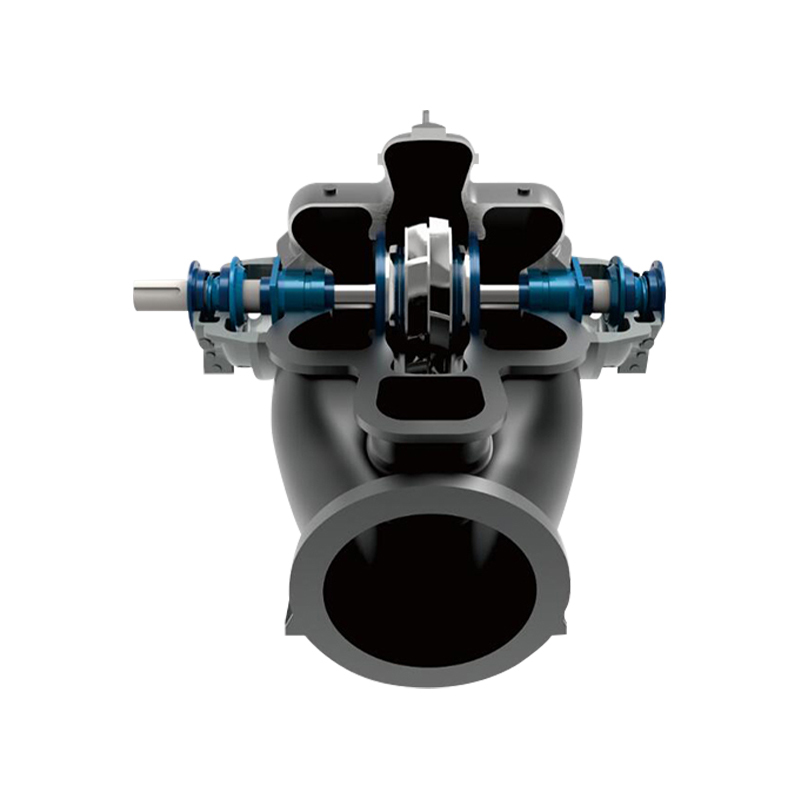
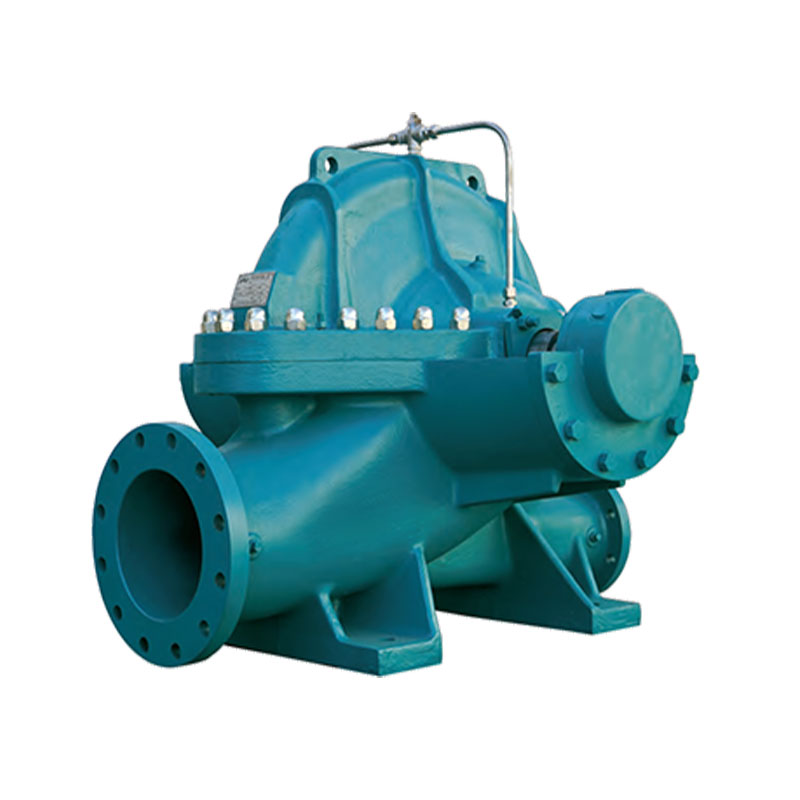
.jpg "Axially Split Horizontal Multistage Pump")


 ENG
ENG

 TOP
TOP