

 inquiry Now

 English
 русский
 عربى
عربى
Ensuring the efficient operation of industrial slurry pumps is crucial for optimizing productivity and minimizing costly downtime in industries like mining, wastewater treatment, and chemical processing. Slurry pumps are designed to handle abrasive and corrosive materials, making them particularly susceptible to wear and tear. Therefore, understanding how to maintain and optimize these pumps is essential for ensuring long-term performance.
1. Proper Selection of Pump and Components
The first step in ensuring the efficient operation of an industrial slurry pump is choosing the right pump and components. Slurry pumps come in various designs, such as centrifugal and positive displacement pumps, each suited for different applications. Centrifugal slurry pumps are commonly used due to their ability to handle large volumes of slurry at moderate pressures. However, for more specific applications, such as pumping highly viscous or non-Newtonian slurries, positive displacement pumps may be more appropriate.
When selecting a pump, it’s critical to consider factors like the slurry’s flow rate, particle size, and viscosity. For example, if your slurry contains large or abrasive particles, you may need a pump with heavy-duty components like hardened impellers or rubber-lined casings. Material compatibility is also essential to avoid corrosion or chemical degradation, especially in industries that deal with harsh chemicals. By choosing a pump that matches the specific requirements of your application, you can significantly reduce the risk of pump failure and improve overall efficiency.
2. Optimal Pump Operation
Once the pump is selected, it’s important to operate it within the optimal parameters to ensure its efficiency. This involves maintaining the correct flow rate, avoiding cavitation, and operating within the recommended pressure ranges. When the pump is running at the correct flow rate, it performs optimally, and the energy consumption remains efficient. Operating the pump under or over its designed flow rate can lead to inefficiency, increased wear, and possible overheating.
Cavitation is one of the most common causes of slurry pump failure. This phenomenon occurs when the pressure inside the pump drops below the vapor pressure of the slurry, causing the formation of vapor bubbles. When these bubbles collapse, they generate shockwaves that can damage the pump’s internal components, leading to performance issues and costly repairs. To prevent cavitation, ensure that the pump has a sufficient suction head, avoid running the pump dry, and make sure the inlet pressure is stable.
Key Factors to Ensure Optimal Pump Operation
| Factor | Description | Recommended Action |
|---|---|---|
| Flow Rate | Affects the efficiency of the pump and energy consumption. | Operate at 70-80% of the pump’s maximum flow rate. |
| Cavitation | Occurs when the pressure drops too low, damaging the pump. | Ensure correct suction pressure and avoid low inlet pressure. |
| Pump Speed | Impacts wear and tear. | Use Variable Frequency Drives (VFDs) to adjust speed based on demand. |
| Pump Pressure | Excessive pressure can increase energy usage and wear. | Maintain within the design specifications to reduce strain. |
By consistently monitoring these factors and ensuring the pump operates within its optimal parameters, you can improve efficiency and reduce unnecessary strain on the system.
3. Regular Maintenance and Monitoring
Routine maintenance is essential to keep slurry pumps running efficiently. Regular inspections help identify wear and potential issues before they cause significant damage. One of the first things to check is the impeller, which is typically the most affected by abrasive slurries. Look for signs of erosion or cracking, as this can drastically reduce pump efficiency. Likewise, inspecting the pump casing for signs of corrosion or wear is crucial. If any components show significant damage, replacing them before further degradation occurs is a cost-effective strategy.
Monitoring the pump’s performance is another critical step in ensuring efficiency. This involves using instruments such as flow meters, pressure gauges, and vibration sensors to monitor the pump’s health in real-time. Anomalies in readings, such as pressure drop or excessive vibrations, should be investigated immediately. Implementing condition monitoring systems can help identify early signs of wear, cavitation, or misalignment, which can then be addressed before they lead to a major failure.
4. Correct Pump Alignment
Misalignment between the pump and its motor is a common cause of reduced efficiency and premature failure. When the pump shaft and motor shaft are not properly aligned, it can lead to vibrations, overheating, and increased wear on bearings. Misalignment can also cause the pump to operate under higher loads, which can reduce its performance and lead to inefficiency.
To ensure correct alignment, regularly check the shaft alignment using alignment tools or laser alignment systems. Any deviation from the proper alignment should be corrected immediately to prevent long-term damage. Furthermore, ensure that the pump coupling is in good condition and properly secured to avoid additional strain on the system.
5. Ensure Proper Seal and Bearing Maintenance
Slurry pumps are particularly vulnerable to seal and bearing wear due to the abrasive and often corrosive nature of the slurries they handle. A failure in the sealing system can result in leaks, leading to slurry contamination, loss of pressure, and potential system shutdown. Similarly, poorly maintained bearings can fail prematurely, causing misalignment and excessive friction that decreases pump efficiency.
To minimize these issues, regularly inspect seals for signs of wear or damage and replace them promptly. Additionally, ensure that the bearings are properly lubricated to reduce friction. In high-wear applications, consider using mechanical seals and ceramic bearings for better durability.
6. Manage Pump Temperature
Overheating is another factor that can reduce the efficiency of slurry pumps. Pumps that run at excessively high temperatures are more prone to wear, corrosion, and energy inefficiency. The cause of overheating can often be traced to insufficient lubrication, running the pump without slurry, or operating at too low a flow rate.
To prevent overheating, monitor the pump’s operating temperature and ensure that adequate cooling or lubrication is provided. If the pump temperature exceeds the recommended limits, adjust the operation parameters, increase flow, or improve cooling mechanisms to bring the temperature back to safe levels.
7. Addressing Wear and Tear
Given the abrasive nature of slurry, wear and tear are inevitable. However, timely replacement of worn components can help extend the life of the pump. The impeller and liner are two parts that commonly suffer from wear. Replacing these components when wear is detected will ensure that the pump continues to operate efficiently without losing performance.
Additionally, using wear-resistant materials, such as hard alloys or rubber linings, can significantly reduce the rate of wear in high-abrasion applications. These materials can protect critical components from damage and help maintain pump performance over time.
FAQ
Q1: How often should industrial slurry pumps be maintained?
A1: The maintenance frequency depends on the specific application and slurry characteristics. However, a general guideline is to perform a thorough inspection every 3-6 months, with more frequent checks for high-wear components like impellers and seals.
Q2: Can I operate my slurry pump at any flow rate?
A2: No. Operating at flow rates outside of the pump’s design range can cause inefficiency, excessive wear, or even damage to the pump. It is recommended to operate within 70-80% of the pump’s maximum flow capacity.
Q3: What causes cavitation in slurry pumps, and how can I prevent it?
A3: Cavitation occurs when the pressure in the pump drops below the vapor pressure of the slurry, leading to bubble formation. To prevent cavitation, ensure the pump has adequate suction pressure, avoid low inlet pressures, and maintain proper flow rates.
References
- Holland, P. (2019). Slurry Pumping Handbook: A Guide to the Selection and Operation of Slurry Pumps. Elsevier.
- Smith, R. (2020). Industrial Pumps: Principles and Applications. McGraw-Hill Education.
- Jones, M. & Turner, J. (2018). “Slurry Pumping: Wear and Maintenance.” Journal of Fluid Engineering, 140(2), 021001.
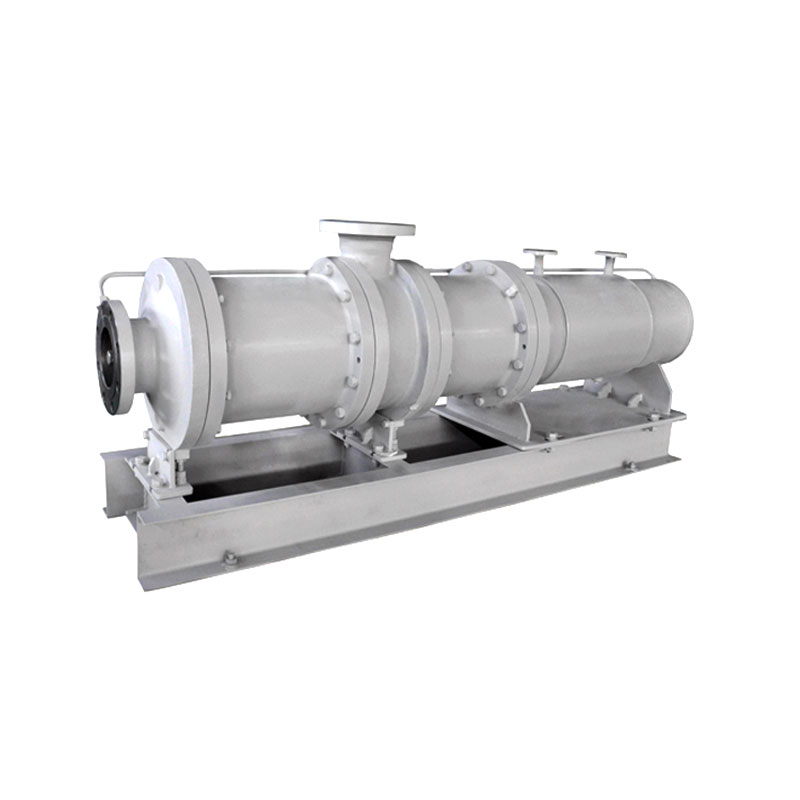
.jpg "Axially Split Horizontal Multistage Pump")


 ENG
ENG

 TOP
TOP