

 inquiry Now

 English
 русский
 عربى
عربى
Pressure vessels are specialized containers that are engineered to hold liquids or gases at pressures significantly higher than the surrounding atmospheric pressure. They are vital for a wide range of industries, from oil and gas to chemical processing, power generation, and even food production. Their role in safely storing and transporting high-pressure fluids cannot be overstated.
1. Pressure Containment: The Core Function
The primary function of a pressure vessel is to contain fluids under high pressure without allowing them to escape or cause failure. Inside the vessel, the pressure of the fluid exerts force on the walls, and this force must be counteracted to prevent the vessel from bursting. The internal pressure is typically much higher than the atmospheric pressure outside, and without the proper design, this pressure can lead to disastrous results.
Pressure vessels are often used in industries where pressurized liquids or gases are stored or transported, such as in the chemical, petrochemical, and energy sectors. To ensure that the vessel can safely hold these fluids, the material used for construction must be robust enough to withstand the internal pressure and any external forces it may face during operation.
The thickness of the vessel’s walls plays a crucial role in its ability to withstand pressure. Engineers calculate the optimal thickness based on various factors such as the fluid’s properties, temperature, pressure levels, and the vessel’s dimensions. This calculation helps determine the strength of the vessel’s walls and ensures that they can handle the expected internal forces without failing.
2. Design Considerations for Safety
The design of a pressure vessel is critical for ensuring that it can safely contain the high-pressure fluids inside. Engineers must consider various factors such as the type of fluid, the operating pressure and temperature, and the potential risks associated with the vessel’s usage. The design must also comply with industry codes and standards, such as the ASME Boiler and Pressure Vessel Code, to ensure the highest levels of safety and performance.
Key design features include:
-
Wall Thickness and Reinforcement: Pressure vessels are designed with thicker walls in areas that are subject to higher stress, such as the top, bottom, and near any openings like nozzles and ports. Reinforcements may be added to prevent failure due to excessive pressure buildup.
-
Shape: Most pressure vessels are cylindrical or spherical in shape. These shapes help distribute pressure evenly across the surface of the vessel, reducing the likelihood of weak spots. Spherical vessels are particularly effective at handling high internal pressures due to their ability to evenly distribute stress.
-
Heads and End Caps: The ends of pressure vessels often have domed or dished heads, which help prevent pressure concentration at the vessel’s ends. These shapes are specifically designed to reduce stress and improve the vessel’s strength under high pressure.
Below is a table summarizing the types of pressure vessel shapes and their benefits:
| Shape | Description | Advantages |
|---|---|---|
| Cylindrical | Long, tube-like shape with circular ends. | Best for even pressure distribution, cost-effective. |
| Spherical | Rounded shape with equal radii in all directions. | Most efficient for high-pressure applications, minimizes stress concentrations. |
| Conical | Tapered shape with wide opening and narrow base. | Often used for pressure relief; good for low to moderate pressures. |
The specific shape and reinforcement used depend on the pressure levels, fluid properties, and intended use of the vessel. By following these design principles, pressure vessels are capable of withstanding the extreme forces generated by high-pressure fluids.
3. Pressure Relief Systems
Despite meticulous design and robust materials, pressure vessels are still vulnerable to overpressure situations, where the internal pressure exceeds the vessel’s rated capacity. This could result from a sudden influx of fluid, an equipment malfunction, or external environmental changes. To protect the vessel from catastrophic failure, pressure relief systems are an essential safety feature.
There are two main types of pressure relief mechanisms used in pressure vessels: pressure relief valves (PRVs) and rupture discs.
-
Pressure Relief Valves (PRVs): PRVs are designed to open when the pressure inside the vessel exceeds a predetermined threshold. Once opened, the valve allows fluid or gas to escape, reducing the internal pressure and preventing further buildup. PRVs are adjustable, making them suitable for vessels operating under fluctuating pressures.
-
Rupture Discs: Unlike PRVs, rupture discs are designed to fail when a set pressure is reached. The disc bursts, creating an opening through which the fluid or gas can escape. While rupture discs are a one-time safety feature and cannot be reset, they are often used in applications where high-speed relief is necessary.
In both cases, these safety devices help to avoid dangerous overpressurization by providing an escape route for the excess pressure, preventing potential damage to the vessel.
| Safety Mechanism | Function | Advantages |
|---|---|---|
| Pressure Relief Valves (PRVs) | Opens to release excess pressure. | Adjustable, can be used multiple times, ideal for fluctuating pressures. |
| Rupture Discs | Bursts to allow rapid pressure release. | Quick response, simple, effective for high-risk applications. |
4. Inspection and Maintenance Protocols
Even with robust design and pressure relief systems, regular inspection and maintenance are critical to ensuring the continued safe operation of pressure vessels. Over time, pressure vessels can experience wear, corrosion, and fatigue, which can compromise their structural integrity. Regular inspection helps identify potential issues before they become serious problems.
Common inspection methods include visual checks for corrosion or damage, as well as non-destructive testing (NDT) techniques such as ultrasonic testing, radiographic testing, and magnetic particle inspection. These methods allow inspectors to detect internal defects that might not be visible to the naked eye.
-
Hydrostatic Testing: Before being put into service, pressure vessels undergo hydrostatic testing. This involves filling the vessel with water and pressurizing it beyond the normal operating pressure to ensure it can withstand higher pressures without leaking or failing.
-
Regular Monitoring: Pressure vessels are equipped with gauges and sensors that monitor internal pressure, temperature, and fluid levels. These instruments help operators detect any deviations from normal operating conditions, allowing for prompt intervention if necessary.
-
Scheduled Maintenance: Pressure vessels are often subjected to periodic maintenance schedules, which include cleaning, testing, and replacement of safety components like relief valves or gaskets. These measures extend the lifespan of the vessel and prevent sudden failures.
5. Corrosion and Fatigue Resistance
Pressure vessels operate in harsh environments where factors like corrosion, temperature fluctuations, and repeated pressurization cycles can lead to wear and tear over time. To combat these issues, engineers must select materials that are resistant to corrosion and fatigue, ensuring the vessel remains functional for its intended lifespan.
For example, stainless steel is commonly used for pressure vessels because of its excellent corrosion resistance, particularly in the presence of chemicals or moisture. In certain cases, composite materials like fiberglass-reinforced plastic (FRP) may be used for their lightweight and corrosion-resistant properties.
- Fatigue Resistance: Pressure vessels are subjected to repeated pressurization and depressurization cycles. This repeated stress can lead to material fatigue, which may cause cracks or fractures over time. To mitigate this risk, engineers carefully select materials with high fatigue resistance and design the vessel to minimize stress concentrations.
Maintaining resistance to both corrosion and fatigue is essential for ensuring the longevity and safe operation of pressure vessels, particularly in industries where the consequences of failure could be catastrophic.
FAQ
1. What types of fluids are commonly stored in pressure vessels?
Pressure vessels are used to store a wide range of fluids, including gases like hydrogen, oxygen, and nitrogen, as well as liquids such as water, oil, and chemicals.
2. How often should pressure vessels be inspected?
The inspection frequency depends on the specific application and the regulatory requirements of the industry. However, most vessels are inspected annually, with hydrostatic tests conducted every few years.
3. Can a pressure vessel fail without warning?
Pressure vessels are designed with multiple safety features, including pressure relief valves and rupture discs, to prevent failure. However, improper maintenance or overpressure conditions can still lead to failure if not monitored.
References
- ASME Boiler and Pressure Vessel Code (BPVC). American Society of Mechanical Engineers.
- “Pressure Vessel Design Manual” by Dennis R. Moss.
- “Design and Analysis of Pressure Vessels” by John F. Schilling.
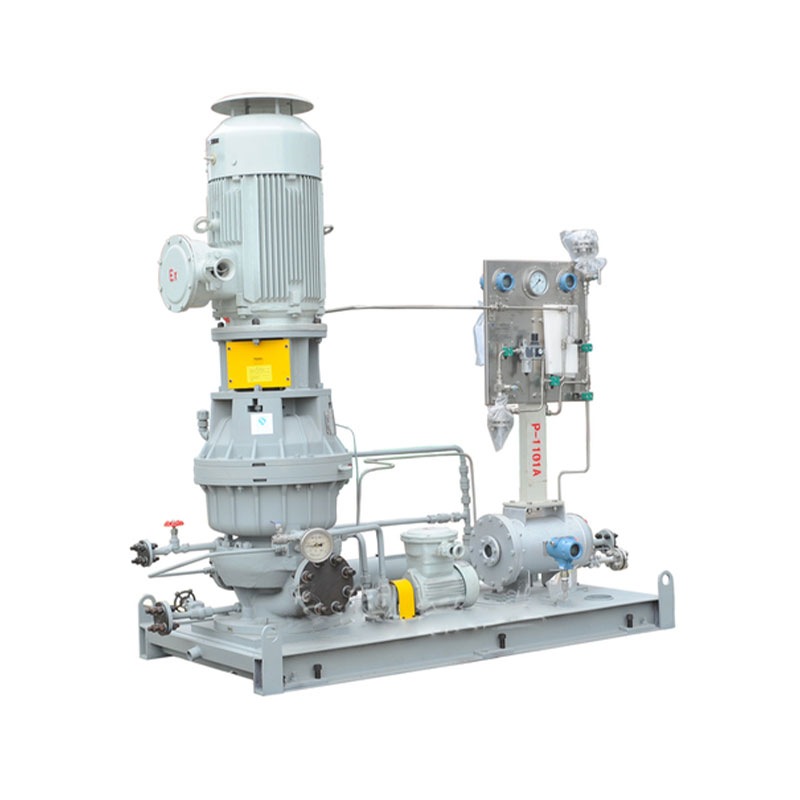
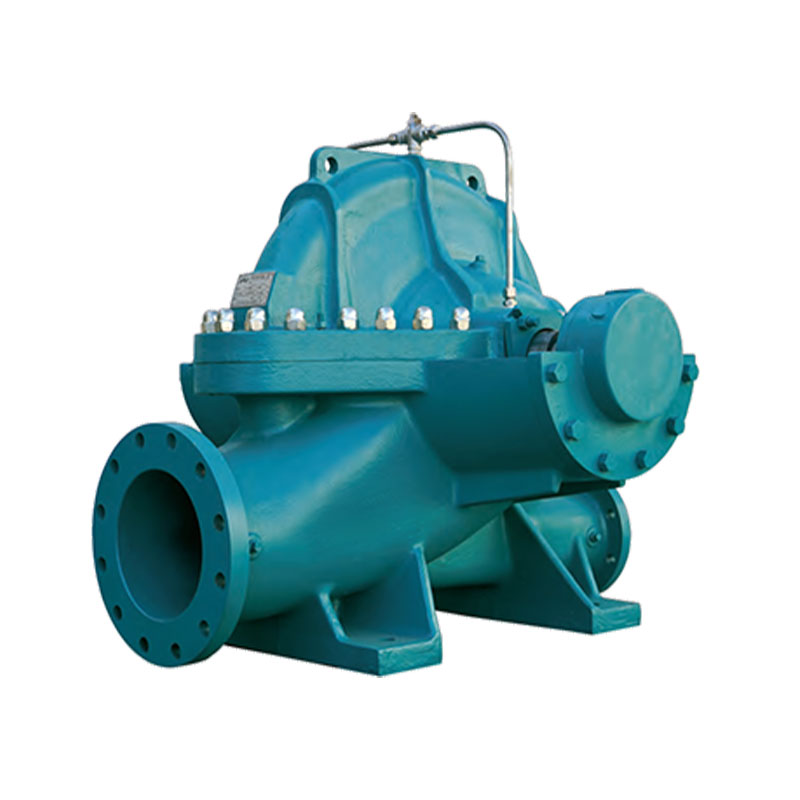
.jpg "Axially Split Horizontal Multistage Pump")


 ENG
ENG

 TOP
TOP