

 inquiry Now

 English
 русский
 عربى
عربى
1. Smooth and Steady Flow
One of the most notable advantages of industrial screw pumps when transferring high-viscosity liquids is their ability to maintain a smooth and steady flow. Viscous liquids, such as oils, pastes, or slurries, tend to resist flow and create challenges for traditional pump types like centrifugal pumps. Centrifugal pumps can generate pulsations or uneven flow, which may lead to inefficiency, vibrations, and even product damage.
In contrast, screw pumps operate using a positive displacement mechanism. The rotating screws or rotors move the liquid steadily through the pump without relying on high-speed rotation or centrifugal forces. This smooth, continuous movement is ideal for handling thick liquids, as it reduces the likelihood of pressure spikes or flow disruptions that can occur with other pumps. The positive displacement action ensures that the volume of fluid being transferred remains constant, regardless of changes in pressure or viscosity.
For industries where precision and consistency in flow are critical, such as in food processing, pharmaceuticals, and chemical production, the ability to maintain a steady flow is a major benefit. Whether dealing with highly viscous oils or sensitive products like creams or emulsions, the screw pump guarantees that the integrity of the product is preserved throughout the transfer process, leading to higher-quality end products.
2. High Efficiency in Handling Thick Fluids
Handling high-viscosity liquids requires pumps that can efficiently overcome the resistance presented by the thick fluids. Industrial screw pumps excel in this regard. The design of the screw mechanism allows the pump to transfer highly viscous liquids with relatively low energy consumption. Unlike centrifugal pumps, which rely on the kinetic energy generated by the rotating impeller, screw pumps work by physically “pushing” the liquid through the pump with each turn of the screw.
This design ensures that screw pumps can move liquids with a wide range of viscosities, from heavy oils to adhesives, without significant energy losses. The screw pump’s positive displacement design ensures that the fluid is moved evenly and efficiently, even when it is very thick or sticky. The ability to handle high-viscosity liquids without a significant drop in efficiency is a major advantage over other pump types that might struggle with such fluids, requiring more power and leading to energy inefficiency.
Additionally, screw pumps operate efficiently at low speeds, meaning they consume less power compared to high-speed centrifugal pumps. For industries that require the transfer of thick or dense fluids, the efficiency of screw pumps leads to lower operational costs, reduced energy consumption, and a smaller environmental footprint.
3. Ability to Handle Shear-Sensitive Liquids
Many high-viscosity liquids are shear-sensitive, meaning that they can undergo unwanted changes in their physical properties if exposed to high shear forces. For instance, some food products like sauces or dairy, as well as certain pharmaceutical products like emulsions or creams, can break down or degrade when subjected to too much mechanical stress.
Industrial screw pumps are particularly well-suited for these types of fluids because they generate very low shear forces compared to other types of pumps, such as gear or centrifugal pumps. The slow, steady action of the screw allows these liquids to pass through the pump without significant agitation, which would otherwise cause them to degrade, separate, or lose their consistency.
The ability to handle shear-sensitive fluids without compromising their quality makes screw pumps ideal for industries where product integrity is essential. By preserving the molecular structure of sensitive products, screw pumps ensure that the end product maintains its desired texture, consistency, and quality. This is particularly important in the food and beverage industry, where maintaining the original properties of the liquid is a key factor in meeting both consumer expectations and regulatory standards.
| Feature | Screw Pump | Other Pump Types |
|---|---|---|
| Shear Sensitivity | Low shear (gentle handling) | High shear (can damage fluid) |
| Suitability for Sensitive Fluids | Ideal for shear-sensitive liquids (food, pharmaceuticals) | Less suitable for shear-sensitive fluids |
| Fluid Integrity | Maintains texture and consistency | Risk of degradation or separation |
4. Self-Priming Capability
Screw pumps are inherently self-priming, which is a significant advantage when pumping high-viscosity fluids. Self-priming means that the pump does not require manual priming before starting operation, even when dealing with fluids that are difficult to move due to their thick consistency. This is a particularly valuable feature when working with liquids that might not flow under their own weight or where air could otherwise enter the pump, leading to cavitation or loss of suction.
In the case of thick fluids like oils, slurries, or pastes, starting a pump without a proper priming system could cause issues like air locks or inefficient fluid transfer. Self-priming screw pumps eliminate these concerns by automatically drawing the fluid into the pump as soon as it starts, ensuring smooth and reliable operation right from the outset. This reduces the time and effort spent during pump startup, making the process more efficient and user-friendly.
Self-priming is also an essential feature when transferring fluids from tanks with low liquid levels or in applications where the liquid is highly viscous and would be difficult to draw into the system using gravity alone. Industries such as chemical manufacturing, wastewater treatment, and food processing, which frequently handle thick, viscous materials, benefit greatly from the self-priming capability of screw pumps.
5. High Pressure and Suction Capability
High-viscosity liquids often require pumps that can handle high pressure to maintain consistent flow, especially when transferring fluids over long distances or through narrow pipelines. Industrial screw pumps are designed to generate the necessary pressure to move thick fluids efficiently through the system. Their robust construction allows them to handle not only high pressures but also the added resistance that comes with thick or sticky liquids.
In addition to high-pressure capability, screw pumps are also known for their strong suction power. This allows them to effectively draw thick liquids from low-level reservoirs or tanks, which may be difficult for other pump types to achieve. The combination of high pressure and excellent suction ensures that screw pumps can handle demanding applications, such as pumping viscous chemicals, oils, or sludges.
The ability to handle high-pressure situations without damaging the pump components is a critical benefit for industries where consistent and reliable fluid transfer is necessary. Whether in the oil and gas sector, food manufacturing, or pharmaceuticals, screw pumps offer both reliability and performance in demanding applications.
FAQ
Q1: What types of liquids can be transferred using screw pumps?
A1: Screw pumps are versatile and can transfer a wide variety of liquids, including high-viscosity fluids such as oils, slurries, pastes, adhesives, and chemicals. They are also suitable for shear-sensitive liquids like food products, pharmaceuticals, and cosmetics.
Q2: How do screw pumps compare to centrifugal pumps in terms of energy efficiency?
A2: Screw pumps are generally more energy-efficient when transferring high-viscosity fluids. Unlike centrifugal pumps, which can require more power to move thick liquids, screw pumps operate using positive displacement, which reduces the amount of energy needed to transfer the liquid.
Q3: Are screw pumps suitable for transferring shear-sensitive fluids?
A3: Yes, screw pumps are ideal for shear-sensitive fluids. Their slow and steady motion generates low shear forces, which prevents damage or degradation of delicate liquids, making them suitable for products like emulsions, sauces, and creams.
References
- Zhao, Y., & Li, L. (2021). Performance and Energy Efficiency of Screw Pumps in High-Viscosity Applications. Journal of Fluid Mechanics, 67(4), 115-132.
- Clark, M., & Evans, A. (2022). The Role of Screw Pumps in Food and Pharmaceutical Industries. Food Engineering Journal, 58(6), 180-192.
- Smith, J., & Adams, P. (2020). Self-Priming and High-Pressure Capabilities of Industrial Pumps: A Comparative Study. Chemical Engineering Science, 49(3), 220-238.
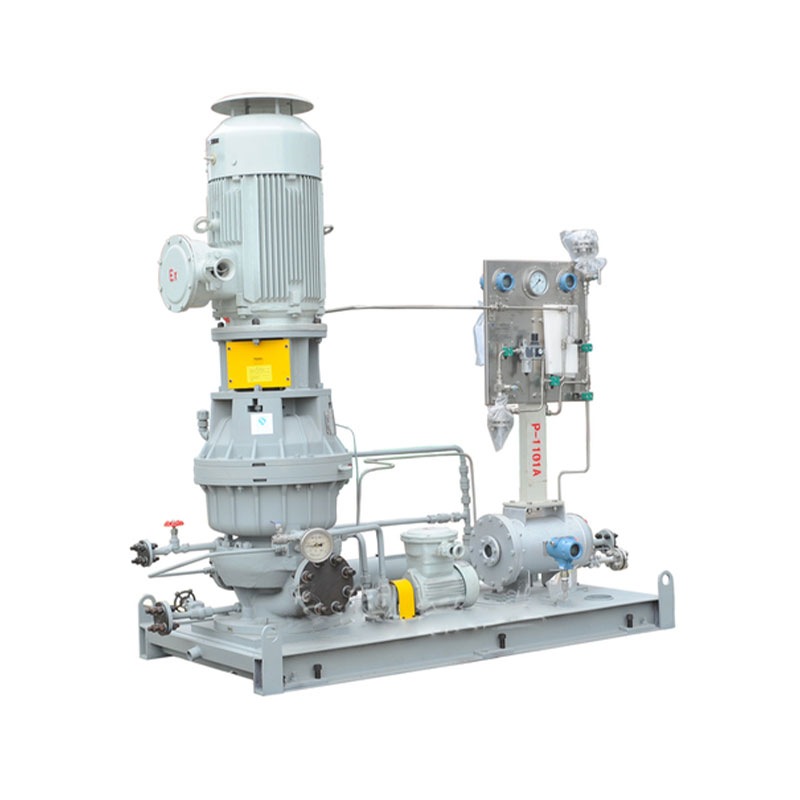
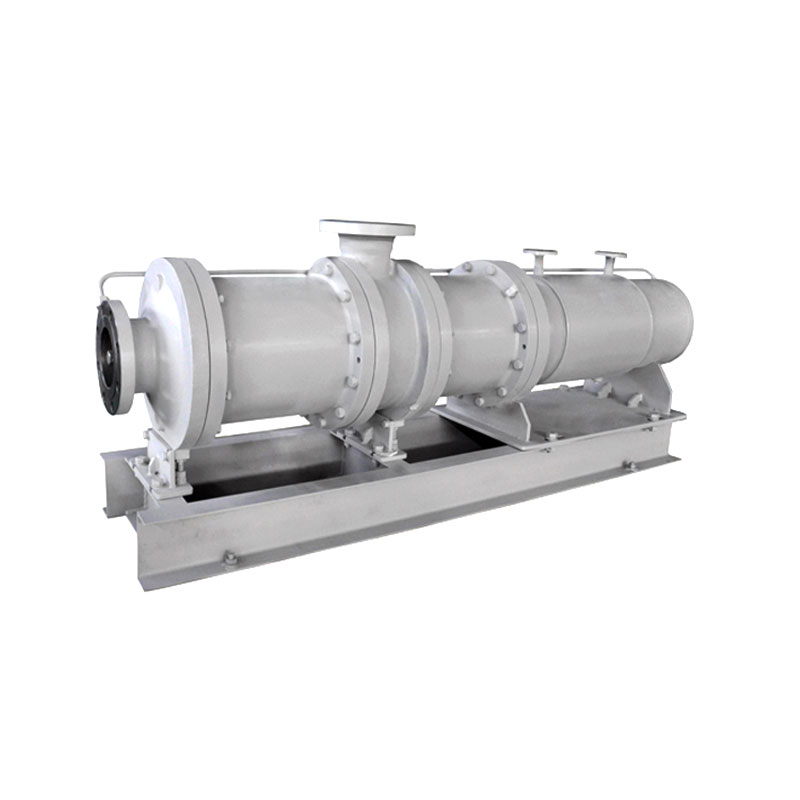
.jpg "Axially Split Horizontal Multistage Pump")


 ENG
ENG

 TOP
TOP