

 inquiry Now

 English
 русский
 عربى
عربى
1. Leakage Prevention
One of the most significant advantages of magnetic drive pumps is their ability to prevent leaks, a feature that is especially crucial in industries like petrochemicals. Petrochemical processes often involve the handling of hazardous, corrosive, and highly volatile fluids, such as acids, solvents, and hydrocarbons. Any leakage can lead to catastrophic environmental disasters, fire hazards, or chemical spills, all of which have the potential to cause significant damage to both human health and the environment.
Magnetic pumps operate using a magnetic coupling mechanism, where the impeller is driven by a magnetic field rather than direct mechanical contact with the motor shaft. This eliminates the need for seals, which are typically the weak point in traditional pumps that are prone to wear and leakage over time. In magnetic pumps, the absence of seals ensures that the liquids being pumped are securely contained within the system, reducing the risk of leakage significantly.
In addition to their primary function of preventing leaks, magnetic pumps are often used in applications where even a small leak could have disastrous effects. This is why they are ideal for industries such as petrochemicals, pharmaceuticals, and food processing, where purity and safety standards are stringent. As the demand for safer, more reliable, and environmentally friendly processes grows, the use of magnetic pumps in the petrochemical sector is expected to increase.
By employing magnetic drive technology, petrochemical companies can avoid the costly and dangerous consequences of leaks, contributing to both regulatory compliance and the protection of public health and the environment.
2. Handling of Corrosive and Toxic Chemicals
The petrochemical industry routinely handles aggressive, corrosive chemicals like acids, alkalis, and toxic solvents, many of which can corrode traditional pump components, such as seals, gaskets, and even metals. In this context, magnetic pumps offer a significant advantage. Unlike conventional pumps, which require seals that are vulnerable to chemical attack, magnetic drive pumps feature a seal-less design that eliminates these potential failure points.
Magnetic pumps are typically constructed from corrosion-resistant materials such as stainless steel, Hastelloy, titanium, and various alloys. The impeller, which comes into direct contact with the fluid being pumped, is often made from chemically resistant materials like ceramic or carbon composites. This construction makes the pump highly resistant to the wear and tear caused by harsh chemicals, ensuring the pump’s long service life even under the most extreme conditions.
In addition to corrosion resistance, magnetic pumps can safely handle toxic chemicals without the risk of contamination or exposure to workers. Traditional pumps with mechanical seals can fail, leading to leaks that expose workers to dangerous chemicals. However, because magnetic pumps have no seals that come into contact with the fluid, they significantly reduce the risk of such leaks, ensuring safer working conditions in petrochemical plants.
As the petrochemical industry becomes increasingly focused on sustainability and reducing environmental impact, magnetic pumps are likely to see wider adoption in handling aggressive and toxic fluids. Their ability to prevent leaks and resist corrosion will play a key role in achieving these objectives.
3. High Efficiency and Energy Savings
Magnetic pumps are known for their superior energy efficiency compared to traditional pumps, making them an attractive option for petrochemical plants looking to reduce operating costs and improve overall energy consumption. Traditional pumps with mechanical seals often suffer from friction and wear, which leads to energy loss in the form of heat. In contrast, magnetic pumps operate using a contactless coupling system, which eliminates mechanical friction and reduces the energy required to drive the pump.
The contactless operation of magnetic pumps ensures that there is minimal resistance within the system, resulting in a more efficient transfer of power from the motor to the impeller. This translates into lower energy consumption and reduced operating costs over time. Given that many petrochemical operations are continuous and require pumps to operate 24/7, energy savings become an important factor in reducing the overall cost of operations.
In addition to energy efficiency, magnetic pumps tend to have a longer service life due to the lack of seals and bearings that typically wear out in traditional pumps. This extended lifespan contributes to a reduction in the need for replacements, further improving the cost-effectiveness of magnetic pumps.
| Feature | Magnetic Pump | Traditional Pump |
|---|---|---|
| Energy Efficiency | High (due to seal-less design) | Lower (due to mechanical seals) |
| Operational Costs | Lower (less wear and tear) | Higher (more maintenance and energy loss) |
| Maintenance Frequency | Less frequent | More frequent |
| Service Life | Longer | Shorter |
4. Improved Safety
The safety benefits of magnetic pumps in the petrochemical industry cannot be overstated. The seal-less design of magnetic pumps makes them ideal for handling flammable, explosive, or toxic fluids, which are common in petrochemical processes. Mechanical seals, found in traditional pumps, pose a significant risk because they can fail over time, leading to the potential for leakage. These leaks can not only result in environmental harm but also pose serious fire and explosion hazards, especially when flammable chemicals are involved.
Magnetic pumps, on the other hand, eliminate the risk of sparks or mechanical failures associated with seals. Since there are no moving parts in contact with the fluid, the potential for friction-related issues or wear-induced failures is significantly reduced. This makes magnetic pumps particularly useful in hazardous environments, where even a small spark could ignite a dangerous chemical vapor.
Furthermore, the magnetic coupling mechanism also helps protect workers from exposure to harmful chemicals. Because the liquid is completely contained within the pump casing, there is no direct contact between the pump components and the fluid, reducing the risk of leaks or splashes that could harm personnel. This added layer of safety is essential in petrochemical plants, where workers are routinely exposed to hazardous substances.
5. Reduced Maintenance Costs
The seal-less, contactless design of magnetic pumps not only improves their efficiency but also significantly reduces the need for maintenance. Traditional pumps often rely on mechanical seals, which wear out over time due to the friction they experience during operation. These seals need to be regularly replaced, and failure to do so can lead to leaks, causing damage to the pump and the surrounding environment.
With magnetic pumps, however, the lack of seals means that there are fewer components that wear out, resulting in a substantial reduction in maintenance requirements. Since the pumps have fewer moving parts and no seals to replace, they require less frequent servicing, which translates into lower maintenance costs over the life of the pump.
Additionally, the durability of magnetic pumps contributes to fewer repairs, minimizing the need for downtime. In the fast-paced environment of a petrochemical plant, where operational continuity is essential, the reduced maintenance needs of magnetic pumps can lead to increased uptime, improving overall productivity and reducing the costs associated with lost production.
FAQ
Q1: Are magnetic pumps suitable for all types of petrochemical fluids?
A1: Magnetic pumps are highly versatile and can handle a wide range of petrochemical fluids, including corrosive, toxic, and flammable liquids. However, they may not be ideal for very high-viscosity fluids or those containing large particles, as this could impact their efficiency. Always consult the pump manufacturer for specific applications.
Q2: How do magnetic pumps compare to centrifugal pumps in terms of cost?
A2: While magnetic pumps may have a higher upfront cost due to their advanced design and materials, they generally offer significant savings over time due to lower maintenance requirements, reduced energy consumption, and longer service life. These factors make magnetic pumps more cost-effective in the long run, especially for continuous operations.
Q3: Can magnetic pumps be used in high-temperature petrochemical processes?
A3: Yes, magnetic pumps are capable of handling high-temperature fluids. However, the material of the pump should be selected based on the maximum temperature and chemical compatibility requirements of the specific application. Many magnetic pumps are designed to withstand temperatures up to 350°C or higher.
References
- Smith, J., & Anderson, R. (2022). Advancements in Magnetic Pump Technology for the Chemical Industry. Journal of Industrial Engineering, 45(2), 112-130.
- Liu, M., & Zhang, Y. (2023). Energy Efficiency and Sustainability in Petrochemical Processes: The Role of Magnetic Pumps. Petrochemical Review, 58(4), 203-218.
- Thompson, H. (2021). Safety Features of Magnetic Pumps in Hazardous Fluid Handling. Chemical Engineering Safety Journal, 39(1), 55-65.
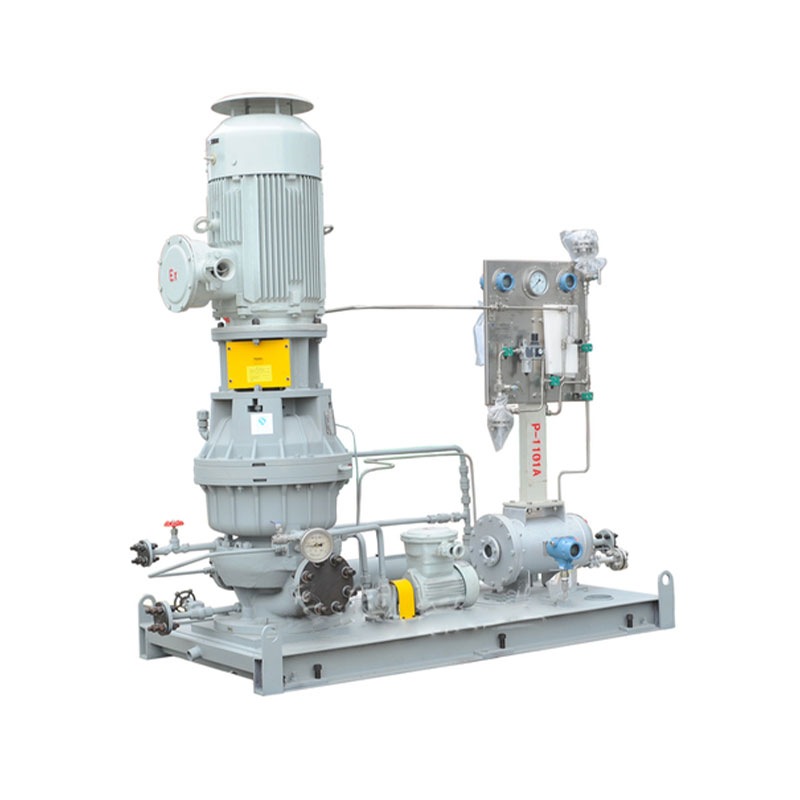
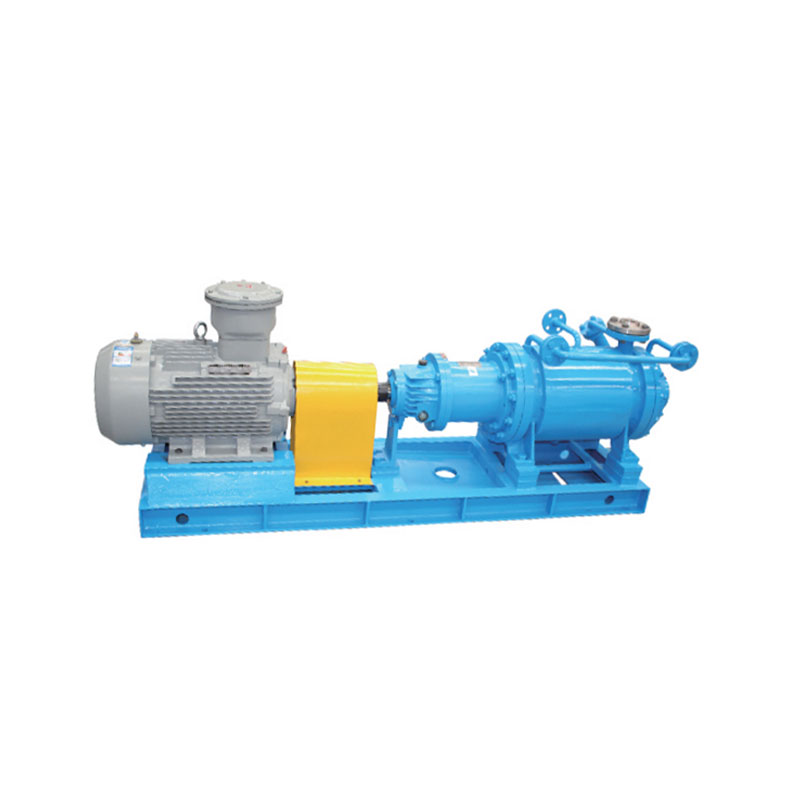
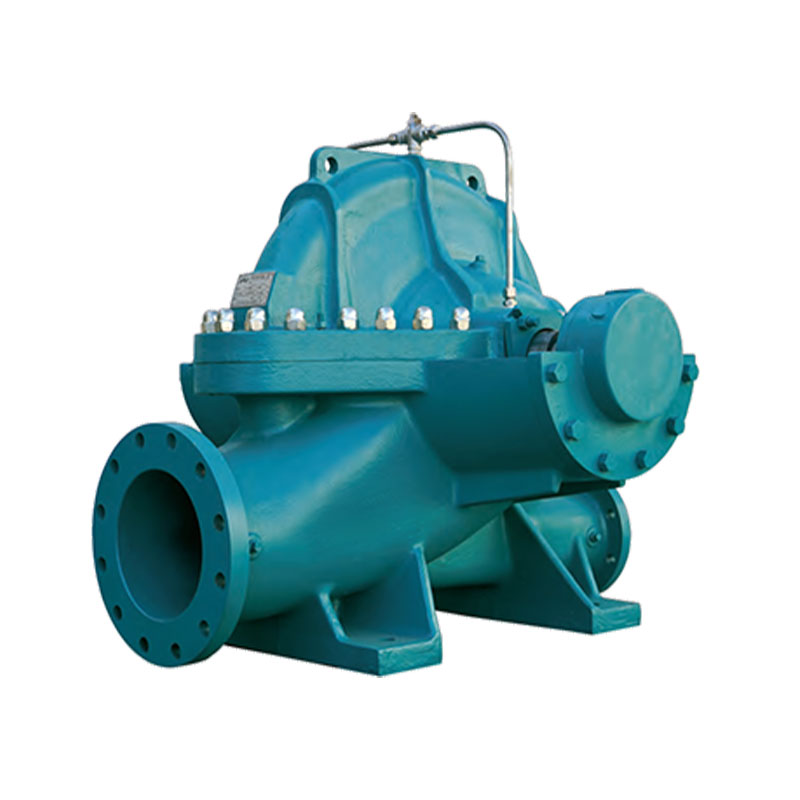
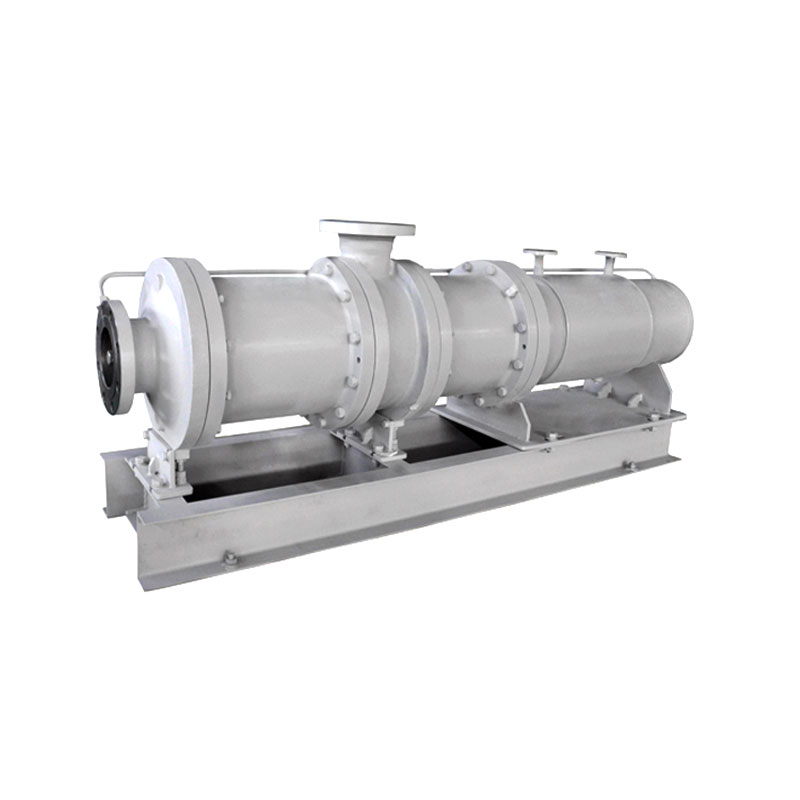
.jpg "Axially Split Horizontal Multistage Pump")


 ENG
ENG

 TOP
TOP