

 inquiry Now

 English
 русский
 عربى
عربى
When it comes to industrial fluid handling, choosing the right type of pump is crucial to ensuring efficiency, reliability, and cost-effectiveness. Among the various pump types available, industrial vortex pumps have gained significant attention due to their unique design and ability to handle challenging applications.
1. Efficient Handling of Solids and Slurries
One of the primary reasons to choose an industrial vortex pump is its ability to handle liquids that contain suspended solids or slurries. These pumps are specifically designed to manage challenging fluids, making them ideal for industries such as mining, wastewater treatment, and food processing.
-
How it works: The vortex design of the pump creates a swirling motion that helps keep the solid particles in suspension, preventing them from settling and clogging the system. This allows the pump to efficiently move both liquids and solids without experiencing the typical wear and tear that other pumps may face.
-
Impact on Operations: In industries where slurries or viscous liquids are common, using a vortex pump can prevent clogging issues and reduce the frequency of maintenance. This not only improves operational efficiency but also extends the lifespan of the pump.
2. Minimal Risk of Clogging and Blockages
Traditional pumps, especially centrifugal pumps, can easily become clogged when handling fluids with high concentrations of solids, debris, or other contaminants. Vortex pumps, on the other hand, are engineered to minimize this risk. Their design includes a volute (or spiral chamber) that channels fluid in a way that allows solids to pass through without getting caught.
-
How it works: The vortex pump uses a unique impeller design to create a centrifugal force that moves the liquid in a spiraling motion. This motion allows solids to be carried through the pump without getting stuck, thus significantly reducing the risk of clogging.
-
Impact on Operations: With a vortex pump in place, industries that deal with thick, debris-laden liquids, such as pulp and paper, mining slurry, or wastewater treatment, can expect fewer disruptions, less downtime, and reduced need for manual interventions to clear blockages.
3. Cost-Effective Solution for High-Volume Operations
Industrial vortex pumps are often more cost-effective in the long run compared to other types of pumps, particularly when handling fluids with high solids content or high viscosity. Their ability to efficiently move challenging fluids without clogging means they tend to have lower maintenance costs and longer service life, reducing the need for frequent repairs or replacements.
-
How it works: The robust design of vortex pumps ensures that they can handle abrasive and challenging materials without wearing down quickly. Additionally, their simple design with fewer moving parts reduces the likelihood of failure, making them less expensive to maintain and repair over time.
-
Impact on Operations: For industries that need to pump large volumes of liquid, vortex pumps offer a cost-effective solution. With less need for frequent maintenance and downtime, operational efficiency improves, ultimately lowering overall costs for the business.
4. Handling High-Viscosity Fluids with Ease
Industrial vortex pumps are highly effective in moving high-viscosity fluids, such as oil, syrup, or other thick liquids, that would typically cause problems for traditional centrifugal pumps. The vortex design helps create a flow pattern that accommodates these thicker fluids, preventing clogging and ensuring smooth operation.
-
How it works: The centrifugal force generated in the vortex pump design allows thick, viscous fluids to flow without the need for excessive pressure. This makes it particularly useful for industries such as chemical manufacturing, food processing, and pharmaceuticals, where thick liquids need to be handled efficiently.
-
Impact on Operations: By using a vortex pump, companies that handle high-viscosity materials can prevent issues like pressure buildup or clogging, which could otherwise hinder production rates. This helps maintain a continuous workflow and increases overall productivity.
5. Enhanced Durability and Reliability
One of the standout features of industrial vortex pumps is their durability. These pumps are often made from tough, corrosion-resistant materials that make them suitable for harsh industrial environments. Their design minimizes internal wear, especially when handling abrasive solids or corrosive liquids.
-
How it works: Vortex pumps typically use materials such as stainless steel or cast iron, which are highly resistant to corrosion and erosion. This makes them ideal for environments where fluids contain abrasive particles or chemicals that would normally wear down other types of pumps.
-
Impact on Operations: With their durability, vortex pumps provide a reliable solution that minimizes unplanned downtime and costly repairs. For industries dealing with abrasive materials, such as mining or wastewater treatment, the longevity of the pump helps maintain operational efficiency and reduces the need for frequent pump replacements.
6. Versatility Across Multiple Industries
Vortex pumps are incredibly versatile, making them suitable for a wide range of industries. Whether it’s for moving water, slurry, chemicals, or oil, the vortex pump design can be adapted to suit different operational needs. This versatility means that it can be used across sectors like mining, agriculture, food processing, pharmaceuticals, and even HVAC systems.
-
How it works: Vortex pumps are adaptable to various fluid types, from simple water to thick, abrasive slurries. Their ability to handle different viscosities and solid contents makes them a universal solution for multiple applications.
-
Impact on Operations: Companies in different industries can rely on vortex pumps to handle a variety of fluid types. This reduces the need for multiple specialized pumps, leading to cost savings, streamlined operations, and easier maintenance management.
7. Energy-Efficient Operation
Energy efficiency is a critical concern for industrial operations, especially for businesses that rely on continuous pumping. Vortex pumps tend to be more energy-efficient than other types of pumps, thanks to their design that minimizes friction and maximizes fluid flow. This reduces the amount of energy required to move fluids, which translates to lower operational costs.
-
How it works: The vortex pump’s impeller design and spiral flow pattern reduce energy loss, allowing the pump to operate efficiently even when handling difficult materials. By reducing energy consumption, vortex pumps provide a more sustainable pumping solution for industrial applications.
-
Impact on Operations: Energy savings from using vortex pumps can be significant over time, especially in high-volume operations. For industries looking to lower their energy bills and improve sustainability, switching to a vortex pump can offer immediate cost savings.
8. Reduced Noise and Vibration
Another significant advantage of vortex pumps is their ability to operate with reduced noise and vibration. Traditional pumps, especially centrifugal ones, can generate a significant amount of noise and vibration, which not only creates an uncomfortable working environment but can also cause wear on other equipment.
-
How it works: The design of vortex pumps, with their smooth, spiraling flow patterns, helps to reduce vibrations and noise that are typically associated with more conventional pump types.
-
Impact on Operations: Lower noise and vibration levels contribute to a safer and more comfortable working environment, particularly in industries where employees work in close proximity to pumping systems. Additionally, the reduced vibration minimizes wear on other equipment and structures, contributing to long-term savings on maintenance.
9. Ease of Installation and Maintenance
Industrial vortex pumps are designed to be easy to install and maintain, which is another reason why they are a popular choice for many operations. Their straightforward design with fewer moving parts makes them easier to service, reducing downtime and maintenance costs.
-
How it works: Vortex pumps typically have fewer components that require maintenance compared to more complex pump designs. Their simplicity also makes them easier to troubleshoot in case of issues, further reducing downtime and costs.
-
Impact on Operations: With a vortex pump, maintenance is easier and less frequent. This helps ensure that the pump remains in optimal condition, which increases uptime and operational productivity.
10. Reduced Environmental Impact
Finally, the environmental impact of an industrial pump cannot be overlooked. Vortex pumps are often made with environmentally friendly materials and operate with reduced energy consumption, which can help lower a company’s overall carbon footprint. Additionally, the reduced wear and tear mean that less waste and fewer materials are discarded, further contributing to sustainability efforts.
-
How it works: Vortex pumps are designed to operate efficiently, using fewer resources (energy, materials) and generating less waste. Their ability to handle slurries and solids without clogging means fewer chemicals and waste products are needed for maintenance.
-
Impact on Operations: By reducing energy consumption, waste, and material wear, vortex pumps contribute to a company’s sustainability goals, making them an environmentally responsible choice for modern industries.
FAQ: Frequently Asked Questions About Industrial Vortex Pumps
Q1: What types of fluids can an industrial vortex pump handle?
Industrial vortex pumps are versatile and can handle a wide variety of fluids, including water, slurries, viscous liquids, chemicals, and even abrasive materials. Their design allows them to efficiently pump liquids with suspended solids or high viscosity, making them ideal for industries like mining, wastewater treatment, and food processing.
Q2: How does a vortex pump differ from a centrifugal pump?
The main difference between a vortex pump and a centrifugal pump lies in their design. While both use centrifugal force to move fluids, a vortex pump creates a swirling motion inside the pump chamber, allowing it to handle liquids with high solid content without clogging. Centrifugal pumps, on the other hand, are more prone to clogging when handling solids or slurries.
Q3: What are the key benefits of using a vortex pump in industrial operations?
Some key benefits include:
- Efficient handling of solids and slurries
- Reduced risk of clogging and blockages
- Cost-effective with minimal maintenance requirements
- Ability to handle high-viscosity fluids
- Energy-efficient operation
- Enhanced durability and reliability
- Versatility across various industries
Q4: Are vortex pumps suitable for high-pressure applications?
Yes, vortex pumps are capable of handling high-pressure environments. Their robust construction and efficient flow design make them suitable for many applications that require both high-pressure and high-flow rates, such as in the chemical, mining, or wastewater treatment industries.
Q5: How often should I maintain an industrial vortex pump?
Vortex pumps are known for their durability and require less frequent maintenance than many other pump types. However, like all industrial equipment, regular inspections are necessary. Check the pump for wear, inspect seals and connections, and ensure that the impeller is functioning correctly. Maintenance schedules may vary depending on the specific application and operating conditions, but typically, vortex pumps require less frequent servicing than centrifugal pumps.
Q6: Can vortex pumps handle abrasive materials?
Yes, vortex pumps are particularly effective in applications involving abrasive materials. The design of the pump ensures that solids are suspended in the liquid and flow smoothly through the pump, minimizing wear and tear on the components. Additionally, vortex pumps are often made from durable materials like stainless steel, which enhances their resistance to abrasion.
Q7: Are vortex pumps energy-efficient?
Yes, vortex pumps are generally energy-efficient. Their design minimizes friction and optimizes fluid flow, allowing them to move challenging fluids with less energy. This can result in significant energy savings, especially for high-volume operations that require continuous pumping.
Q8: What industries commonly use industrial vortex pumps?
Industrial vortex pumps are used in a wide range of industries, including:
- Mining (for slurry handling)
- Wastewater treatment (for handling sewage and sludge)
- Food processing (for thick liquids and suspensions)
- Chemical manufacturing (for handling viscous and abrasive chemicals)
- Agriculture (for slurry and irrigation water)
- Pulp and paper industries (for handling pulp suspensions)
Q9: What is the lifespan of an industrial vortex pump?
The lifespan of a vortex pump depends on factors like the materials being pumped, the operating environment, and the frequency of maintenance. However, vortex pumps are generally known for their long lifespan due to their robust design and resistance to wear, especially when compared to other pump types that handle similar fluids. Proper maintenance can further extend the pump’s operational life.
Q10: Can I install an industrial vortex pump myself?
While it is possible to install a vortex pump yourself if you have the right expertise, it’s recommended to hire a professional for the installation. Proper installation ensures that the pump is correctly aligned, sealed, and optimized for your specific application. Additionally, professionals can ensure that the system is integrated smoothly with your existing operations, minimizing the risk of errors or future maintenance issues.
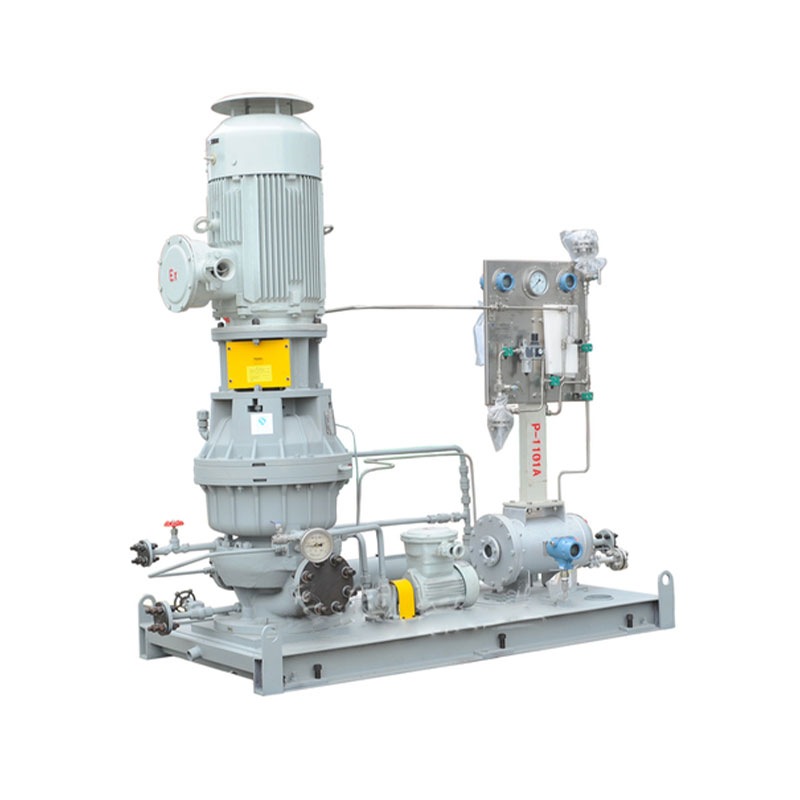
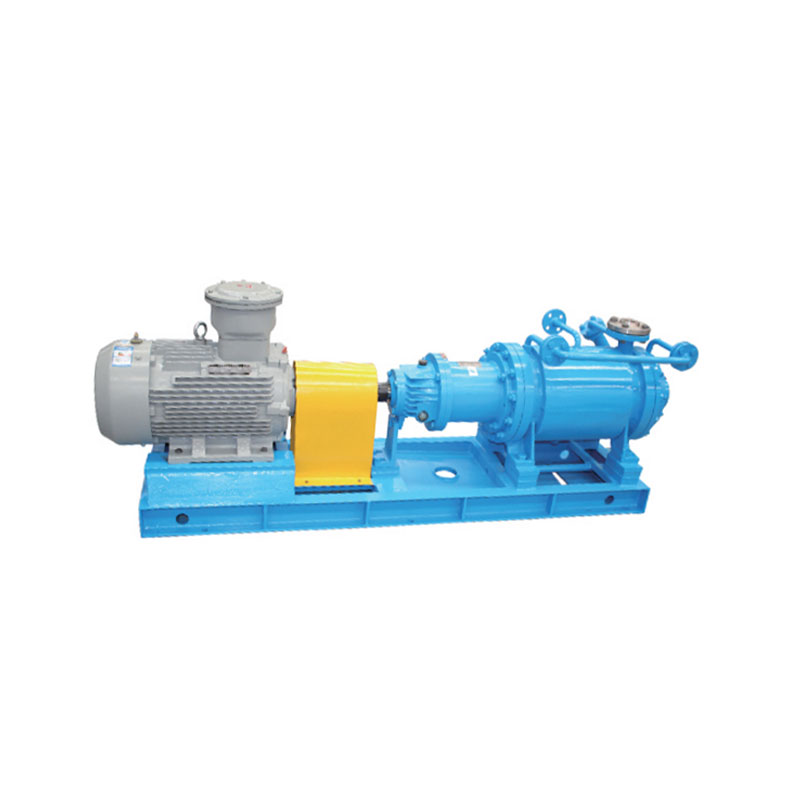
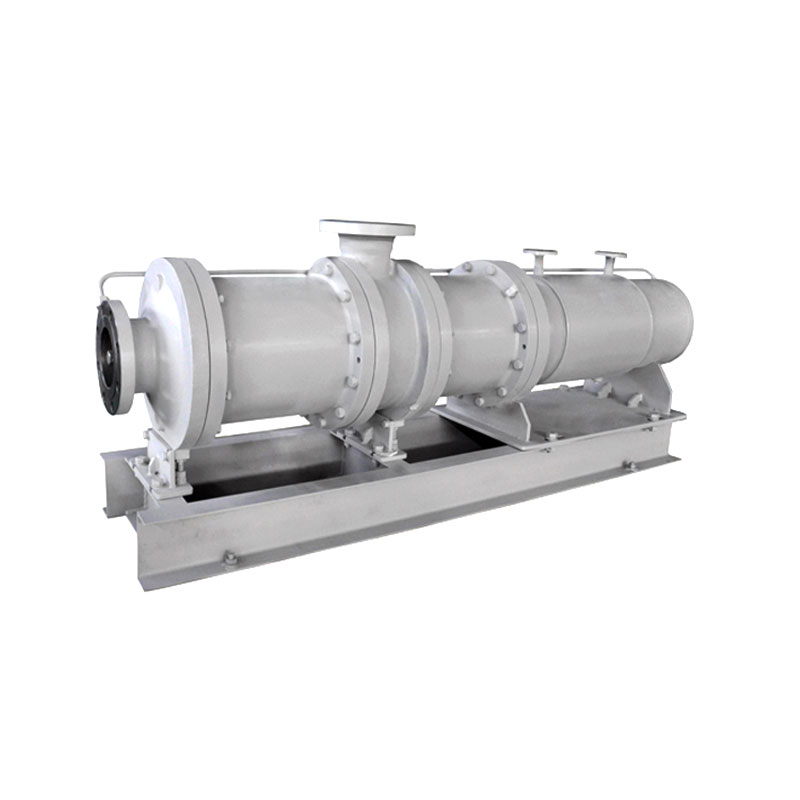
.jpg "Axially Split Horizontal Multistage Pump")


 ENG
ENG

 TOP
TOP