

 inquiry Now

 English
 русский
 عربى
عربى
Magnetic pumps, as an essential component in modern fluid transfer systems, offer significant advantages over traditional pumps due to their unique working principle and design. They are widely used in industries such as chemicals, oil, pharmaceuticals, and food processing. Compared to conventional pumps, magnetic pumps offer leak-free operation, low friction, and high energy efficiency, which greatly improve fluid transfer performance.
1. Leak-Free Design
One of the key features of magnetic pumps is their leak-free design. Traditional pumps rely on mechanical seals to prevent fluid leakage, but these seals can wear out over time, causing leaks. These leaks not only waste energy but can also result in environmental contamination. Magnetic pumps, however, use magnetic coupling technology to drive the pump without the need for mechanical seals, completely eliminating leakage. This ensures that the pump operates efficiently and safely.
Advantages of leak-free operation:
- Enhanced system safety: With no leaks, fluids, especially hazardous or toxic ones, won’t accidentally spill, ensuring a safer work environment.
- Reduced maintenance costs: Since there are no mechanical seals, maintenance requirements are significantly lower, and the need for frequent seal replacements is eliminated.
2. Reduced Friction and Energy Loss
In traditional pumps, friction between mechanical seals and bearings leads to energy loss. This not only increases energy consumption but can also affect the flow rate and pressure of the fluid. In magnetic pumps, the magnetic coupling eliminates physical contact, and no friction occurs between parts, which reduces energy loss. As a result, these pumps are more efficient in fluid transfer.
Benefits of reduced friction:
- Improved energy efficiency: Magnetic pumps reduce energy wastage caused by friction, leading to higher overall energy efficiency.
- Lower operating temperatures: Since there is less friction, the pump operates at a lower temperature, which increases the pump’s longevity and stability.
3. Improved Fluid Control Precision
Magnetic pumps provide high-precision fluid control. Traditional pumps are limited by the mechanical parts involved in regulating flow, but magnetic pumps can control flow and pressure more precisely using magnetic coupling. This is especially beneficial when dealing with high-viscosity fluids or applications that require precise fluid flow. Magnetic pumps are ideal for handling fluids with specific flow requirements.
Advantages of precise fluid control:
- Handling high-viscosity fluids: Magnetic pumps maintain stable fluid transfer even with high-viscosity fluids, avoiding the instability caused by fluctuating flow rates in conventional pumps.
- Stable pressure and flow: Magnetic pumps ensure accurate flow control, maintaining steady pressure and reducing energy waste caused by erratic fluid movement.
4. Lower Operating Costs
Due to the reduction of mechanical seals and bearings wear, magnetic pumps have significantly lower maintenance costs. Additionally, their high energy efficiency allows them to maintain stable performance over extended periods, minimizing downtime and reducing overall operational costs.
Reduction in operational costs:
| Cost Item | Traditional Pump | Magnetic Pump |
|---|---|---|
| Energy Consumption | High | Low |
| Maintenance Costs | High | Low |
| Downtime Costs | High | Low |
| Pump Lifespan | Short | Long |
The table above illustrates how magnetic pumps outperform traditional pumps in terms of energy consumption, maintenance costs, and equipment lifespan.
5. Enhanced Tolerance to Varying Conditions
Magnetic pumps have a higher tolerance for varying pressures and temperatures, making them capable of operating under more diverse conditions. This allows them to handle fluctuating fluid requirements without compromising efficiency. They can operate effectively under extreme conditions, such as high temperatures or when handling corrosive fluids, without compromising performance.
Benefits of improved tolerance:
- Adaptability to varying conditions: Magnetic pumps can handle a wide range of operational conditions, ensuring stable fluid transfer under varying pressures and temperatures.
- Increased system reliability: The pump’s ability to perform in tough conditions reduces the likelihood of downtime, ensuring continuous operation in industrial processes.
6. Reduced Vibration and Noise
Magnetic pumps operate much more smoothly than traditional pumps. Mechanical pumps tend to produce significant vibration and noise due to friction between seals and bearings. Magnetic pumps, on the other hand, rely on non-contact magnetic coupling, which reduces vibration and noise. This not only improves the working environment but also minimizes energy loss due to vibration.
Benefits of reduced vibration and noise:
- Quieter operation: The reduction in noise levels creates a more comfortable working environment for operators.
- Reduced equipment wear: Less vibration decreases the strain on other equipment, minimizing wear and tear and energy waste.
7. Optimized Fluid Transport
Magnetic pumps typically feature more streamlined flow paths, optimizing the fluid transport process. This reduces the flow resistance and energy loss that can occur when handling fluids. This is especially true when dealing with high-viscosity fluids, as magnetic pumps are capable of maintaining stable flow without the efficiency losses that might occur in traditional pumps.
Benefits of optimized fluid transport:
- Minimal flow resistance: The more efficient fluid path design reduces energy waste and enhances fluid transfer efficiency.
- Improved flow stability: Magnetic pumps ensure stable flow rates even with challenging fluids, improving overall operational efficiency.
8. Compatibility with Various Fluids
Magnetic pumps are highly versatile and can handle a wide range of fluids, including high-viscosity, corrosive, or volatile liquids. Conventional pumps may struggle with these types of fluids, leading to leaks or equipment damage. Magnetic pumps can safely and efficiently transfer these fluids, ensuring stable operation and preventing energy loss due to fluid characteristics.
Benefits of fluid compatibility:
- High-viscosity fluids: Magnetic pumps can easily handle high-viscosity fluids, ensuring smooth, uninterrupted flow.
- Corrosive fluids: Magnetic pumps are designed with materials that can withstand the corrosive properties of certain fluids, preventing damage to the pump.
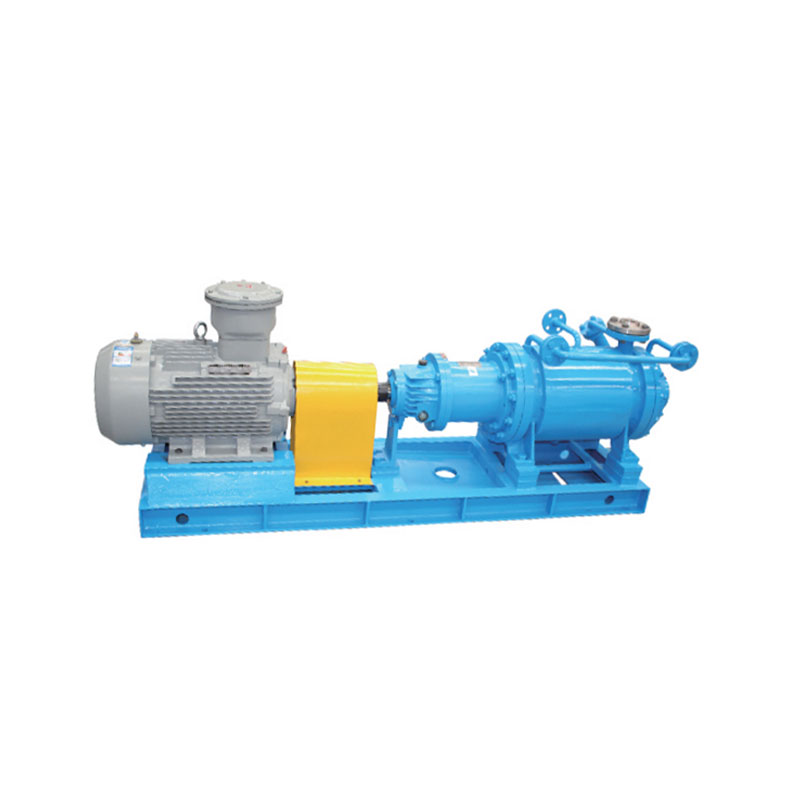
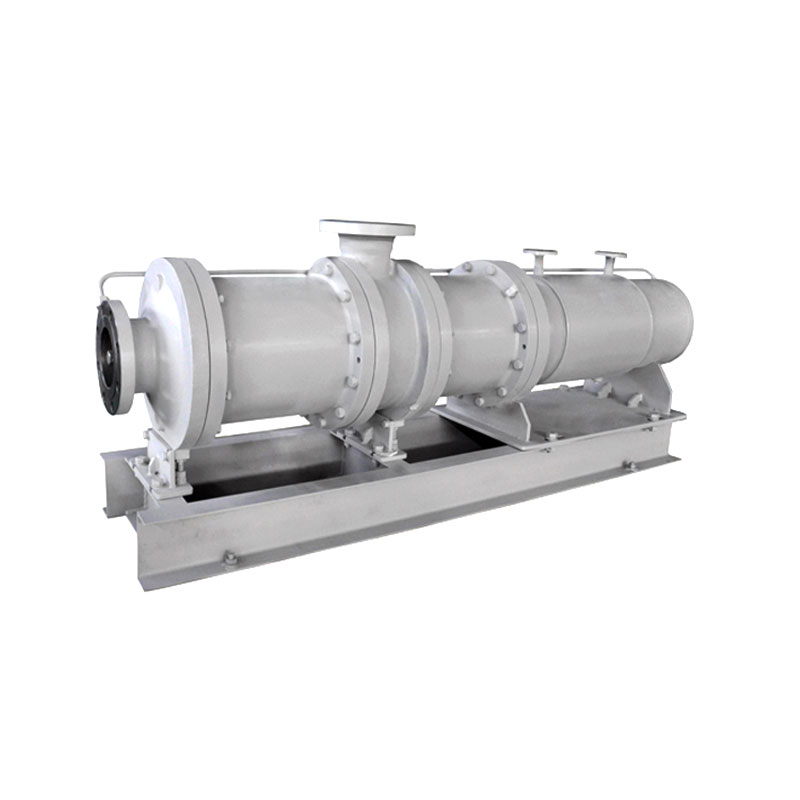
.jpg "Axially Split Horizontal Multistage Pump")


 ENG
ENG

 TOP
TOP