

 inquiry Now

 English
 русский
 عربى
عربى
An industrial vortex pump is widely used in wastewater treatment, mining, chemical processing, and other heavy-duty industries because of its exceptional ability to handle fluids containing large solids, fibrous materials, sludge, and abrasive particles without clogging. In traditional pumping systems, clogging is one of the most common operational failures, often caused by solid particles getting trapped in the impeller or narrow flow channels. This leads to downtime, increased maintenance costs, and reduced system efficiency. The vortex pump solves this issue through a unique hydraulic design that minimizes direct contact between solids and the impeller, allowing continuous and stable operation even under extremely harsh conditions. Its clog-resistant performance is not based on cutting or grinding solids, but rather on creating a controlled fluid motion that naturally transports solids through the pump chamber.
Understanding the Vortex Pump Operating Principle
How vortex flow is generated
The core mechanism of an industrial vortex pump is the creation of a strong rotating vortex inside the pump casing. When the impeller rotates, instead of directly forcing fluid through narrow channels, it induces a swirling motion within a recessed chamber. This vortex acts like a rotating water funnel, transferring energy to the fluid indirectly. Because the impeller is not positioned in the direct flow path, solids do not pass through tight blade passages where clogging typically occurs.
Separation between solids and impeller
In conventional centrifugal pumps, solids must pass through the impeller blades, which creates multiple clogging points. In contrast, vortex pumps position the impeller away from the main flow path, meaning solids remain in the fluid stream without direct mechanical interference. This significantly reduces the risk of blockage, especially when handling irregular or fibrous materials.
Hydraulic behavior advantage
The vortex flow provides a self-stabilizing movement of fluid and solids. Instead of forcing particles through restricted passages, the system allows them to circulate freely until they exit the discharge outlet. This is why vortex pumps are highly effective in unpredictable fluid conditions such as raw sewage or industrial sludge.
Recessed Impeller Design and Its Anti-Clogging Function
Structural design concept
The most important feature of an industrial vortex pump is its recessed impeller configuration. Unlike standard pumps where the impeller sits directly in the flow channel, the vortex pump places the impeller behind the casing inlet. This creates an open chamber where solids can move freely without entering narrow impeller gaps.
Reduced solid-impeller interaction
Because solids do not directly contact the impeller blades, there is minimal risk of entanglement or blockage. Fibrous materials such as cloth, paper, or organic sludge are particularly problematic in conventional pumps but pass smoothly in vortex systems due to the absence of tight mechanical restrictions.
Mechanical wear reduction
Less contact between solids and rotating components also reduces abrasion and wear. This extends the lifespan of the impeller and casing, lowering maintenance frequency and replacement costs.
Key advantages of recessed design
- Eliminates direct clogging points
- Reduces mechanical wear from abrasive particles
- Improves long-term operational stability
- Supports continuous heavy-duty operation
Large Solid Passage Capability in Heavy-Duty Applications
Wide flow channel design
Industrial vortex pumps are engineered with large, unobstructed flow passages, allowing them to handle solids that would immediately clog conventional centrifugal pumps. The internal geometry is designed to minimize sharp turns and narrow spaces where debris could accumulate.
Ability to handle irregular solids
In real industrial environments, solids are not uniform. They may include plastic fragments, sludge clusters, sand, fibers, and organic waste. The vortex pump is designed to handle these mixed materials without requiring pre-filtration.
Comparative performance overview
| Pump Type | Solid Handling Capability | Clogging Risk | Maintenance Frequency | Suitable Application |
|---|---|---|---|---|
| Standard Centrifugal Pump | Low | High | Frequent | Clean water systems |
| Grinder Pump | Medium (cuts solids) | Medium | Moderate | Controlled wastewater |
| Industrial Vortex Pump | High (non-contact flow) | Very Low | Low | Heavy sludge & wastewater |
Industrial reliability advantage
The ability to pass large solids without blockage ensures continuous operation in critical systems such as municipal wastewater plants, where downtime can cause serious environmental and operational issues.
Applications in Wastewater, Slurry, and Industrial Fluids
Municipal wastewater treatment
In sewage systems, vortex pumps are used to transport raw wastewater containing unpredictable solids. Their clog-resistant design ensures uninterrupted flow even during peak load conditions.
Mining and abrasive slurry handling
Mining operations involve highly abrasive materials such as sand, ore particles, and mineral slurries. Vortex pumps are particularly effective because they reduce direct impeller contact with abrasive solids, lowering wear and extending service life.
Industrial processing environments
Industries such as food processing, paper manufacturing, and chemical production generate wastewater with fibrous or sticky materials. Vortex pumps can handle these challenging fluids without frequent maintenance interruptions.
Key application benefits
- Continuous operation under heavy solid load
- Reduced downtime in critical systems
- Stable performance under variable conditions
- Lower total lifecycle cost
Reduced Maintenance and Operational Downtime
Fewer clogging incidents
Since solids do not pass through narrow impeller channels, clogging events are significantly reduced. This directly lowers emergency shutdowns and unplanned maintenance interventions.
Maintenance efficiency improvement
Operators benefit from longer service intervals, as vortex pumps do not require frequent disassembly for cleaning blockages. This reduces labor costs and improves operational efficiency.
Long-term operational stability
| Maintenance Factor | Vortex Pump Performance | Conventional Pump Performance |
|---|---|---|
| Clogging frequency | Low | High |
| Cleaning interval | Long | Short |
| Spare part wear | Low | High |
| Downtime risk | Minimal | Significant |
Industrial cost impact
In large-scale operations, reducing even a small percentage of downtime can result in significant cost savings, making vortex pumps a preferred choice for continuous industrial processes.
Energy Efficiency and Performance Stability
Flow efficiency trade-off
While industrial vortex pumps are highly resistant to clogging, they typically operate at slightly lower hydraulic efficiency compared to closed-impeller pumps. This is due to energy being transferred through vortex motion rather than direct pressure force.
Why industries still prefer vortex pumps
Despite slightly lower efficiency, industries choose vortex pumps because:
- Downtime costs are higher than energy savings
- Maintenance interruptions are expensive
- System reliability is critical
- Fluid composition is unpredictable
Stable performance under load variation
Vortex pumps maintain consistent operation even when solid concentration fluctuates. This stability is crucial in wastewater and slurry systems where inflow composition changes constantly.
Operational insight
In heavy-duty applications, reliability and clog resistance are more valuable than maximum efficiency, making vortex pumps a practical engineering solution.
An industrial vortex pump prevents clogging in heavy-duty applications through its recessed impeller design, vortex-based hydraulic flow, and large solid passage structure. Instead of forcing solids through narrow mechanical pathways, it generates a rotating fluid motion that carries solids smoothly through the pump chamber. This dramatically reduces blockage risk, minimizes wear, and ensures continuous operation in demanding environments such as wastewater treatment, mining, and industrial processing. Although it may have slightly lower efficiency compared to traditional pumps, its superior reliability, low maintenance requirements, and excellent clog resistance make it one of the most effective solutions for handling complex, solid-laden fluids in modern industrial systems.
FAQ
What is the main reason vortex pumps do not clog easily?
Because they use a recessed impeller and vortex flow that keeps solids away from narrow blade passages.
Can industrial vortex pumps handle large debris?
Yes, they are specifically designed to pass large and irregular solids without blockage.
Are vortex pumps suitable for all industries?
They are best suited for wastewater, mining, slurry, and industrial fluid applications with high solid content.
Do vortex pumps require frequent maintenance?
No, they require less maintenance due to reduced clogging and wear.
Are vortex pumps energy efficient?
They are slightly less efficient than closed impeller pumps but offer higher reliability and lower downtime costs.
References
- Hydraulic Institute (HI). Pump Design and Application Standards.
- ASME Journal of Fluids Engineering. Vortex Flow Dynamics in Industrial Pumps.
- International Water Association (IWA). Wastewater Pumping Technologies and Systems.
- U.S. Environmental Protection Agency (EPA). Wastewater Treatment Pumping Guidelines.
- McGraw-Hill. Pump Handbook: Selection and Application of Centrifugal and Vortex Pumps.
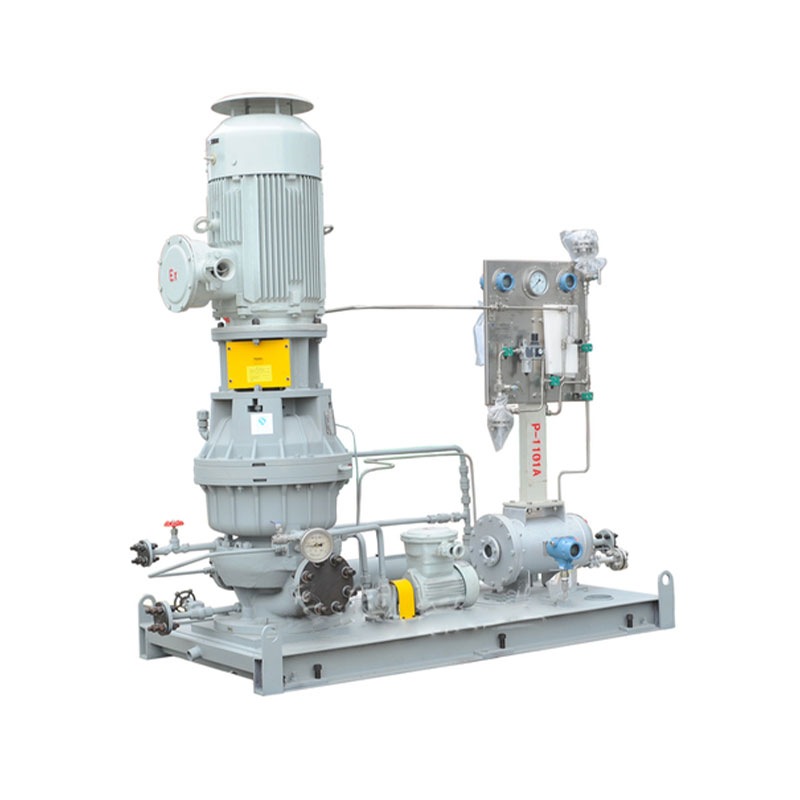
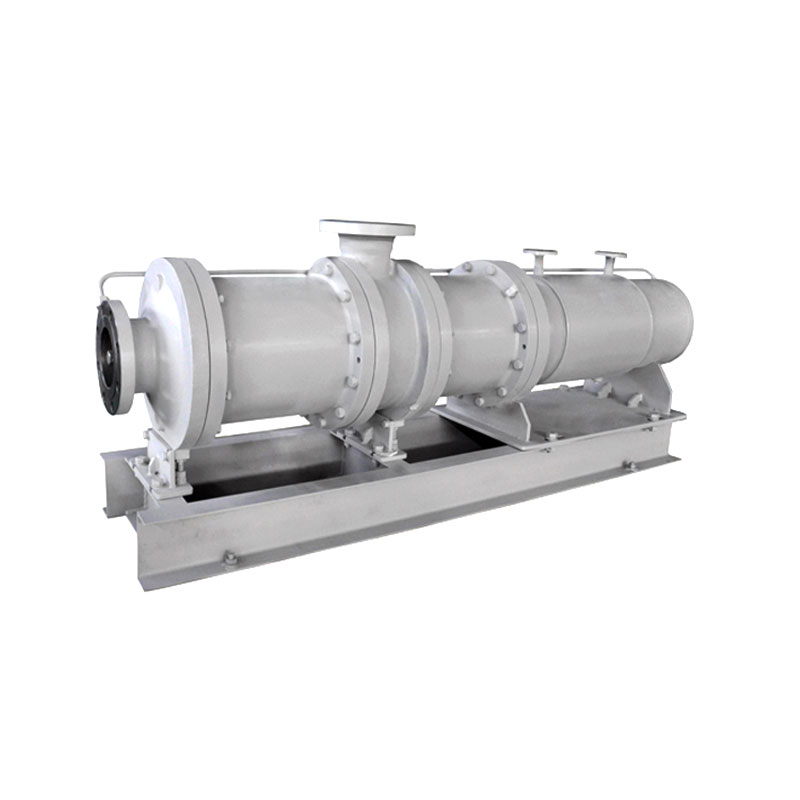
.jpg "Axially Split Horizontal Multistage Pump")


 ENG
ENG

 TOP
TOP