

 inquiry Now

 English
 русский
 عربى
عربى
This is a comprehensive technical article designed for the official websites of industrial pump manufacturers, mining machinery suppliers, or fluid handling equipment firms. Centered on the core keyword “Industrial Slurry Pump,” it provides an in-depth analysis of the efficiency differences and selection logic between horizontal and vertical pumps in mining operations.
1. Slurry Pump Selection in Mining: Efficiency is More Than Just Hydraulic Data
1.1 Redefining “Efficiency” in Mining Environments
In extreme mining operations, the efficiency of an Industrial Slurry Pump cannot be measured solely by the motor’s hydraulic power conversion rate. True efficiency encompasses equipment reliability, the lifespan of wear parts, and compatibility with specific site conditions. For a mining engineer, a pump that boasts 85% efficiency in a lab but clogs or wears out frequently in the field is actually highly “inefficient” in terms of production. In SEM optimization, “Slurry pump performance” and “Mining equipment reliability” are critical search terms for attracting technical decision-makers.
1.2 Impact of Environmental Factors on Pump Layout
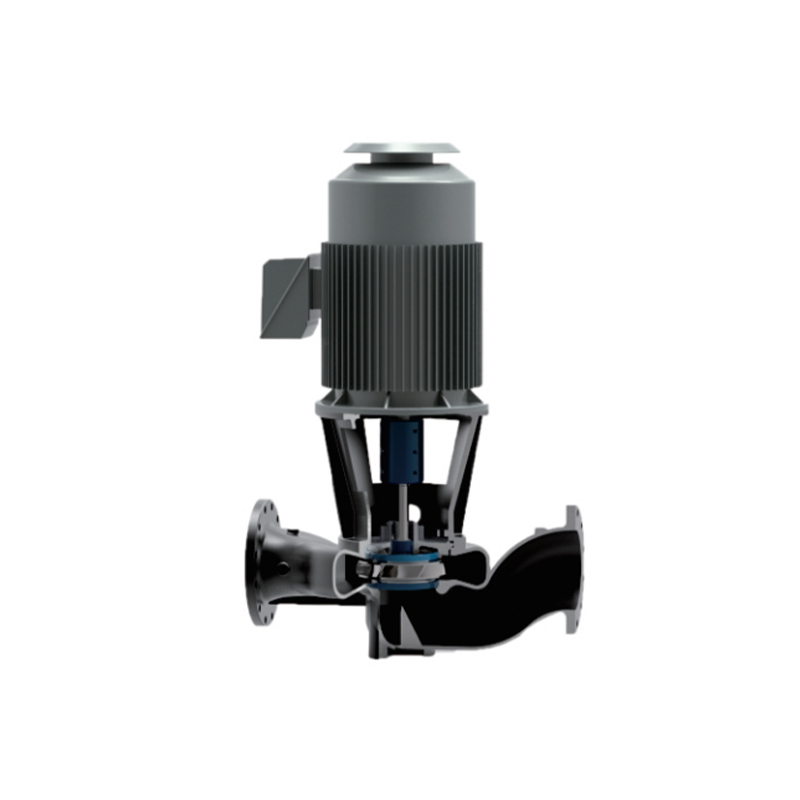
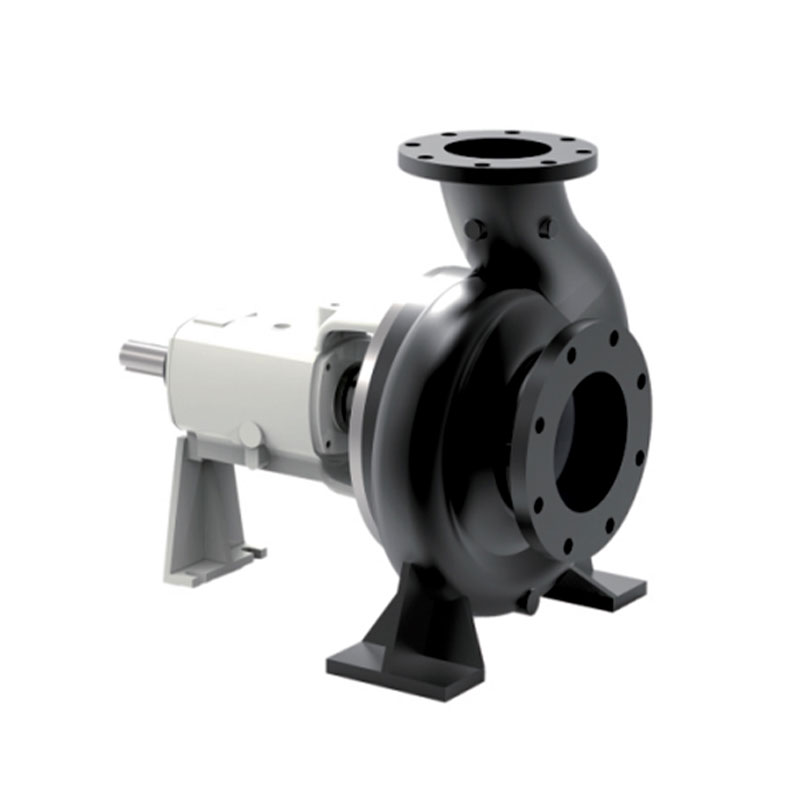
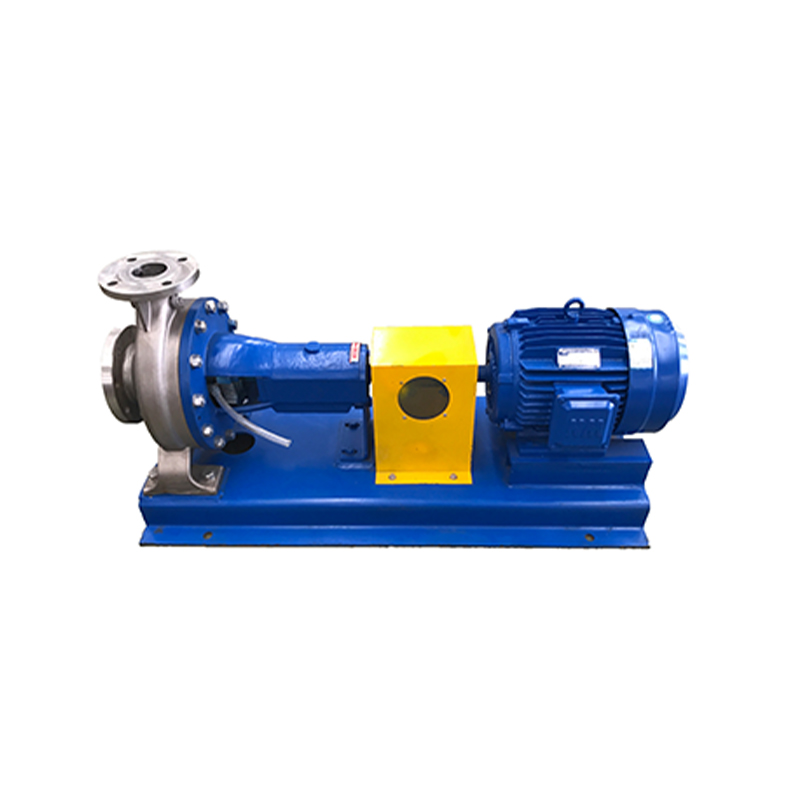
The spatial constraints of a mine site, the air content in the slurry, and the risk of flooding determine whether a horizontal or vertical configuration is required. Horizontal slurry pumps are typically the workhorses for large-scale transport, such as tailings disposal and long-distance pipeline transport, due to their high-pressure capabilities. In contrast, vertical slurry pumps (often referred to as sump or vertical spindle pumps) exhibit higher systemic efficiency in “auxiliary” tasks like overflow handling, drainage, and floor cleanup. Discussing “Pumping system layout optimization” on your website effectively captures professional traffic in the project design phase.
1.3 Efficiency and Total Cost of Ownership (TCO)
An efficient slurry pumping solution should focus on reducing the Total Cost of Ownership (TCO). This includes initial procurement costs, energy consumption, expensive seal water supply, and production losses due to unscheduled downtime. By embedding the phrase “Reducing TCO for industrial pumps,” you can attract procurement managers from large-scale mining operations who prioritize long-term operational benefits.
2. Deep Dive into Horizontal Slurry Pumps: The Backbone of Heavy-Duty Transport
2.1 Performance Advantages in High-Pressure and Large-Flow Applications
Horizontal slurry pumps generally feature a heavy-duty structural design, with their core advantage lying in their ability to generate high head (pressure). In mining processes such as Primary Mill Discharge, where the slurry concentration is extremely high and contains large rock fragments, the large impeller and wide flow passage of the horizontal pump make it the only equipment capable of the task. In your SEO strategy, using the term “Heavy-duty centrifugal slurry pump” can precisely cover search intent for high wear-resistance requirements.
2.2 Maintenance Accessibility and Component Reach
Because horizontal pumps are foundation-mounted at ground level, engineers can easily access the pump casing, impeller, and shaft seal system. This physical accessibility significantly reduces the Mean Time to Repair (MTTR). For ultra-large mining operations, this convenience means that wear parts can be replaced without the need for massive lifting equipment or draining deep pits. Emphasizing “Ease of maintenance in pump design” provides high-value technical content that improves user retention.
2.3 Diversity in Materials: Alloys vs. Rubber
Horizontal pumps offer the widest range of wear-resistant material options. Whether handling sharp-edged rock debris (requiring High-Chrome Alloy) or fine, corrosive acidic slurries (requiring natural or synthetic rubber liners), the interchangeable liner design of horizontal pumps allows for maximum customization. On Semrush, “Wear-resistant slurry pump materials” is a long-tail keyword with high conversion potential.
3. Deep Dive into Vertical Slurry Pumps: The Experts in Space and Special Conditions
3.1 Solving Cavitation and Entrained Air Challenges
In flotation circuits, slurry is often rich in air bubbles, which can cause standard horizontal pumps to suffer from cavitation and lose prime. Vertical Industrial Slurry Pumps (especially those with induced-flow or vortex designs) can effectively vent air from the slurry. Since vertical pumps are typically submerged, they are inherently self-priming, eliminating complex suction piping and priming systems. This “systemic efficiency” is vital in floor drainage applications.
3.2 Small Footprint and Modular Integration
In crowded mineral processing plants, floor space is at a premium. The motor of a vertical slurry pump is mounted vertically above the fluid, greatly saving on footprint. Simultaneously, this layout protects the motor from flooding or accidental splashes. In SEM optimization, targeting “Space-saving industrial pumps” and “Compact pump station design” can reach project traffic focused on retrofitting older processing plants.
3.3 The Maintenance Miracle of Seal-less Design
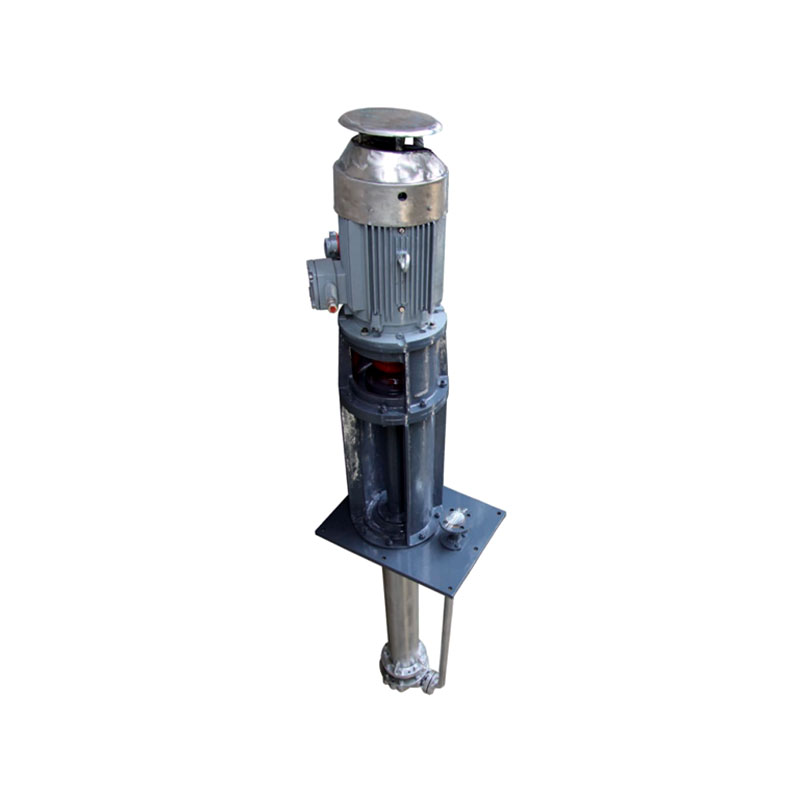
The greatest efficiency breakthrough of the Vertical Cantilever Pump is its “seal-less” design. Since the bearing housing is located above the fluid level, the pump does not require expensive mechanical seals or packing. This can save thousands of gallons of clean seal water per day—a massive cost advantage for mines in arid regions like Australia or Chile. Discussing “Water-saving slurry pump solutions” aligns perfectly with current green mining trends.
4. Comparative Efficiency Table: Horizontal vs. Vertical Slurry Pumps
The following table compares the two layouts from technical and operational perspectives to assist procurement teams in solution evaluation:
| Feature | Horizontal Slurry Pump | Vertical Slurry Pump |
|---|---|---|
| Best Application | Tailings, Pipeline, Mill Discharge | Sump drainage, Froth, Floor cleanup |
| Head (Pressure) | Very high (Supports multi-stage) | Moderate to Low (Shaft stability limits) |
| Seal Requirements | Mechanical or Packing seal required | Cantilever design allows seal-less operation |
| Footprint | Large (Requires base and motor frame) | Compact (Vertical mount, motor above fluid) |
| Air Handling | Poor (Prone to cavitation) | Excellent (Handles aerated slurry well) |
| Maintenance Frequency | Moderate (Dependent on seal life) | Very Low (No wear-prone seals) |
5. FAQ: Industrial Slurry Pump Expert Recommendations
1. Can a horizontal pump be installed inside a sump pit?
Yes, but this is known as a “dry well” installation. It requires complex suction piping design and protection measures to prevent flooding the motor. In most cases, a vertical sump pump is a more efficient and safer choice.
2. Which pump type has a longer wear-part lifespan?
If materials are matched correctly, the lifespan of hydraulic components is comparable. However, because vertical cantilever pumps lack mechanical seals, their overall Mean Time Between Failures (MTBF) is usually longer than that of horizontal pumps, especially in environments with poor seal water quality.
3. Are there depth limits for vertical pumps?
Yes. The shaft length of a vertical cantilever pump is limited by mechanical stability, usually not exceeding 2–3 meters. If the pit is very deep, a vertical submerged pump with intermediate bearings or a submersible slurry pump must be used.
6. References
- Hydraulic Institute Standards. (2025). “Application and Design of Industrial Slurry Pumps for Mining.”
- Society for Mining, Metallurgy & Exploration (SME). (2024). “Mineral Processing Handbook: Fluid Transport Systems.”
- Journal of Tribology & Wear. (2023). “Comparative Study of Wear Patterns in Horizontal vs. Vertical Centrifugal Slurry Pumps.”
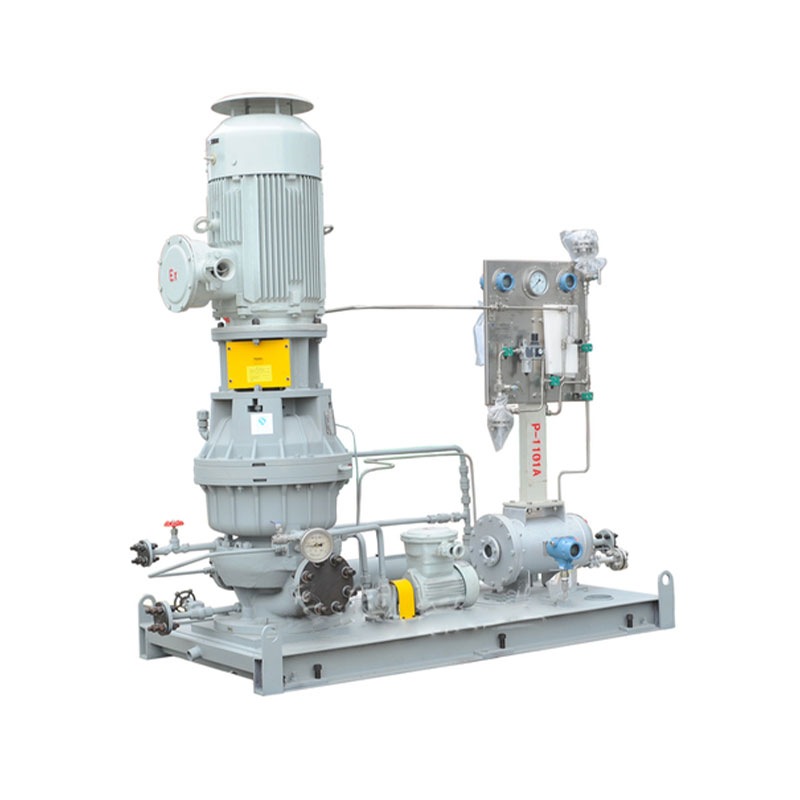
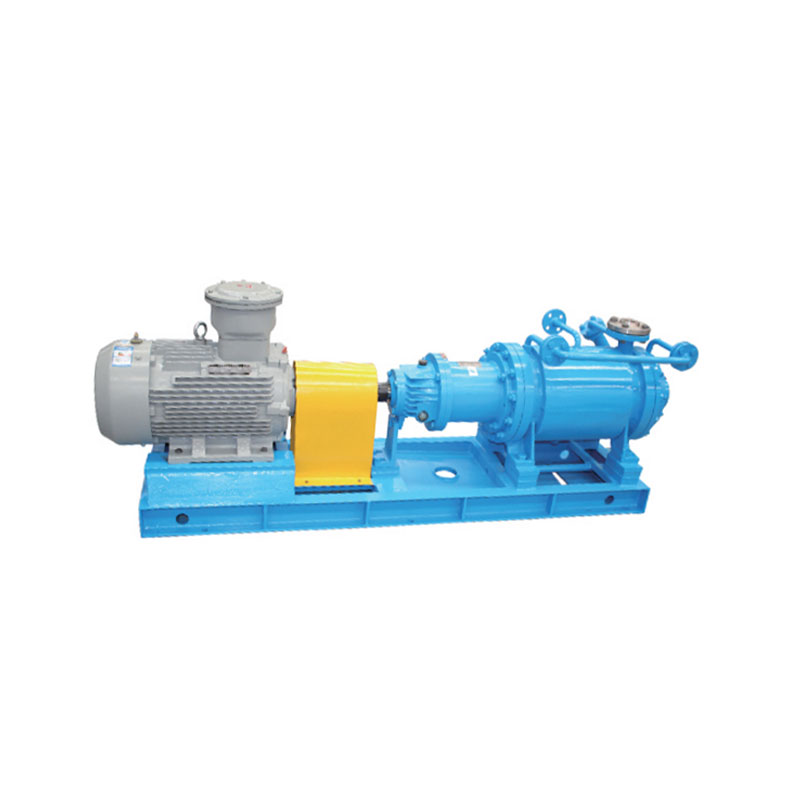
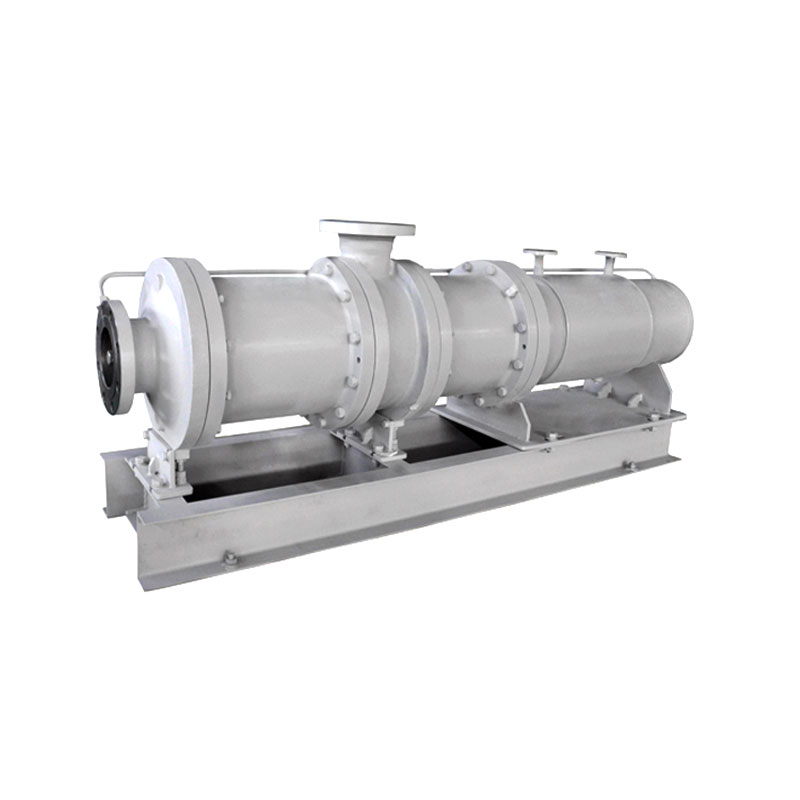
.jpg "Axially Split Horizontal Multistage Pump")


 ENG
ENG

 TOP
TOP