

 inquiry Now

 English
 русский
 عربى
عربى
A closed container engineered to hold gases or liquids at a pressure far different from the surrounding atmosphere, built from a specific set of parts, materials, codes and tests that together define whether a container qualifies as a true pressure vessel.
Search terms such as what is pressure vessel, pressure vessel meaning, and pressure vessel definition all point to the same practical question: which features turn an ordinary tank into a regulated, code stamped pressure vessel. This guide answers that question in full, moving from the legal and engineering definition through the physical components, the materials, the applicable codes, the testing procedures and the inspection routines that keep a vessel safe across decades of service. Engineers researching a new project, procurement teams comparing manufacturer quotes, and plant operators preparing for an upcoming audit all tend to arrive at this question from different directions, yet the underlying technical answer stays the same regardless of which industry the vessel serves or which country's code applies to it.
Pressure Vessel Definition and Core Characteristics
A pressure vessel is a manufactured container engineered and certified to hold a fluid, whether gas, vapor, or liquid, at a pressure that is meaningfully higher or lower than the surrounding atmosphere. Under most national codes, a container is classed as a pressure vessel once its internal design pressure exceeds roughly 15 pounds per square inch gauge, or about 1.03 bar, and its internal volume exceeds a set minimum, commonly around 5 cubic feet or 140 liters, though the exact threshold varies by jurisdiction. So when someone asks what is a pressure vessel or what is the pressure vessel definition, the short version is this: it is a pressure retaining boundary, sized, shaped, and rated so the stress in its walls stays safely below the strength of the material under the worst combination of pressure, temperature, and load the vessel will ever see.
Four characteristics distinguish a true pressure vessel from an ordinary tank or pipe fitting.
- A closed, pressure retaining boundary. The vessel is sealed well enough that the contained fluid cannot escape except through designed openings, valves, or relief devices.
- A calculated design pressure and design temperature. Every vessel carries a maximum allowable working pressure, often shortened to MAWP, and a temperature range that its shell and internals are proven to withstand.
- A code governed design and fabrication process. Wall thickness, weld details, head shape, and opening reinforcement are calculated using formulas set out in a recognized pressure vessel code rather than chosen by guesswork.
- Documented testing and inspection. Before the vessel is put into service, and at intervals afterward, it undergoes pressure vessel testing, nondestructive examination, and formal inspection of pressure vessels to confirm it still meets its original design basis.
It is worth noting that the correct spelling is pressure vessel, although the variant pressure vessell appears often in search queries and casual writing. Both terms refer to the same class of equipment, and this guide uses the standard spelling throughout while addressing the same underlying question that both phrasings are searching for.
The Physical Components That Constitute a Pressure Vessel
What constitutes a pressure vessel, in the most literal sense, is the sum of its physical parts. Each component plays a specific structural role, and removing or under-designing any one of them changes the vessel from a safe, code compliant piece of equipment into a liability. The table below summarizes the primary components, followed by a closer look at each.
| Component | Function | Typical Design Concern |
|---|---|---|
| Shell | Cylindrical or spherical body that contains the pressurized fluid | Wall thickness versus hoop stress and axial stress |
| Heads or End Caps | Closes each end of the shell, commonly elliptical, hemispherical, torispherical, or flat | Shape strongly affects stress concentration and material use |
| Nozzles and Openings | Connection points for piping, instruments, manways, and relief devices | Local reinforcement around each cut in the shell |
| Supports | Saddles, skirts, legs, or lugs that transfer vessel weight and loads to the foundation | Combined pressure, wind, seismic, and dead load analysis |
| Manway or Access Ports | Allows personnel entry for internal inspection and maintenance | Bolted closure strength and gasket sealing |
| Pressure Relief Devices | Safety valves or rupture discs that release excess pressure before failure | Correct set pressure and adequate relieving capacity |
| Internals | Trays, baffles, demister pads, coils, or agitators depending on process duty | Attachment welds and flow induced vibration |
| Insulation and Jacketing | Maintains process temperature and protects personnel | Compatibility with inspection access |
Shell and Heads
The shell is the main pressure boundary, usually rolled and welded from steel plate into a cylinder, although spherical shells are used for very large gas storage because a sphere distributes stress more evenly than a cylinder. The heads close off each end of the shell. An ellipsoidal head with a 2 to 1 ratio is the most common choice for moderate pressure applications because it balances material cost against strength, while hemispherical heads are reserved for higher pressure or larger diameter vessels because a hemisphere is inherently the strongest shape for a given thickness. Flat heads are the weakest option per unit of thickness and are usually limited to low pressure vessels or the removable end of a small vessel.
Nozzles, Manways, and Reinforcement
Every hole cut into a pressure vessel shell removes load carrying material, which concentrates stress around the opening. Designers compensate with reinforcing pads, thicker forged nozzle necks, or integrally reinforced fittings so the local stress around each connection stays within the same safe margin as the surrounding shell. Manways, typically 18 to 24 inches in diameter, are sized to let an inspector or technician physically enter the vessel for internal inspection, cleaning, or repair, which is one of the most important practical details behind long term inspection of pressure vessels.
Supports
Horizontal vessels typically rest on two saddle supports, vertical vessels commonly stand on a skirt welded to the bottom head, and smaller vessels may use bolted legs or lugs. Support design must account not only for the static weight of the vessel and its contents but also for wind loading, seismic loading in earthquake prone regions, and thermal expansion of connected piping.
Pressure Relief and Safety Devices
No discussion of what constitutes a pressure vessel is complete without pressure relief. A spring loaded safety relief valve or a rupture disc is fitted to every pressure vessel so that if internal pressure climbs above the maximum allowable working pressure, excess fluid vents in a controlled way before the shell can rupture. Relief device sizing is itself a formal calculation based on the worst case overpressure scenario, such as fire exposure or a blocked outlet.
Design Pressure, Operating Pressure, and MAWP Explained
Anyone trying to fully answer what is a pressure vessel eventually runs into three related but distinct pressure terms, and confusing them is a common source of costly mistakes during procurement. Understanding the difference is essential to reading a vessel nameplate correctly and to specifying a new vessel accurately.
| Term | What It Means | Why It Matters |
|---|---|---|
| Operating Pressure | The pressure the vessel experiences during normal, everyday process conditions | Used to size the process, not to size the vessel wall |
| Design Pressure | The pressure used in the wall thickness calculation, normally set 10 percent or more above operating pressure | Provides margin for normal process fluctuation without overstressing the shell |
| Maximum Allowable Working Pressure (MAWP) | The highest pressure the completed, as built vessel can safely handle at a given temperature | Sets the relief valve set pressure and defines the legal operating limit |
| Test Pressure | The elevated pressure applied briefly during hydrostatic or pneumatic testing | Confirms the vessel exceeds its rated capacity with margin before it ever sees process fluid |
In practice, the relationship almost always runs in this order: operating pressure is lowest, design pressure sits above it with a built in safety margin, MAWP is calculated from the as built thickness and is normally equal to or slightly above design pressure, and test pressure during pressure vessel testing sits highest of all, typically 1.3 times MAWP for a hydrostatic test under ASME rules. A vessel nameplate that lists a MAWP lower than the process operating pressure signals a serious mismatch that must be corrected before the vessel is ever put into service.
Temperature complicates the picture further because most steels lose allowable strength as temperature rises, so a single vessel often carries several MAWP values, one for each temperature band listed on its nameplate. An operator running the vessel hotter than the temperature associated with a given MAWP is effectively operating outside the vessel's certified envelope even if the pressure gauge reading looks acceptable.
Types of Pressure Vessels
The term pressure vessels covers a wide family of equipment. Understanding the main categories helps clarify why a pressure vessel tank used for compressed air looks so different from a tall distillation column or a nuclear reactor pressure vessel, even though all three share the same underlying definition.
Storage Vessels and Tanks
Store compressed air, propane, ammonia, or other gases and liquids under pressure. A pressure vessel tank for compressed air is the type most people encounter directly, often cylindrical with hemispherical or elliptical heads.
Reactors
Contain chemical, petrochemical, or pharmaceutical reactions at controlled pressure and temperature, frequently fitted with agitators, jackets, and internal coils.
Heat Exchangers
Shell and tube exchangers hold pressurized fluid on both the shell side and tube side while transferring heat between two process streams.
Separators and Columns
Distillation columns, knockout drums, and separators handle multiphase mixtures under pressure, often with internal trays or packing.
Boilers
Generate steam under pressure for power generation or industrial heating, subject to some of the strictest fabrication codes of any vessel type.
Transport and Cargo Tanks
Road tankers, rail cars, and marine cargo tanks that move pressurized gases or liquefied petroleum gas between locations.
Pressure vessels are also classified by wall construction. A single wall vessel has one continuous shell. A jacketed vessel has an outer shell around the process shell to circulate a heating or cooling medium. A multilayer or wound vessel builds the wall from several thin layers of plate or wire wound under tension, a technique used for very high pressure ammonia or hydrogen service because it resists brittle fracture better than a single thick plate.
Pressure Vessel Classification by Construction Category
Beyond function, codes also classify pressure vessels by construction rigor, and this classification directly affects which pressure vessel testing methods and inspection intervals apply. Under the ASME framework, for example, vessels are grouped into divisions that trade off design margin against fabrication and examination requirements.
| Classification | Typical Design Margin | Fabrication and Examination Level |
|---|---|---|
| ASME Section VIII Division 1 | Standard safety factor, roughly 3.5 against ultimate tensile strength | Standard weld examination, suitable for most general industrial service |
| ASME Section VIII Division 2 | Reduced safety factor, roughly 3.0, allowing thinner walls for the same pressure | Stricter design analysis, full radiography, and more detailed stress calculations |
| ASME Section VIII Division 3 | Reserved for very high pressure service above about 10000 psi | Advanced fracture mechanics analysis and extensive nondestructive testing |
Lower division numbers generally mean simpler design rules and a thicker, more conservative shell, while higher division numbers allow lighter, more material efficient construction in exchange for tighter engineering analysis and more extensive testing during fabrication. Buyers specifying a new vessel should confirm which division applies, since it changes both the upfront fabrication cost and the long term inspection burden.
Vessels are also sometimes grouped informally by pressure range, which helps explain why the answer to what is pressure vessel design can look so different from one project to the next.
- Low pressure vessels, generally below about 150 psi, cover many storage and low hazard applications where wall thickness is driven more by handling and corrosion allowance than by pressure alone.
- Medium pressure vessels, roughly 150 to 1000 psi, cover the majority of general chemical, food, and compressed air applications.
- High pressure vessels, above roughly 1000 psi, are common in gas processing, hydrogen service, and certain reactor applications, and typically require thicker walls, forged components, and more rigorous testing.
Design Codes and Standards Governing Pressure Vessels
A container only counts as a certified pressure vessel once it is designed, fabricated, and stamped according to a recognized code. These codes set the allowable stress for each material, the formulas for shell and head thickness, the rules for welding and heat treatment, and the required testing before commissioning.
| Code or Standard | Region | Scope |
|---|---|---|
| ASME BPVC Section VIII | United States and widely adopted worldwide | Design, fabrication, and inspection rules for unfired pressure vessels |
| PED 2014/68/EU | European Union | Conformity assessment and CE marking requirements for pressure equipment |
| EN 13445 | Europe | Detailed design and construction standard for unfired pressure vessels |
| GB 150 and TSG 21 | China | National design, manufacturing, and supervision rules for pressure vessels |
| AS 1210 | Australia and New Zealand | Design and construction standard for pressure vessels |
| JIS B 8265 | Japan | Construction standard for pressure vessels in general industry |
These codes converge on the same core engineering logic even though the paperwork differs by country. Wall thickness is calculated from design pressure, vessel diameter, allowable stress of the chosen material, and a joint efficiency factor that reflects how thoroughly the welds are examined. A vessel welded with full radiography earns a higher joint efficiency, which can allow a thinner, lighter, and less expensive shell for the same design pressure.
Materials Used in Pressure Vessel Construction
Material selection has a direct effect on what constitutes a pressure vessel because the allowable stress of the chosen material sets the minimum wall thickness for a given design pressure. Carbon steel plate, most commonly grades such as SA 516 in the ASME system, is the default choice for general service because it combines good strength, weldability, and cost. Low alloy steels add chromium or molybdenum for higher temperature service. Stainless steels, particularly 304 and 316 grades, resist corrosion in food, pharmaceutical, and chemical processing. For cryogenic or hydrogen service, fine grain steels or nickel alloys prevent brittle fracture at low temperature.
| Material Family | Typical Service | Key Property |
|---|---|---|
| Carbon Steel Plate | General industrial gas and liquid storage | Cost effective strength for moderate pressure and temperature |
| Low Alloy Steel | Refinery and high temperature process vessels | Retains strength at elevated temperature |
| Stainless Steel 304 or 316 | Food, pharmaceutical, chemical processing | Corrosion resistance and hygiene |
| Duplex Stainless Steel | Offshore and highly corrosive chemical service | High strength combined with chloride resistance |
| Nickel Alloys | Cryogenic and severe corrosion service | Toughness at very low temperature |
| Composite or FRP | Low pressure corrosive storage tanks | Light weight and corrosion resistance |
Beyond the base material, corrosion allowance is added to the calculated minimum thickness so the vessel can lose a small, predictable amount of wall material over its service life without dropping below the required strength. A typical corrosion allowance ranges from about 1.5 to 3 millimeters depending on the service fluid and the design life of the vessel.
Pressure Vessel Testing: Confirming the Design Before Commissioning
Pressure vessel testing is the formal step that proves a fabricated vessel actually performs the way its design calculations predicted. No vessel is placed into service without passing at least one of the following test methods, and most vessels pass through several of them in sequence.
Hydrostatic Testing
The vessel is filled completely with water and pressurized to a level above its design pressure, commonly 1.3 times the maximum allowable working pressure under ASME rules, then held for a defined period while inspectors check for leaks, permanent deformation, or weld defects. Water is used rather than a gas because water is nearly incompressible, so if a crack does open during the test the stored energy release is far smaller and safer than it would be with compressed gas.
Pneumatic Testing
When water is unsuitable, for example when trace moisture would contaminate the process or when the vessel cannot support the extra weight of a full water fill, pneumatic testing uses compressed air or nitrogen instead. Because compressed gas stores far more energy than water at the same pressure, pneumatic testing requires stricter safety controls, remote monitoring, and a lower test pressure ratio, typically around 1.1 times the design pressure.
Nondestructive Examination
Alongside pressure testing, several nondestructive methods check for hidden flaws without damaging the vessel.
- Radiographic testing uses X rays or gamma rays to reveal internal weld defects such as porosity, slag inclusion, or lack of fusion.
- Ultrasonic testing sends sound waves through the material to detect internal cracks and to measure remaining wall thickness during later inspection.
- Magnetic particle testing finds surface and near surface cracks in ferromagnetic materials.
- Liquid penetrant testing reveals fine surface breaking cracks on both magnetic and non magnetic materials.
- Positive material identification confirms that the alloy actually installed matches the alloy specified in the design.
Proof and Burst Testing
For prototype designs or unusual configurations, some manufacturers perform a proof test on a sample vessel, pressurizing it to failure to confirm the actual burst pressure exceeds the theoretical margin built into the code formulas. This is more common for small mass produced vessels, such as compressed gas cylinders, than for large custom process vessels.
Together, this set of pressure vessel testing procedures is what allows an inspector to sign off on the manufacturing data report and apply the official code stamp, which is the document that formally certifies the vessel is safe to commission.
Inspection of Pressure Vessels During Service
Testing happens once, before commissioning, but inspection of pressure vessels continues for the entire operating life of the equipment. Regular inspection is what actually keeps a vessel safe year after year, because corrosion, fatigue, and mechanical damage accumulate slowly and are rarely visible from the outside.
Types of In Service Inspection
- External visual inspection. Checks the outer shell, supports, insulation jacket, nozzle connections, and relief valve for corrosion, coating breakdown, or physical damage.
- Internal visual inspection. Performed through the manway with the vessel taken out of service, cleaned, and confirmed gas free, looking directly at the inner shell surface, welds, and internals.
- Thickness surveys. Ultrasonic thickness measurements at fixed grid points track corrosion rate over time and predict remaining service life.
- Relief device testing. Safety valves are removed, bench tested, and recertified at intervals set by code or by the operating company.
- Fitness for service assessment. When a flaw such as a corroded area or a crack is found, engineering calculations determine whether the vessel can safely continue in service, needs repair, or must be derated to a lower pressure.
Typical Inspection Intervals
| Inspection Type | Typical Interval | Purpose |
|---|---|---|
| External Visual | Annually | Catch surface corrosion and mechanical damage early |
| Internal Visual and Thickness Survey | Every 3 to 10 years, based on corrosion rate | Confirm shell and head thickness remain above minimum required |
| Relief Valve Testing | Every 1 to 5 years depending on service | Confirm the valve opens at its correct set pressure |
| Full Nondestructive Reassessment | At major turnaround or after any repair | Detect cracking, weld degradation, or material fatigue |
Regulatory bodies and insurers generally require that every pressure vessel be registered, assigned a unique identification number, and inspected by an authorized inspector on a documented schedule. Skipping or delaying inspection of pressure vessels is one of the most common root causes identified after industrial pressure equipment failures, which is why responsible operators treat the inspection schedule as a fixed commitment rather than a flexible guideline.
Applications Across Industries
Because the definition is broad, pressure vessels appear in nearly every heavy industry, each with its own dominant vessel type and service condition.
| Industry | Common Vessel Type | Typical Contained Fluid |
|---|---|---|
| Oil and Gas | Separators, knockout drums, gas scrubbers | Crude oil, natural gas, produced water |
| Chemical Processing | Reactors, storage tanks | Acids, solvents, industrial gases |
| Power Generation | Boilers, steam drums, deaerators | Steam and boiler feedwater |
| Food and Beverage | Mixing and CIP vessels | Compressed air, CO2, process liquids |
| Pharmaceutical | Sterilizers, autoclaves, reactors | Steam, purified water, process gases |
| Water Treatment | Pressure filters, air receivers | Compressed air, treated water |
| Agriculture and Fertilizer | Ammonia storage spheres | Anhydrous ammonia |
A pressure vessel tank supplying compressed air to a factory floor pump station, for example, must meet the same fundamental design logic as a much larger ammonia storage sphere, even though the two look nothing alike and operate at very different pressures.
Safety Considerations and Failure Prevention
Understanding what constitutes a pressure vessel also means understanding how vessels fail, since every design rule and inspection routine exists to prevent one of a small number of failure modes.
- Overpressure. Pressure climbs above MAWP because of a blocked outlet, a runaway reaction, or fire exposure. Correctly sized relief devices are the primary defense.
- Corrosion thinning. Internal or external corrosion gradually reduces wall thickness below the minimum required, which is why thickness surveys are central to inspection of pressure vessels.
- Fatigue cracking. Repeated pressure or temperature cycling initiates and grows cracks at points of stress concentration, typically near nozzles or weld toes.
- Brittle fracture. At low temperature, some steels lose ductility and can fracture suddenly rather than deforming first, which is why material selection and impact testing matter for cold service.
- Weld defects. Porosity, incomplete fusion, or hydrogen cracking in a weld reduce local strength, which is why radiographic and ultrasonic testing target welds specifically.
A well designed, properly tested, and consistently inspected vessel controls every one of these failure modes with a wide safety margin, which is exactly why codes insist on the combined package of design calculation, material control, pressure vessel testing, and ongoing inspection rather than any single measure alone.
How to Specify a Pressure Vessel When Ordering
Buyers who understand what constitutes a pressure vessel are far better positioned to write a specification that a manufacturer can quote accurately the first time. Missing information is one of the most common causes of delayed quotes, incorrect pricing, and rework during fabrication. The checklist below covers the information a competent manufacturer needs before design work can begin.
- Service fluid and its properties. Chemical composition, corrosiveness, and whether the fluid is flammable or toxic all influence material selection and safety provisions.
- Design pressure and design temperature. Both the maximum and, for some services, the minimum temperature the vessel must tolerate.
- Internal volume or vessel dimensions. Either a target capacity or a preferred diameter and length, since the two are linked once wall thickness is set.
- Orientation and supports. Horizontal on saddles, vertical on a skirt, or vertical on legs, along with any site specific foundation constraints.
- Applicable code and jurisdiction. ASME, PED, GB 150, or another standard, since this determines the calculation method, the required stamp, and the paperwork the buyer will receive.
- Corrosion allowance and desired service life. A stated design life, commonly 15 to 30 years, helps the manufacturer choose an appropriate corrosion allowance.
- Nozzle schedule. Number, size, rating, and orientation of each connection for piping, instruments, and the manway.
- Surface treatment. Internal lining, external coating, or insulation requirements based on the service environment.
- Testing and documentation requirements. Confirmation of hydrostatic or pneumatic pressure vessel testing, required nondestructive examination coverage, and the format of the final manufacturing data report.
Working through this list before requesting a quote also makes it much easier to compare proposals from different manufacturers on an equal basis, since vague specifications tend to produce vague quotes that only reveal their true scope, and true cost, once fabrication is already underway.
Choosing a Manufacturer That Understands What a Pressure Vessel Requires
Because a pressure vessel only performs as designed when every stage, from material selection through welding, heat treatment, testing, and documentation, is executed correctly, the choice of manufacturer matters as much as the choice of code. Beloni (Jiangsu) Pump Manufacturing Co., Ltd is an experienced industrial equipment manufacturer based in Jiangsu, China, producing pressure vessels and pump systems for water treatment, industrial processing, and fluid handling applications. The company applies code compliant design calculations, controlled welding procedures, and documented pressure vessel testing to every unit it produces, giving buyers a traceable manufacturing data report alongside the physical equipment.
Frequently Asked Questions
Q1 What is a pressure vessel in simple terms
A pressure vessel is a sealed container built and certified to safely hold a gas or liquid at a pressure different from normal atmospheric pressure, using calculated wall thickness, reinforced openings, and a code stamp that confirms it was designed, built, and tested correctly.
Q2 What is the difference between a pressure vessel and a regular tank
An atmospheric storage tank holds liquid at essentially the same pressure as the surrounding air, so its walls only need to resist the weight of the liquid. A pressure vessel must additionally resist the internal pressure of its contents, which requires code based thickness calculations, pressure relief devices, and formal pressure vessel testing that an atmospheric tank does not need.
Q3 What is pressure vessel meaning in industrial regulation
In regulatory language, pressure vessel meaning generally refers to any container above a defined pressure and volume threshold that falls under mandatory design review, registration, periodic inspection, and relief valve requirements enforced by a jurisdiction's boiler and pressure vessel authority.
Q4 How often should inspection of pressure vessels take place
External visual inspection is commonly performed annually, while internal inspection and thickness surveys typically occur every three to ten years depending on the corrosion rate of the specific service, with relief valves tested on their own separate schedule.
Q5 What pressure vessel testing is required before a new vessel enters service
Nearly all new pressure vessels undergo hydrostatic testing at a pressure above their design pressure, along with nondestructive examination of welds, before an authorized inspector signs the manufacturing data report and the vessel receives its code stamp.
Q6 Is a compressed air tank considered a pressure vessel
Yes. A compressed air receiver is one of the most common examples of a pressure vessel tank, and in most jurisdictions it must meet the same design code, testing, and periodic inspection requirements as larger process vessels once it exceeds the minimum pressure and volume threshold.
Q7 Is pressure vessell the correct spelling
No. The correct spelling is pressure vessel with a single L. The double L variant is a common typing mistake, but both spellings refer to the same type of pressurized container described throughout this guide.
Q8 What is the pressure vessel description an inspector looks for during a survey
An inspector's pressure vessel description typically records the nameplate data, design pressure and temperature, material specification, wall thickness readings, visible corrosion or damage, condition of the relief device, and the date of the next required inspection, all cross checked against the original manufacturing data report.
Q9 What is the pressure vessel used for on a typical industrial site
On most industrial sites the pressure vessel is used for storing compressed air or process gas, separating multiphase fluids, running a chemical reaction under controlled pressure and temperature, or transferring heat between two streams, with the exact duty depending on the plant and the process it supports.
Q10 Can a pressure vessel be repaired instead of replaced after a flaw is found
In many cases yes. If an inspection finds localized corrosion or a small crack, engineers can perform a fitness for service assessment and, if the flaw is within acceptable limits, authorize a code compliant weld repair or a doubler plate rather than scrapping the vessel, followed by a repeat of the relevant nondestructive examination to confirm the repair is sound.
Q11 Who is qualified to certify pressure vessel testing results
Pressure vessel testing and the resulting sign off are normally performed under the oversight of an authorized inspector holding a recognized qualification, often working on behalf of an insurance underwriter or a government jurisdiction, and their signature on the manufacturing data report is what makes the test result legally valid.
Conclusion
What constitutes a pressure vessel is never a single feature but a complete system: a calculated shell and heads, reinforced nozzles, adequate supports, a properly set relief device, the right material for the service, fabrication to a recognized code, documented pressure vessel testing before startup, and disciplined inspection of pressure vessels throughout its working life. Skipping any one link in that chain turns a certified pressure vessel back into an unverified, potentially dangerous container. Whether the equipment in question is a small pressure vessel tank feeding a compressed air line or a large process reactor, the same underlying logic applies, and working with a manufacturer that treats every one of these requirements as mandatory, such as Beloni (Jiangsu) Pump Manufacturing Co., Ltd, is the most direct way to make sure a vessel actually performs the way its definition promises. Buyers who keep this full picture in mind, rather than focusing on price alone, consistently end up with equipment that runs longer, passes inspection with fewer findings, and costs less to operate over its full service life.
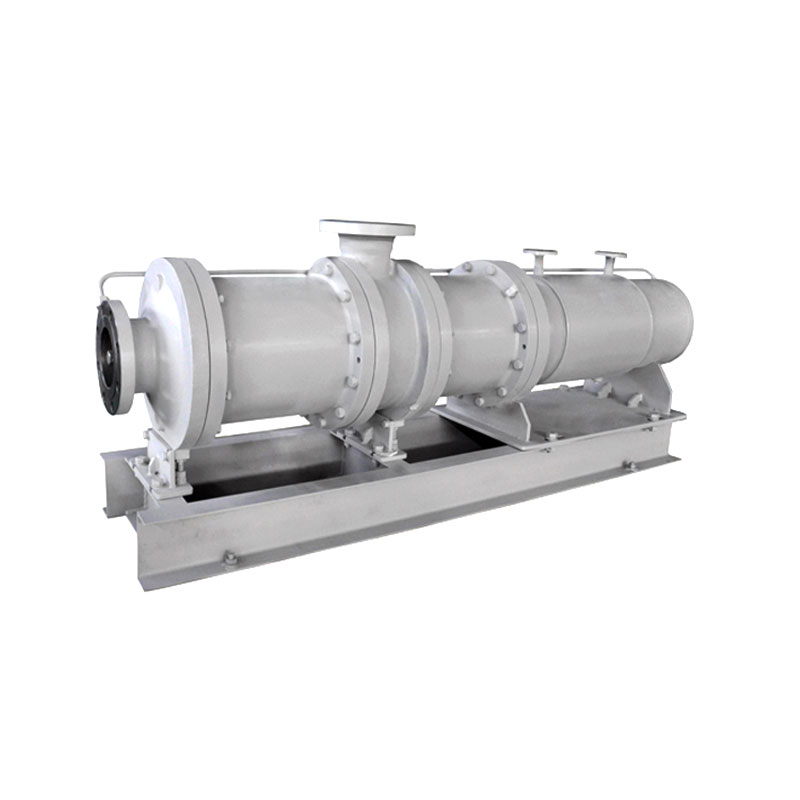
.jpg "Axially Split Horizontal Multistage Pump")


 ENG
ENG

 TOP
TOP