

 inquiry Now

 English
 русский
 عربى
عربى
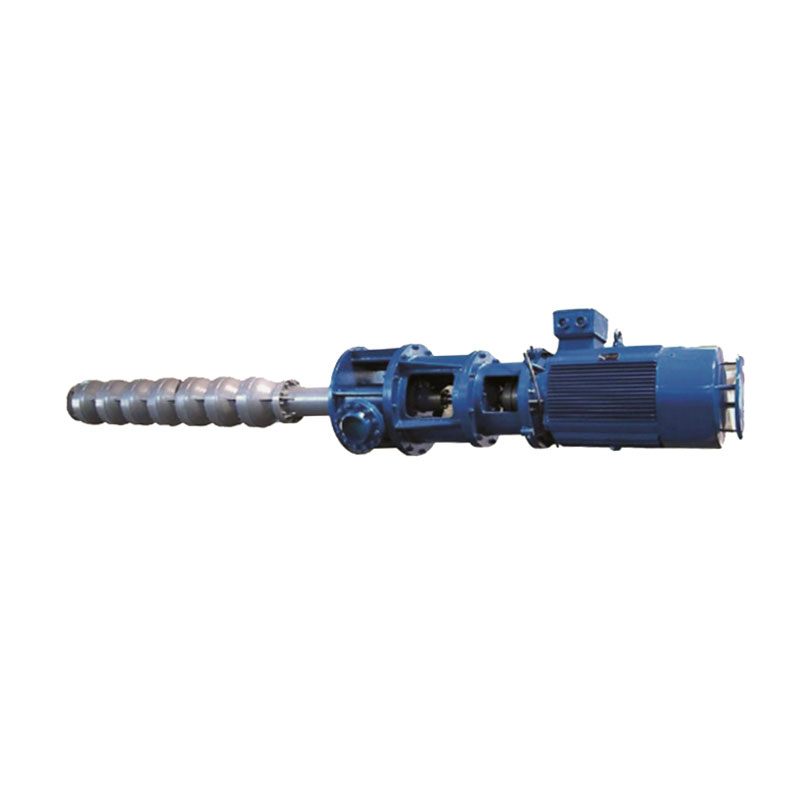
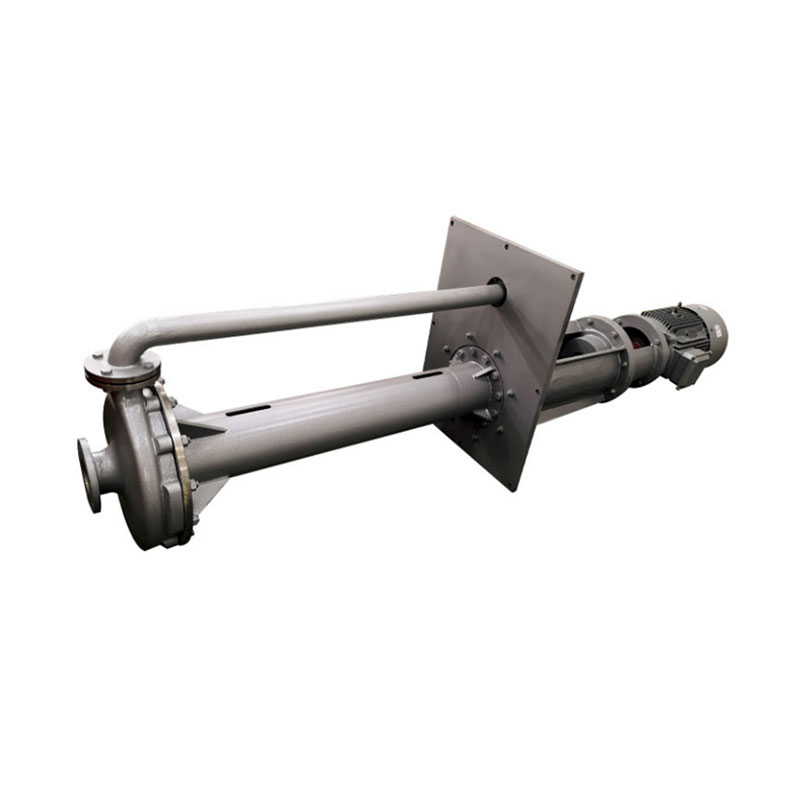
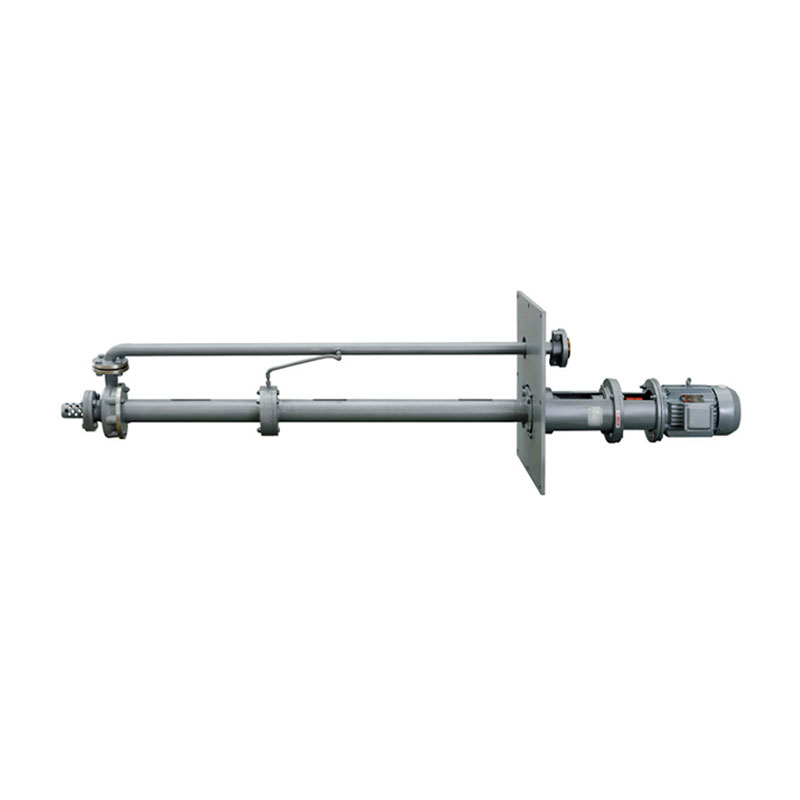
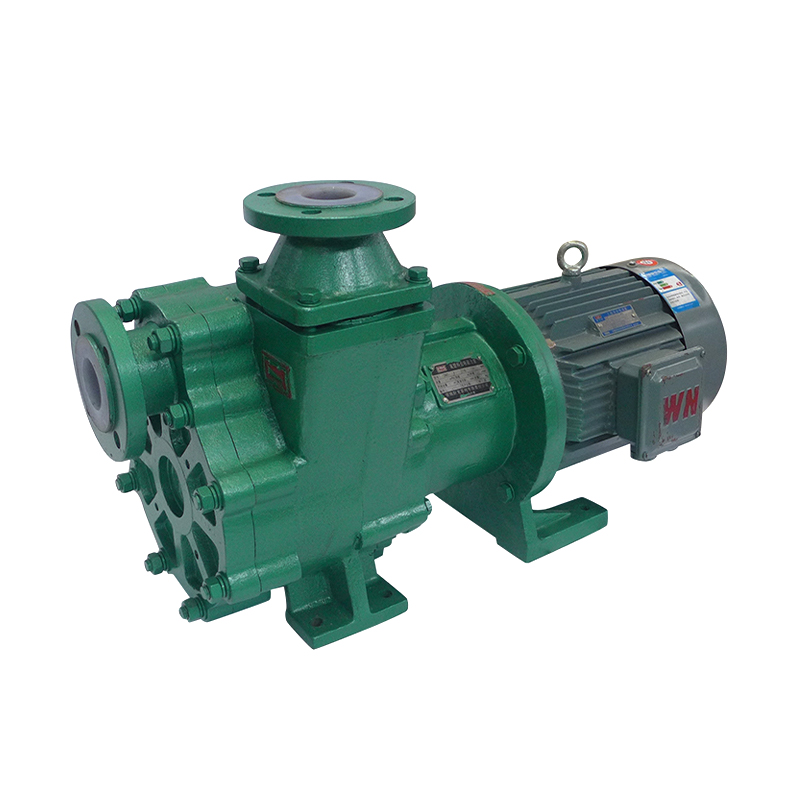
Specification
| Documentation Parameter | Factory Standard Specification |
|---|---|
| Schematic Mapping Formats | High-resolution 2D cross-sections and 3D exploded solid models |
| Parts Identification Standard | Unique alphanumeric coding cross-referenced with Mill Certificates |
| Dimensional Compliance | Strict adherence to ISO 2858 ANSI B73.1 or API 610 structural lines |
| Tolerance Mapping Indices | Micrometer-level clearance specifications noted for wear rings |
| Fastener Specification Lists | Complete thread grading torque limits and tightening patterns |
| Sealing Interface Matrix | Detailed maps for O-rings oil seals and mechanical cartridge setups |
| Bearing Geometry Definitions | Exact model callouts for heavy-duty angular contact or roller types |
| Material Traceability System | Full casting melt number links noted on primary parts lists |
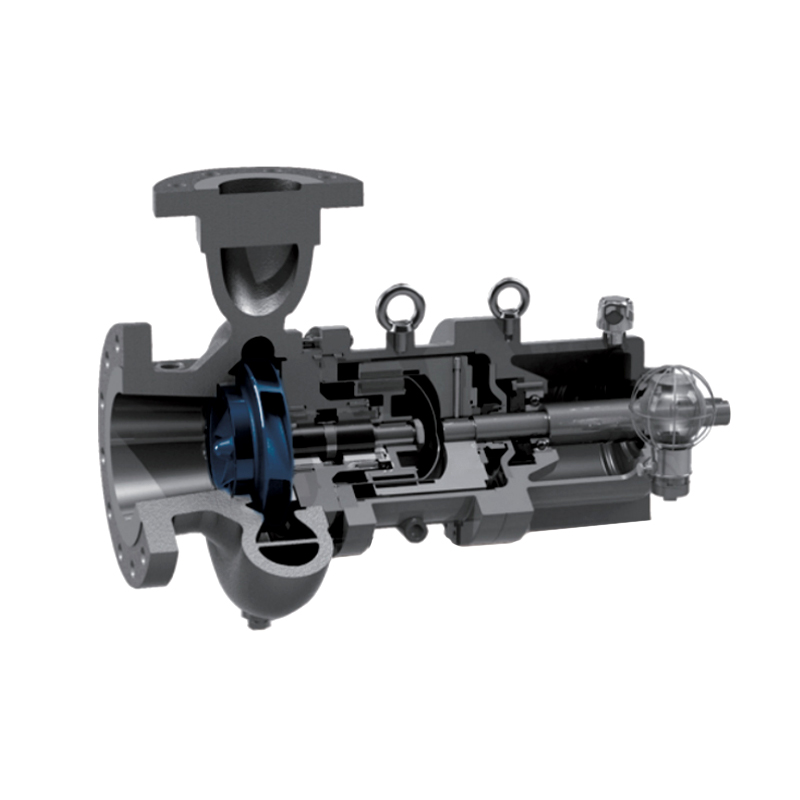
The structural layout of our parts documentation uses specialized geometric indexing to ensure that every internal item, from the secondary containment shroud down to the smallest grease nipple, is assigned a distinct factory callout reference. Shell sections, shaft keys, and locking nuts are illustrated in their precise sequential assembly locations, allowing plant engineers to calculate total thread engagement metrics and evaluate potential stress points prior to execution. Structural gaskets are mapped with precise material code indicators, ensuring correct fluid compatibility adjustments.
Our manufacturing guidelines guarantee that all exploded technical schematics provide specific torque values for every primary bolt connection, preventing localized overtightening that deforms casing seals or causes shaft binding. All machined components are verified via laser coordinate tracking to match the exact dimensions printed in the schematic logs, ensuring that drop-in replacement parts operate with zero clearance errors and maintain optimal efficiency loops over long duty lifespans.
Application
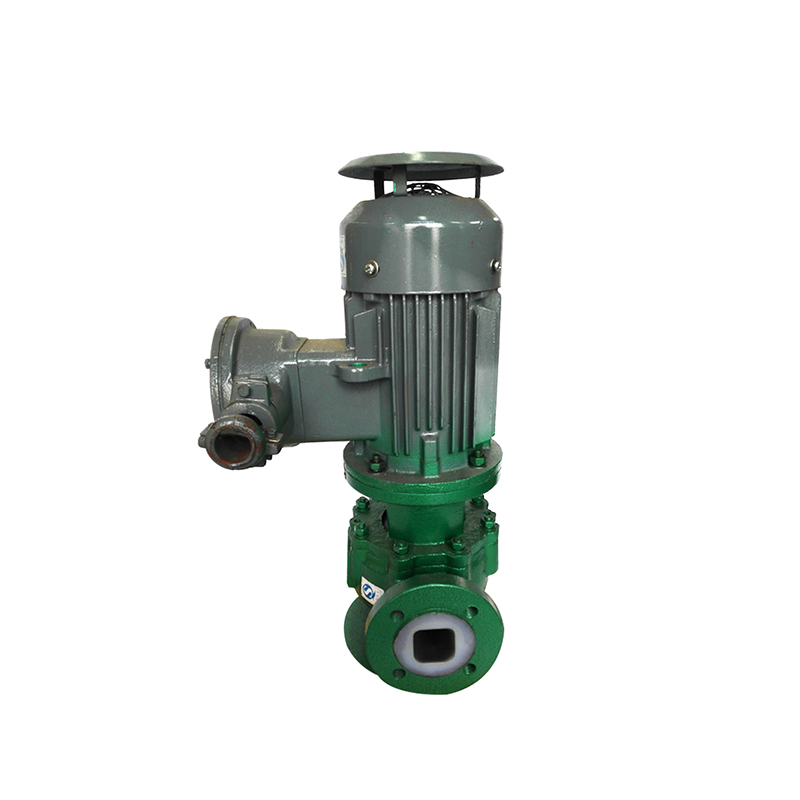
Exploded view industrial equipment packages are vital across large continuous flow processing complexes, global chemical plants, and municipal water stations where maintenance delays carry heavy financial penalties. Chemical manufacturing complexes utilize these highly detailed parts schematics within automated maintenance planning loops, allowing engineers to check parts inventories, verify lead times, and procure seal kits weeks before a scheduled reactor shutdown occurs.
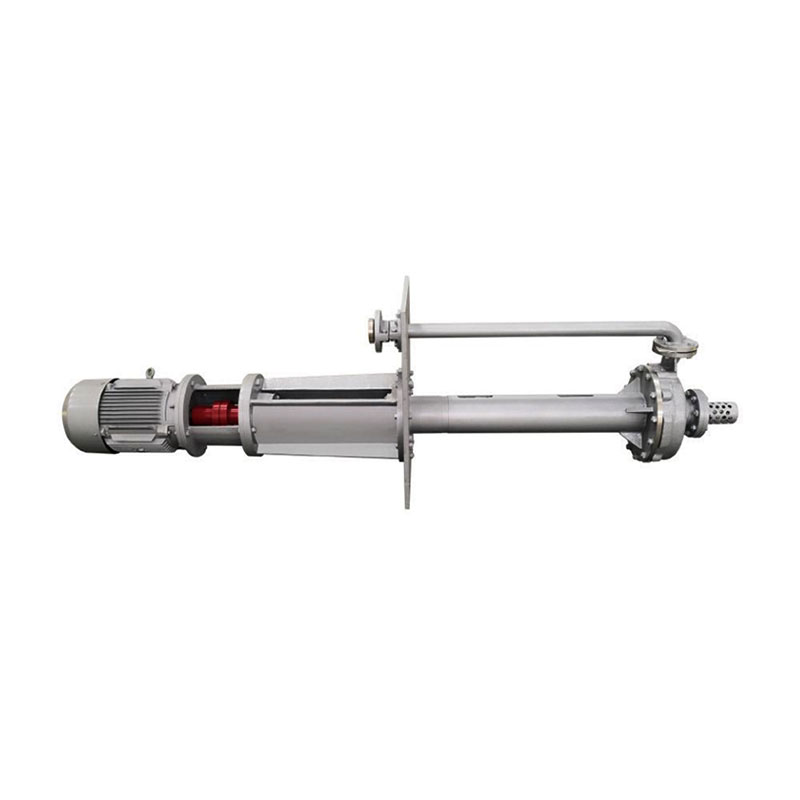
In the commercial mining and mineral processing sector, these clear structural maps are heavily implemented at remote site installations. Field mechanics working under challenging environmental conditions utilize the axial component tracking to disassemble thick-walled slurry pumps, replace worn high-chrome impellers, and install fresh side wear liners without structural alignment errors, keeping mine dewatering lines operating with high volumetric consistency.
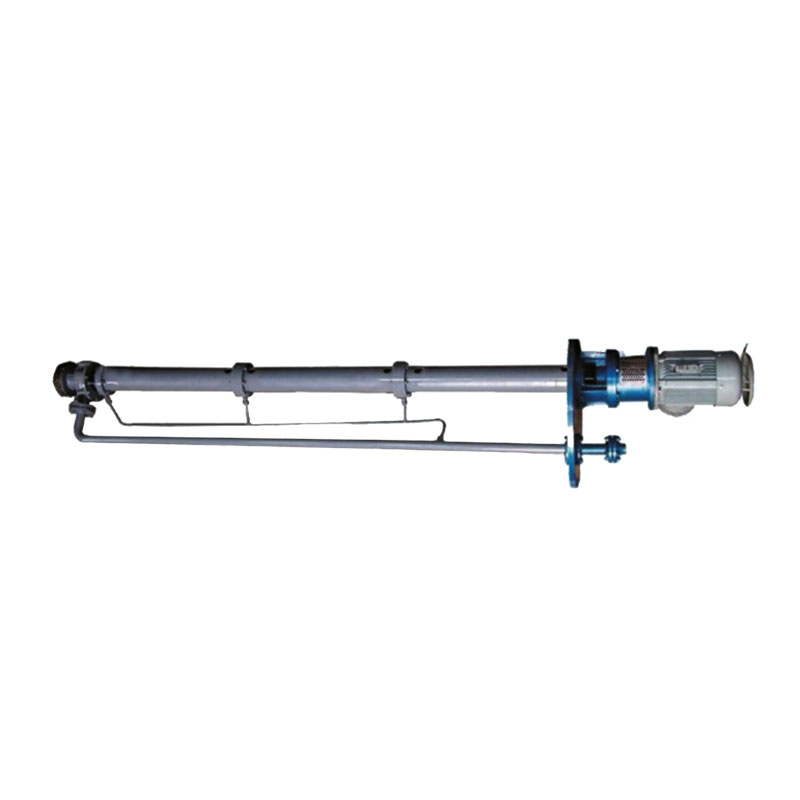
Additionally, global marine fleet operators, large paper pulp mills, and oil refining yards deploy these documented pump assemblies to train maintenance crews, standardize field repair protocols, and manage global spare parts distribution networks. The absolute precision of the component mapping enables rapid field servicing, providing reliable system integration that guarantees continuous, worry-free manufacturing operation across all processing shifts.
Advantage
Choosing our exploded view heavy duty industrial pumps brings immediate maintenance optimization benefits, shortened servicing windows, and total asset tracking clarity to processing networks. The primary advantage is the exceptional reduction in Mean Time to Repair (MTTR). By providing clear, sequential axial diagrams of every component interface, field mechanics can skip diagnostic teardowns and move straight through assembly steps safely, cutting repair labor hours by up to forty percent during critical emergency shutdowns.
Our advanced manufacturing complex integrates precise alphanumeric part callouts linked directly to our central inventory database. This clear identification system ensures that procurement officers order exact drop-in wear components based on original factory dimensions, completely eliminating the risk of buying mismatched generic components that leak, damage shafts, or cause catastrophic dynamic unbalance failures inside the fluid loop.
Furthermore, the inclusion of clear torque limits and micrometer clearance indices within the technical documentation ensures that rebuilt pumps are restored to original factory performance benchmarks. Maintaining proper internal tolerances prevents internal fluid recirculation back to the impeller eye, minimizes mechanical vibrations, and preserves high hydraulic efficiency, helping facility managers lower total cost of ownership and achieve green plant performance targets.


 ENG
ENG

 TOP
TOP