

 inquiry Now

 English
 русский
 عربى
عربى
Specification
| Design Variable | Factory Standard Specification |
|---|---|
| Volute Priming Volume | Optimized dual-chamber retention block |
| Maximum Flow Velocity | Up to 450 cubic meters per hour single-stage |
| Maximum Static Suction Lift | Up to 6.5 meters vertical lift capacity |
| Impeller Geometric Design | Semi-open or enclosed non-clogging profiles |
| Shaft Seal Architecture | Silicon Carbide cartridge single or double mechanical |
| Casing Material Grades | Ductile Iron SS304 SS316L or Rare Earth Steel Alloy |
| Flange Connection Norms | ANSI B16.5 Class 150 or DIN PN16 structural standard |
| Bearing Assembly Design | Heavy-duty oil-lubricated double row ball bearings |
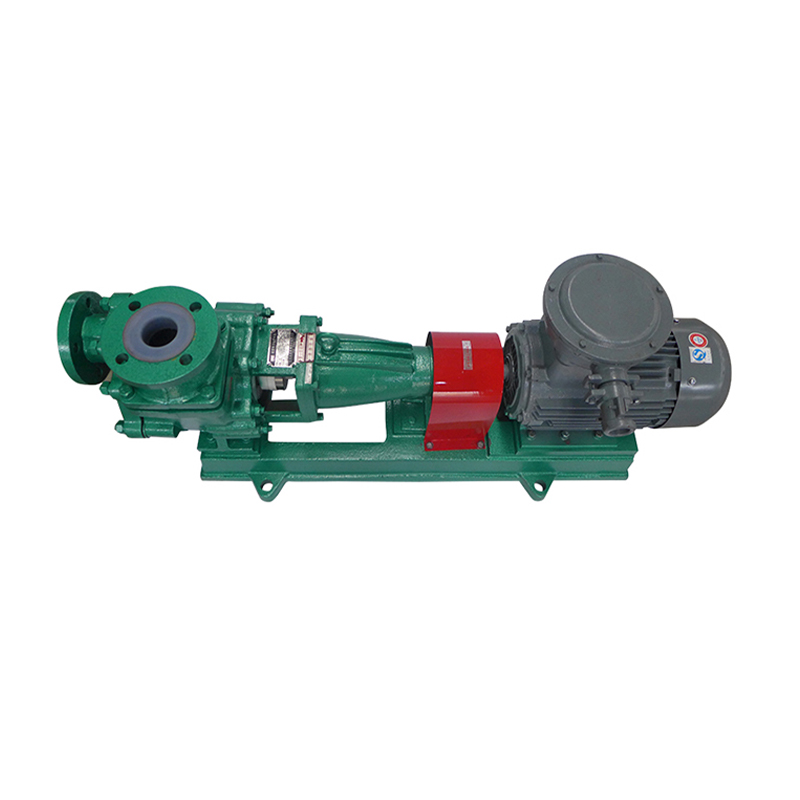
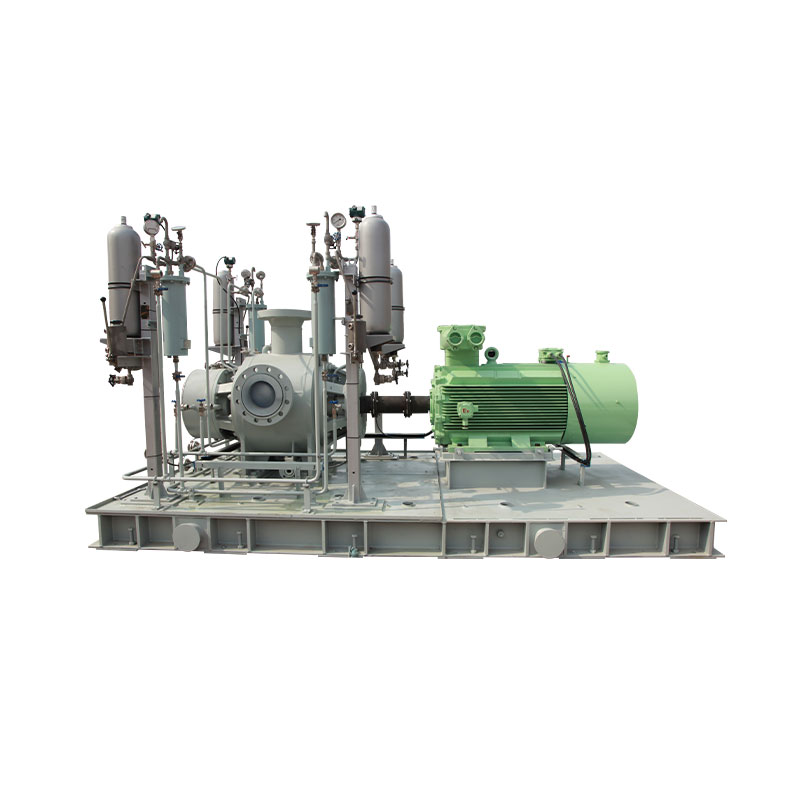
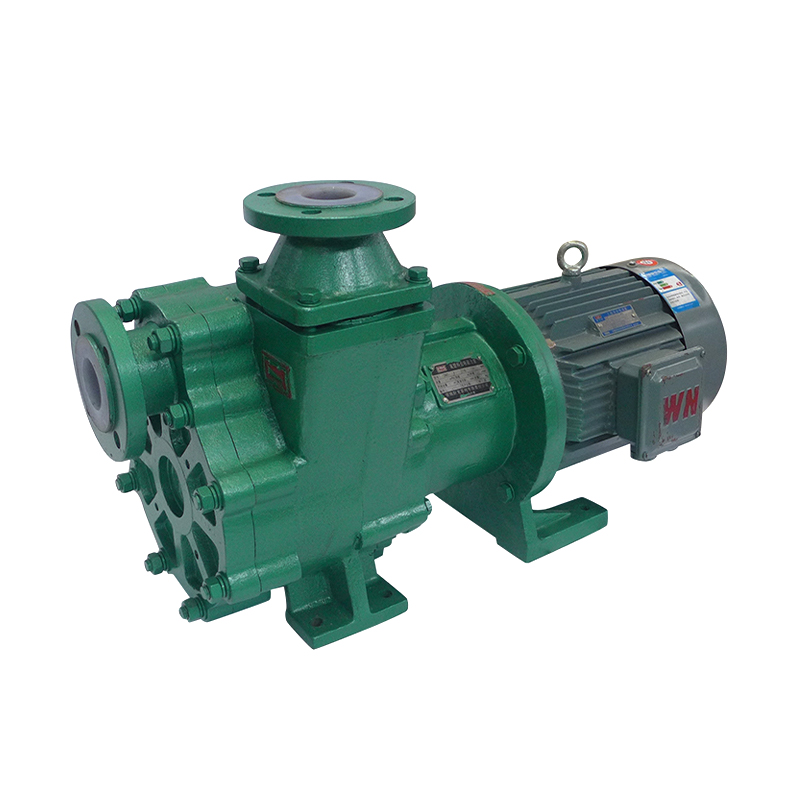
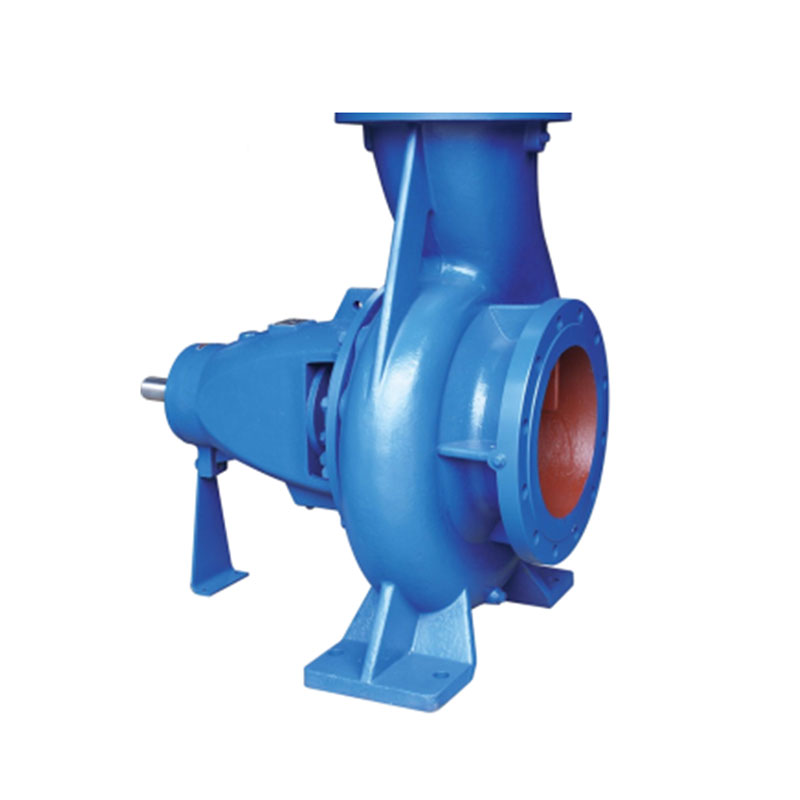
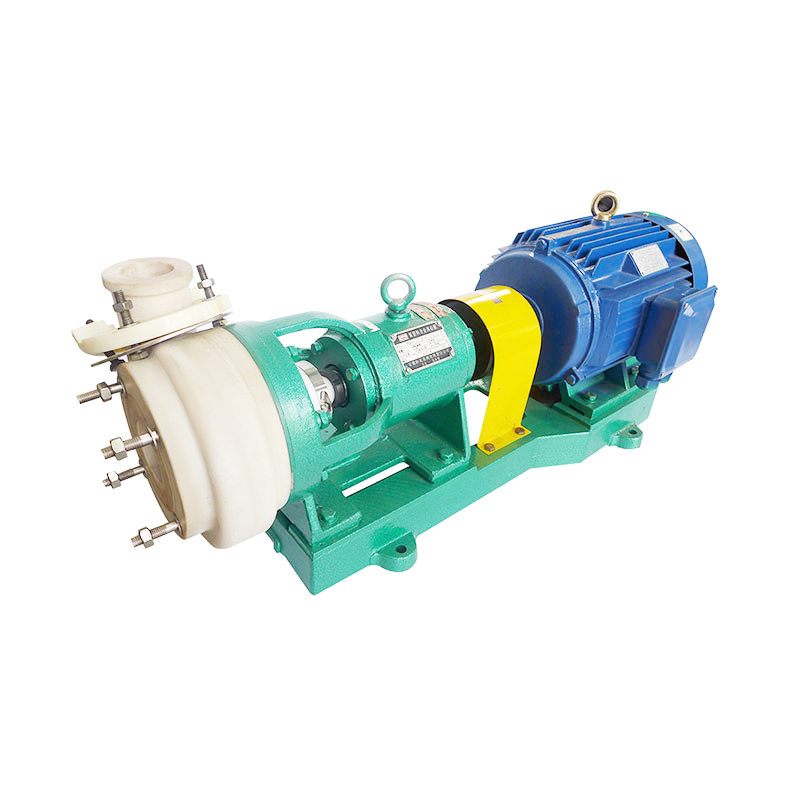
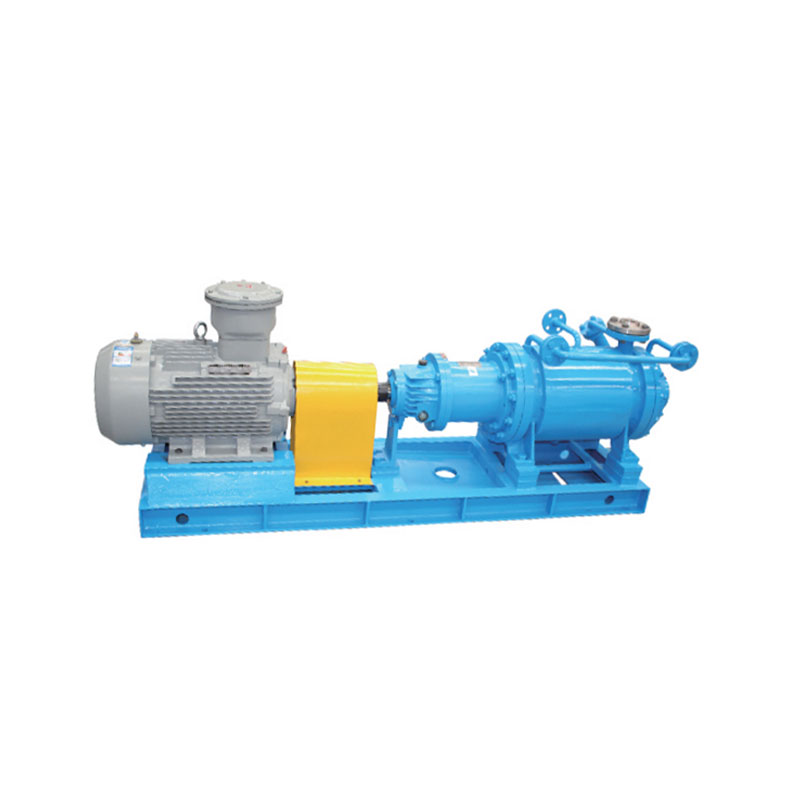
The physical thickness of the main casing walls is carefully calculated using computational structural mapping to endure continuous internal pressure surges and heavy hydraulic stresses. The semi-open impeller option is engineered with back-vanes that actively push solids away from the mechanical seal face area, preventing premature wear and localized heating elements. This design ensures that minor slurry percentages can be handled without compromising internal tolerances.
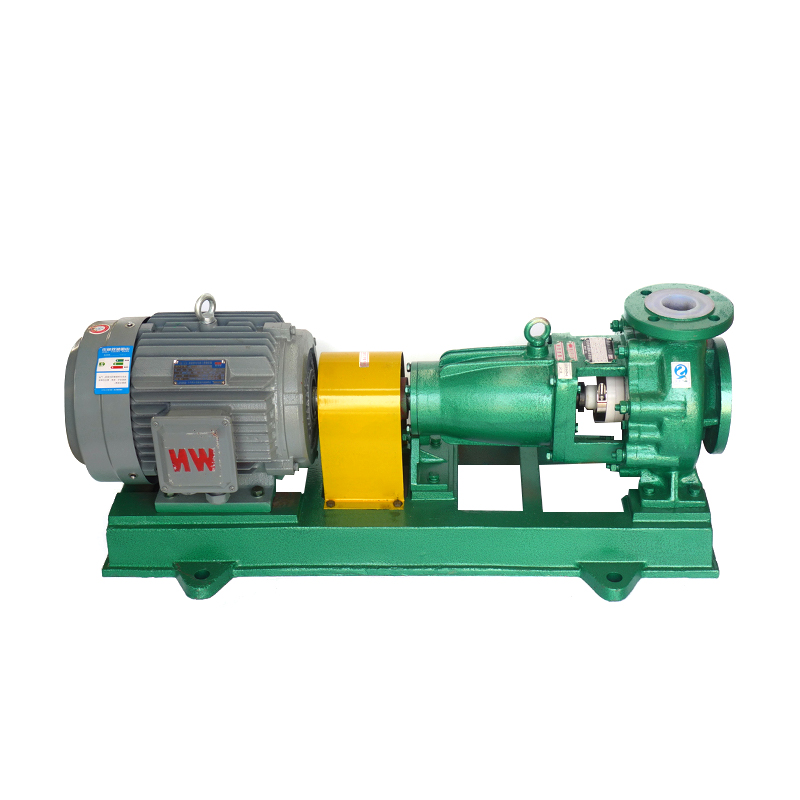
Our engineering parameters guarantee that the air-separation mechanism within the upper discharge chamber works with absolute velocity, allowing air to escape freely while directing liquid back to the bottom of the volute for continued priming cycles. The entire assembly is coupled directly or via spacer couplings to industrial electric motors, enabling rapid maintenance of the bearing and seal components without disturbing the suction or discharge pipe alignment structures.
Application
Self-priming fluid transport configurations are mandatory in heavy industrial applications where liquid levels sit below the centerline of the pump inlet flange. Industrial chemical manufacturing installations deploy these systems for chemical tank car unloading, where top-sump suction lines are required to eliminate bottom drain valves that are highly prone to hazardous leakage. The ability to handle air pockets makes them ideal for evacuating volatile liquids from subterranean storage reservoirs safely.
In the municipal and environmental engineering sector, these centrifugal units are standard within industrial stormwater drainage systems and wastewater processing plants. They efficiently transfer raw sewage, stormwater runoff, and treated effluents containing small stringy fibers or suspended solids. The lack of a foot valve ensures that common pipeline blockages caused by debris accumulation are completely eliminated, minimizing maintenance labor overhead.
Additionally, heavy industrial manufacturing plants utilize these pumps within raw water filtration intake loops, paper pulp processing mills, and marine bilge drainage applications. The consistent vacuum generation capability allows industrial facilities to maintain constant water supply loops from rivers, ponds, or cooling basements, providing reliable system integration that guarantees continuous, worry-free manufacturing operation across all processing shifts.
Advantage
Implementing our industrial self-priming centrifugal pumps offers major commercial and mechanical advantages to fluid processing networks. The principal benefit is the complete elimination of expensive and high-maintenance foot valves. Standard foot valves are notorious for sticking open due to sand or debris, which forces operators to manually prime lines before each operational cycle. By moving the priming mechanism inside the pump body, your facility gains absolute automation and reliability.
Our engineering protocol integrates thick-walled, high-grade alloys that resist both abrasive erosion and chemical corrosion over extended periods. The oversized oil-bath bearing frames dissipate heat with high efficiency, preventing localized oil degradation and significantly extending the mean time between bearing maintenance overhauls. This results in lowered direct operating costs and increased equipment uptime parameters.
From a structural maintenance perspective, the back-pull-out design allows complete rotating assemblies to be extracted for routine servicing while leaving the casing and pipe network firmly bolted in place. This simplification minimizes production downtime, eliminates the need for specialized pipe fitting crews during seal replacements, and ensures that plant engineers can manage field repairs quickly and safely, maximizing overall factory productivity.


 ENG
ENG

 TOP
TOP