

 inquiry Now

 English
 русский
 عربى
عربى
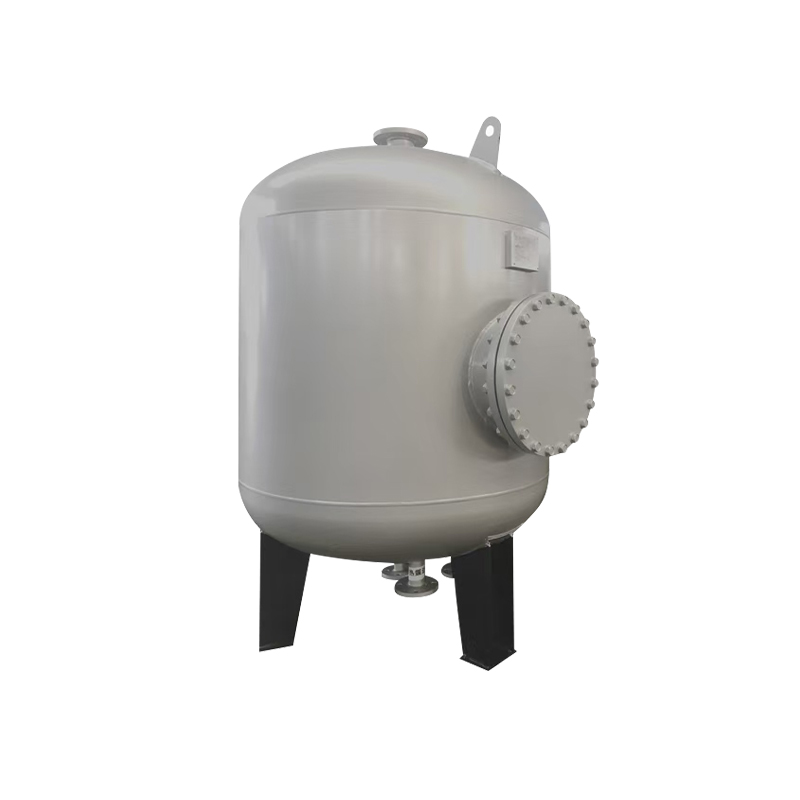
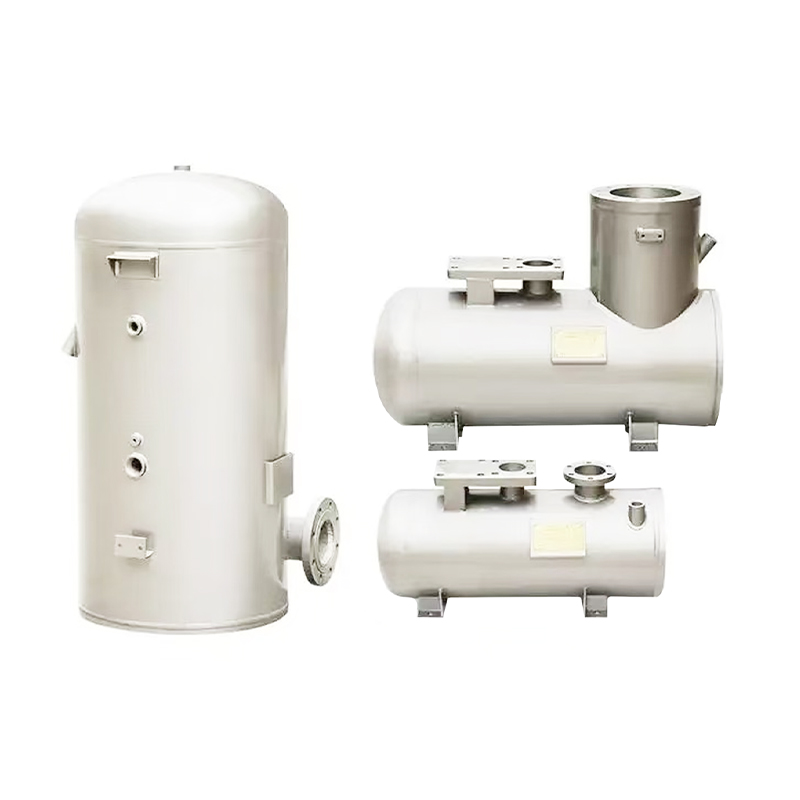
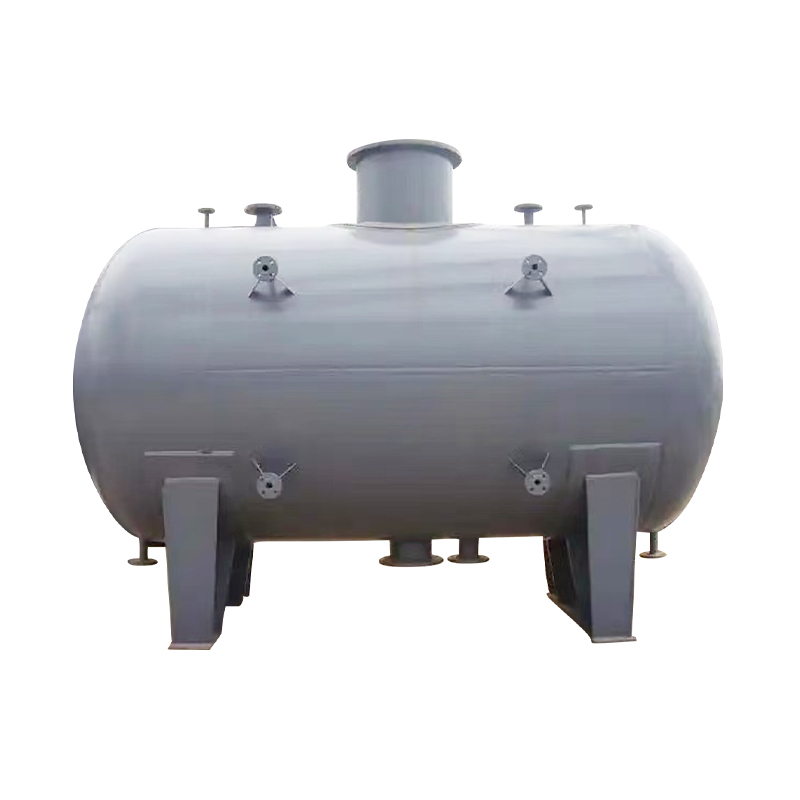
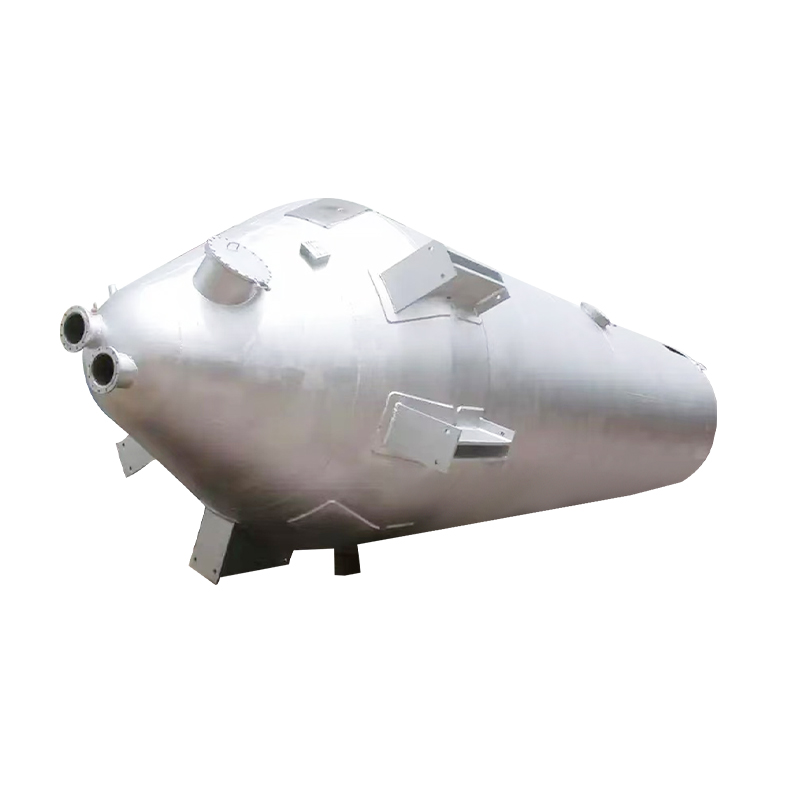
Specification
| Compliance Variable | Factory Standard Specification |
|---|---|
| Code Certification Standard | ASME Section VIII Division 1 U-Stamp or UM-Stamp certified |
| Volumetric Capacity Range | 0.5 cubic meters up to 75 cubic meters custom fabrication |
| Maximum Pressure Rating | Standard 1.6 MPa up to 25 MPa high-pressure code boundaries |
| Material Selection Matrix | SA516 Grade 70 Carbon Steel SA240 SS316L or Duplex 2205 |
| Welding Qualifications | ASME Section IX qualified welders using SAW and GTAW methods |
| Head Geometry Profiles | Elliptical 2:1 Hemispherical Torispherical or flat flanged |
| Corrosion Allowance Index | 1.5 mm to 6.0 mm engineered based on fluid specification |
| Radiographic Examination | Spot or Full RT-1/RT-2 x-ray weld validation protocols |
The internal chemistry and mechanical tensile limits of our pressure plates are fully verified via Mill Test Reports matching ASME SA516 standards, guaranteeing uniform yield strength values across the entire plate surface area. Shell plates are rolled with high geometric accuracy to minimize ovality errors, ensuring that internal stresses are distributed evenly when subjected to intense internal gas or liquid pressure volumes. Structural nozzles are fitted with reinforced pad blocks where required by strict design calculations to prevent localized cracking at connection points.
Our manufacturing parameters guarantee that all pressure vessels undergo thermal stress relief heat treatment if required by wall thickness indices, removing internal residual stresses created during cold rolling and welding sequences. Flanged openings utilize high-pressure forged steel hubs machined to absolute flatness, ensuring tight gasket compression and preventing microscopic gas leakage when integrated into automated chemical processing lines or high-pressure steam distribution networks.
Application
ASME standard pressure configurations are mandatory in heavy industrial applications where the containment of high-pressure or hazardous media is restricted by localized safety laws and insurance compliance frameworks. Oil and gas refineries and petrochemical processing complexes deploy these certified vessels as chemical separators, gas accumulation headers, and high-pressure flash tanks, where raw hydrocarbons must be stabilized under tight chemical pressure boundaries without any environmental release.
In the global chemical manufacturing and fertilizer production sector, these vessels are widely implemented as chemical reactor shells, catalyst holding towers, and high-pressure storage systems for aggressive liquids like anhydrous ammonia or concentrated acids. The absolute adherence to international safety codes ensures that processing plants can operate near urban centers or large labor spaces without compromising safety safety metrics or risking catastrophic insurance liabilities.
Additionally, heavy manufacturing facilities, large water treatment complexes, and power generation utilities integrate these certified structures as high-volume air receivers, boiler steam drums, and multi-pump system surge dampeners. The exceptional build quality and verified mechanical characteristics allow industrial complexes to maintain continuous processing and fluid supply loops, providing reliable system integration that guarantees continuous, worry-free manufacturing operation across all shifts.
Advantage
Implementing our industrial ASME standard pressure vessels offers major commercial and regulatory advantages to heavy fluid processing networks. The principal benefit is the absolute legal and insurance compliance provided by the ASME U-stamp registration. Sourcing certified code vessels eliminates the risk of local industrial safety regulatory boards shutting down your plant due to non-compliant equipment, while significantly lowering facility workplace insurance premiums and passing international safety audits with zero configuration delays.
Our engineering fabrication protocol integrates full volumetric radiographic testing across primary weld paths, completely eliminating internal porosities, slag inclusions, or micro-voids that trigger sudden catastrophic metal fatigue cracks under cyclic pressure loads. The inclusion of generous corrosion allowances ensures that shell walls retain their structural pressure-bearing capacity over decades of continuous service despite handling mildly aggressive process media.
From a long-term capital investment perspective, these high-durability vessels provide exceptional lifecycle value compared to uncertified non-code tanks. By utilizing precision head forming and thermal stress relief treatments, our vessels resist structural deformation and intergranular corrosion, minimizing unexpected maintenance downtime, reducing inspection frequency requirements, and ensuring that plant engineers can manage high-pressure systems with total peace of mind, maximizing overall factory productivity.


 ENG
ENG

 TOP
TOP