

 inquiry Now

 English
 русский
 عربى
عربى
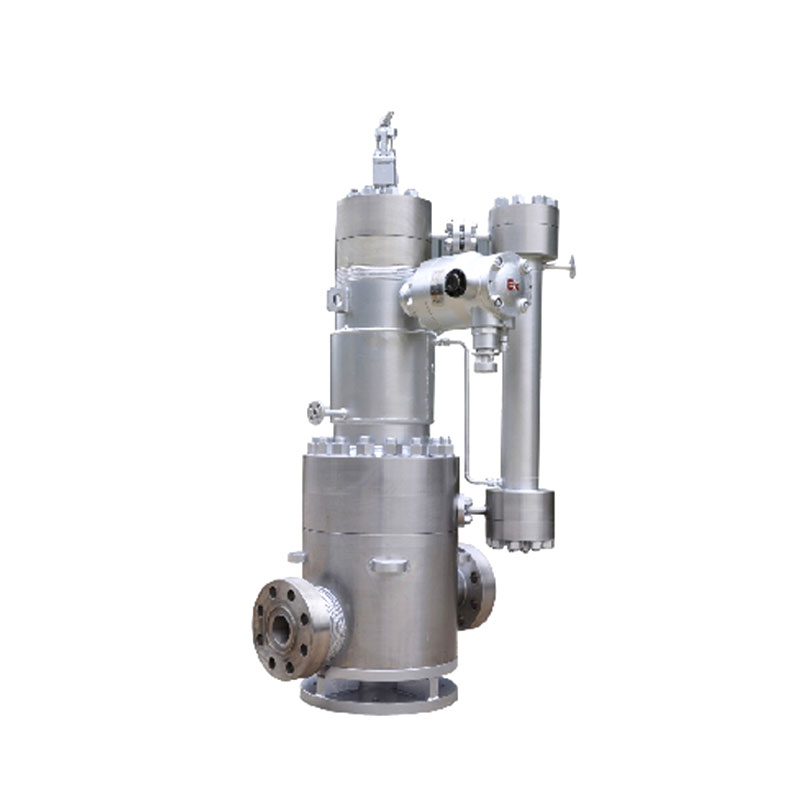
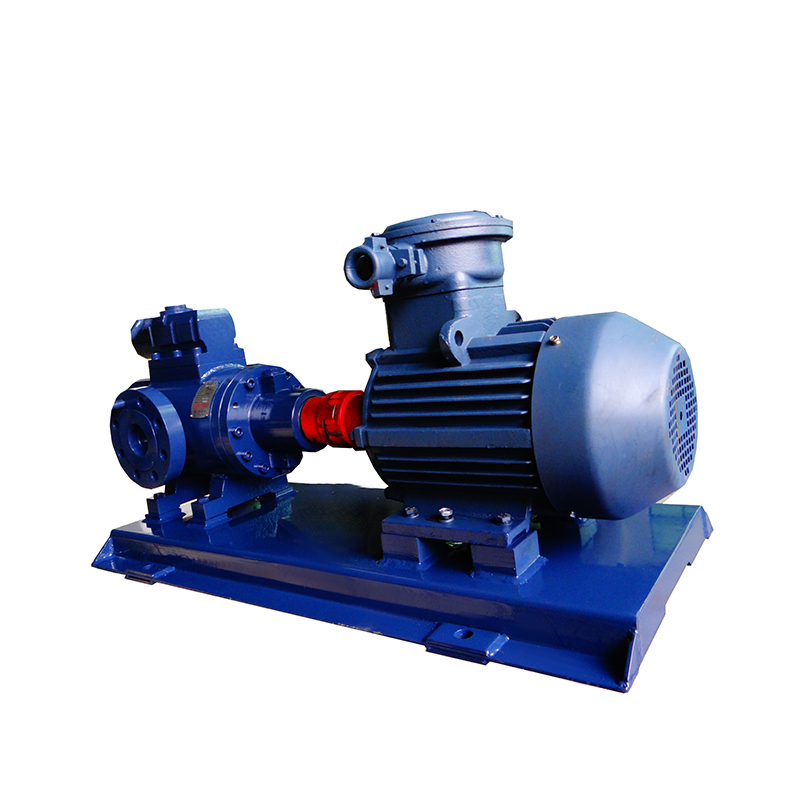
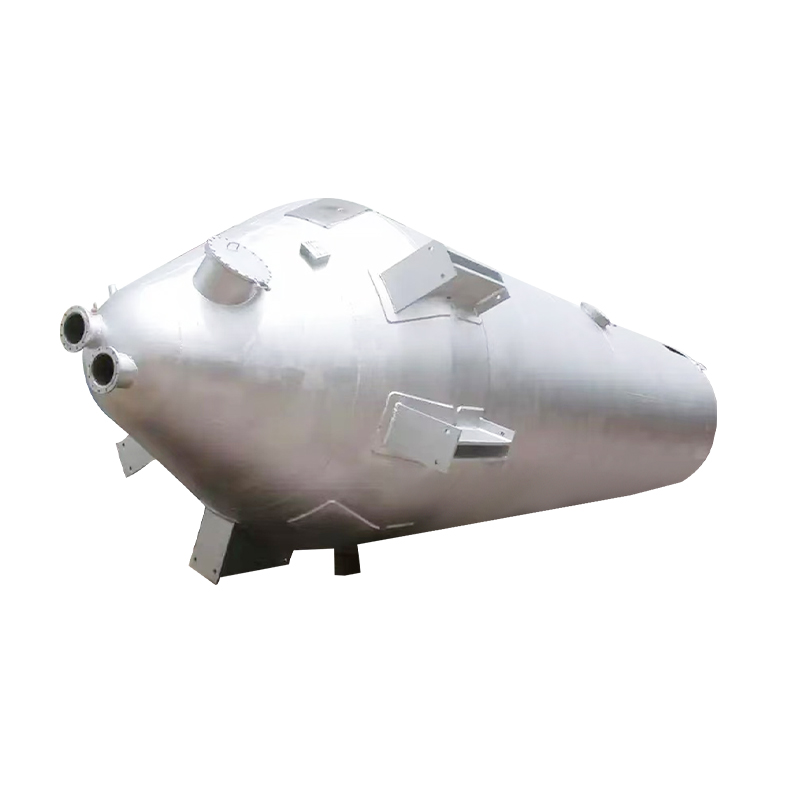
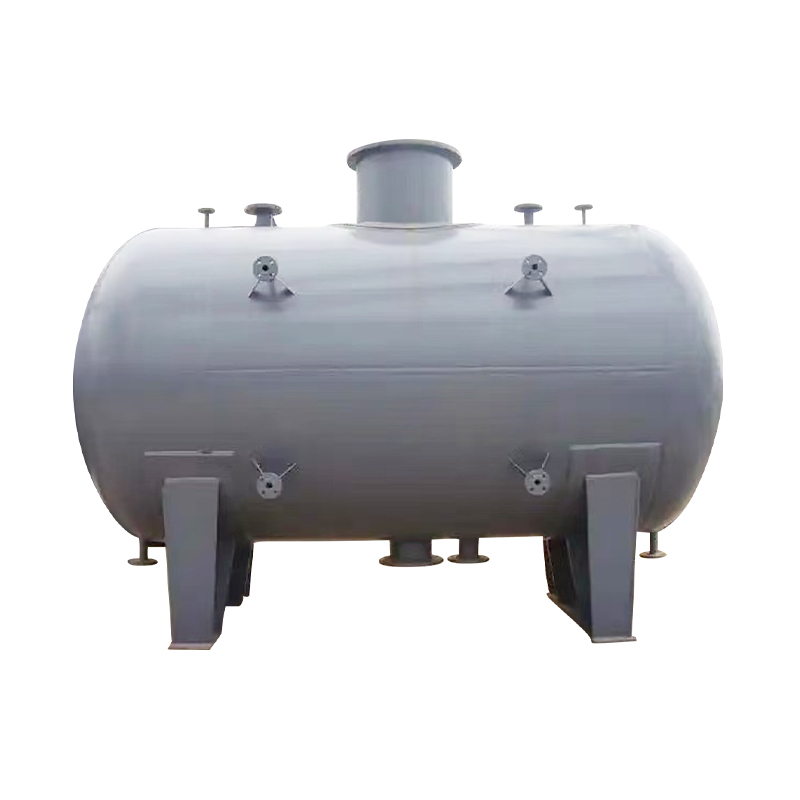
Specification
| Design Variable | Factory Standard Specification |
|---|---|
| Pressure Delivery Limit | From 10 MPa up to 100 MPa custom high-pressure range |
| Volumetric Displacement | 1.2 to 85 cubic meters per hour based on stroke speed |
| Plunger Composition Metallurgy | Solid Diamond-ground Alumina Ceramic or Tungsten Carbide |
| Fluid-End Monoblock Material | Forged Carbon Steel Forged SS316L or Duplex 2205 |
| Crankcase Lubrication Type | Full splash lubrication or integrated pressure oil pump |
| Valve Configuration Style | Spring-loaded disc valves or high-precision ball valves |
| Drive Arrangement System | Direct coupling V-belt reduction or internal gear reducer |
| Packing Cooling System | Integrated internal cooling jacket for high thermal lines |
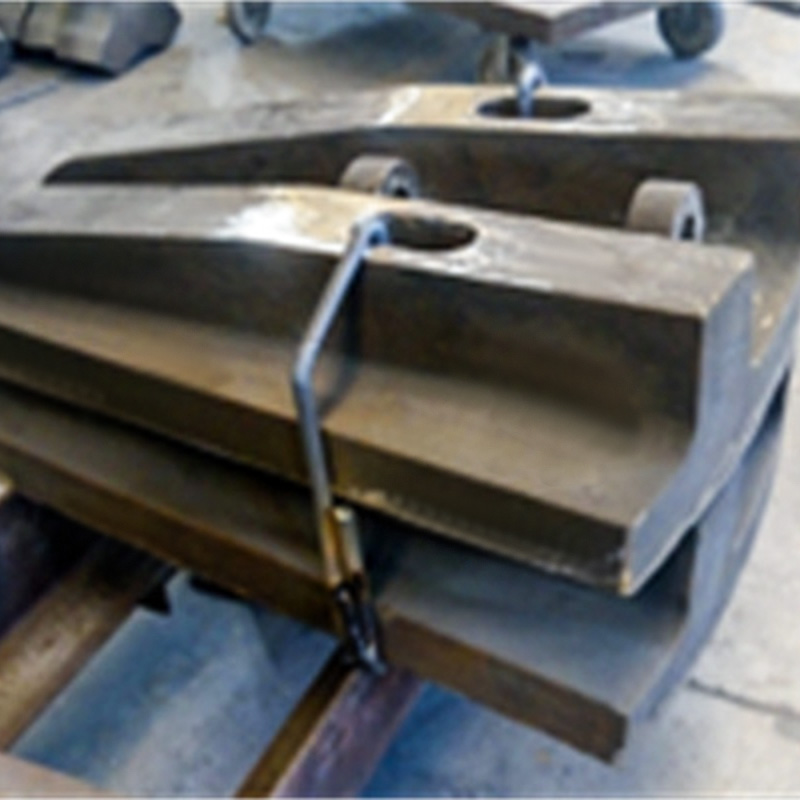
The structural block of the fluid-end is machined from a single piece of forged alloy steel to eliminate internal stress concentration lines and welding vulnerabilities. The solid ceramic plungers feature an incredibly low surface roughness index, which dramatically reduces friction against the stationary braided packing rings, preventing early seal failures and localized heat generation elements. This design ensures that continuous high pressure can be sustained without losing volumetric efficiency.
Our engineering parameters guarantee that the spring-loaded suction and discharge valves seat with absolute precision, preventing fluid backflow or pressure drops during the compression stroke. The entire crankcase assembly features integrated cooling fins and heavy oil reservoirs, allowing the internal crankshaft and connecting rod journals to operate continuously under heavy structural loads without requiring complex external oil conditioning loops.
Application
High pressure plunger configurations are mandatory across heavy industrial sectors where fluid must be driven into systems operating under intense static pressure. Oil and gas production fields utilize these systems for secondary oil recovery water flooding, chemical scale inhibitor injection, and high-pressure wellhead control applications. The absolute positive displacement mechanism ensures that chemical fluids are delivered reliably despite variable resistance pressures.
In metallurgical manufacturing facilities and heavy machinery sectors, these units are standard within hydraulic accumulation loops, high-pressure descaling lines, and industrial steel surface cleaning systems. They effectively strip mill scale, oxide layers, and tough manufacturing residues from hot-rolled steel blocks with high efficiency. The lack of slip ensures that high-velocity spray nozzles operate at continuous, unyielding design pressures, minimizing process optimization errors.
Additionally, chemical synthesis plants and environmental engineering systems utilize these pumps within high-pressure reverse osmosis water purification loops, chemical reactor feeding networks, and high-pressure pipe cleaning operations. The high-vacuum suction capacity combined with exceptional pressure generation allows industrial complexes to maintain stable fluid inputs, providing reliable system integration that guarantees continuous manufacturing operation across all processing shifts.
Advantage
Implementing our high pressure industrial plunger pumps offers major commercial and mechanical advantages to fluid processing networks. The principal benefit is the exceptional mechanical efficiency of the positive displacement design. Unlike centrifugal pumps that suffer severe efficiency losses when operating against high discharge heads, plunger systems maintain a constant hydraulic efficiency exceeding eighty-eight percent, resulting in lowered power consumption and minimized electrical utility costs across your facility.
Our engineering protocol integrates solid, diamond-ground ceramic plungers that exhibit extreme hardness and chemical inertness over extended periods. The oversized crosshead guides and connecting rod bearings distribute structural stresses with high efficiency, preventing localized wear and significantly extending the mean time between power-end maintenance overhauls. This results in lowered direct operating costs and increased equipment uptime parameters.
From a maintenance perspective, the modular fluid-end design allows individual suction and discharge valve assemblies to be inspected or replaced quickly while leaving the main pump block firmly mounted on the baseplate frame. This structural layout minimizes processing downtime, eliminates the necessity for specialized tools during field servicing, and ensures that plant engineers can manage high-pressure repairs quickly and safely, maximizing overall factory productivity.


 ENG
ENG

 TOP
TOP