

 inquiry Now

 English
 русский
 عربى
عربى
Specification
| Performance Criterion | High-Viscosity System Value Range |
|---|---|
| Maximum Fluid Viscosity | From 10,000 cSt up to 750,000 cSt custom engineering design |
| Volumetric Capacity Output | 1.5 to 95 cubic meters per hour based on RPM tuning |
| Maximum Static Pressure | Up to 2.0 MPa vertical discharge head capability |
| Rotational Speed Tuning | Low-speed drive profile optimized from 50 to 450 RPM |
| Casing Thermal Jacket Options | Full steam conditioning jacket or thermal oil trace blocks |
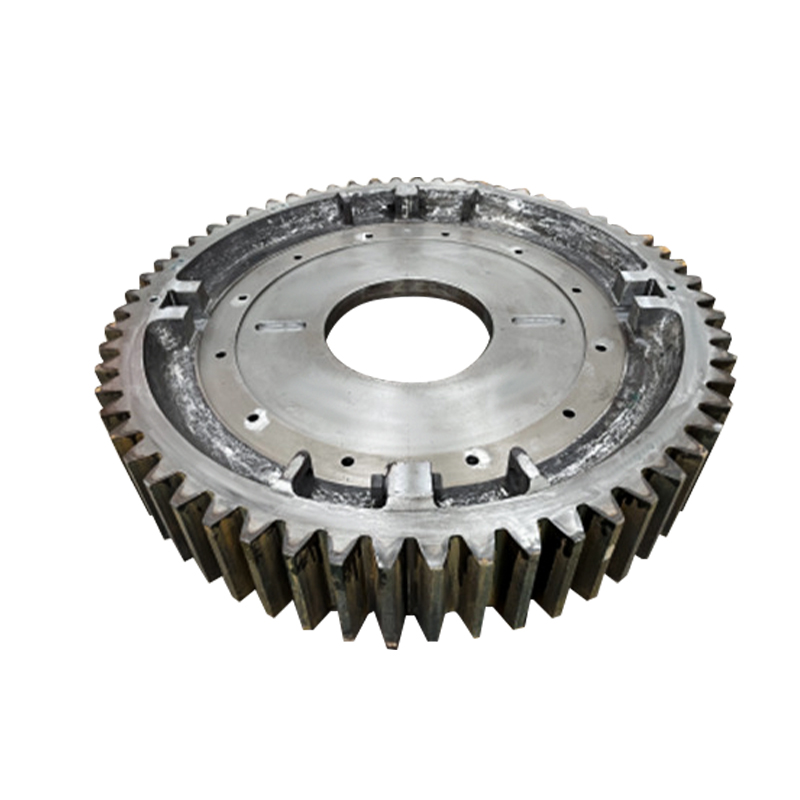
| Rotor Drive Gear Profile | Precision helical or spur gears with optimized back-clearances |
| Shaft Bearing Isolation | Outboard roller bearing configuration with labyrinth seals |
| Inlet Flange Geometry | Oversized rectangular or enlarged ANSI flange openings |
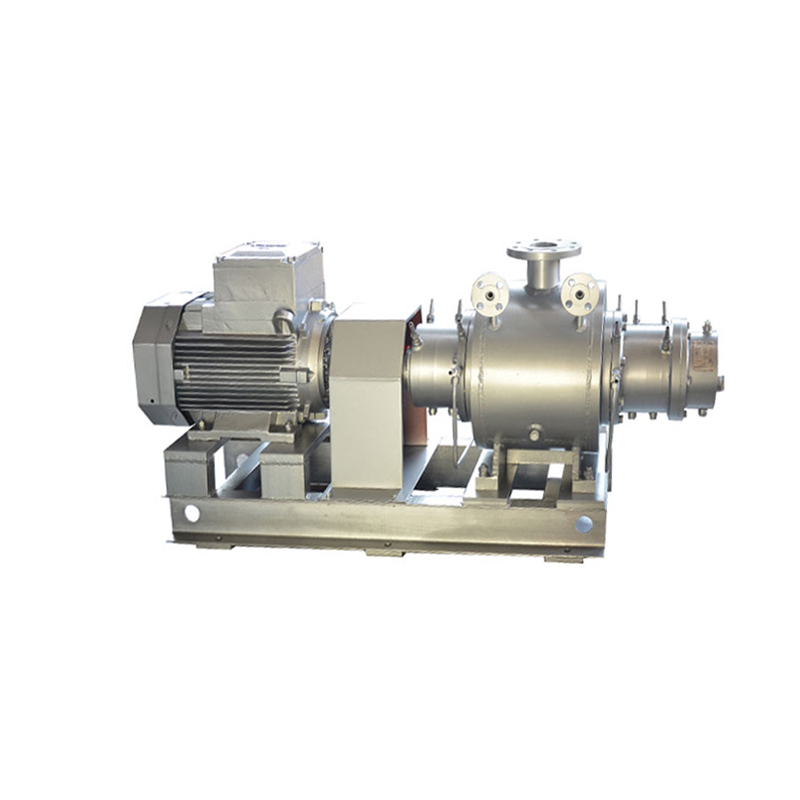
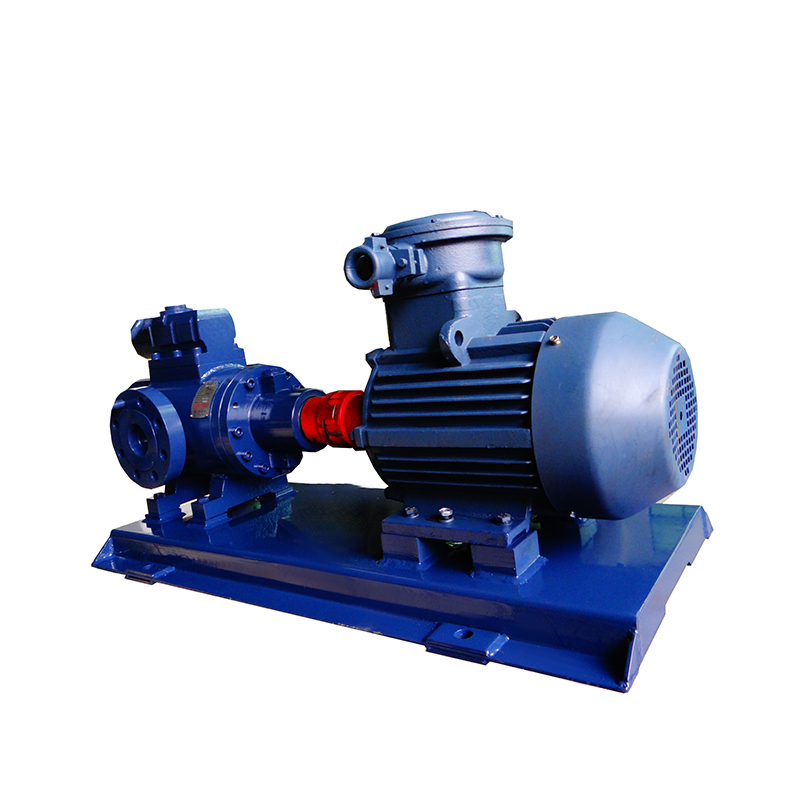
The pump housing features an oversized inlet chamber that expands the physical surface area available to the incoming liquid, reducing the vacuum drop required to fill the gear teeth gaps and preventing incomplete fluid charging. The drive shaft is supported by external outboard roller bearings located completely separate from the internal fluid chamber, preventing corrosive chemical media from compromising the main bearing lubrication oil.
Our factory parameters ensure that internal gear clearances are calculated with specialized tolerance margins that account for thermal expansion variables. When thick fluids are heated to lower their operational viscosity, our components expand evenly without binding or seizing up inside the volute housing, ensuring stable volumetric torque transfer over decades of demanding continuous operation.
Application
High viscosity fluid gear configurations are standard across raw infrastructure and chemical manufacturing plants where product thickness makes kinetic centrifugal pumping impossible. Petroleum refining complexes utilize these heavy-duty units to move heavy bitumen, thick refinery asphalt, tar residues, and high-density fuel oils between heated chemical storage tanks and blending blocks.
In the commercial chemical manufacturing sector, these units are standard within continuous polymer processing lines, liquid silicone filling stations, and high-output adhesive production plants. They transfer thick epoxies, rubber adhesives, and specialized resins smoothly without generating high shear stresses, which protects fragile polymer chains and maintains consistent material quality metrics during high-volume production cycles.
Additionally, large pulp processing facilities, commercial paint manufacturing lines, and heavy soap processing plants deploy these low-speed positive displacement units to move raw black liquors, heavy synthetic pigments, and high-density glycerin mixtures through heated pipeline networks. The stable volumetric discharge rate ensures that processing loops maintain absolute flow consistency, optimizing facility product quality across all manufacturing operations.
Advantage
Choosing our high viscosity fluid transfer gear pumps provides immediate engineering benefits and process optimization to handling networks. The primary advantage is the exceptional low-shear fluid movement achieved via our optimized low-speed helical gear tooth profile. By minimizing internal fluid turbulence and shear stress, we prevent chemical degradation or physical separation inside fragile fluids, ensuring that your raw materials reach reaction vessels with their precise material properties completely intact.
Our advanced manufacturing facility integrates an all-encompassing thermal casing jacket as a standard engineering option. This jacket allows processing teams to circulate steam or heated thermal oils completely around the gear mechanism, pre-heating the internal pump block to fluid processing temperatures and completely eliminating the cold-start structural overloads that snap drive shafts in generic industrial installations.
Furthermore, the use of external outboard roller bearings isolated entirely from the fluid flow path guarantees long-term mechanical reliability. This architectural layout prevents aggressive chemical polymers or abrasive materials from entering the bearing rollers, preserving bearing lubrication purity, minimizing unexpected shaft alignment errors, and lowering long-term maintenance inventory overhead across your facility.


 ENG
ENG

 TOP
TOP