

 inquiry Now

 English
 русский
 عربى
عربى
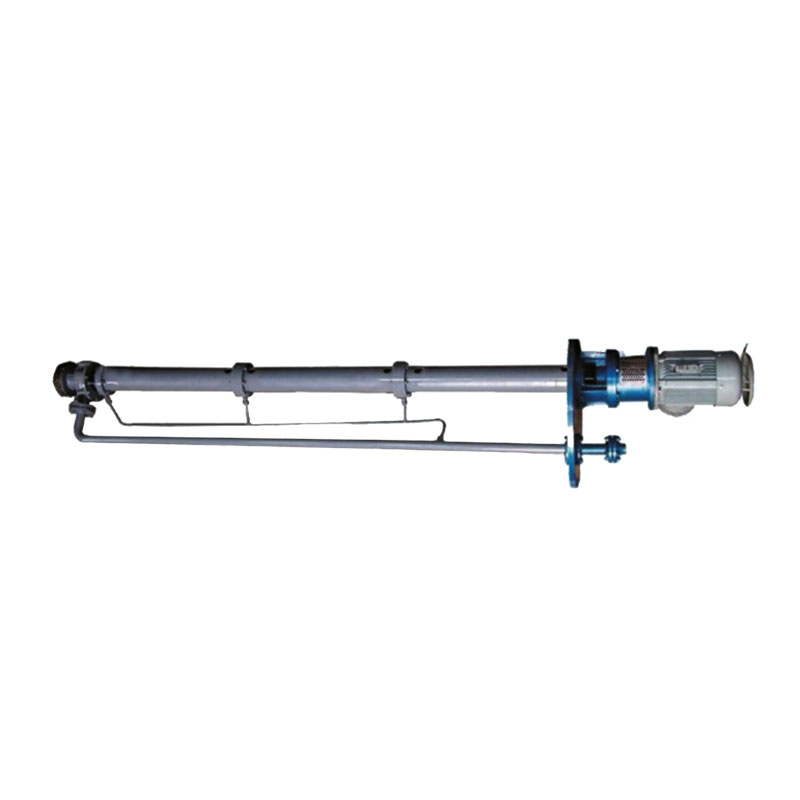
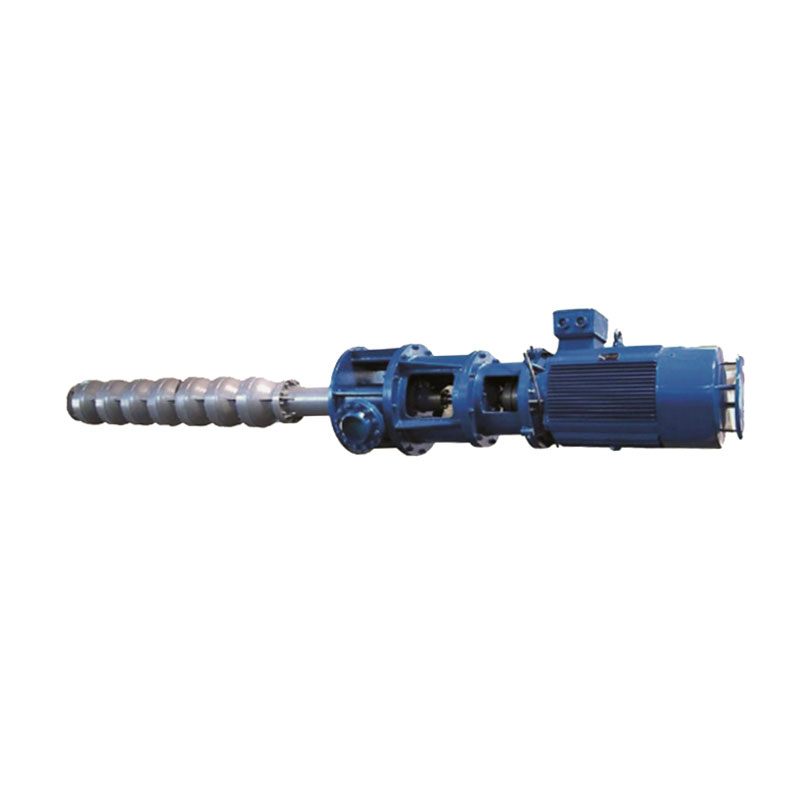
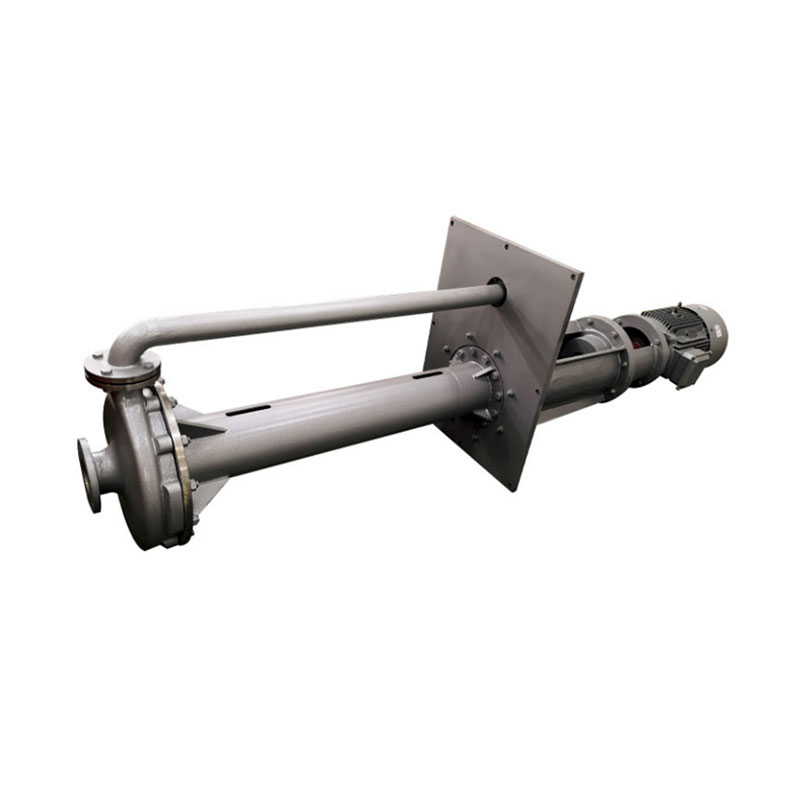
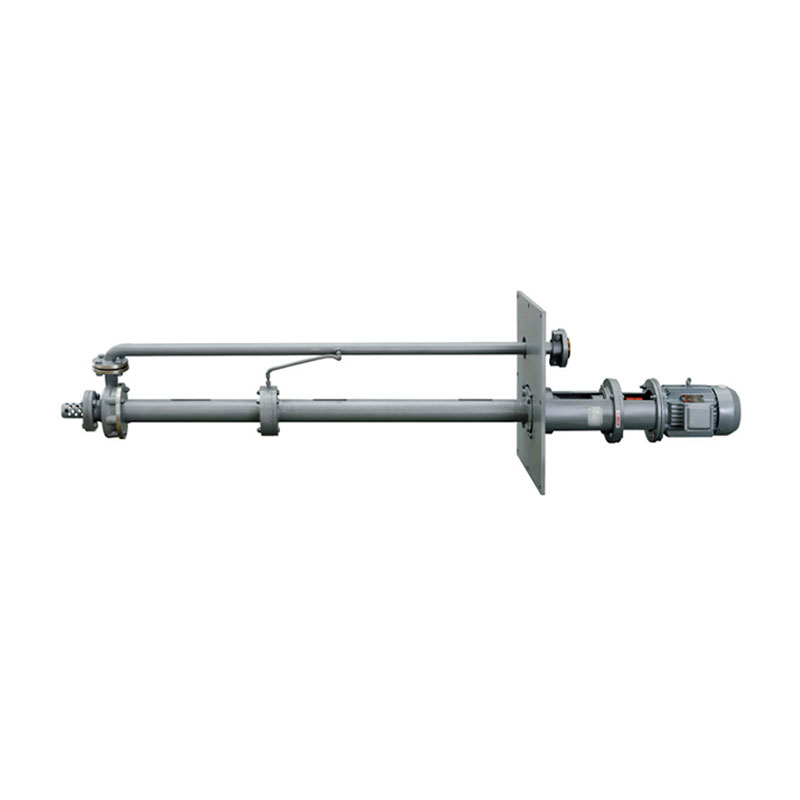
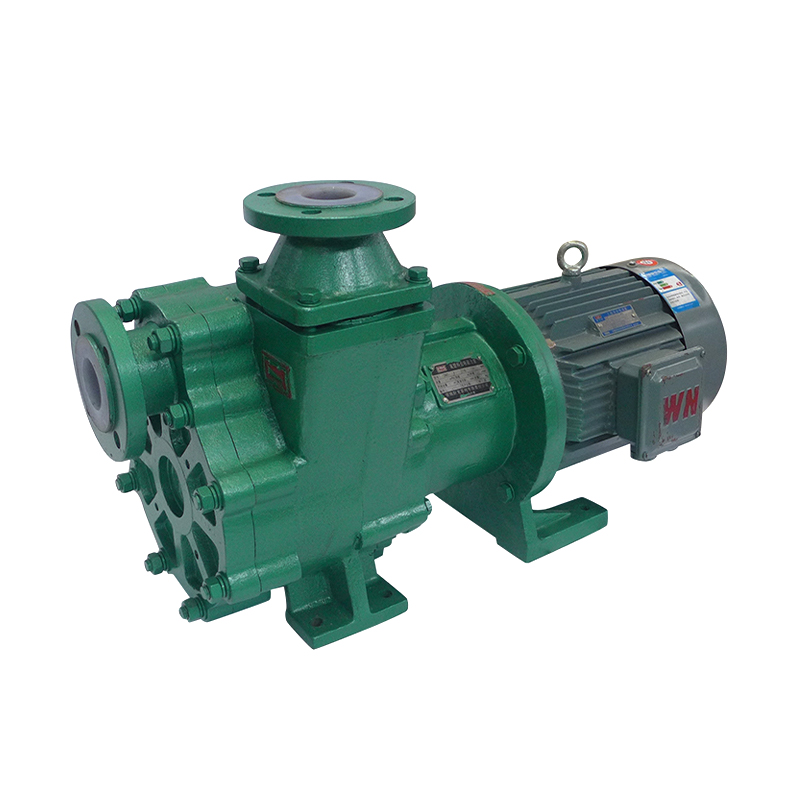
Specification
| Performance Index | Paper Mill Configuration Specification |
|---|---|
| Pulp Consistency Limit | Handles up to eight percent bone-dry cellulose fiber weight |
| Maximum Volumetric Flow | Up to 600 cubic meters per hour maximum output capacity |
| Total Discharge Head Max | Up to 95 meters vertical fluid column height |
| Casing Metallurgy Grade | Duplex Stainless Steel 2205 SS316L or custom Rare Earth Steel |
| Impeller Balance Standard | ISO 1940 G2.5 precision dynamic calibration |
| Shaft Sealing Configuration | Dynamic expeller seal mechanical seal or packing with flush |
| Side-Plate Wear Liners | Replaceable front and rear stainless steel side plates |
| Flange Connection Norms | ANSI Class 150 raised face or EN1092 PN16 ratings |
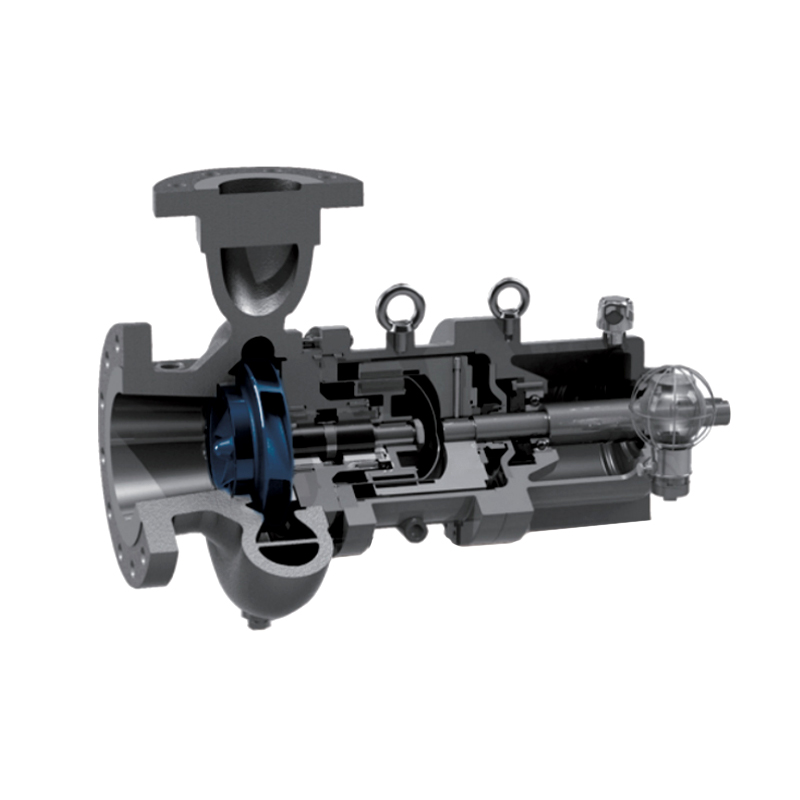
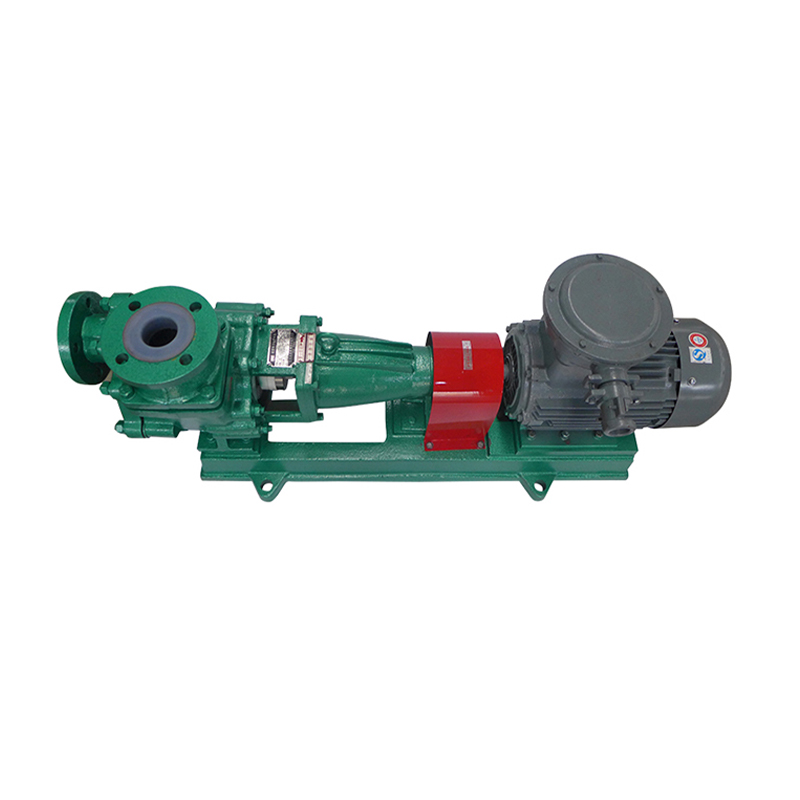
The internal volute housing incorporates a broad, expanding cross-section area that reduces internal fluid shear stresses, allowing thick cellulose fiber suspensions to pass without separating or dewatering inside the pump core. The semi-open impeller is fitted with open-vane contours and large throat clearances that prevent fiber accumulation behind the shroud block, maintaining stable volumetric displacement and stopping premature motor overloading sequences.
Our factory manufacturing guidelines ensure that the shaft assembly is oversized and protected by a hardened duplex shaft sleeve, which completely isolates the high-tensile core from chemical corrosion and fiber cutting actions. The grease or oil-bath bearing frame is sealed using labyrinth rings, maintaining clean lubrication states despite continuous exposure to high-humidity paper machine environments, ensuring quiet operation over decades of service.
Application
Pulp and paper mill industrial centrifugal units are mandatory components within raw material digesters, chemical stock preparation lines, and automated paper-machine headbox feeding loops. Production mills deploy these non-clogging pumps within chemical recovery plants, circulating highly corrosive black liquor, white liquor, and green liquor compounds through concentration evaporators and furnace blocks, where standard iron pumps degrade structurally within weeks.
In chemical bleaching processing blocks, these specialized alloy pumps transfer highly reactive chlorine-dioxide, hydrogen peroxide, and sulfuric acid chemical solutions to stock washing towers. The ability to resist acidic chemical corrosion and fine fiber erosion simultaneously makes them the preferred choice for modern bleach plants, cutting down unexpected production line stoppage risks and protecting downstream asset integrity.
Additionally, paper manufacturing plants integrate these high-capacity pumps within broke pulp recycling tanks, de-inking system loops, and centralized paper factory wastewater treatment plants. The robust suction capacity and reliable non-clogging characteristics allow mill facilities to maintain constant stock and water loops, providing reliable system integration that guarantees continuous, worry-free paper manufacturing operation across all processing shifts.
Advantage
Choosing our pulp and paper mill industrial pumps brings immediate process optimization and maintenance cost reduction benefits to large-scale paper manufacturing complexes. The primary advantage is the exceptional non-clogging performance achieved via our optimized semi-open impeller and front wear plate configuration. By generating a controlled vortex action at the impeller eye, the pump breaks up dense fiber clumps, preventing internal blockages and ensuring a steady stock consistency feed to the paper machine headbox, optimizing final paper sheets quality.
Our advanced manufacturing plant incorporates replaceable front and rear side wear plates as standard engineering features. When handling thick, abrasive fiber stocks, gradual friction wear occurs on these side plates rather than the main pump casing shell. By simply replacing these cost-effective wear plates during scheduled mill maintenance turnarounds, operators can restore original factory clearances easily, extending casing life and dropping long-term spare parts inventory costs.
Furthermore, the high material specifications—utilizing Duplex Stainless Steel 2205—provide superior resistance to pitting and stress-corrosion cracking in high-chloride chemical recovery environments. This metallurgical durability minimizes localized wall thinning, eliminates sudden structural casing fatigue failures under high thermal cycles, and helps procurement managers lower total cost of ownership while satisfying facility green energy performance benchmarks.


 ENG
ENG

 TOP
TOP