

 inquiry Now

 English
 русский
 عربى
عربى
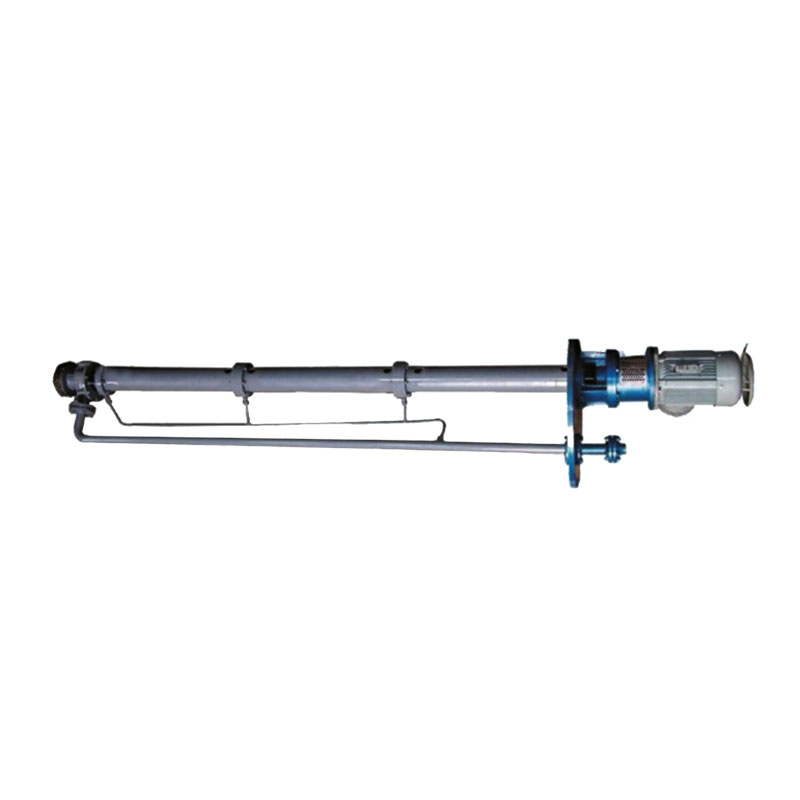
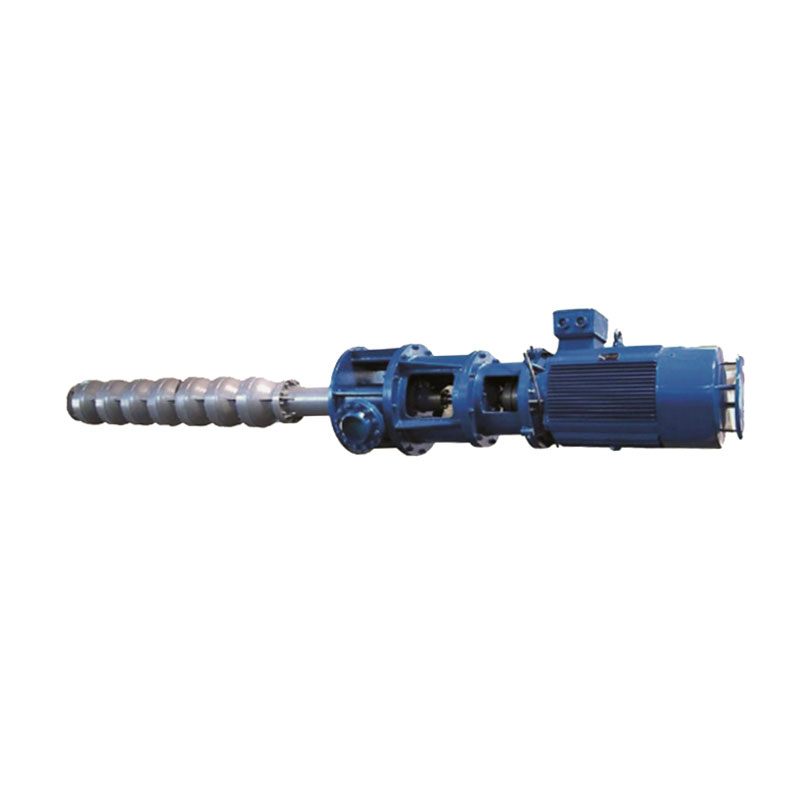
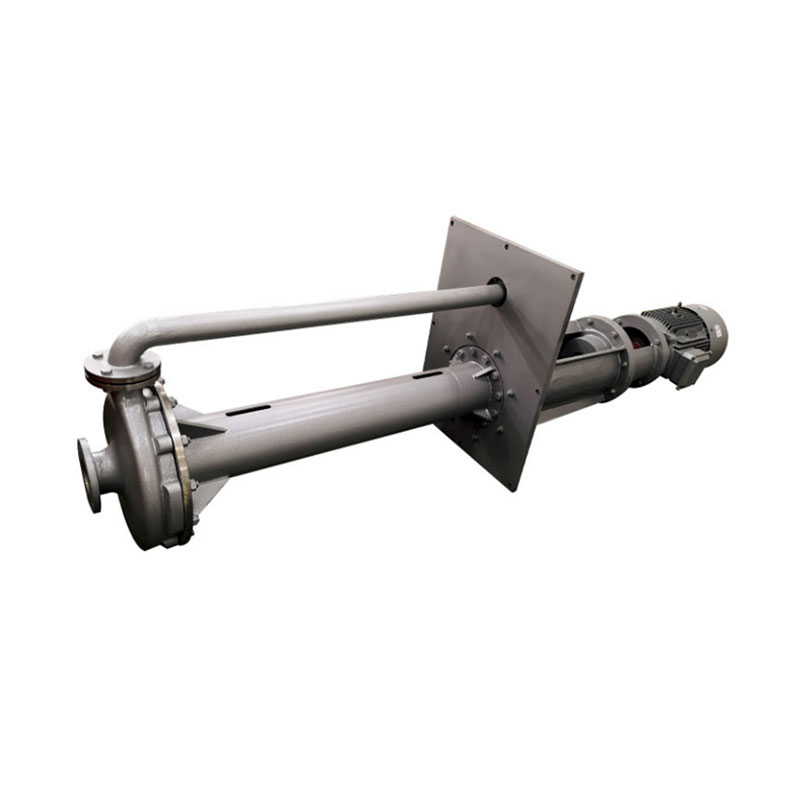
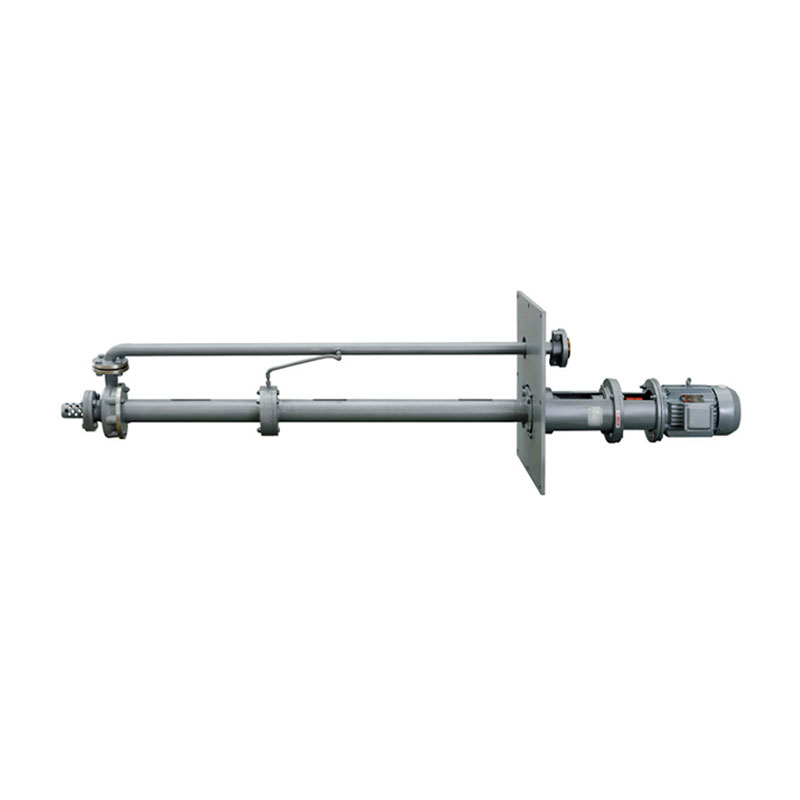
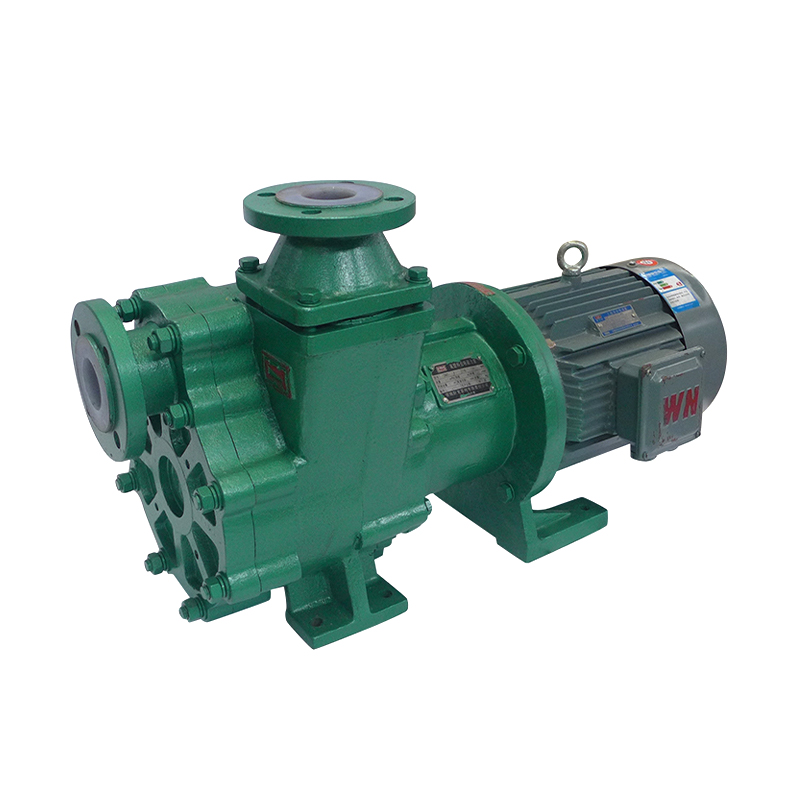
Specification
| Technical Variable | Marine Standard Specification |
|---|---|
| Classification Approvals | Designed heavily to satisfy major international marine society rules |
| Maximum Volumetric Flow | Up to 450 cubic meters per hour single-stage output |
| Total Discharge Head Max | Up to 120 meters vertical seawater column height |
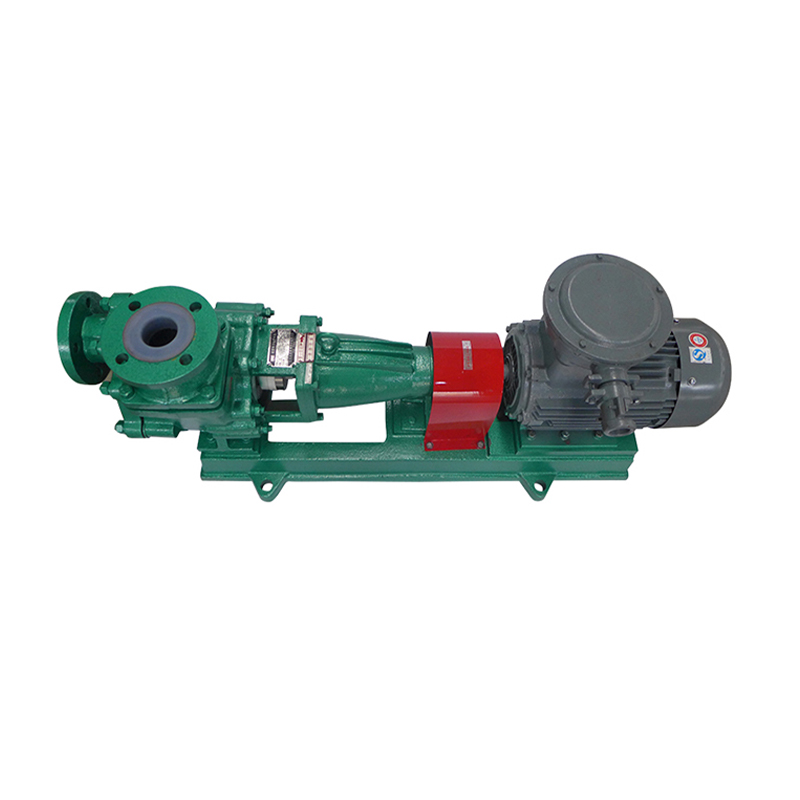
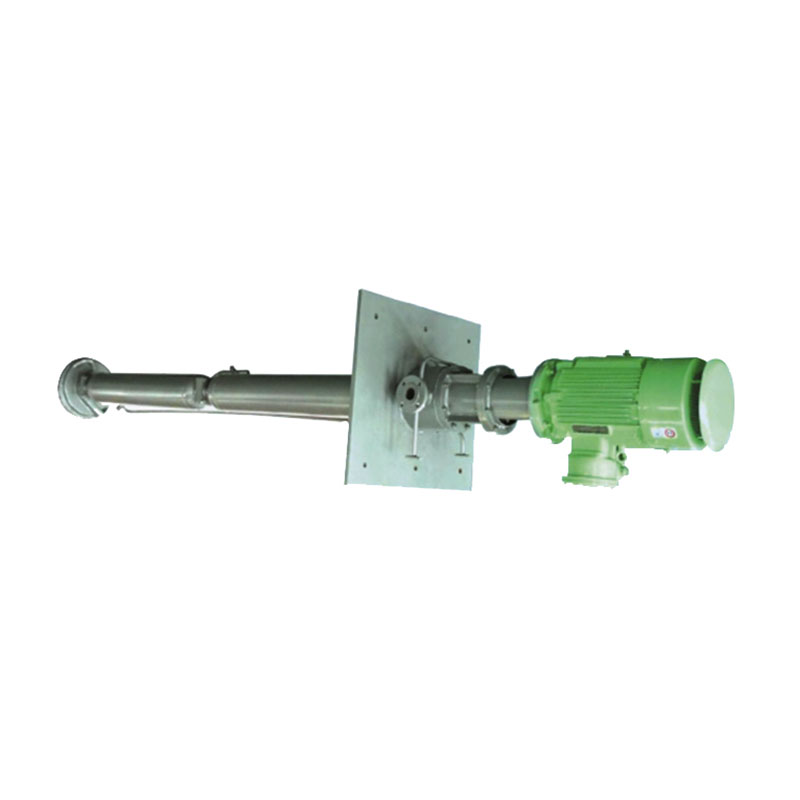
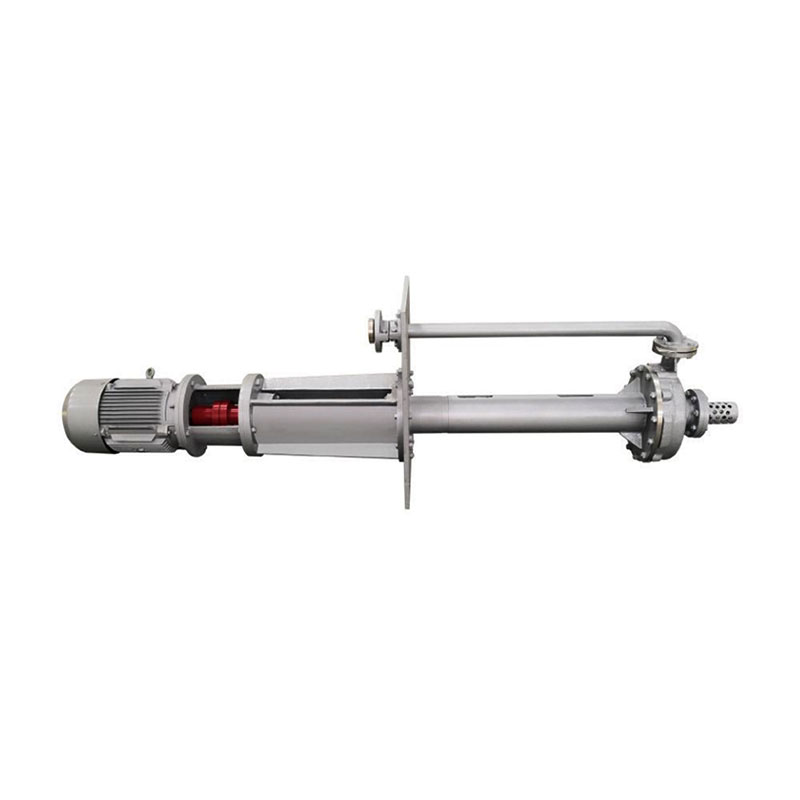
| Structural Orientation Styles | Compact Vertical inline or horizontal split-case geometries |
| Wet-End Metallurgy Grade | Nickel-Aluminum Bronze Duplex Steel 2205 or Super Duplex 2507 |
| Shaft Sealing Architecture | Corrosion-proof cartridge mechanical seal with silicon carbide faces |
| Impeller Balance Metric | ISO 1940 G2.5 high-precision dynamic balancing certification |
| Motor Enclosure Class | IP56 or IP66 marine-grade insulation with anti-condensation heat |
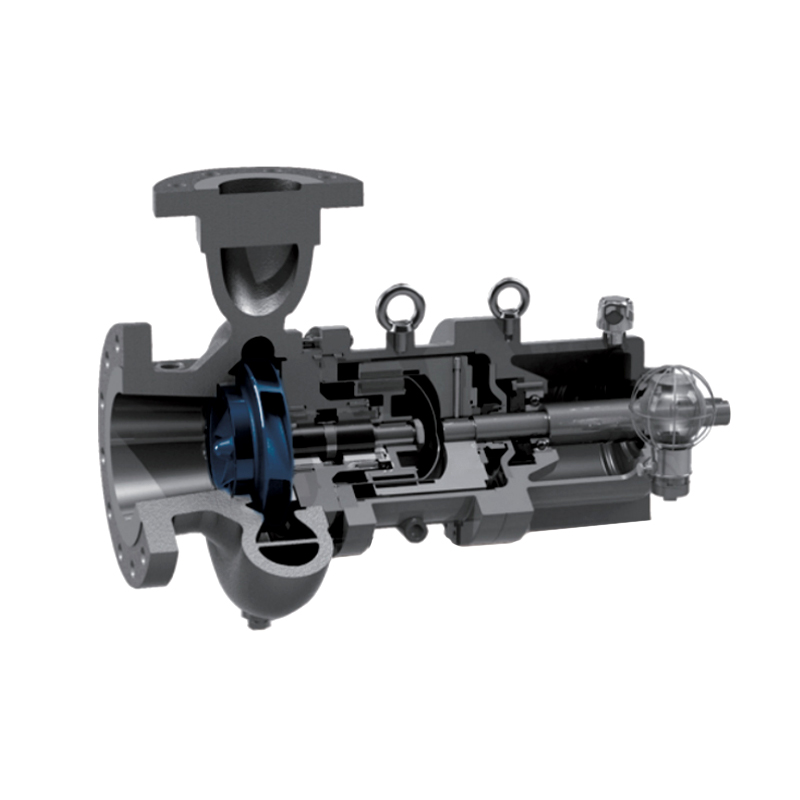
The internal structural configuration of our marine pump casings incorporates integrated zinc or magnesium sacrificial anode blocks mounted directly inside the suction chamber, which naturally absorb galvanic corrosion currents and protect the primary casing metallurgy from rapid seawater erosion. The vertical inline housing design allows the entire rotating element, including the motor and impeller unit, to be lifted straight up for maintenance without disconnecting the main suction or discharge pipelines, cutting down servicing labor times inside cramped vessel hulls.
Our factory parameters guarantee that the drive shafts are fabricated from high-strength duplex stainless steel or custom rare earth steel alloys, providing exceptional resistance to torsional fatigue and stress-corrosion pitting caused by constant exposure to marine brine spray. Bearing housings are completely isolated using continuous-contact labyrinth lip seals, preventing fine salt dust or ambient bilge moisture from penetrating the oil or grease chambers, maintaining long-term bearing alignment stability.
Application
Marine and offshore application pumps are essential components within modern commercial cargo ships, liquefied natural gas (LNG) tankers, oil drilling platforms, and maritime port infrastructures globally. Ship operators deploy these robust vertical and horizontal centrifugal pumps within automated vessel ballast systems, rapidly transferring large volumes of seawater between hull tanks to maintain structural equilibrium and optimum buoyancy profiles during cargo loading and unloading sequences.
On offshore oil production and gas extraction platforms, these specialized pumps are widely implemented within high-capacity seawater intake loops, centralized utility cooling systems, and emergency fire deluge networks. The ability to handle high-velocity seawater without rapid material erosion allows offshore facilities to maintain constant emergency protection readiness, reducing localized breakdown risks and protecting critical multi-billion dollar maritime production assets.
Additionally, marine vessel shipyards integrate these pumps within emergency bilge drainage circuits, reverse osmosis fresh-water generation systems, and marine boiler feed water loops. The robust suction capacity and reliable vertical inline space-saving layout allow marine architects to optimize hull space allocation, providing reliable system integration that guarantees continuous, worry-free maritime vessel and offshore platform manufacturing operation across all processing shifts.
Advantage
Choosing our marine and offshore application industrial pumps brings immediate space optimization benefits, weight reductions, and severe corrosion protection to large-scale maritime fluid networks. The primary advantage is the exceptional vertical inline space-saving design layout. Horizontal pumps consume massive deck surface areas, which are highly restricted inside vessel engine rooms. Our vertical configuration stacks the drive motor directly above the pump casing, reducing the physical installation footprint by up to sixty percent, allowing marine engineers to optimize pipeline routing easily.
Our advanced industrial manufacturing center incorporates premium Nickel-Aluminum Bronze (NAB) castings as a primary metallurgy option. NAB alloys develop a highly stable, self-healing copper oxide protective layer when exposed to moving seawater, providing unparalleled resistance to chloride pitting, cavitation erosion, and bio-fouling attachment compared to standard industrial cast steels, lengthening maintenance intervals and dropping casing replacement overhead costs.
Furthermore, the high material specifications—utilizing marine-grade IP56 electric motors fitted with integrated space heaters—prevent moisture condensation from short-circuiting electrical coils during sudden temperature drops across oceanic navigation zones. This electrical durability minimizes unexpected motor failures, eliminates the necessity for frequent electrical maintenance overhauls, and helps shipyard procurement managers lower total cost of ownership while satisfying international maritime fleet performance targets.


 ENG
ENG

 TOP
TOP