

 inquiry Now

 English
 русский
 عربى
عربى
When a process pump fails on an acid transfer line, the production loss does not end with the pump outage. It continues through every hour spent waiting for a replacement that matches the original footprint. ANSI centrifugal pumps were designed to eliminate that problem. Because they conform to the ANSI B73.1 standard, a pump from one manufacturer can be replaced with a compliant unit from another manufacturer on the same baseplate, with the same piping and coupling, without rework. That dimensional interchangeability, combined with the back pull-out design, is why ANSI centrifugal pumps remain the workhorse of chemical and industrial process service.
What Defines an ANSI Centrifugal Pump
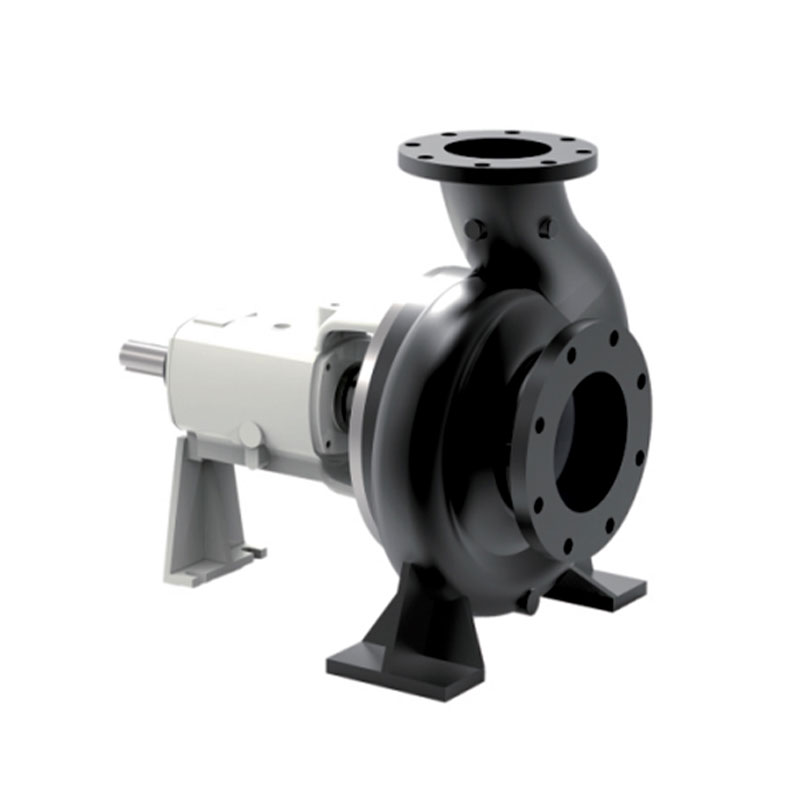
The ANSI B73.1 standard covers horizontal, end-suction, single-stage, overhung centrifugal pumps used in chemical process applications. The standard specifies physical dimensions rather than hydraulic performance alone. Shaft centerline height, bolt hole locations, suction and discharge nozzle positions, and coupling dimensions are all defined, so pumps of the same size class are directly interchangeable regardless of the manufacturer.
This standardization creates practical benefits for plant operators. Inventory can be reduced because one bare pump, or one complete pump of a given size, can serve multiple installations. Maintenance becomes faster because the pump does not need to be rebuilt in place. The back pull-out feature allows the rotating element, including the impeller and the mechanical seal, to be removed while the casing remains connected to the piping. A repair that would require draining a line and disconnecting flanges can instead be completed in hours with a new or rebuilt rotating assembly.
Most ANSI pumps are built with a single enclosed impeller, a volute casing, and a mechanical seal chamber that matches the standardized envelope. The flanges are typically rated to ASME Class 150 or Class 300, and the materials of construction range from cast iron to stainless steel, alloys, and plastic or elastomer-lined versions for particularly aggressive chemicals.
ANSI vs. API 610: Understanding the Difference
Engineers frequently compare ANSI pumps with API 610 pumps when they specify a new installation. The two standards are not direct competitors; they address different operating envelopes.
| Aspect | ANSI B73.1 | API 610 (OH2) |
|---|---|---|
| Primary service | Chemical process, water treatment, general industrial | Refinery, oil and gas, hydrocarbons, high-pressure service |
| Design focus | Dimensional interchangeability, ease of maintenance | Long-term reliability under severe duty |
| Bearing housing | Moderate duty, grease or oil splash | Heavy duty, oil mist options, stricter deflection limits |
| Shaft stiffness | Sized for chemical process loads | Stiffer shaft with lower permitted deflection |
| Seal chamber | Standardized bore for common seals | Heavy-duty chambers with advanced flush plans |
| First cost | Lower | Higher |
An ANSI pump is usually the right choice for acids, caustics, solvents, and process water at moderate pressures and temperatures, where quick replacement and lower initial cost matter more than the ultimate reliability margin. An API 610 pump is preferred for hydrocarbon and refinery service, where high temperature, high pressure, and the consequences of a leak justify a heavier and more expensive machine.
If the application sits between the two, the WMC OH2 Series API 610 standard chemical pumps offer the overhung, centerline-mounted configuration with the seal chamber and bearing housing engineering found in more demanding services. Matching the pump class to the process conditions, rather than buying the heaviest available option, keeps both reliability and capital cost under control.
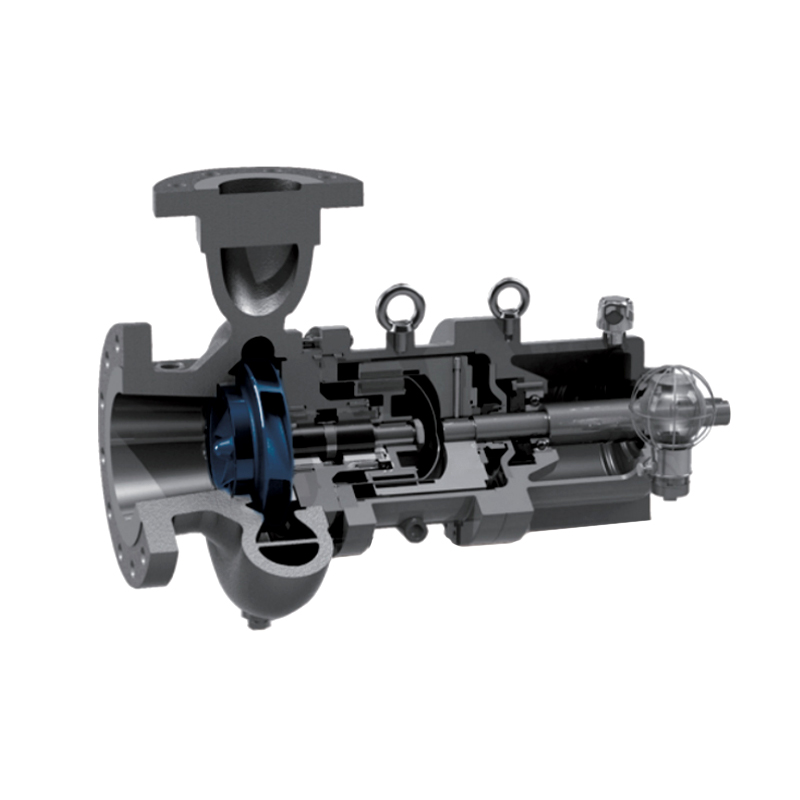 Wholesale WMC (OH2) Series API610 Standard Chemical Pumps Suppliers, Factory - BBeloni (Jiangsu) Pump Manufacturing Co., Ltd is China wholesale WMC (OH2) Series API610 Standard Chemical Pumps suppliers and factory,The...View Product →
Key Components and How They Affect Performance
Understanding the major components of an ANSI centrifugal pump helps with both selection and troubleshooting.
The casing is a volute, a spiral-shaped passage that converts the velocity generated by the impeller into static pressure. The casing material must be compatible with the fluid, because corrosion allowance and temperature limits are evaluated on the casing just as much as on the impeller. The impeller is normally enclosed for clean process fluids; open or semi-open impellers are available for liquids with some solids content or for viscous media.
The shaft and bearing housing determine the mechanical stability of the pump. The shaft must be stiff enough to limit deflection at the seal faces, since excessive runout is the most common cause of mechanical seal leakage. Bearings are selected for a minimum L10 life, and the housing must dissipate heat adequately in continuous service.
The seal chamber, sometimes called the stuffing box, is where the rotating shaft enters the casing. ANSI B73.1 standardizes the chamber's basic dimensions, but the internal geometry and the arrangement of flush and quench connections influence how effectively the mechanical seal is cooled and cleaned. A cylindrical chamber with a simple flush line is sufficient for many services, while a large-bore or tapered chamber with a dedicated seal support system is specified for harsh or polymerizing fluids.
For straightforward chemical duties, the DCZ OH1 series process chemical pumps provide a horizontal end-suction design with widely used material options and a back pull-out assembly, so the mechanical seal and impeller can be accessed without breaking the pipe flanges. The design choices made by the manufacturer, not just the dimensional standard, determine how easily the pump can be maintained over its service life.
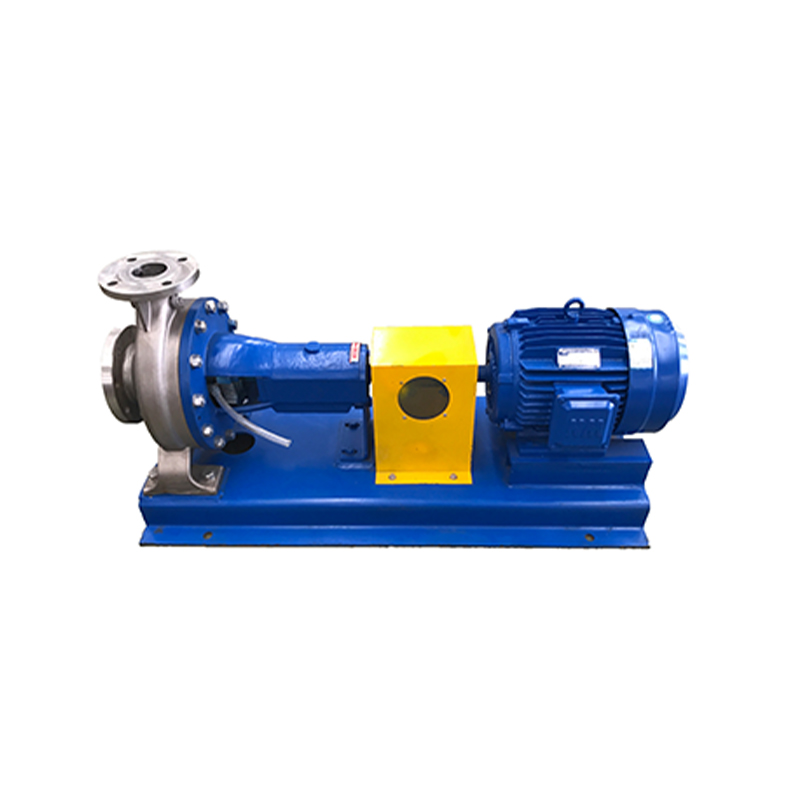 Wholesale DCZ (OH1) Series Process Chemical Pumps Suppliers, Factory - Beloni (JBeloni (Jiangsu) Pump Manufacturing Co., Ltd is China wholesale DCZ (OH1) Series Process Chemical Pumps suppliers and factory,The DCZ ser...View Product →
How to Select an ANSI Centrifugal Pump
Selection begins with the hydraulic duty. Define the flow rate and total dynamic head first, and only then evaluate materials and sealing. The key hydraulic numbers are the flow rate in gallons per minute or cubic meters per hour, the total dynamic head in feet or meters, and the available net positive suction head, or NPSH.
The pump's required NPSH must be below the available value with a clear margin. A common rule of thumb is at least 2 to 3 feet of margin, but hot liquids, high altitudes, and volatile fluids demand more. When the margin is insufficient, the pump cavitates: bubbles form in the impeller eye and collapse, eroding the impeller, vibrating the bearings, and damaging the seal. NPSH is not a detail to be recalculated after ordering; it should drive the pump selection.
Material selection follows the chemical concentration and temperature of the fluid. For neutral water and mild chemicals, cast iron or ductile iron casings with a stainless steel impeller are common. For corrosive acids and chlorides, CF8M stainless steel, high-nickel alloys, or PTFE-lined construction may be necessary. A supplier should confirm that the casing, impeller, shaft sleeve, and wear rings are all compatible with the fluid at the required temperature.
The seal arrangement is the final major decision. A single mechanical seal with a simple flush is often sufficient, but dual seals with a barrier fluid should be considered for toxic, flammable, or polymerizing media. If leakage must be avoided entirely, a sealless magnetic-drive pump is the alternative, and many magnetic-drive designs conform to the same ANSI envelope.
For applications that run around the clock, the duty cycle changes the bearing and lubrication requirements. Pumps that are acceptable for intermittent batch operation may run too hot in continuous service. Continuous-duty industrial centrifugal pumps are rated with larger bearing housings and lubrication capacities that keep operating temperatures stable over long periods, a distinction worth confirming with the manufacturer before purchase.
Where ANSI Centrifugal Pumps Are Used
ANSI centrifugal pumps appear wherever corrosive, hazardous, or abrasive chemicals must be moved with predictable reliability. The largest installed base is found in chemical processing plants, where the pumps transfer acids, caustics, solvents, monomers, and process intermediates. They are equally common in water and wastewater treatment systems, where they handle coagulants, flocculants, pH-control chemicals, and transfer service, and in pulp and paper mills, where bleach chemicals and recovery streams are aggressive.
Textile dyeing plants rely on ANSI-style pumps to handle a process that shifts from strong acids to caustic alkalis in a single production day, which pressures both the wetted materials and the seal chamber. In oil and gas facilities, ANSI pumps are used for amine, glycol, and chemical injection services, while critical hydrocarbons generally fall under API specifications. Mining operations use ANSI pumps for flotation reagents and plant water, keeping the corrosive side of the plant separate from the high-wear slurry handling side.
In each of these industries, the challenge is the same: confirm the dimensional standard, verify the wetted materials, and match the seal plan to the actual process cycle. An installation that treats the pump as part of the process system, rather than as an isolated machine, tends to show the fewest unexpected failures. The ICP OH1 series chemical process pumps are an example of an ANSI-style line engineered for the material selections and seal configurations that chemical and industrial users commonly specify. For guidance that covers the process-side factors, refer to choosing the right industrial pump for chemical processing.
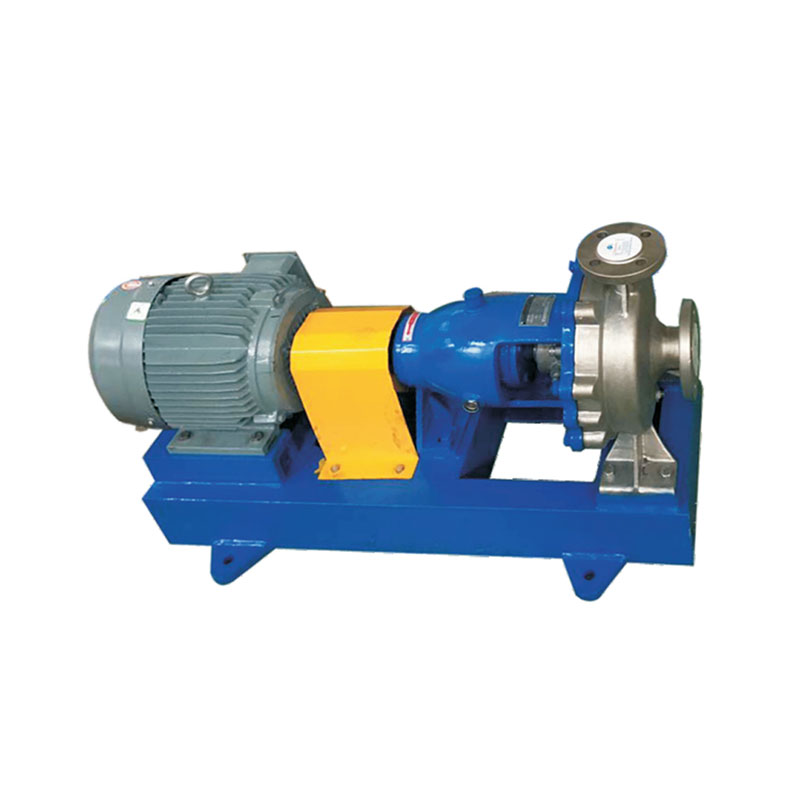 Wholesale ICP (OH1) Series Chemical Process Pumps Suppliers, Factory - Beloni (JBeloni (Jiangsu) Pump Manufacturing Co., Ltd is China wholesale ICP (OH1) Series Chemical Process Pumps suppliers and factory,The ICP-typ...View Product →
Inspecting and Maintaining ANSI Pumps
When an ANSI pump leaves service for inspection, the quality of the disassembly data determines the value of the overhaul. Record vibration levels, bearing temperatures, seal leakage rate, and the suction and discharge pressures before shutdown. These readings become the baseline that tells you whether the pump is moving toward a failure mode or running normally.
Once the pump is open, check the impeller for erosion and corrosion, especially on the vane edges and the wear ring surface. Measure the wear ring clearance; exceeding the manufacturer's limit by more than 0.010 inch in a small pump, or proportionally more in a larger pump, reduces efficiency and increases internal leakage. Inspect the shaft for runout and for scoring under the seal sleeve. Examine the bearings for spalling, brinelling, or discoloration, and confirm that the seal faces are flat and free of thermal cracks.
Reassembly should be as disciplined as the inspection. Torque the casing bolts in the recommended sequence, check the coupling alignment to the manufacturer's tolerance, and rotate the shaft by hand to confirm that the impeller does not rub the wear rings. On a back pull-out pump, the rotating element must slide into the casing without resistance. If it binds, the piping is exerting strain on the casing; that strain will shorten bearing life and cause the seal to leak in a matter of weeks.
ANSI centrifugal pumps succeed because of a simple engineering bargain: standardized dimensions, predictable spare parts, and a design that was made to be maintained. The practical message for buyers and plant operators is equally simple. Start from the hydraulic duty and NPSH margin, choose materials and sealing for the actual fluid concentration and temperature, and work with a manufacturer that can document compliance with the standard and support the pump after installation. Done that way, an ANSI centrifugal pump is one of the most dependable pieces of equipment in a process plant.
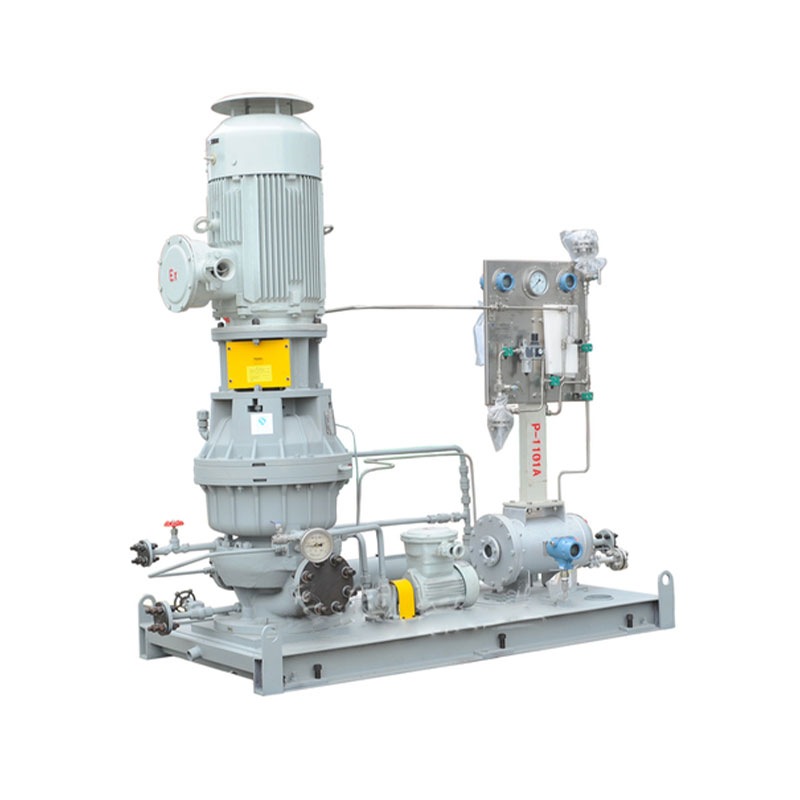
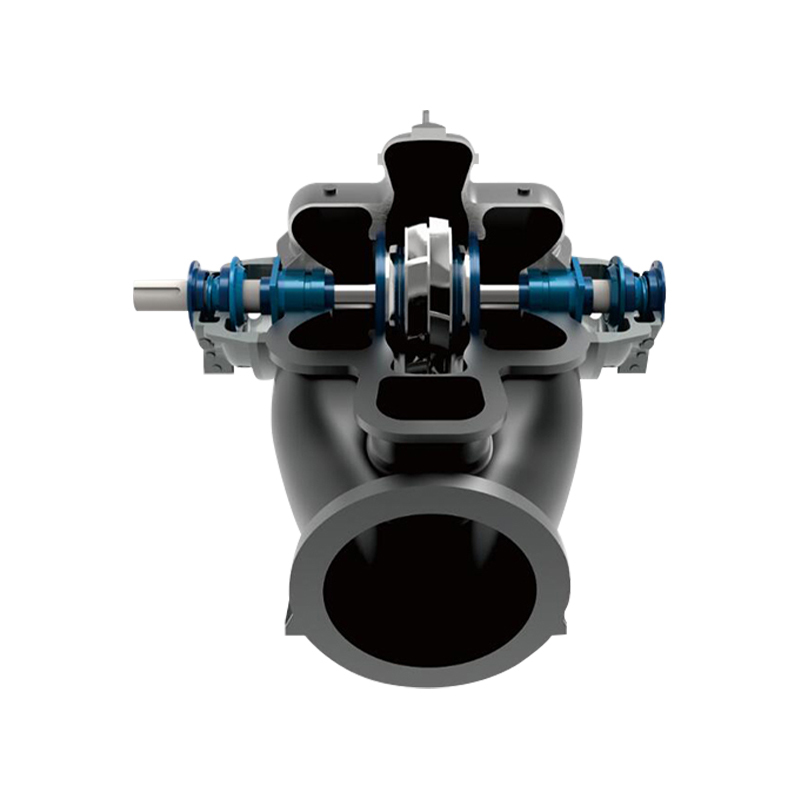
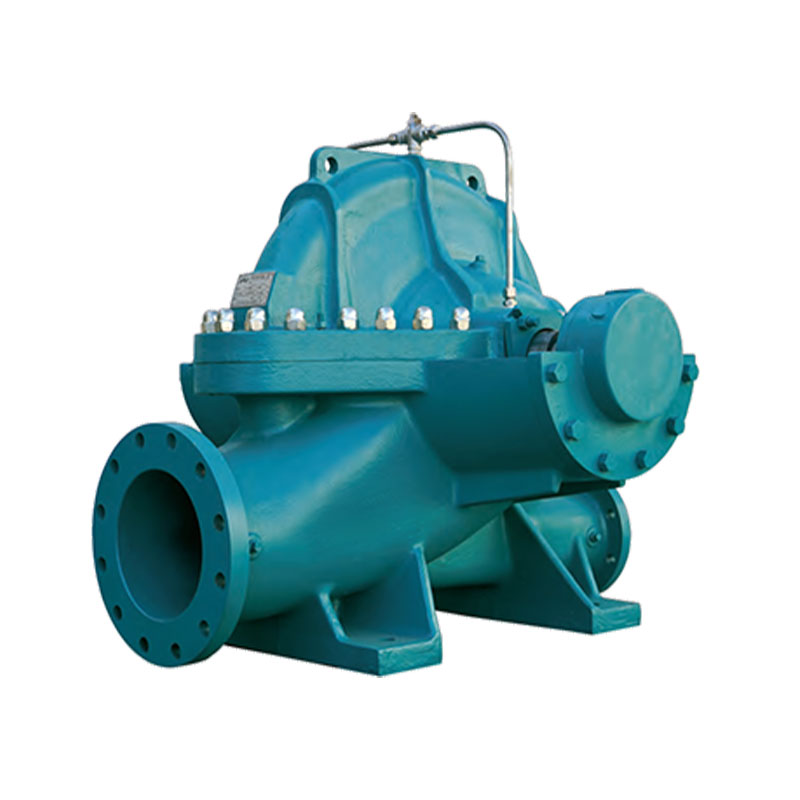
.jpg "Axially Split Horizontal Multistage Pump")




 ENG
ENG

 TOP
TOP