

 inquiry Now

 English
 русский
 عربى
عربى
Industrial pumps are a cornerstone of modern manufacturing, chemical processing, water treatment, and oil and gas operations. Their integration into automation systems has transformed operational efficiency, safety, and process reliability. By combining pumps with sensors, controllers, and communication networks, industries can monitor and control fluid flow in real-time, optimize energy usage, and respond proactively to system changes. In this article, we will explore how industrial pumps are integrated into modern automation systems, the technologies involved, and the benefits of such integration.
1. Understanding Industrial Pumps in Automation
Types of Industrial Pumps Commonly Automated
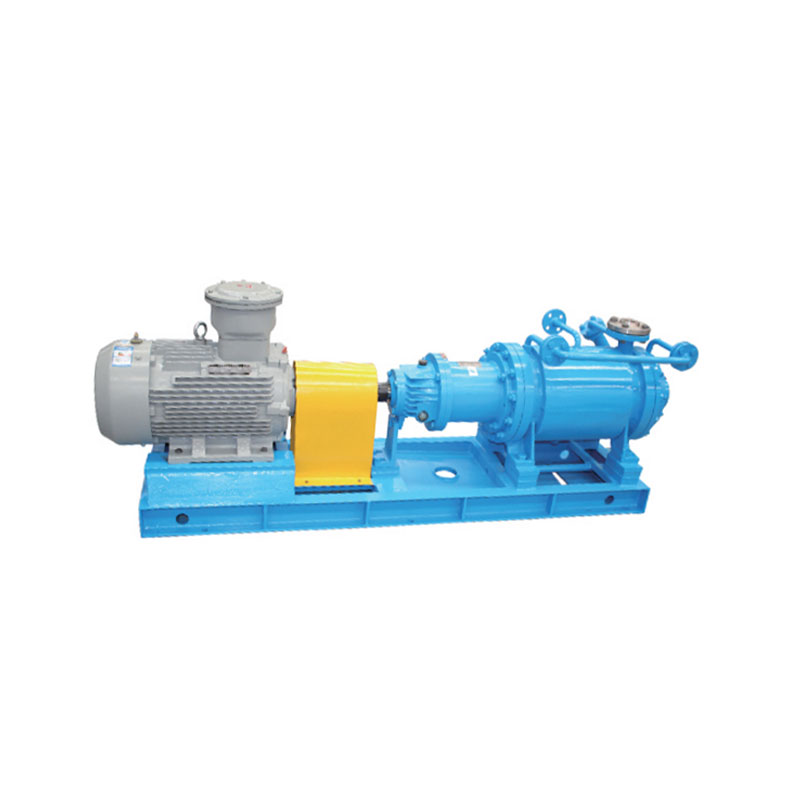
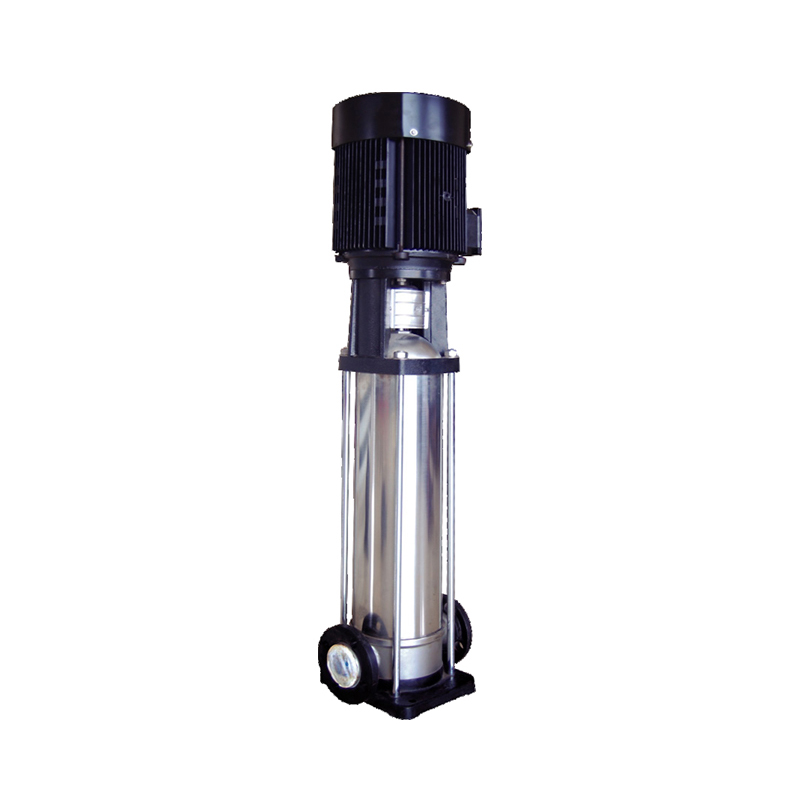
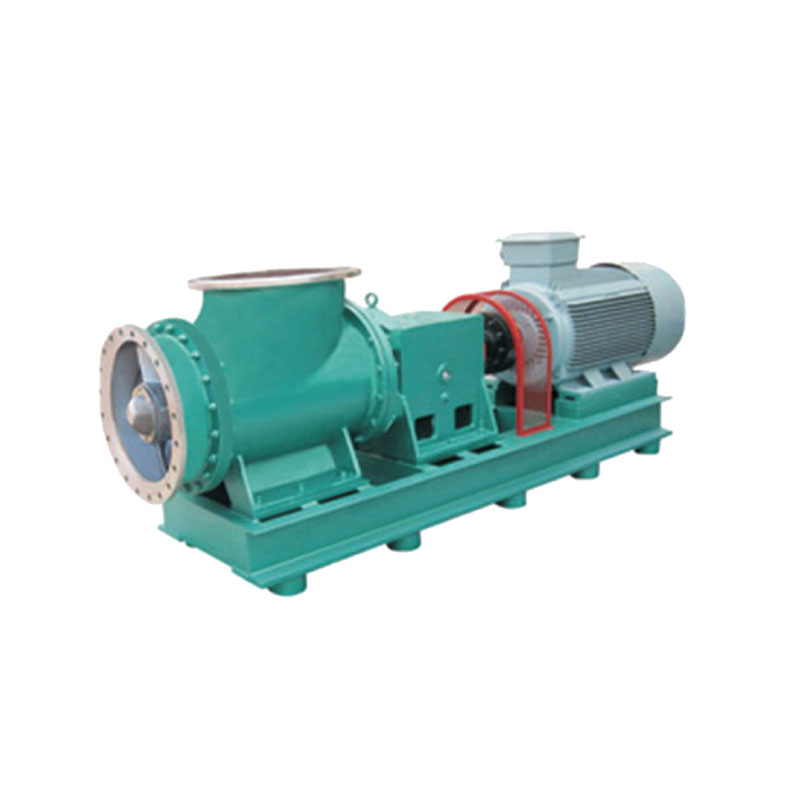
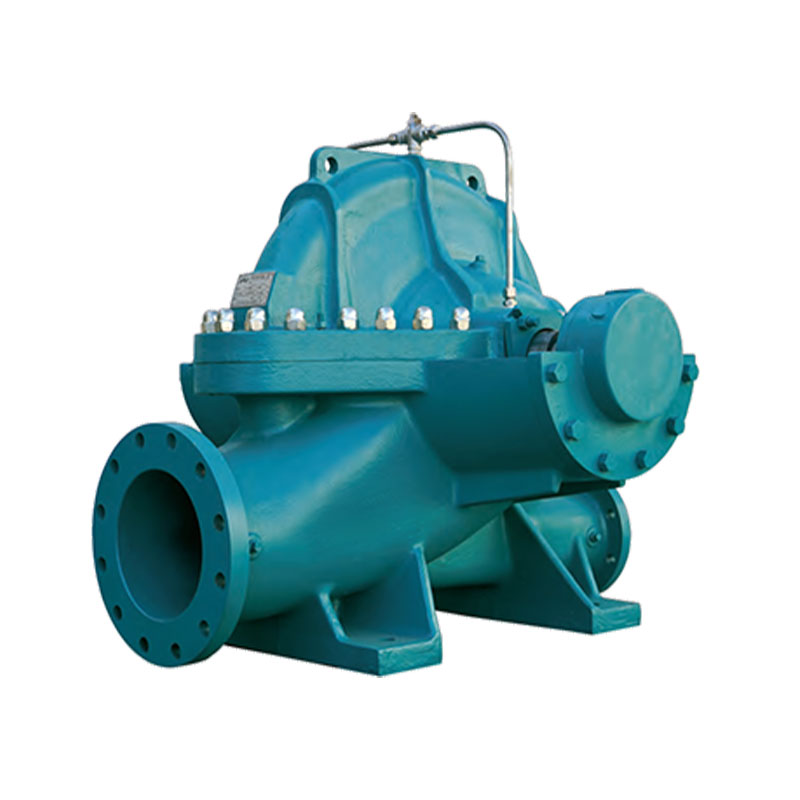
Industrial pumps vary in design, function, and application. Common types include centrifugal pumps, positive displacement pumps, diaphragm pumps, and gear pumps. Each type has specific characteristics that determine how it can be integrated into an automated system. For example, centrifugal pumps are often used in continuous flow systems, while diaphragm pumps excel in handling viscous or corrosive fluids.
Why Automation Matters
Automation allows pumps to operate with minimal human intervention, ensuring precise flow control, consistent output, and energy efficiency. Automated pumps can adjust their speed or operation based on process requirements, reducing the risk of overflows, underflows, and system damage. This is especially critical in industries where fluid management affects product quality, safety, and compliance with regulations.
2. Components of an Automated Pump System
Sensors and Instrumentation
Sensors are key to automation, providing real-time data on parameters such as flow rate, pressure, temperature, and fluid levels. Common sensors used in pump automation include:
- Flow meters to monitor the volume of fluid passing through the pump
- Pressure sensors to detect high or low-pressure conditions
- Temperature sensors to prevent overheating
- Level sensors for tanks and reservoirs
These sensors feed data to controllers or PLCs (Programmable Logic Controllers) to regulate pump operation efficiently.
Controllers and Programmable Logic
Controllers act as the brain of automated pump systems. They receive data from sensors and execute control algorithms to adjust pump speed, start or stop operations, or activate safety protocols. PLCs are widely used because they offer high reliability, flexibility, and integration with other industrial equipment. Advanced controllers can also communicate with SCADA (Supervisory Control and Data Acquisition) systems for centralized monitoring and management.
Variable Frequency Drives (VFDs)
VFDs are critical for integrating pumps into automation. They allow the motor speed to be adjusted according to process requirements, optimizing energy consumption and reducing wear and tear. For example, in a cooling water system, a VFD can reduce pump speed when demand decreases, saving electricity and prolonging pump life.
3. Communication and Data Integration
Industrial Networking Protocols
Modern automated pumps often use industrial networking protocols such as Modbus, PROFIBUS, EtherNet/IP, and DeviceNet. These protocols enable seamless communication between pumps, controllers, and central monitoring systems. Real-time data sharing allows operators to make informed decisions, detect anomalies early, and implement predictive maintenance strategies.
Integration with SCADA and IoT Systems
SCADA systems provide centralized control and visualization for multiple pumps across a facility. Integration allows operators to monitor pump performance, track energy usage, and respond to alarms remotely. Furthermore, with IoT (Internet of Things) sensors, pumps can send data to cloud-based platforms for analytics, predictive maintenance, and operational optimization.
4. Benefits of Integrating Pumps into Automation Systems
Improved Efficiency and Energy Savings
Automated pumps adjust flow rates and pressure dynamically, reducing energy wastage. VFDs and intelligent controllers ensure that pumps operate only at the required capacity, lowering operating costs and extending equipment life.
Enhanced Safety and Reliability
Automation reduces the risk of human error, protecting both personnel and equipment. Real-time monitoring and alarms enable immediate response to abnormal conditions, such as cavitation, overheating, or dry running, preventing costly damage.
Predictive Maintenance and Reduced Downtime
By collecting and analyzing operational data, automated systems can predict potential failures before they occur. This allows maintenance to be scheduled proactively, minimizing unexpected downtime and optimizing production continuity.
Comparison of Manual vs Automated Pump Operations
| Aspect | Manual Pumps | Automated Pumps |
|---|---|---|
| Control | Operator-dependent | Real-time, sensor-driven |
| Energy Efficiency | Fixed speed, less efficient | Variable speed, optimized consumption |
| Safety | Prone to human error | Alarms and protective shutdowns |
| Maintenance | Reactive, unplanned | Predictive, data-driven |
| Monitoring | Manual readings | Remote and centralized via SCADA/IoT |
5. Practical Applications of Automated Industrial Pumps
Water and Wastewater Treatment
Pumps in treatment plants are automated to maintain precise flow rates, manage chemical dosing, and optimize energy usage. Automation ensures consistent water quality and regulatory compliance.
Oil and Gas Industry
In pipelines and refineries, automated pumps regulate flow, pressure, and temperature. Remote monitoring allows operators to respond quickly to fluctuations and prevent leaks or equipment damage.
Chemical and Pharmaceutical Manufacturing
Automated pumps deliver precise chemical dosing and maintain critical process parameters. Integration with control systems ensures product consistency, safety, and regulatory compliance.
FAQ
1. What types of pumps are best for automation?
Centrifugal pumps, positive displacement pumps, and diaphragm pumps are commonly automated, depending on fluid characteristics and process requirements.
2. Can existing manual pumps be retrofitted for automation?
Yes, manual pumps can be retrofitted with sensors, VFDs, and controllers to integrate them into automated systems.
3. What are the key benefits of pump automation?
Automation improves energy efficiency, reduces downtime, enhances safety, and enables predictive maintenance.
4. How do VFDs improve pump performance?
VFDs allow precise control of motor speed, adapting pump output to process demands and reducing energy consumption.
5. Is remote monitoring possible for automated pumps?
Yes, integration with SCADA and IoT systems allows centralized monitoring, remote control, and real-time data analysis.
References
- Hydraulic Institute – Pump Standards and Guidelines
- ISA – Industrial Automation and Control Systems
- Machinery’s Handbook – Pumps and Fluid Systems
- Industrial IoT and Automation Best Practices
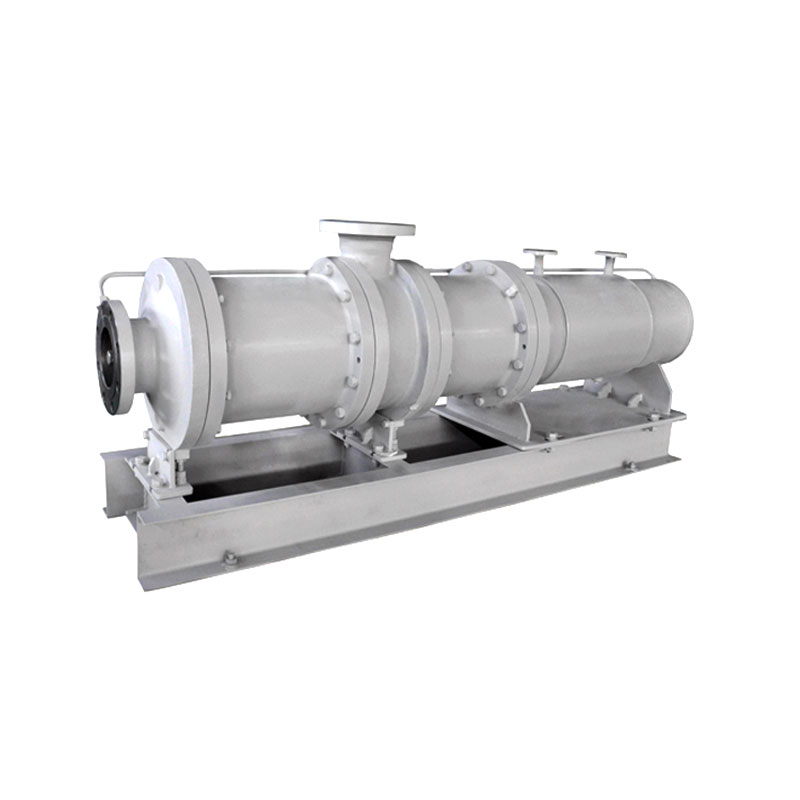
.jpg "Axially Split Horizontal Multistage Pump")


 ENG
ENG

 TOP
TOP