

 inquiry Now

 English
 русский
 عربى
عربى
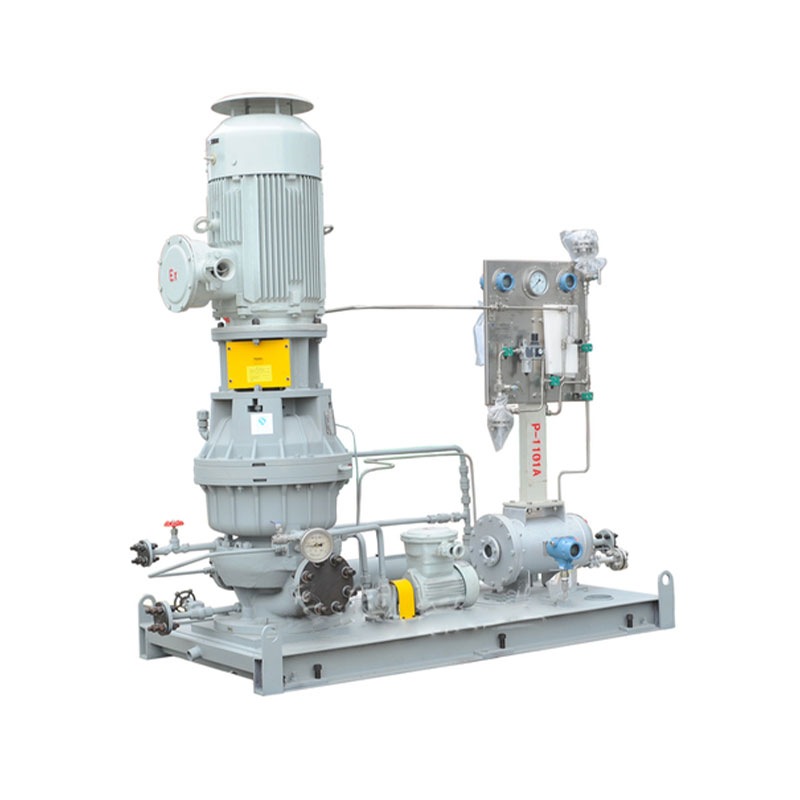
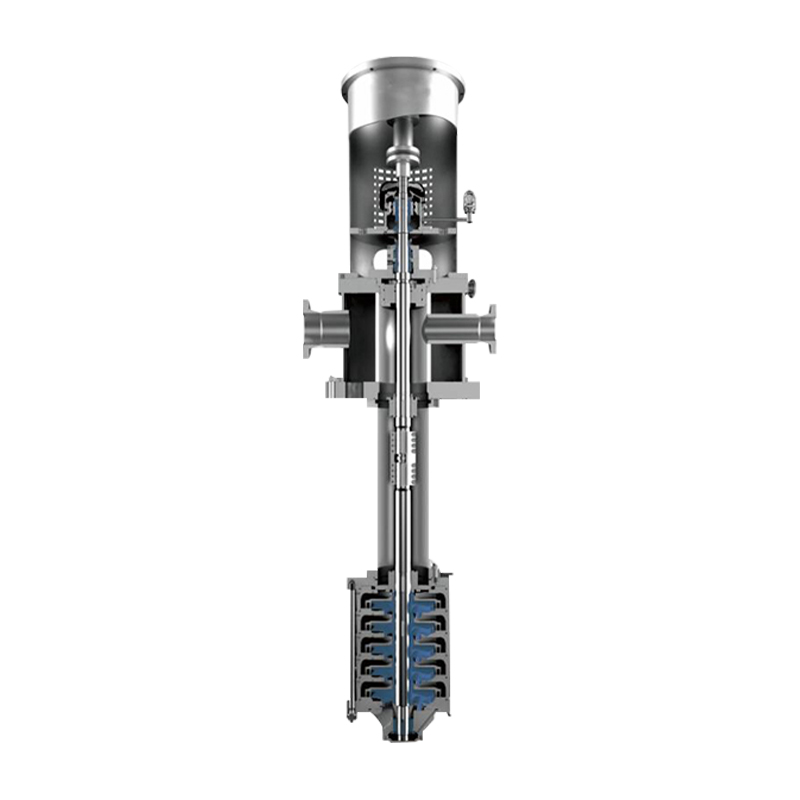
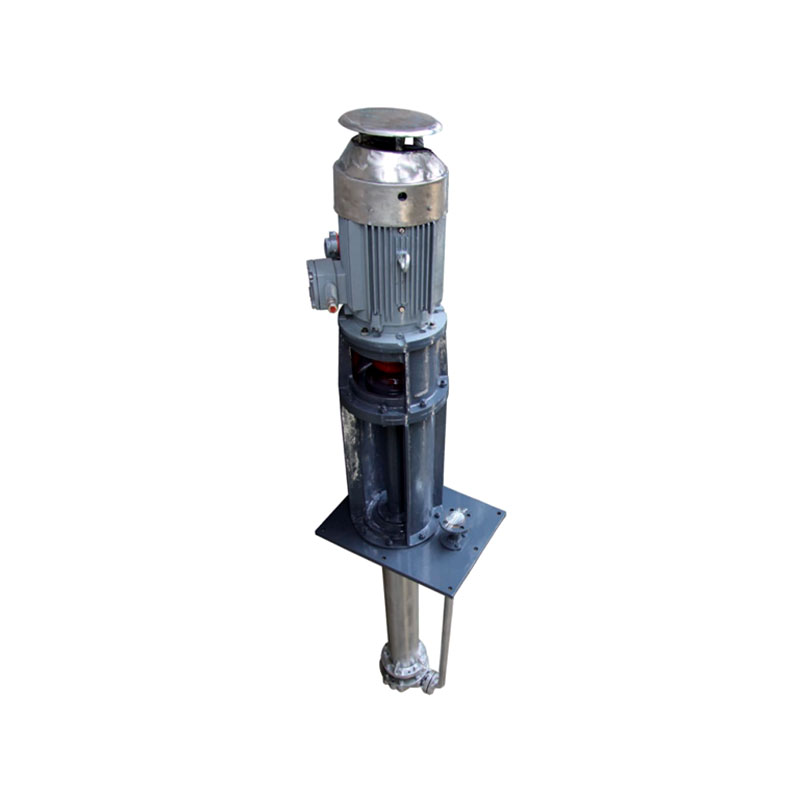
In the critical infrastructure of mining, chemical processing, and wastewater treatment, the decision between an Industrial Submerged Pump and a Dry-Prime surface pump is a choice between two fundamentally different engineering philosophies. While both are designed to move large volumes of liquid, the “where” and “how” of their operation dictate their long-term reliability. An Industrial Submerged Pump—frequently referred to as a vertical sump pump or cantilever pump—is designed to operate with its hydraulic “wet end” completely immersed in the liquid. This design is the gold standard for permanent installations where reliability and space-saving are paramount.
The “Push” vs. “Pull” Operational Dynamics
The most significant difference lies in the physics of fluid movement. A submerged pump operates on a “push” principle. Because the impeller is already located within the fluid, it benefits from positive suction head. There is no need for complex priming systems because the atmospheric pressure and the weight of the liquid itself feed the impeller. In contrast, a Dry-Prime Pump sits outside the tank and must “pull” the liquid up through a suction hose. This relies on creating a vacuum, which is subject to the physical limits of atmospheric pressure—typically restricted to a maximum theoretical lift of about 9 meters (29 feet). For deep sumps or heavy-duty industrial drainage, the submerged design is often the only viable engineering solution.
Footprint and Installation Considerations
From a facility management perspective, the Industrial Submerged Pump offers a significantly smaller footprint. Since the pump body is housed within the sump or tank, it frees up valuable floor space in the plant. Dry-Prime units are often bulky, requiring a dedicated concrete pad or trailer space next to the pit. Furthermore, because submerged pumps are contained within the liquid, they significantly reduce noise pollution in the workplace, as the fluid acts as a natural acoustic dampener for the hydraulic action of the impeller.
Technical Comparison: Mechanical Seals and Maintenance Access
One of the most frequent points of failure in any pumping system is the mechanical seal. When handling abrasive slurries or corrosive acids, the choice of pump architecture directly impacts the frequency of maintenance cycles. The Industrial Submerged Pump and the Dry-Prime Pump handle these stressors in vastly different ways, particularly regarding the protection of internal bearings and seals.
The Sealless Advantage of Cantilever Designs
High-quality Industrial Submerged Pumps are often engineered using a “Cantilever” design. In this configuration, the pump features a heavy-duty shaft supported by bearings located above the mounting plate—completely out of the fluid. This means there are no submerged bearings or mechanical seals in contact with the liquid. For industries dealing with corrosive chemical transfer or abrasive mining runoff, this is a game-changer. By removing the seal from the “wet zone,” you eliminate the primary cause of pump failure. There is simply no seal to leak, which dramatically extends the Mean Time Between Failures (MTBF).
Maintenance Access and the Dry-Prime Trade-off
Dry-Prime Pumps are frequently marketed for their “ease of maintenance” because the entire unit is accessible on the surface. Technicians do not need to utilize a crane or hoist to pull the pump out of a deep pit for routine inspections. However, this accessibility comes at a price. Because the pump is located above the fluid, it must maintain an airtight seal to create the vacuum necessary for priming. If the mechanical seal suffers even minor wear, the pump will lose its prime and fail to move any liquid. This makes the Dry-Prime system highly sensitive to the quality of its seals and the integrity of the suction hose, requiring more frequent “soft-part” replacements compared to a sealless submerged unit.
Thermal Management and Cooling
In heavy-duty industrial pumping, heat is the enemy of equipment longevity. Submerged pumps are naturally cooled by the surrounding medium, which dissipates the heat generated by the pump’s hydraulics. Dry-Prime pumps, conversely, operate in the open air and often require a dedicated oil-bath cooling system for the mechanical seal to prevent it from burning out during the initial priming phase when no fluid is moving through the casing.
Performance Metrics and Application Suitability
Choosing between these systems requires a balanced look at technical specifications. The following table provides a direct comparison of the most critical performance metrics for industrial fluid management.
| Technical Metric | Industrial Submerged Pump | Dry-Prime Surface Pump |
|---|---|---|
| Priming Mechanism | Self-priming (Instant start) | Vacuum/Compressor assisted |
| Max Suction Lift | N/A (Submerged) | Limited to ~8.5 meters |
| Seal Configuration | Available in Sealless/Cantilever | Requires high-integrity seals |
| Solids Handling | High (Vortex/Agitator options) | Moderate (Suction line clogging) |
| Operational Noise | Low (Fluid dampened) | High (Engine/Motor noise) |
| Installation Type | Permanent / Sump mounted | Portable / Surface mounted |
| Best Application | Deep Sump Drainage / Chemicals | Emergency Bypass / Dewatering |
Handling Solids, Slurries, and Hazardous Fluids
In real-world industrial applications, pumps are rarely moving pure water. Usually, the medium is a complex mixture of solids, grit, chemicals, and air. The Industrial Submerged Pump is specifically engineered to thrive in these high-interference environments where a surface pump might struggle.
Solid Suspension and Vortex Technology
When dealing with high-solid slurry, the primary challenge is preventing the solids from settling at the bottom of the tank. Submerged pumps can be equipped with an “agitator” at the suction inlet, which mechanically stirs the fluid to keep solids in suspension as they are pumped. Furthermore, submerged pumps often utilize “vortex impellers” which create a whirlpool effect, allowing solids to pass through the pump casing without even touching the impeller. In a Dry-Prime system, every solid must be vacuumed through a suction hose; if the flow velocity is insufficient, the hose will eventually clog, necessitating a complete system shutdown for cleaning.
Safety in Volatile and Hazardous Environments
For the transfer of volatile organic compounds (VOCs) or hazardous chemicals, the Industrial Submerged Pump provides an inherent safety barrier. Since the pump and the fluid are contained within a sealed tank or pit, the risk of a suction-side leak—which could spray hazardous fluid across a factory floor—is virtually eliminated. Additionally, many vertical submerged pumps are designed with the motor located safely above the mounting plate, allowing for the use of standard or ATEX-certified motors that are far removed from the corrosive or explosive vapors inside the tank. This separation of the drive unit from the chemical medium is a critical safety feature for pharmaceutical and petrochemical facilities.
FAQ: Frequently Asked Questions
Does an Industrial Submerged Pump require a special motor?
In vertical cantilever designs, a standard C-face motor can often be used because it sits above the mounting plate. However, for fully submersible units, a specialized motor with high-grade waterproof seals is required.
How does pump depth affect the choice of a submerged pump?
As the depth of the sump increases, the length of the shaft must increase. For very deep applications (over 6 meters), intermediate bearings may be required to maintain shaft stability and prevent vibration, or a fully submersible motor-pump unit might be recommended.
Can a Dry-Prime pump be used for continuous 24/7 duty?
Yes, but it requires a robust priming system and high-quality mechanical seals. For permanent, continuous 24/7 duty in a factory sump, the Industrial Submerged Pump is usually preferred due to its simpler “no-prime” operation and lower maintenance requirements.
References and Technical Resources
- Hydraulic Institute (HI) Standard 2.3: Rotodynamic Vertical Pumps for Design and Application.
- ISO 5199: Technical specifications for centrifugal pumps — Class II (International Organization for Standardization).
- American Society of Mechanical Engineers (ASME) B73.1: Specification for Horizontal End Suction Centrifugal Pumps.
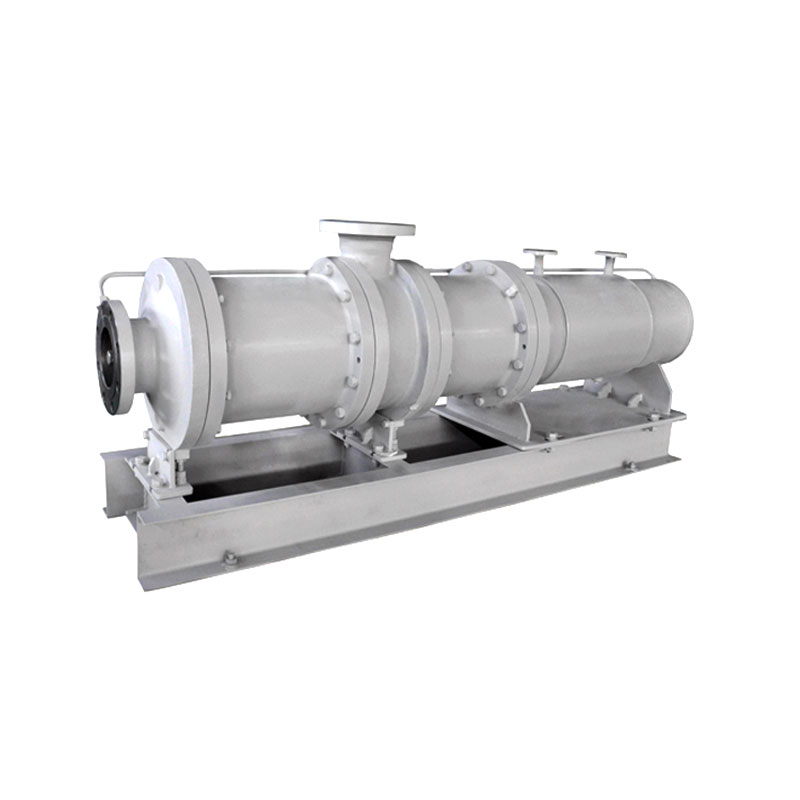
.jpg "Axially Split Horizontal Multistage Pump")


 ENG
ENG

 TOP
TOP