

 inquiry Now

 English
 русский
 عربى
عربى
What Is a Rubber Lined Pipe and How Does It Improve Corrosion Resistance?
A rubber lined pipe is a type of industrial pipeline where the inner surface is lined with a layer of high-quality rubber material. This lining provides a protective barrier between the transported fluid and the metal pipe body, significantly enhancing resistance to corrosion, chemical attack, and abrasion. The metal body, often made of carbon steel, stainless steel, or ductile iron, provides mechanical strength and structural support, while the rubber lining prevents the metal from coming into direct contact with aggressive fluids. This combination makes rubber lined pipes ideal for industries handling corrosive chemicals, slurries, and abrasive materials. The lining also reduces maintenance costs, prevents leaks, and extends the operational lifespan of the pipeline. Industrial buyers often search for chemical-resistant piping, abrasion-resistant rubber lined pipes, and industrial fluid transport solutions when sourcing materials for fluid handling systems.
Construction and Material Composition
The construction of rubber lined pipes typically includes three main layers: the metal pipe body, the adhesive bonding layer, and the rubber lining. The metal pipe provides structural integrity, the bonding layer ensures the rubber adheres securely to the metal, and the rubber lining protects against corrosion and abrasion. Various types of rubber can be used depending on the application, including EPDM, natural rubber, nitrile rubber (NBR), and neoprene. Each material offers different resistance to chemicals, temperature, and wear.
Rubber Lined Pipe Structure Table
| Layer | Function |
|---|---|
| Metal Body | Provides structural support and withstands internal pressure |
| Adhesive Layer | Bonds rubber lining securely to the pipe surface |
| Rubber Lining | Protects against chemical corrosion, erosion, and abrasion |
Rubber lined pipes are widely used in applications where standard metal pipes would corrode or erode quickly, making them a cost-effective solution for industrial fluid transport and wastewater systems.
How Do Rubber Lined Pipes Differ from Standard Metal Pipes?
Standard metal pipes are often prone to corrosion, scaling, and erosion when transporting acidic, alkaline, or abrasive fluids. Over time, this can lead to leaks, contamination, or complete pipeline failure. Rubber lined pipes differ because the inner lining of rubber acts as a barrier, preventing contact between the fluid and the metal. This prevents corrosion, reduces wear, and minimizes maintenance costs. Additionally, the rubber lining absorbs vibrations and pressure surges, reducing noise and mechanical stress on the pipeline. Search terms such as industrial rubber lined pipe, abrasion-resistant piping, and chemical-resistant pipes are frequently used by procurement professionals seeking reliable solutions.
Performance Comparison Table
| Feature | Rubber Lined Pipe | Standard Metal Pipe |
|---|---|---|
| Corrosion Resistance | Excellent; protects metal from acids, alkalis, and corrosive fluids | Limited; requires coatings or alloy metals to resist corrosion |
| Abrasion Resistance | High; lining protects against slurries, sand, and particulate matter | Low; direct contact leads to erosion over time |
| Maintenance | Low; lining reduces scaling and metal wear | High; requires frequent cleaning, repair, or replacement |
| Noise & Vibration | Low; rubber absorbs vibrations and reduces noise | High; fluid flow directly impacts metal surfaces |
| Operational Life | Long; reduced corrosion and wear extend service life | Shorter; metal surfaces degrade over time |
What Are the Main Benefits of Using Rubber Lined Pipes in Industrial Applications?
Rubber lined pipes offer numerous benefits for industrial applications. Firstly, they provide superior corrosion and chemical resistance, protecting the pipeline from aggressive fluids. Secondly, they are highly abrasion-resistant, making them ideal for transporting slurries, sand-laden liquids, and other particulate-heavy fluids. Thirdly, the flexibility of the rubber lining reduces vibration and minimizes noise, improving operational safety and comfort. Additionally, rubber lined pipes reduce maintenance frequency and costs, as the lining prevents scaling and metal degradation. Many industrial buyers prioritize these benefits when searching for industrial chemical resistant pipes, rubber lined slurry pipelines, and durable fluid transport systems.
Advantages Table
| Advantage | Description |
|---|---|
| Corrosion Resistance | Protects the pipe from acids, alkalis, and chemical attack |
| Abrasion Resistance | Prevents erosion from slurries and abrasive fluids |
| Noise Reduction | Rubber lining absorbs vibrations and reduces operational noise |
| Lower Maintenance | Reduces downtime and cleaning due to protective lining |
| Extended Lifespan | Durable lining extends service life of the pipeline system |
Which Industries Commonly Use Rubber Lined Pipes and Why?
Rubber lined pipes are widely used in industries where standard metal pipes would fail due to corrosion or abrasion. In chemical processing, these pipes safely transport acids, alkalis, and solvents without degrading. Mining operations use them to handle slurries and abrasive fluids efficiently. Wastewater treatment facilities rely on rubber lined pipes to prevent corrosion caused by sewage and chemical additives. The oil and gas sector uses them for hydrocarbon transport, protecting pipelines from erosion and chemical degradation. Food and beverage industries select sanitary rubber lined pipes to prevent contamination while ensuring chemical and wear resistance. Keywords like industrial rubber lined pipe, chemical transport pipe, and abrasion-resistant pipelines attract high traffic from these sectors.
Industry Applications Table
| Industry | Primary Benefit of Rubber Lined Pipes |
|---|---|
| Chemical Processing | Corrosion resistance for aggressive fluids |
| Mining | High abrasion resistance for slurries and sand-laden fluids |
| Wastewater Treatment | Reduces scaling and corrosion in sewage systems |
| Oil & Gas | Protects against chemical attack and erosion in pipelines |
| Food & Beverage | Sanitary, corrosion and abrasion-resistant for liquid handling |
FAQ About Rubber Lined Pipes
Are rubber lined pipes suitable for high-pressure systems?
Yes. Reinforced rubber lined pipes are designed to handle moderate to high-pressure fluids, though always check manufacturer specifications.
Can they transport corrosive chemicals?
Absolutely. The rubber lining prevents direct contact with the metal, protecting the pipe from acids, alkalis, and other aggressive chemicals.
How long do rubber lined pipes typically last?
With proper installation and maintenance, rubber lined pipes can last 10–20 years, depending on operating conditions and the type of fluid transported.
Do rubber lined pipes require special maintenance?
Maintenance is relatively low; regular inspections to ensure the lining remains intact and connectors are secure are usually sufficient.
Which industries benefit most from rubber lined pipes?
Chemical, mining, wastewater treatment, oil & gas, and food & beverage industries benefit the most due to corrosion and abrasion resistance and long-term cost efficiency.
References
International Pipe Manufacturers Association – Rubber Lined Pipe Guidelines
Journal of Industrial Piping Systems – Advances in Corrosion-Resistant Piping
Global Industrial Fluid Transport and Pipeline Market Report
Engineering Handbook on Abrasion-Resistant and Rubber Lined Piping
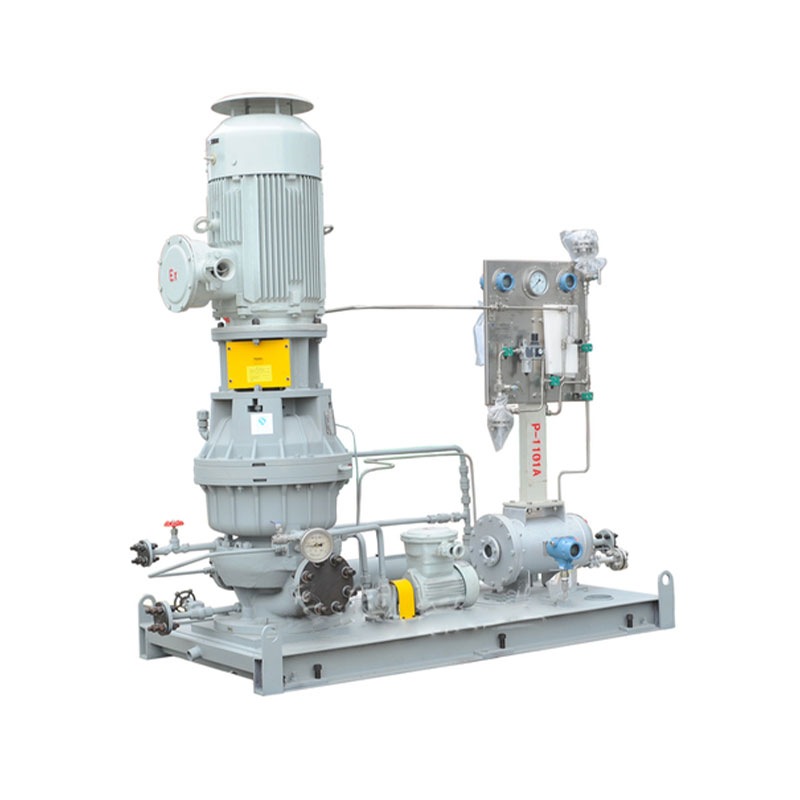
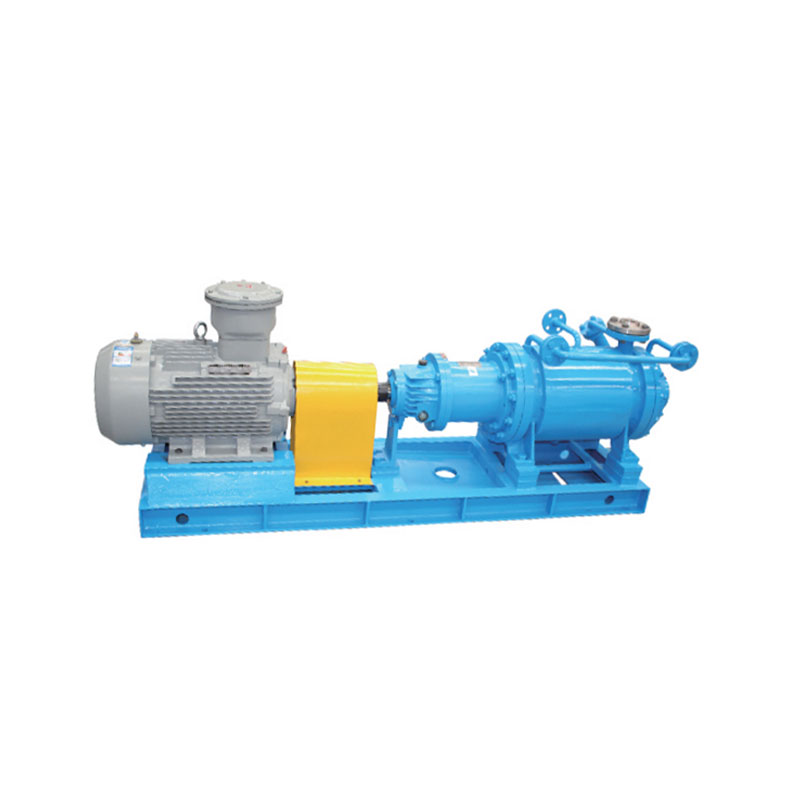
.jpg "Axially Split Horizontal Multistage Pump")


 ENG
ENG

 TOP
TOP