

 inquiry Now

 English
 русский
 عربى
عربى
In the world of fluid handling, cavitation is often referred to as the “cancer” of mechanical systems. It is a phenomenon that can transform a high-performance industrial pump into a self-destructive liability in a matter of hours. For plant managers and maintenance engineers, recognizing the early warning signs of cavitation is not just about equipment longevity; it is about preventing catastrophic system failure and ensuring operational safety. When a pump begins to sound like it is pumping marbles or gravel, the clock is already ticking on its internal components.
The Physics of Failure: Understanding Why Industrial Pumps Cavitate
To solve the mystery of cavitation, one must look at the relationship between pressure, temperature, and the physical state of the liquid being moved. Cavitation occurs when the local pressure within the pump—typically at the eye of the impeller—drops below the vapor pressure of the liquid. At this point, the liquid “boils” at ambient temperature, creating thousands of microscopic vapor bubbles.
The Implosion Cycle
As these bubbles move further into the impeller, they reach areas of higher pressure. This causes them to collapse or implode with immense force. Each implosion sends a micro-jet of liquid against the metal surfaces of the impeller and pump casing. These micro-jets travel at ultrasonic speeds, generating localized pressures that can exceed $10,000 \text{ psi}$. Over time, this repetitive hammering leads to material fatigue, creating a distinct “pitting” appearance on the metal that looks like honeycombs or sponge-like craters.
Identifying the Symptoms
Early detection is critical. The most obvious sign is a distinct, crackling noise, often described as “pumping rocks.” Beyond the sound, operators should monitor for excessive vibration that can loosen mounting bolts and damage bearings. A significant drop in hydraulic performance—specifically a loss in flow rate and discharge pressure—often indicates that the vapor bubbles are obstructing the liquid flow paths, effectively “choking” the pump’s capacity.
Root Causes: NPSH Discrepancies and System Design Flaws
The most frequent culprit behind cavitation in heavy-duty industrial pumps is an imbalance in Net Positive Suction Head (NPSH). To operate correctly, the “NPSH Available” (NPSHa) from the system must always be higher than the “NPSH Required” (NPSHr) by the pump.
Inadequate NPSH Available
NPSHa is a measure of how close the liquid at the suction port is to boiling. Several factors can steal this precious pressure. High-temperature fluids are more prone to cavitation because their vapor pressure is already high. Similarly, if the suction tank is located too low relative to the pump, or if the suction piping is too small or contains too many elbows, friction losses will drain the pressure before the liquid even reaches the impeller.
Suction Path Restrictions
Even a perfectly calculated system can fall victim to cavitation if the maintenance of the suction line is neglected. A partially clogged intake strainer is a silent killer; it creates a localized vacuum that triggers vapor formation. Furthermore, if air leaks into the suction line through a faulty gasket or packing, it can exacerbate the bubble formation process, leading to a hybrid phenomenon known as air binding, which, while technically different from cavitation, causes similar mechanical distress.
Immediate Intervention: How to Stop the Damage Now
If you suspect your industrial pump is currently cavitating, immediate action is required to mitigate physical damage while a long-term engineering solution is developed. Ignoring the symptoms will inevitably lead to a broken shaft, shattered mechanical seals, or a complete impeller failure.
Real-Time Operational Adjustments
The quickest way to alleviate cavitation is to increase the pressure at the suction side or decrease the demand for pressure within the pump. If your system allows, increasing the liquid level in the supply tank will add static head pressure. Alternatively, if the pump is controlled by a Variable Frequency Drive (VFD), slowing down the motor can reduce the NPSH requirement of the pump. While this may reduce your total output, it preserves the integrity of the equipment until a permanent fix is implemented.
Throttling the Discharge
A common “field fix” is to slightly close the discharge valve. This increases the backpressure within the pump, which can move the point of bubble implosion away from the sensitive impeller vanes and into the fluid stream, where the collapse is less damaging to the metal. However, this must be done with caution; throttling too much can cause the pump to operate at “dead head,” leading to overheating and thermal expansion issues.
Comparing Cavitation Types and Their Impact
Not all cavitation is the same. Understanding where the bubbles are forming allows for a more targeted repair strategy. The following table breaks down the two primary forms found in industrial environments:
| Feature | Suction Cavitation | Discharge Cavitation |
|---|---|---|
| Location | Eye of the impeller (inlet) | Tips of the impeller (outlet) |
| Primary Cause | Low NPSHa / Clogged suction | High discharge head / Running off-BEP |
| Physical Sign | Pitting on the “leading edge” | Pitting on the “trailing edge” or casing |
| Operational Fix | Increase suction pressure | Open discharge / Adjust BEP alignment |
| Long-term Fix | Larger suction piping | Resize pump for actual head requirements |
Engineering for the Long Term: Preventing Future Occurrences
Permanent eradication of cavitation requires a shift from “reactive maintenance” to “proactive system design.” This involves a deep dive into the hydraulic characteristics of your specific application.
Alignment with the Best Efficiency Point (BEP)
Industrial pumps are designed to operate most efficiently at a specific point on their performance curve. When a pump is forced to operate too far to the left (low flow) or too far to the right (high flow) of its BEP, internal turbulence increases. This turbulence creates localized low-pressure zones that trigger cavitation even when the overall system NPSH seems adequate. Properly sizing the pump for the actual resistance of the system is the most effective way to ensure a stable, cavitation-free life cycle.
Material and Coating Upgrades
In some high-demand applications, such as mining or power generation, cavitation might be unavoidable due to extreme process variables. In these cases, upgrading the material of the impeller from cast iron to stainless steel or a specialized duplex alloy can significantly slow the rate of erosion. Additionally, applying advanced epoxy or ceramic coatings to the internal wetted parts can provide a sacrificial layer that protects the underlying metal from the violent micro-jets of imploding vapor bubbles.
Frequently Asked Questions (FAQ)
1. Does cavitation always make a loud noise?
Not always. In some high-speed or large-scale industrial pumps, “incipient cavitation” can occur silently. While you might not hear the “rocks in a blender” sound, the microscopic damage is still occurring, which is why vibration analysis is so important.
2. Can I use a pump with a lower NPSHr to solve the problem?
Yes. If your system design cannot be changed (e.g., the tank height is fixed), replacing the existing unit with a pump specifically designed for low NPSH requirements is a valid engineering solution.
3. Is cavitation the same as air entrainment?
No. Cavitation is the formation of vapor from the liquid itself due to low pressure. Air entrainment is when outside air is sucked into the system through leaks or vortices in the supply tank. Both cause vibration and damage, but their solutions are different.
4. Will a larger motor stop my pump from cavitating?
No. In fact, a larger motor might allow the pump to run faster or push more volume, which could actually increase the NPSH requirement and make the cavitation worse.
References
- Hydraulic Institute (HI). (2025). ANSI/HI 9.6.1: Rotodynamic Pumps Guideline for NPSH Margin.
- Karassik, I. J., & McGuire, T. (2024). Centrifugal Pump Design and Application. Elsevier Science.
- World Pumps Journal. (2026). Advanced Vibration Analysis for Cavitation Detection in Industrial Systems.
- ISO 21049. (2023). Pumps — Shaft Sealing Systems for Centrifugal and Rotary Pumps.
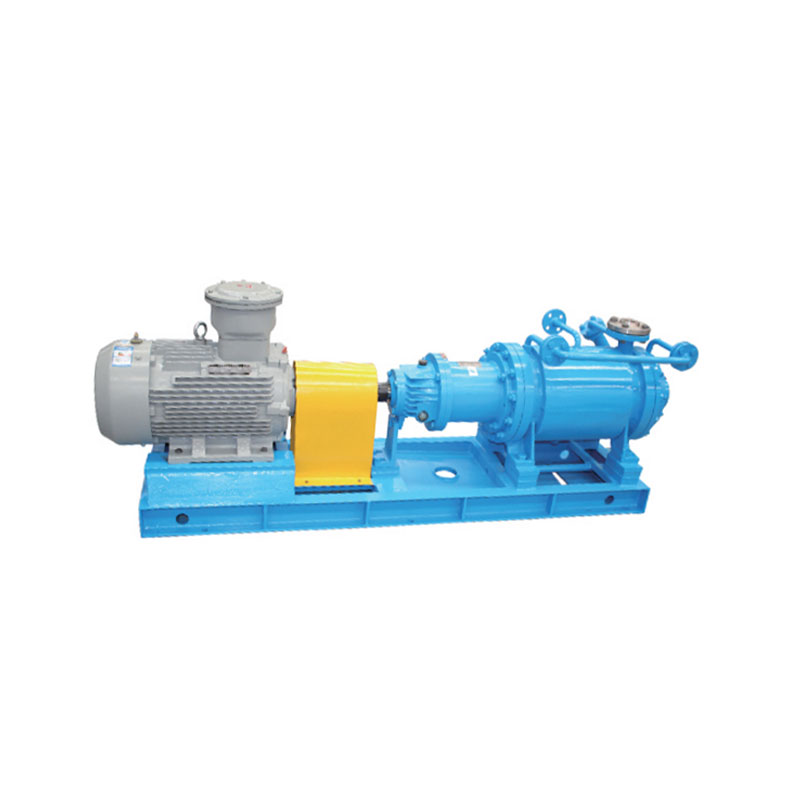
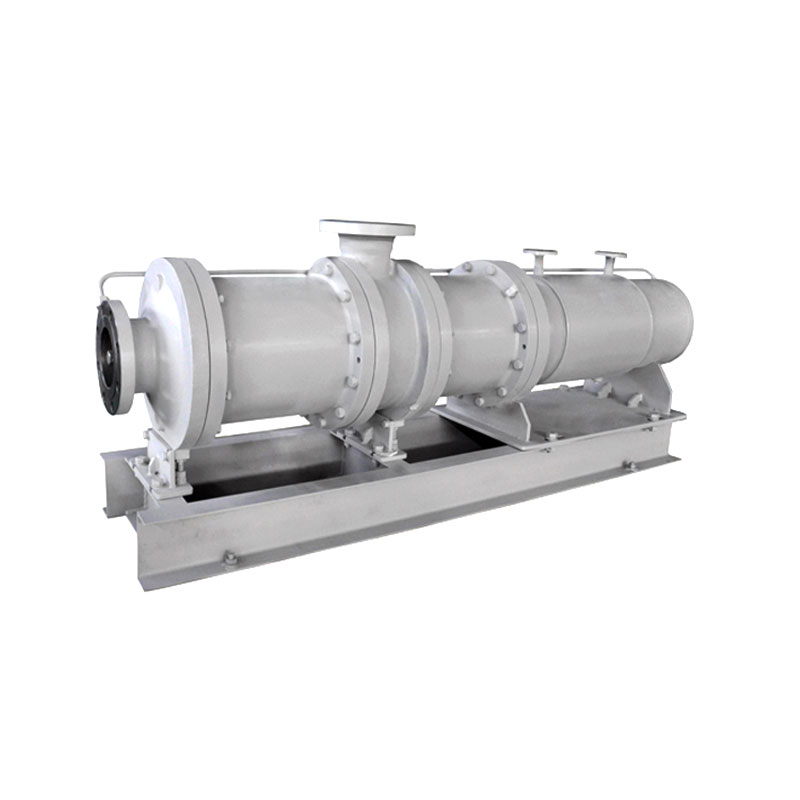
.jpg "Axially Split Horizontal Multistage Pump")


 ENG
ENG

 TOP
TOP