

 inquiry Now

 English
 русский
 عربى
عربى
Industrial pumps play a critical role in transferring liquids in various sectors such as chemical manufacturing, wastewater treatment, pharmaceuticals, and oil & gas. When these liquids are corrosive, toxic, or hazardous, the safety and reliability of pumps become paramount. Improper handling can lead to equipment failure, environmental hazards, and severe safety risks for personnel. Understanding how industrial pumps are designed and operated to safely handle corrosive or hazardous fluids is essential for engineers, facility managers, and operators.
Materials of Construction
Corrosion-Resistant Alloys and Linings
One of the primary ways industrial pumps handle corrosive fluids is through the use of corrosion-resistant materials. Metals such as stainless steel (304, 316, or duplex), Hastelloy, and titanium are commonly used for pump casings, impellers, and shafts. These materials resist chemical attack from acids, alkalis, and solvents. Additionally, non-metallic linings like PTFE, polypropylene, or rubber can be applied inside the pump to protect vulnerable components from aggressive fluids.
Material Selection Table
| Fluid Type | Recommended Pump Material | Typical Applications |
|---|---|---|
| Strong acids (HCl, H2SO4) | Hastelloy, PTFE lining | Chemical processing, battery manufacturing |
| Alkaline solutions (NaOH, KOH) | Stainless steel 316, rubber lining | Pulp & paper, chemical industry |
| Organic solvents | Titanium, PTFE, polypropylene | Pharmaceuticals, petrochemical |
Pump Design Features for Hazardous Fluids
Sealless Pumps
To prevent leaks of hazardous liquids, many industrial pumps for corrosive fluids are designed as magnetically coupled or sealless pumps. These pumps eliminate the need for shaft seals, which are common points of leakage in traditional pumps. By using a magnetic drive, the liquid is completely contained within the pump chamber, reducing environmental risk and improving safety.
Seal Selection and Containment
When seals are necessary, mechanical seals with corrosion-resistant materials and secondary containment can be used. Dual seals with a barrier fluid system are often applied to prevent hazardous liquid escape. Proper seal selection depends on fluid chemistry, temperature, and pressure.
Explosion-Proof and Pressure-Rated Pumps
For flammable or volatile fluids, pumps are designed to be explosion-proof and compliant with standards like ATEX or NFPA. Pressure-rated casings prevent rupture under high-pressure conditions, ensuring operator safety and plant integrity.
Operational Practices for Safety
Monitoring and Sensors
Modern industrial pumps handling hazardous fluids are often equipped with sensors to detect leakage, vibration, temperature, and flow anomalies. These early warning systems allow operators to respond before incidents occur.
Proper Maintenance
Regular maintenance, including inspection of seals, impellers, and linings, is crucial. Corrosive liquids can degrade components over time, so preventive replacement schedules help ensure continuous safe operation.
Safe Handling Protocols
In addition to pump design, proper handling procedures such as using secondary containment, personal protective equipment (PPE), and automated shut-off systems are essential. Training personnel on emergency response to leaks or spills is a key component of overall safety.
Common Industrial Pump Types for Hazardous Fluids
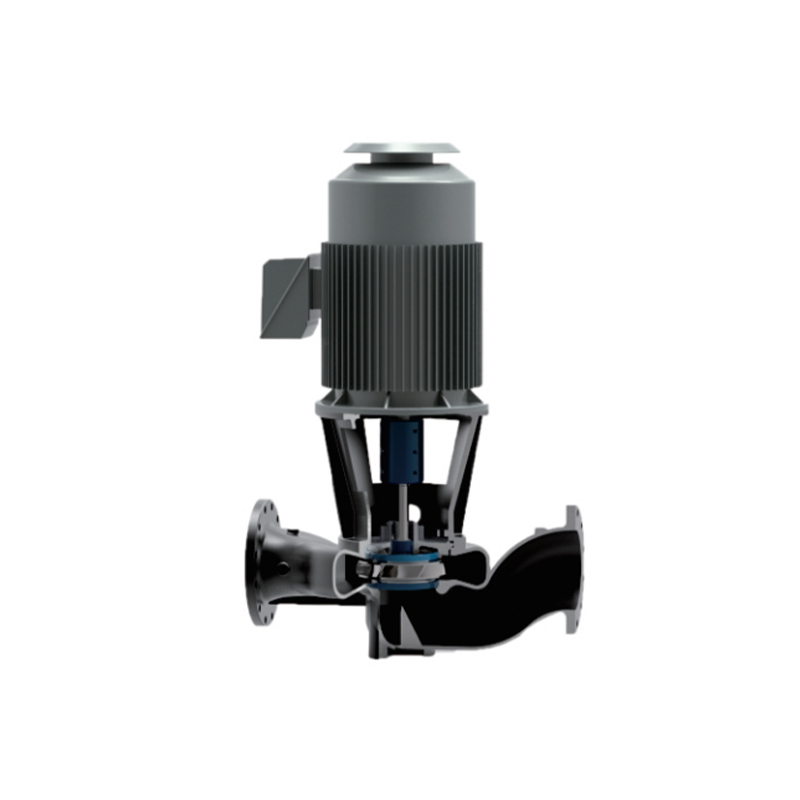
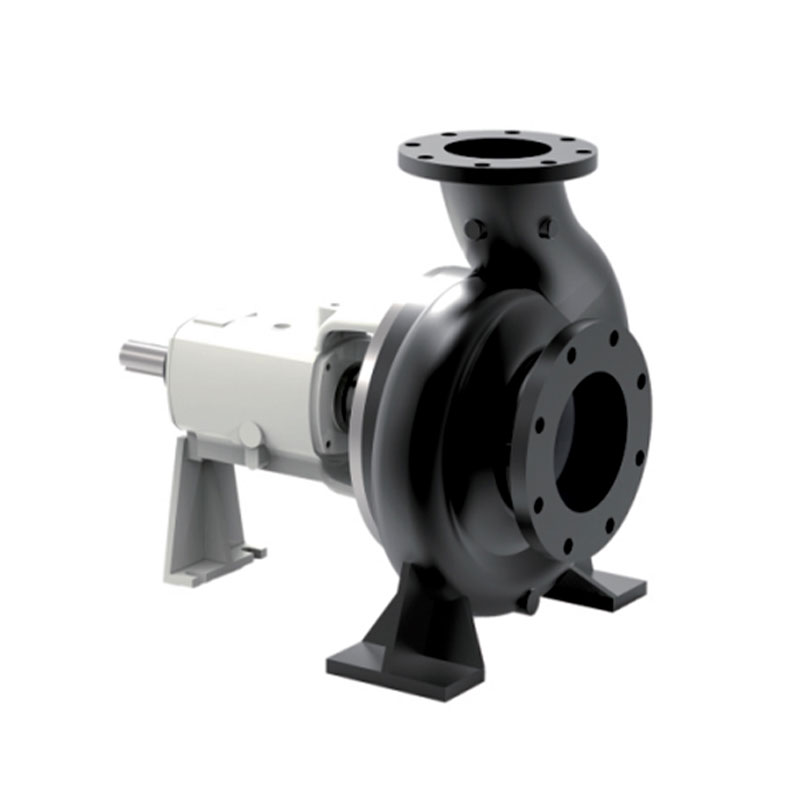
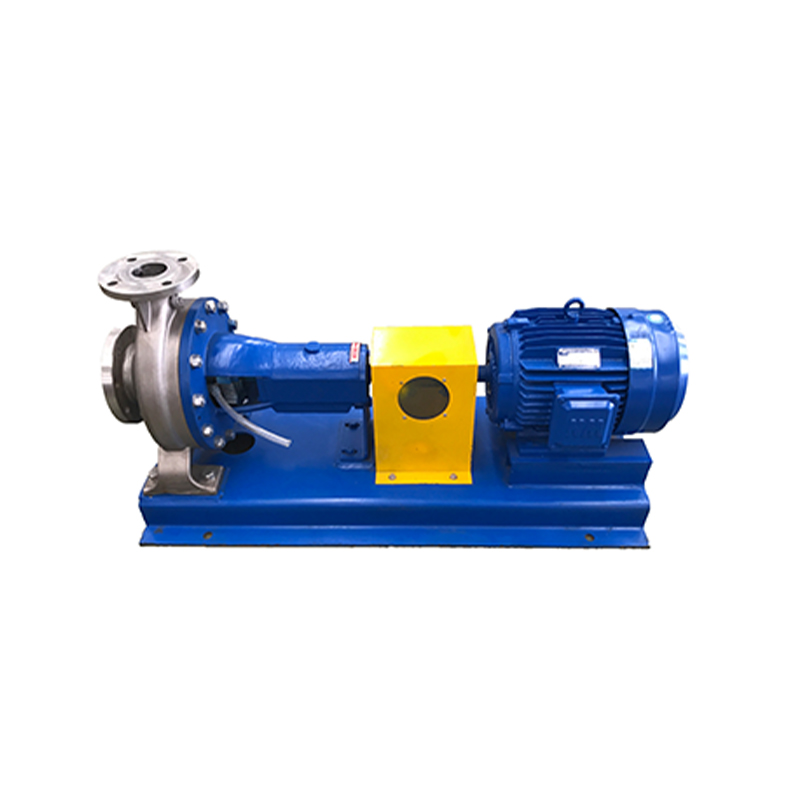
- Centrifugal Pumps: Suitable for moderate flow rates; can be lined or made with corrosion-resistant alloys.
- Diaphragm Pumps: Excellent for highly corrosive or abrasive fluids; the diaphragm isolates the fluid from moving parts.
- Gear Pumps: Ideal for viscous hazardous liquids, often constructed from stainless steel or coated with resistant polymers.
- Peristaltic Pumps: Fluids contact only the tubing, minimizing contamination and leakage risks.
Industrial pumps handle corrosive and hazardous fluids safely through a combination of material selection, advanced pump design, and strict operational protocols. Corrosion-resistant metals, PTFE or rubber linings, sealless magnetic drives, explosion-proof designs, and rigorous maintenance all contribute to safe and reliable operation. By investing in the right pump technology and following best practices, industries can minimize environmental risk, protect personnel, and ensure efficient fluid handling even under the most challenging conditions.
FAQ
1. What is a sealless pump and why is it used?
Sealless pumps, often magnetically coupled, eliminate shaft seals, preventing leaks and making them ideal for hazardous or corrosive fluids.
2. Which materials are best for handling corrosive chemicals?
Stainless steel 316, Hastelloy, titanium, and non-metallic linings like PTFE or polypropylene are commonly used depending on the fluid type.
3. Can industrial pumps handle flammable liquids safely?
Yes, pumps can be designed to be explosion-proof and comply with ATEX or NFPA standards, reducing fire risks.
4. How often should pumps handling hazardous fluids be inspected?
Inspection frequency depends on fluid aggressiveness and operational hours, but generally preventive checks should be done monthly or as recommended by the manufacturer.
5. Are diaphragm pumps suitable for corrosive fluids?
Yes, diaphragm pumps isolate the fluid from moving components, making them ideal for highly corrosive or abrasive liquids.
References
- Hydraulic Institute. (2022). Industrial Pump Standards and Best Practices.
- American Petroleum Institute (API). (2021). API 610 Centrifugal Pumps for Chemical Services.
- Plastics and Composites in Chemical Processing – Corrosion-Resistant Materials Guide.
- NFPA (National Fire Protection Association) Standards for Industrial Equipment Safety.
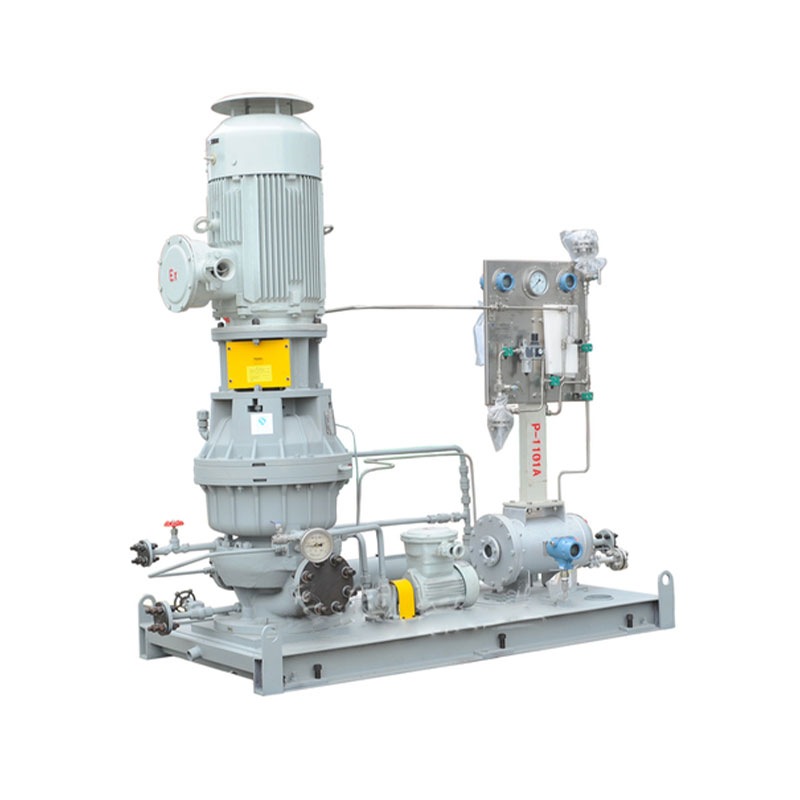
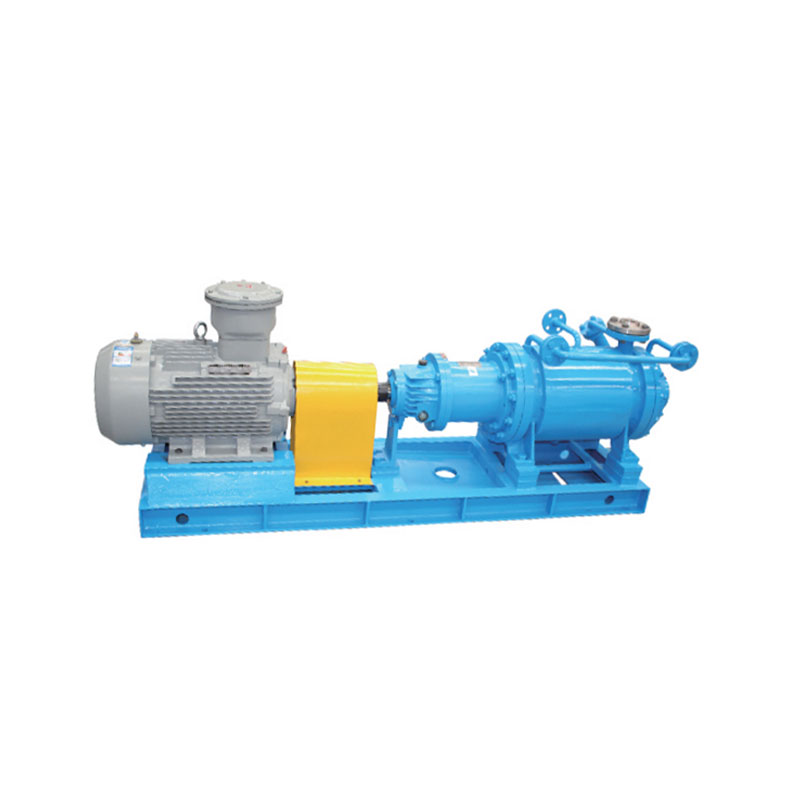
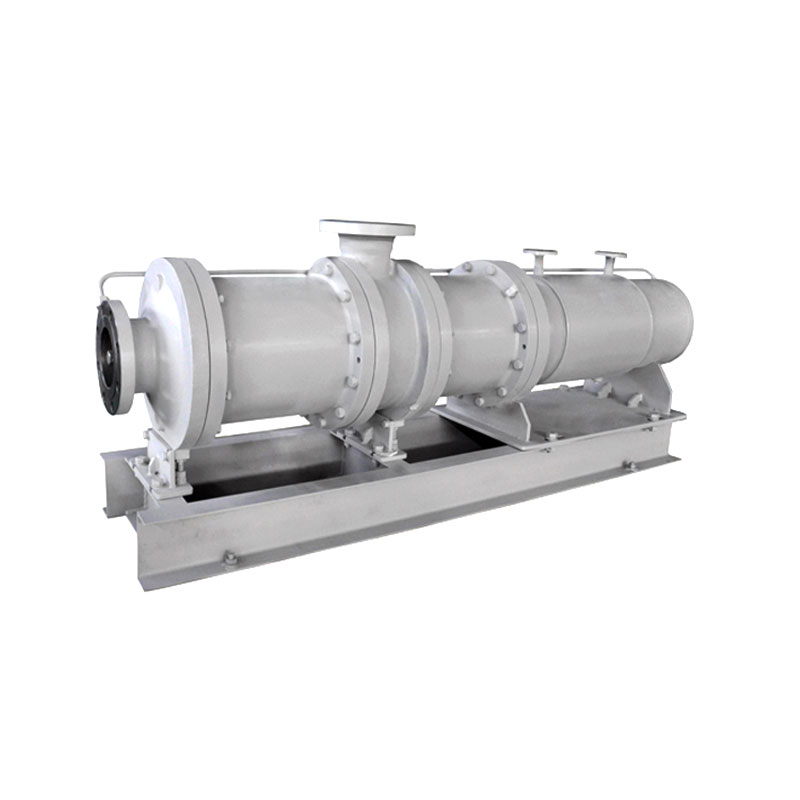
.jpg "Axially Split Horizontal Multistage Pump")


 ENG
ENG

 TOP
TOP