

 inquiry Now

 English
 русский
 عربى
عربى
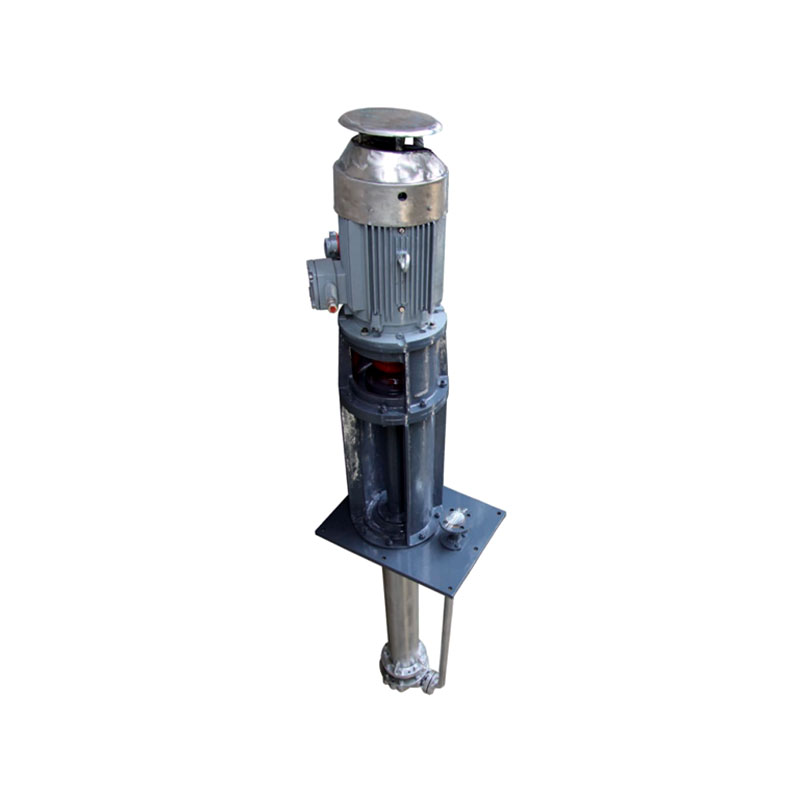
Industrial submerged pumps are designed to handle liquids and slurries in submerged environments, ensuring consistent performance and high operational efficiency. Whether used in wastewater treatment, mining, or other heavy-duty applications, these pumps offer numerous benefits that directly contribute to enhancing operational efficiency.
1. Minimizing Downtime and Enhancing Productivity
Industrial submerged pumps are designed to operate continuously without frequent maintenance interruptions. Traditional pumps often experience downtime due to mechanical failure, wear and tear, or clogging, especially when handling abrasive or corrosive fluids. Submerged pumps, on the other hand, are engineered for long-term reliability in harsh conditions.
These pumps are commonly used in industries such as wastewater management and mining, where continuous operations are crucial. The ability of submerged pumps to work reliably over extended periods, often with minimal human intervention, reduces the likelihood of operational disruptions. This ensures a smoother workflow, higher productivity, and less risk of costly delays.
Moreover, submerged pumps are often used in combination with automated systems and monitoring technologies that provide real-time data about pump health, helping identify potential issues before they become critical. This proactive approach reduces unplanned downtime, resulting in higher operational efficiency and lower overall costs.
2. Energy Efficiency and Cost Savings
Energy consumption is one of the largest operational costs in industrial settings, especially for pumps that run 24/7. Industrial submerged pumps are designed with energy efficiency in mind, utilizing advanced motor and impeller technologies that ensure optimal power consumption without sacrificing performance.
One of the key features of modern submerged pumps is the integration of Variable Frequency Drives (VFDs). VFDs allow operators to adjust the pump speed based on the required flow and pressure conditions, thereby reducing energy consumption when the demand is lower. This flexibility not only lowers the electricity bill but also extends the life of the pump by reducing wear.
In addition, submerged pumps are typically more efficient than surface-mounted pumps, which often suffer from cavitation (a phenomenon that reduces the pump’s performance) or other inefficiencies. By providing a more consistent flow, submerged pumps ensure that energy is used effectively, maximizing the return on investment.
Energy Consumption Comparison
| Pump Type | Energy Efficiency | Operational Cost | Maintenance Frequency |
|---|---|---|---|
| Submerged Pump | High | Low | Low |
| Surface-mounted Pump | Moderate | High | High |
This table illustrates how submerged pumps outperform surface-mounted pumps in terms of energy efficiency, reducing operational costs and maintenance frequency over time.
3. Handling Challenging Fluids
One of the primary reasons industries choose submerged pumps is their ability to handle challenging fluids, such as slurries, sewage, or other highly abrasive and corrosive liquids. Traditional pumps often struggle when faced with such harsh substances, leading to clogs, equipment breakdowns, and maintenance challenges.
Submerged pumps are equipped with specially designed components, including corrosion-resistant materials and heavy-duty impellers, to handle fluids that are difficult to pump. For example, in mining applications, submerged pumps are used to transfer slurry, a mixture of water and fine particles. These pumps can operate effectively in environments where surface-mounted pumps would fail, ensuring that the process remains uninterrupted and efficient.
Additionally, submerged pumps are capable of working in high-temperature environments and can pump liquids at varying viscosities, making them versatile for multiple applications. This flexibility in fluid handling improves overall operational efficiency, especially in industries that deal with a wide range of fluid types.
4. Improved Pumping Capacity and Reliability
Submerged pumps are designed to provide higher flow rates and pressures compared to other types of pumps, making them ideal for industrial applications that require consistent, high-volume pumping. These pumps are commonly used in environments where large amounts of water, chemicals, or other fluids need to be moved quickly and efficiently.
Their design also helps minimize issues such as cavitation, which can lead to pump failure in traditional pumps. Submerged pumps are engineered to operate at optimal speeds and pressures, which results in a more stable and reliable performance, even under extreme conditions. This stability translates to less frequent maintenance, fewer breakdowns, and an overall increase in operational uptime.
Because these pumps are submerged in the fluid they are pumping, they often have a more direct and efficient path for moving liquids, reducing friction losses and improving overall pumping capacity.
5. Reduced Maintenance Costs
Another significant benefit of industrial submerged pumps is their ability to minimize maintenance costs. Traditional pumps require frequent servicing, replacement of worn-out parts, and cleaning, especially when handling abrasive or sticky substances. Submerged pumps, however, are designed for minimal intervention and are less prone to clogging or other operational issues.
Many submerged pumps are self-priming, meaning they do not require external priming to start the pumping process. This feature eliminates the need for additional equipment or time-consuming procedures, further reducing the cost of operation. Furthermore, submerged pumps often feature self-cleaning capabilities and automatic monitoring systems, ensuring that they remain in good working condition for longer periods without the need for human intervention.
The overall result is a reduction in maintenance frequency and costs, allowing businesses to allocate resources more efficiently and reduce downtime associated with equipment repairs.
6. Versatility in Various Industrial Applications
Submerged pumps are highly versatile and can be adapted for use in a wide variety of industrial applications. From wastewater treatment plants to mining and oil extraction, these pumps are designed to meet the diverse needs of various industries. Their ability to pump liquids, slurries, chemicals, and even sewage makes them indispensable in many sectors.
For example, in sewage treatment plants, submerged pumps are used to transport raw sewage through different treatment stages. Their robust construction and ability to handle solids, grit, and other impurities make them ideal for this demanding application. Similarly, in the oil and gas industry, submerged pumps are used to move fluids in offshore drilling operations, where reliable and continuous pumping is essential.
7. Lower Environmental Impact
In an era of growing environmental concerns, the use of energy-efficient industrial equipment is more important than ever. Submerged pumps contribute to reducing the environmental impact of industrial operations by lowering energy consumption, which in turn reduces the carbon footprint of the facility.
Additionally, submerged pumps are made from durable materials that extend their lifespan and reduce the need for frequent replacements. This contributes to sustainability by minimizing waste and reducing the consumption of resources over time. By choosing submerged pumps, companies can improve their operational efficiency while also supporting their sustainability goals.
FAQ
-
What is the primary benefit of using industrial submerged pumps?
Industrial submerged pumps are primarily used for their high efficiency and ability to handle challenging fluids, reducing downtime and operational costs. -
Are submerged pumps energy efficient?
Yes, submerged pumps are designed to be energy-efficient, often equipped with features like Variable Frequency Drives (VFDs) that help reduce energy consumption by adjusting pump speeds according to demand. -
What industries use industrial submerged pumps?
These pumps are used in a variety of industries, including wastewater management, mining, chemical processing, and oil and gas, where reliable and continuous pumping is crucial. -
How do submerged pumps handle corrosive and abrasive fluids?
Submerged pumps are built with corrosion-resistant materials and heavy-duty components, allowing them to handle abrasive, corrosive, and thick fluids efficiently. -
Do submerged pumps require frequent maintenance?
Submerged pumps typically require less maintenance compared to traditional pumps due to their robust design, self-cleaning features, and reliable performance in harsh conditions.
References
- Smith, A. (2020). Pumps in Industrial Applications: Types and Efficiency. Industrial Engineering Journal, 32(4), 113-125.
- Johnson, R. (2019). Energy Saving Technologies in Industrial Pumps. Green Tech Publishing.
- Lee, P. (2021). Submerged Pumps: Key Benefits for Industrial Settings. Mechanical Engineering Review, 45(2), 90-102.
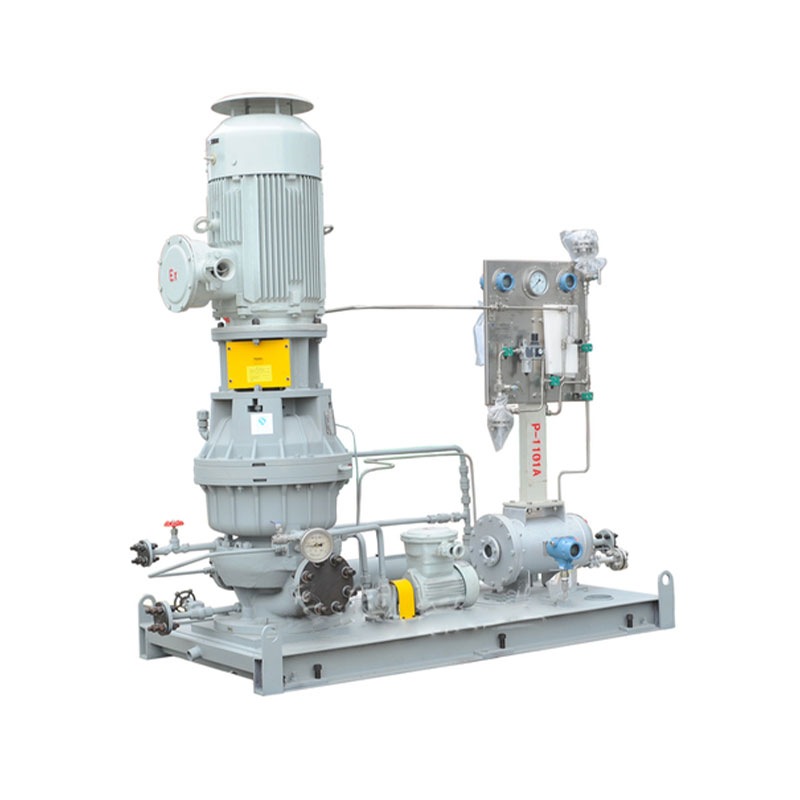
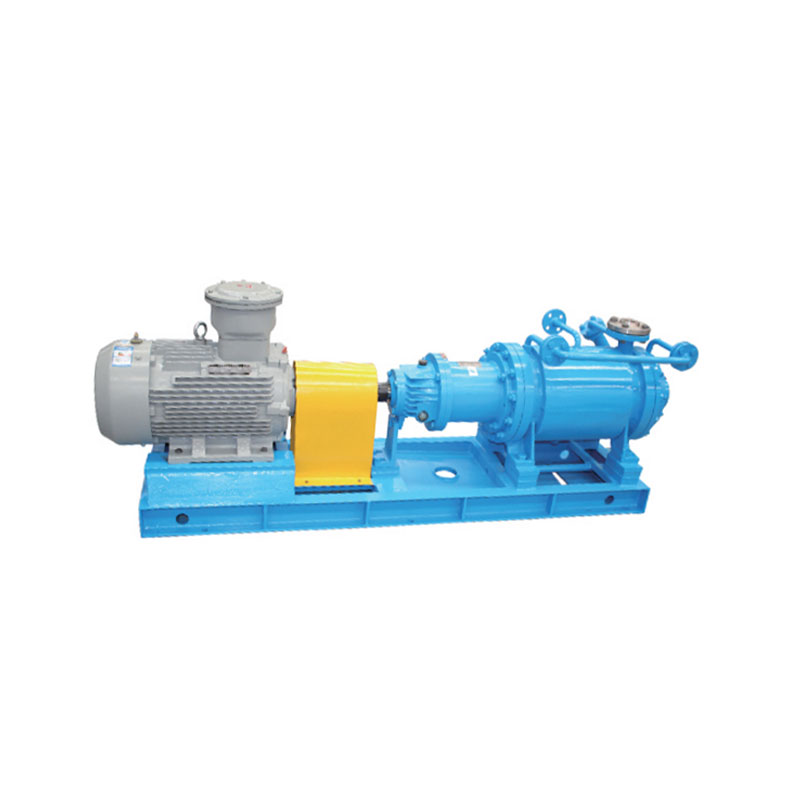
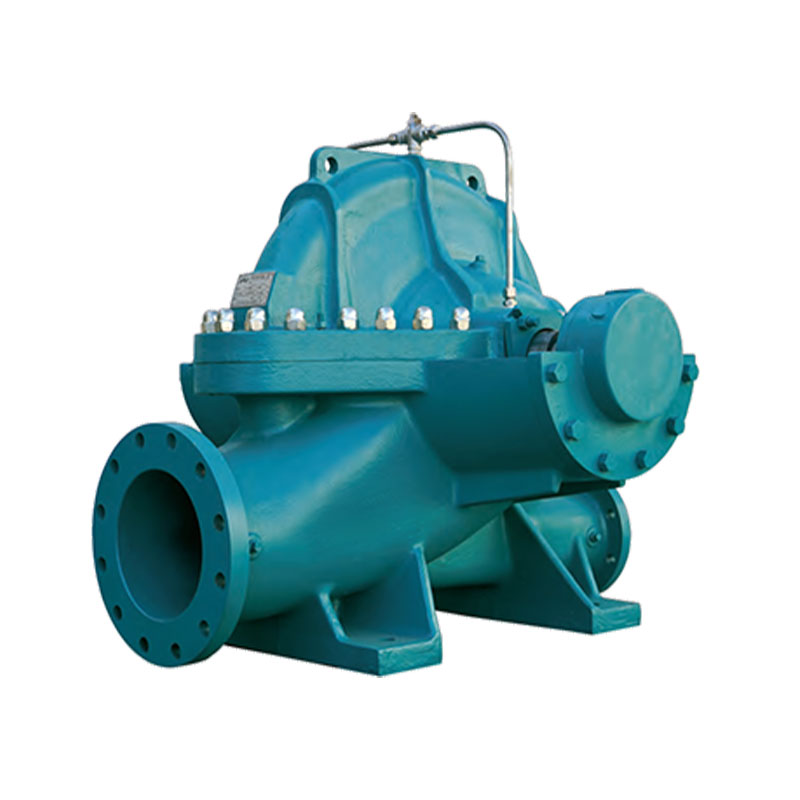
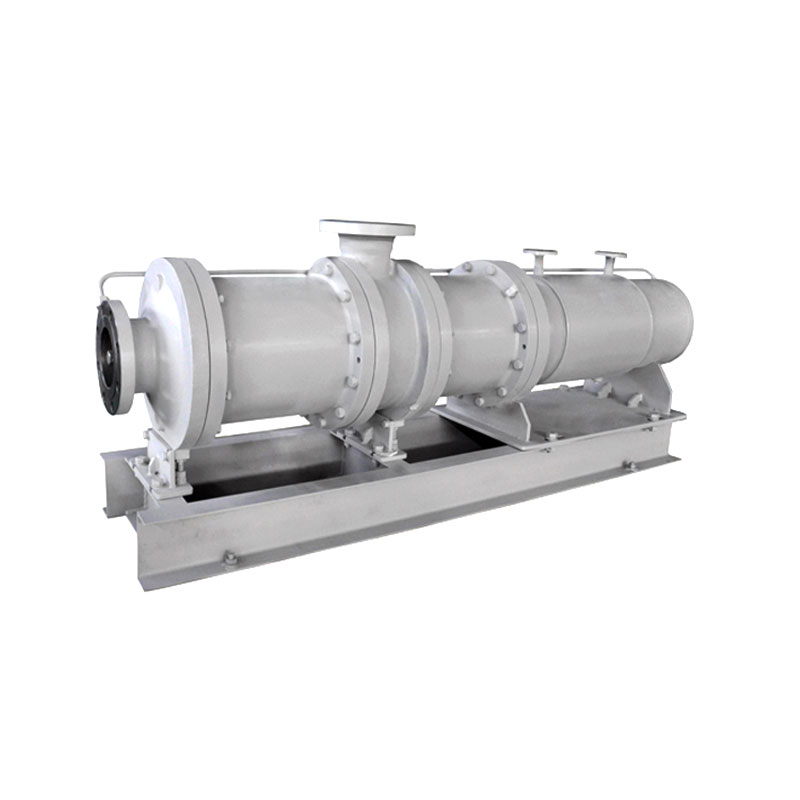
.jpg "Axially Split Horizontal Multistage Pump")


 ENG
ENG

 TOP
TOP