

 inquiry Now

 English
 русский
 عربى
عربى
Operating an industrial plunger gear pump requires strict adherence to safety protocols because these pumps handle high-pressure fluids and can pose significant hazards if misused. They are widely used in industries such as chemical processing, oil and gas, water treatment, and manufacturing, where precision and reliability are critical. Improper operation can lead to equipment failure, fluid leakage, or even serious injury. Therefore, understanding and implementing proper safety measures is essential for operators, maintenance personnel, and plant managers alike. Safe operation begins with awareness of the pump’s design, capabilities, and limitations.
The first step in ensuring safety is proper training and the use of personal protective equipment (PPE). Operators must be trained to understand the pump’s components, pressure ratings, operational limits, and emergency shutdown procedures. PPE, including safety goggles, gloves, protective clothing, and sometimes face shields, is essential to protect against potential fluid splashes, leaks, or high-temperature hazards. Furthermore, all operators should be familiar with the pump’s manual, including maintenance schedules, warning indicators, and recommended operating procedures. Establishing a culture of safety in the workplace ensures that personnel remain vigilant and respond appropriately to potential risks.
Another crucial safety practice is routine inspection and monitoring of the pump. Before starting the pump, operators should check for signs of wear, damaged seals, loose fittings, or cracks in the pump housing. Ensuring that all valves, including pressure relief valves, are functional and properly calibrated is vital for preventing overpressure situations. Monitoring the pump during operation for unusual sounds, vibrations, or sudden temperature increases can help detect early signs of failure, reducing the risk of accidents or costly downtime.
| Safety Measure | Recommended Action |
|---|---|
| Personal Protective Equipment | Wear goggles, gloves, and protective clothing during operation |
| Training | Ensure all operators are trained on pump functions, limits, and emergency steps |
| Inspection | Check seals, fittings, and valves before starting |
| Pressure Monitoring | Verify pressure relief valves are set correctly and monitor pump pressure |
| Emergency Shutdown Procedures | Ensure clear and accessible shutdown instructions in case of pump failure |
| Work Area Safety | Keep area clean, dry, and free of obstacles |
In addition to inspections, operators should always adhere to manufacturer guidelines and operational limits. Industrial plunger gear pumps are designed to operate within specific pressure and flow ranges. Exceeding these parameters can lead to mechanical stress, accelerated wear, or sudden failure, creating safety hazards. Never attempt to bypass safety devices or modify the pump without consulting the manufacturer. Proper alignment of the pump and connected piping is also essential to minimize mechanical stress, prevent misalignment, and reduce the risk of leaks or catastrophic failure. Finally, implementing a scheduled maintenance plan, including lubrication, seal replacement, and performance testing, ensures long-term safety and reliability of the pump.
FAQ
Q1: Can a plunger gear pump be operated without PPE if handling non-hazardous fluids?
A1: Even when handling non-toxic fluids, PPE is recommended. Unexpected leaks, high pressure, or mechanical failure can still pose serious hazards.
Q2: How often should industrial plunger gear pumps be inspected?
A2: Daily inspections are advised for pumps in continuous operation, while full maintenance checks should be performed monthly or per the manufacturer’s recommendations.
Q3: What should I do if the pump starts vibrating excessively?
A3: Immediately stop the pump, check for misalignment, fluid viscosity issues, or worn components, and only restart after correcting the problem.
Q4: Are there any specific shutdown procedures in case of pump failure?
A4: Yes, always follow manufacturer-prescribed emergency shutdown procedures to safely depressurize the system and prevent fluid leaks or mechanical damage.
References
- Smith, J. “Industrial Gear Pumps: Safety and Maintenance Guidelines.” Pump Engineering Journal, 2022.
- Manufacturer Safety Manual: “High-Pressure Plunger Gear Pumps.” XYZ Pump Co., 2023.
- ISO 4413:2021 – Hydraulic Fluid Power – General Rules and Safety Requirements.
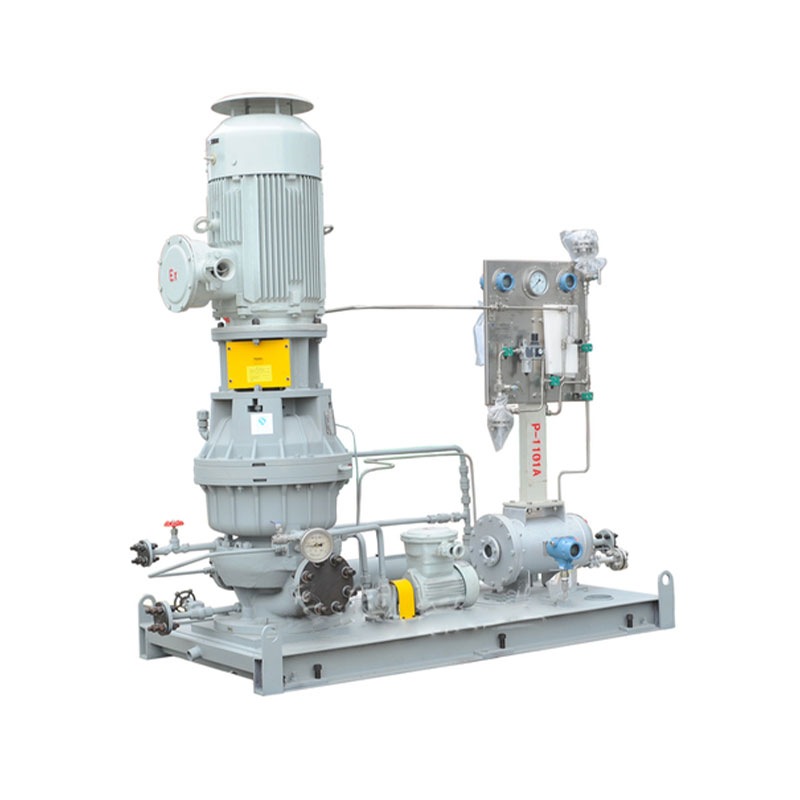
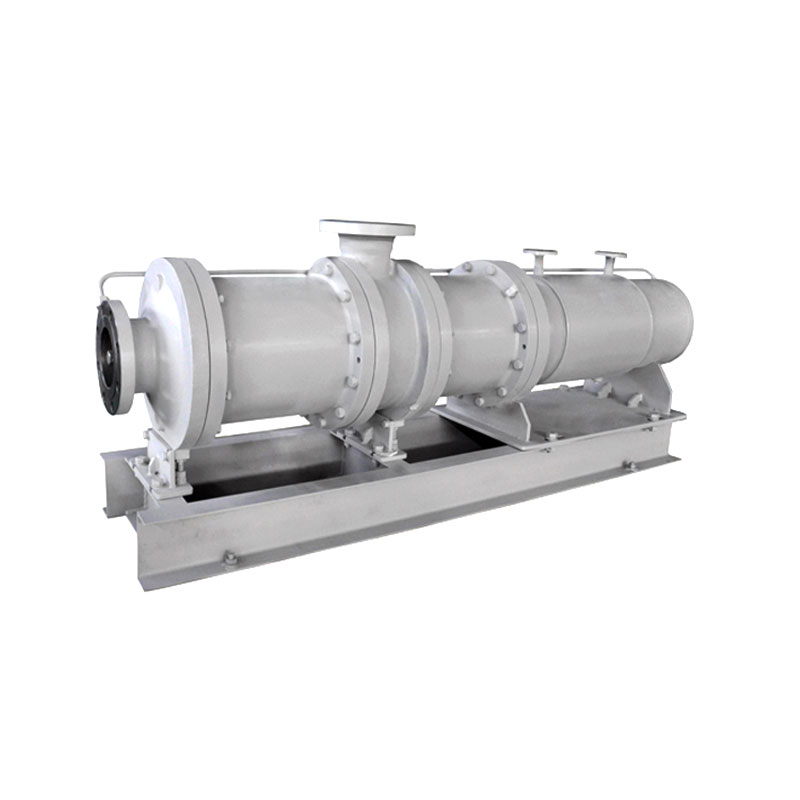
.jpg "Axially Split Horizontal Multistage Pump")


 ENG
ENG

 TOP
TOP