

 inquiry Now

 English
 русский
 عربى
عربى
The honest answer: a well-specified, properly maintained industrial pump can last 20–25 years. The industry average, however, tells a different story — most pumps in field service are replaced or undergo major overhaul within 7–12 years, and in harsh process environments, failure cycles as short as 2–3 years are not uncommon. The gap between theoretical and actual lifespan is almost never a product quality issue. It is the result of compounding decisions made at the specification, installation, operation, and maintenance stages — decisions that either extend or erode service life from day one.
Realistic Lifespan Benchmarks by Pump Type
Not all pumps age equally. Pump architecture, materials, and the nature of the fluid being handled set a biological ceiling on service life before any operational variable is introduced.
| Pump Type | Typical Design Life | Realistic Field Life | Primary Wear Mechanism |
|---|---|---|---|
| End-suction centrifugal | 20–25 years | 10–15 years | Bearing and seal wear, impeller erosion |
| Multistage centrifugal | 20+ years | 12–18 years | Stage wear rings, shaft deflection |
| Gear pump (positive displacement) | 15–20 years | 8–12 years | Gear tooth and bushing wear |
| Diaphragm pump | 5–10 years (diaphragm) | 3–7 years (diaphragm) | Diaphragm fatigue and check valve wear |
| Submersible pump | 10–15 years | 5–10 years | Motor winding degradation, seal failure |
| Peristaltic pump | Hose: 500–2,000 hrs | Housing: 10–15 years | Hose/tube fatigue cracking |
| Slurry pump (rubber-lined) | 3–8 years (wet end) | 1–4 years (wet end) | Abrasive erosion of liners and impeller |
Factor 1: Operating Point Relative to Best Efficiency Point (BEP)
Of all the variables that determine pump lifespan, how far the pump runs from its Best Efficiency Point (BEP) is arguably the single most consequential. BEP is the flow rate at which a centrifugal pump operates with maximum hydraulic efficiency and minimum internal stress. Running consistently at 70–110% of BEP flow is generally considered the acceptable operating window.
A Hydraulic Institute study found that pumps operating below 50% of BEP flow experienced bearing failures 3–5 times more frequently than those running within the preferred operating region. The underlying physics: at low flow, recirculation zones develop inside the impeller and volute, generating hydraulic forces that load the shaft radially, accelerate bearing wear, and cause seal face distortion. At high-flow extremes (above 120% BEP), cavitation, noise, and vibration escalate sharply.
In practice, many industrial pumps are oversized at specification — a conservative engineering habit — and spend their operational lives throttled back by a discharge valve, running chronically left of BEP. Correcting this through impeller trimming, variable frequency drives, or pump replacement with a correctly sized unit is one of the highest-return interventions available for extending service life.
Factor 2: Fluid Characteristics — Temperature, Viscosity, and Solids Content
The fluid being pumped sets the fundamental wear environment. Three properties dominate:
Temperature
Elevated fluid temperatures accelerate seal face wear, degrade bearing lubrication, and cause differential thermal expansion between pump components. Mechanical seals in high-temperature services (above 180°C) typically require flushing plans (API Plan 23 or 32) to maintain stable face temperatures — without which seal life can drop from 2–3 years to under 6 months.
Viscosity
High-viscosity fluids (above 100 cSt) increase hydraulic losses in centrifugal pumps significantly, shifting the effective BEP and reducing head delivery. Pumping heavy fuel oil or polymer solutions through a centrifugal pump sized for water causes the machine to run far off-curve, compressing service intervals by a factor of 2–4. Positive displacement pumps are generally far more tolerant of viscosity variation.
Solids and Abrasives
Slurry applications are the most aggressive wear environment in industrial pumping. A 10% increase in solids concentration by weight can reduce impeller and liner life by 30–50%, depending on particle hardness and size distribution. Quartz sand (Mohs hardness 7) in a copper-alloy impeller is a fundamentally different wear problem than coal fines in a rubber-lined pump. Material selection — chrome iron, white iron, natural rubber, polyurethane — must be matched specifically to the abrasive profile of the slurry.
Factor 3: Mechanical Seal and Bearing Condition
Industry data consistently shows that mechanical seals and bearings account for over 70% of all centrifugal pump failures (ASME, 2020). These are the pump's highest-wear components — and the most sensitive to operating conditions outside design intent.
- Mechanical seals rely on a thin fluid film between rotating and stationary faces. Dry running — even for seconds during start-up — can destroy a seal face irreversibly. Mean time between seal failures in well-run refineries is 3–5 years; in poorly managed facilities it can be under 12 months.
- Rolling element bearings are acutely sensitive to lubrication quality and quantity. Over-lubrication causes churning heat; under-lubrication accelerates metal-to-metal contact. A bearing running at 10°C above its optimal temperature has its L10 life (expected life before 10% of a bearing population fails) reduced by approximately 50%, per the Arrhenius thermal degradation model.
- Shaft alignment directly loads both bearings and seals. A misalignment of just 0.05 mm (50 microns) at the coupling can increase bearing radial load by 15–20%, compressing bearing life proportionally to the cube of the load increase under the L10 formula.
Factor 4: Cavitation — the Silent Life-Shortener
Cavitation occurs when local pressure at the pump inlet drops below the fluid's vapor pressure, forming vapor bubbles that collapse violently as they enter higher-pressure zones. Each collapse releases a micro-jet of energy capable of eroding metal surfaces at a microscopic level. Sustained cavitation can pit-erode a cast iron impeller within weeks of continuous exposure and destroy stainless steel impellers within months.
The root causes of cavitation are well understood: insufficient Net Positive Suction Head Available (NPSHa) relative to the pump's required NPSH (NPSHr), suction pipe restrictions, excessive fluid temperature, or running the pump at flows well above BEP. The most common field cause is a partially closed suction valve or a blocked strainer — both entirely preventable through operational discipline. A cavitating pump produces a characteristic crackling or gravel-like noise that operators should be trained to recognize and respond to immediately.
Factor 5: Maintenance Strategy — Reactive vs. Predictive
Maintenance philosophy may be the single most controllable lever for extending pump life. A 2021 Emerson Process Management benchmarking study of 200 industrial facilities found that plants using predictive maintenance (PdM) programs extended average pump service life by 40% and reduced unplanned downtime by 65% compared to facilities relying on reactive or time-based maintenance alone.
The core tools of modern pump predictive maintenance include:
- Vibration analysis: Identifies bearing defects, impeller imbalance, misalignment, and cavitation months before failure. ISO 10816-7 provides vibration severity limits for industrial pumps.
- Thermographic inspection: Detects bearing hot spots, motor overheating, and blocked cooling passages during live operation without shutdown.
- Oil analysis: Identifies wear metals (iron, copper, chromium) in bearing housing lubricant — an early indicator of accelerated internal wear.
- Performance trending: Tracking flow, head, and power consumption against the original pump curve reveals internal wear (rising power at reduced head) before visible damage occurs.
- Ultrasonic leak detection: Identifies mechanical seal weepage and internal bypass leakage at early stages, preventing fluid contamination of bearings.
Factor 6: Installation Quality and System Design
Poor installation creates lifespan penalties that no amount of maintenance can fully correct. The most damaging installation errors include:
- Pipe strain: Suction and discharge piping that imposes force or moment loads on the pump casing distorts the internal geometry, causes misalignment at the mechanical seal, and overloads bearings from first start-up. ASME B73.1 limits allowable nozzle loads specifically to prevent this.
- Poor baseplate grouting: A baseplate that is not properly grouted to the foundation allows micro-movement under operating loads, destroying precision shaft alignment within weeks of commissioning.
- Inadequate suction pipe design: Short straight-run lengths before the pump suction nozzle, elbows in the wrong orientation, or reducers that introduce air pockets all create turbulent, non-uniform inlet flow that drives off-BEP operation and cavitation.
- Incorrect coupling installation: Interference fits applied without thermal methods, incorrect torque on bolting, or elastomeric elements installed dry all create coupling failures that transmit shock loads directly to pump bearings.
A rigorous pre-commissioning checklist — including laser alignment verification to within 0.025 mm TIR, pipe load measurement, and baseplate grout cure confirmation — is the most cost-effective investment available at the start of a pump's service life.
Factor 7: Materials of Construction vs. Fluid Corrosivity
Corrosion is the dominant life-limiting mechanism in chemical process and water treatment applications. The classic error is specifying cast iron for marginally corrosive fluids to save capital cost — only to incur accelerated replacement cycles that eliminate any initial savings within 2–3 years.
| Material | Best Suited For | Key Limitation | Relative Cost Index |
|---|---|---|---|
| Cast iron | Neutral water, non-corrosive oils | Poor acid/alkali resistance | 1.0× |
| 316 Stainless steel | Mild acids, food/pharma, seawater (limited) | Chloride stress corrosion cracking risk | 2.5× |
| Duplex stainless (2205) | Seawater, chloride-rich process fluids | Higher cost, limited machinability | 4.0× |
| Alloy 20 / Hastelloy C | Strong acids (H₂SO₄, HCl), oxidizing media | High cost, limited availability | 6–10× |
| PTFE / PP-lined | Highly corrosive chemicals, ultra-pure fluids | Temperature and pressure limits | 3–5× |
What Best-in-Class Operators Do Differently
Facilities that consistently achieve 20+ year pump service lives share a recognizable set of practices:
- Specify for the actual operating point, not the worst case. Oversizing is the single most common cause of chronic off-BEP operation. Use real system curve data, not conservative estimates, at the specification stage.
- Install variable frequency drives on variable-duty pumps. VFDs eliminate throttling losses, keep the pump near BEP across a range of flow demands, and reduce mechanical stress during start-up. Payback periods of 1–3 years are typical in variable-flow applications.
- Treat pump installation as a precision activity. Laser alignment, pipe stress checks, and grouted baseplates are not optional refinements — they are the foundation on which all subsequent service life is built.
- Implement continuous vibration monitoring on critical pumps. Online vibration sensors cost $500–$2,000 per point and can detect bearing defects 4–6 weeks before failure — preventing unplanned shutdowns worth multiples of the sensor investment.
- Maintain a pump performance baseline and trend against it. A pump whose efficiency has dropped 5% is telling you something about internal wear. A pump that has dropped 15% is overdue for wet-end inspection regardless of bearing and seal condition.
- Do not defer mechanical seal and bearing replacements. A $400 seal replaced on schedule preserves a $15,000 pump casing. A seal run to catastrophic failure can destroy impeller, casing, and shaft in a single event.
Industrial pump lifespan is not primarily a function of build quality — it is a function of how well the pump is specified, installed, operated, and maintained across its service life. The difference between a pump that lasts 8 years and one that lasts 20 years is almost always traceable to decisions made at the design, commissioning, and maintenance stages — not to the pump itself. The highest-return actions are correct sizing relative to BEP, precision installation, mechanical seal management, and the transition from reactive to predictive maintenance. Each of these is under the operator's control from day one.
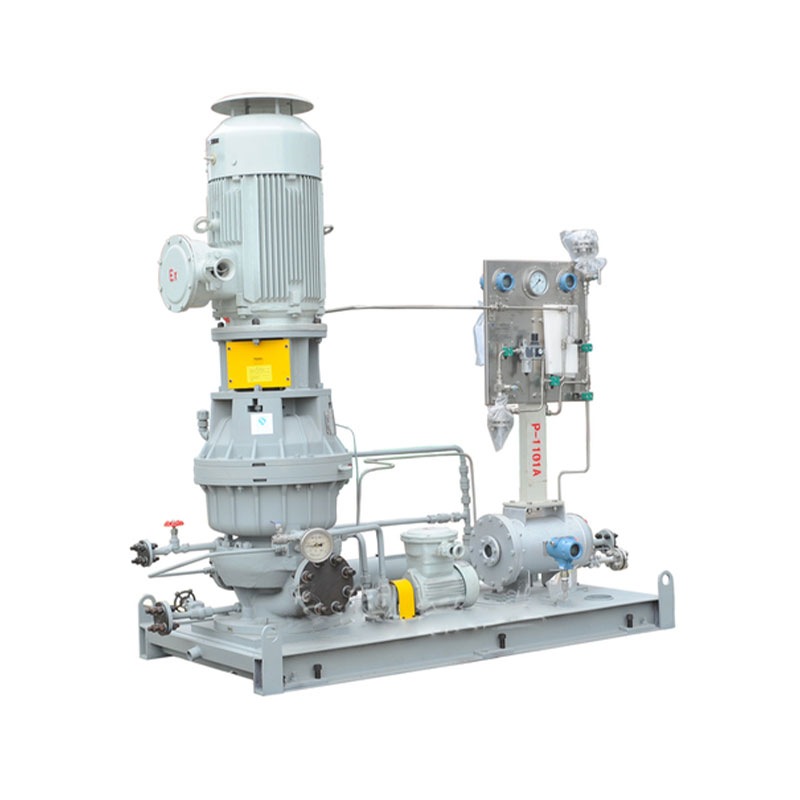
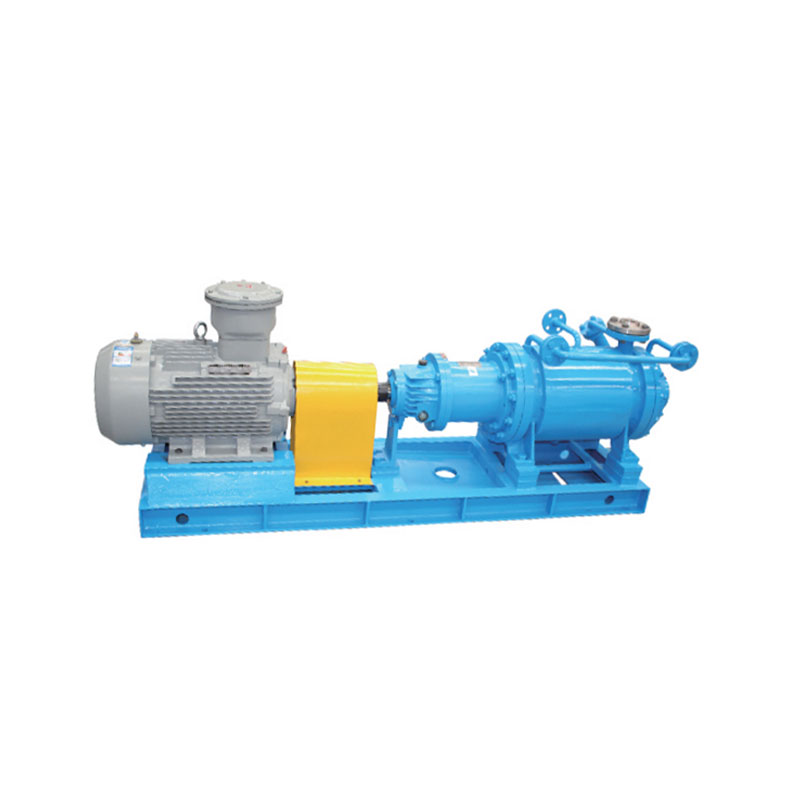
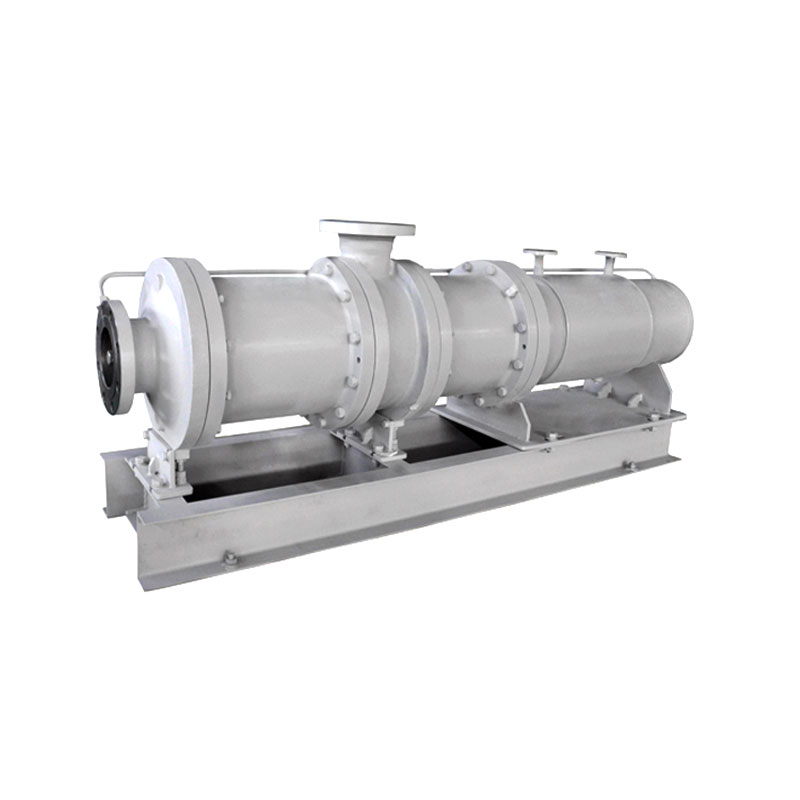
.jpg "Axially Split Horizontal Multistage Pump")


 ENG
ENG

 TOP
TOP