

 inquiry Now

 English
 русский
 عربى
عربى
The most reliable place to get industrial pumps is directly from a specialized manufacturer or an authorized distributor, rather than a general online marketplace. Manufacturers provide full engineering documentation, certified test reports, and application specific sizing support, which matters because an undersized or mismatched pump is one of the most common causes of premature failure in industrial systems. For most buyers, the practical path is: identify your flow rate, pressure head, and media requirements first, then request quotes from two or three established manufacturers who specialize in your industry, such as chemical processing, paper milling, or municipal water handling.
Where to find industrial pumps depends heavily on what you actually need the pump to do. A small circulation pump for a light commercial application can often be sourced from a regional distributor within days, while a large centrifugal pump for a paper mill or chemical plant may require a custom engineered order with a lead time of several weeks. The sections below cover every major sourcing channel, how to evaluate suppliers, and how to choose the right pump for heavy duty use.
A Quick Note on Dune Awakening Searches
If your search brought you here from a query like where do you find industrial pumps in dune awakening, where to buy industrial pumps dune awakening, where to find industrial pumps dune, where to get industrial pumps dune, or where to farm industrial pumps, this article is not about the in game crafting item from the video game Dune Awakening. For that item, the best resource is the in game crafting menu, the survey mode item locator, or a community wiki dedicated to the game, since crafting material locations change with game updates. Everything below covers real world, physical industrial pumps used in manufacturing, water treatment, and processing facilities.
Main Channels for Sourcing Industrial Pumps
There are four primary channels buyers use when researching where to find industrial pumps, and each one fits a different combination of budget, urgency, and technical complexity.
| Channel | Best For | Typical Lead Time |
|---|---|---|
| Direct manufacturer | Custom engineered or heavy duty applications | 2 to 8 weeks |
| Authorized distributor | Standard catalog pumps, faster turnaround | 3 days to 2 weeks |
| Online B2B marketplace | Comparing multiple suppliers quickly | Varies by supplier |
| Trade shows and industry expos | Evaluating new suppliers in person | Seasonal, not immediate |
Direct Manufacturers
Buying directly from a manufacturer is generally the best option when a pump needs to be engineered for a specific flow rate, pressure, temperature, or corrosive media. Manufacturers can adjust impeller design, seal type, and material of construction to match your exact process conditions, something a generic distributor catalog cannot always accommodate.
Authorized Distributors
For standard pump models already in production, an authorized distributor often has stock on hand and can ship within days rather than weeks. Distributors are a strong option when you need a replacement pump quickly and the application does not require custom engineering.
Online B2B Marketplaces
Platforms that aggregate multiple manufacturers let buyers compare pricing and specifications side by side. This is useful early in the research phase, but always verify a supplier's certifications and factory details independently before placing a large order, since listing quality on marketplaces varies widely.
Trade Shows and Industry Expos
Industrial trade shows allow buyers to see pump construction firsthand, speak directly with engineers, and evaluate build quality in person. This channel works best as a supplement to direct outreach rather than a primary sourcing method, since it is not always timed to match an urgent purchasing need.
How to Choose Industrial Pumps for Heavy Duty Use
Knowing how to choose industrial pumps for heavy duty use starts with matching the pump type and materials to the actual operating conditions, not just the price point. A pump that looks similar on a spec sheet can perform very differently once exposed to abrasive slurry, high temperature fluid, or continuous 24 hour operation.
Match Flow Rate and Head Pressure First
Every pump selection starts with two numbers: the required flow rate, usually measured in gallons per minute or cubic meters per hour, and the total dynamic head the pump must overcome. Undersizing either figure leads to a pump that struggles under load and wears out faster, while oversizing wastes energy and increases operating cost.
Choose Materials Based on the Media
For heavy duty use involving abrasive or corrosive fluids, standard cast iron construction is often insufficient. Stainless steel, duplex steel, or specialized alloy wetted parts extend service life significantly in demanding environments, even though the upfront cost is higher.
Consider Duty Cycle
A pump rated for intermittent use will not hold up under continuous 24 hour operation. Confirm the manufacturer's duty cycle rating matches your actual usage pattern before finalizing a purchase.
How to Choose Top Rated Industrial Pumps for Heavy Duty Applications
When researching how to choose top rated industrial pumps for heavy duty use, reputation and independent performance data matter as much as the technical spec sheet. A pump with strong lab test numbers but no field track record carries more risk than one with a proven history in similar applications.
- Ask for reference installations in your specific industry, not just general customer testimonials
- Request mean time between failure data if the manufacturer tracks it for your pump model
- Confirm compliance with relevant standards such as ISO 9001 for quality management and API 610 for petroleum and chemical services where applicable
- Compare warranty length and what it actually covers, since some warranties exclude wear parts like seals and impellers
- Check whether spare parts and service support are available locally or require long international shipping
Practical tip: A slightly higher upfront price from a manufacturer with strong local parts availability often costs less over a ten year period than a cheaper pump that requires weeks of downtime waiting for a replacement seal kit to arrive from overseas.
Where to Buy Industrial Pumps for a Paper Mill
Paper mills present a specific sourcing challenge because process water often contains fiber, chemical additives, and abrasive particles that wear down standard pump components quickly. Where to buy industrial pumps for a paper mill usually comes down to finding a manufacturer with specific experience in pulp and paper applications, rather than a general industrial pump supplier.
Key considerations for paper mill pump sourcing include:
- Non clog or vortex impeller designs that handle fibrous stock without binding
- Abrasion resistant wetted parts, since pulp slurry accelerates wear on standard cast components
- Chemical compatible seal materials for bleaching and coating chemical circuits
- Manufacturers offering both stock replacement units and custom engineered pumps for stock preparation, bleaching, and white water circulation stages
Suppliers with a dedicated pulp and paper product line typically publish case studies or application data showing pump performance in fiber heavy environments, which is worth reviewing before committing to an order.
Where to Buy Replacement Parts for Industrial Pumps
Once a pump is installed, ongoing operation depends on where to buy replacement parts for industrial pumps when seals, bearings, and impellers eventually wear out. The fastest and most reliable option is almost always the original manufacturer or their authorized parts distributor, since aftermarket or generic parts can introduce tolerance mismatches that reduce efficiency or cause premature failure.
| Part | Typical Replacement Interval | Failure Symptom |
|---|---|---|
| Mechanical seal | 1 to 3 years | Visible leakage at pump shaft |
| Impeller | 3 to 7 years | Reduced flow, increased vibration |
| Bearings | 2 to 5 years | Unusual noise, overheating |
| Gaskets and o rings | 1 to 2 years | Minor leaks at joints |
Keeping a small inventory of critical wear parts on hand, especially seals and gaskets for pumps running continuous duty, reduces unplanned downtime significantly compared to ordering parts only after a failure occurs.
How to Find Suppliers of Industrial Pumps and Valves
Many facilities need pumps and valves together as part of a complete fluid handling system, so how can i find suppliers of industrial pumps and valves is a common follow up question once basic pump sourcing is settled. Working with a single supplier for both components can simplify compatibility and reduce coordination issues between separate vendors.
- Search industry directories specific to fluid handling equipment rather than general business directories
- Check whether a pump manufacturer also offers a matched valve product line, which simplifies system compatibility
- Request combined quotes for pump and valve packages to compare total system cost, not just individual component price
- Verify the supplier can provide installation drawings showing how the pump and valve components integrate
Evaluating a Potential Pump Supplier
Before placing a significant order, run through a short evaluation checklist to reduce the risk of delays or quality issues.
- Request certified test reports for flow rate and pressure performance on the specific model being quoted
- Confirm manufacturing location and typical lead time in writing, not just a verbal estimate
- Ask about minimum order quantities if you are sourcing for a smaller facility
- Review export documentation experience if importing pumps internationally
- Check for after sales technical support availability in your time zone
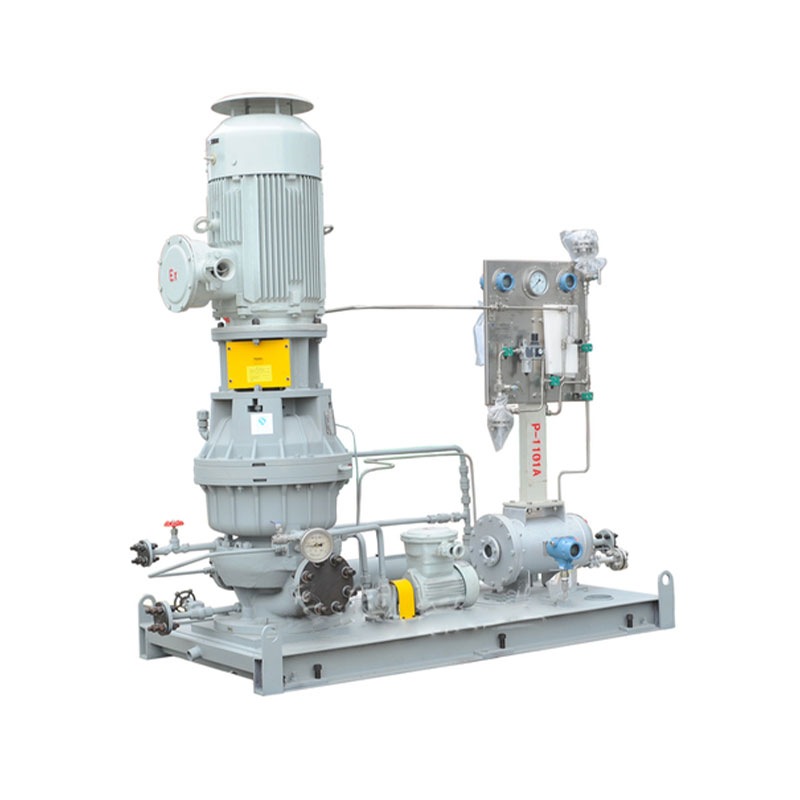
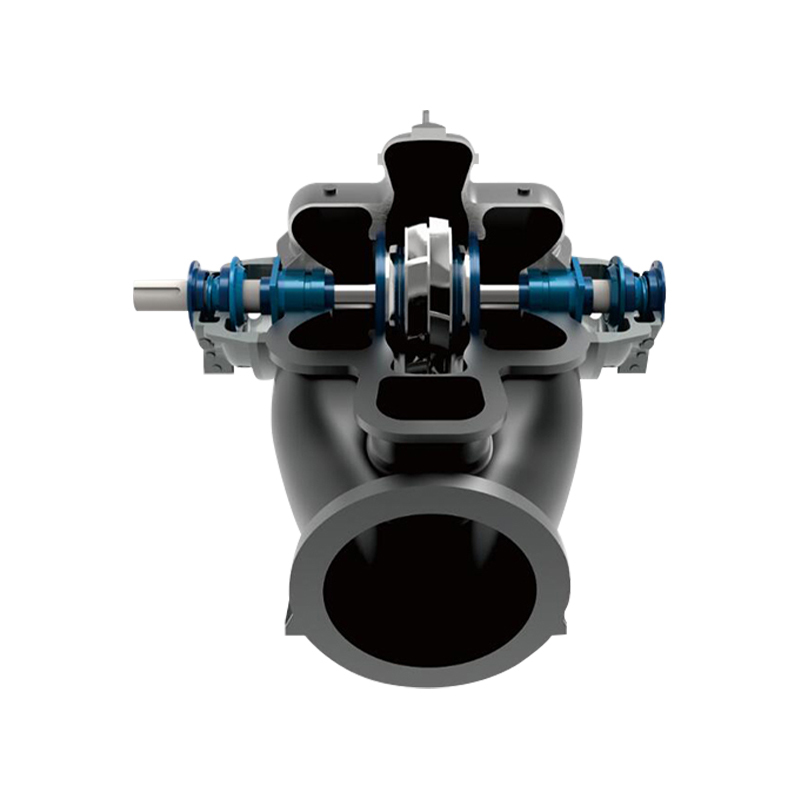
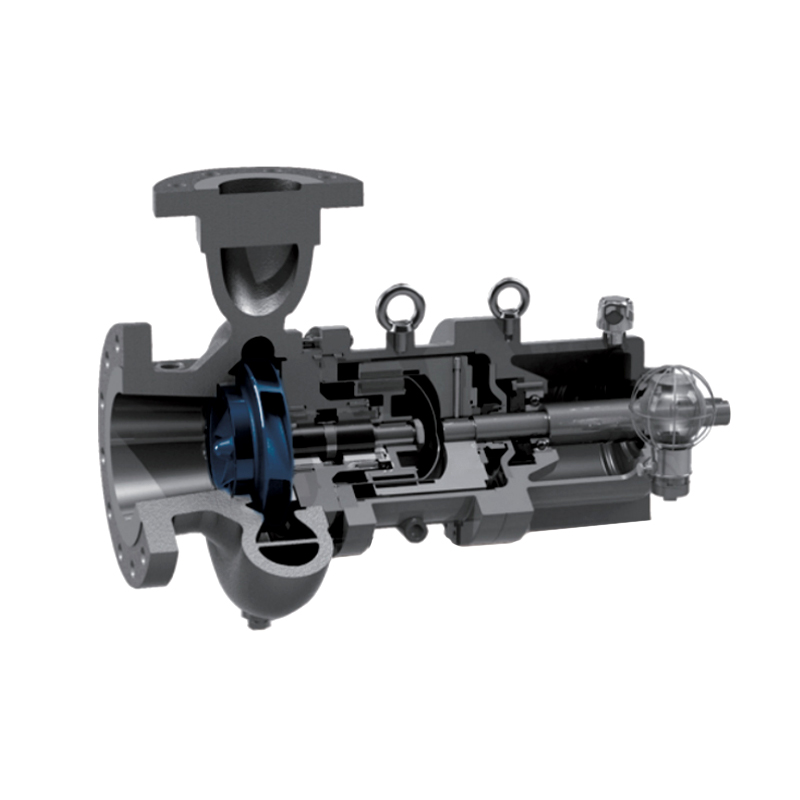
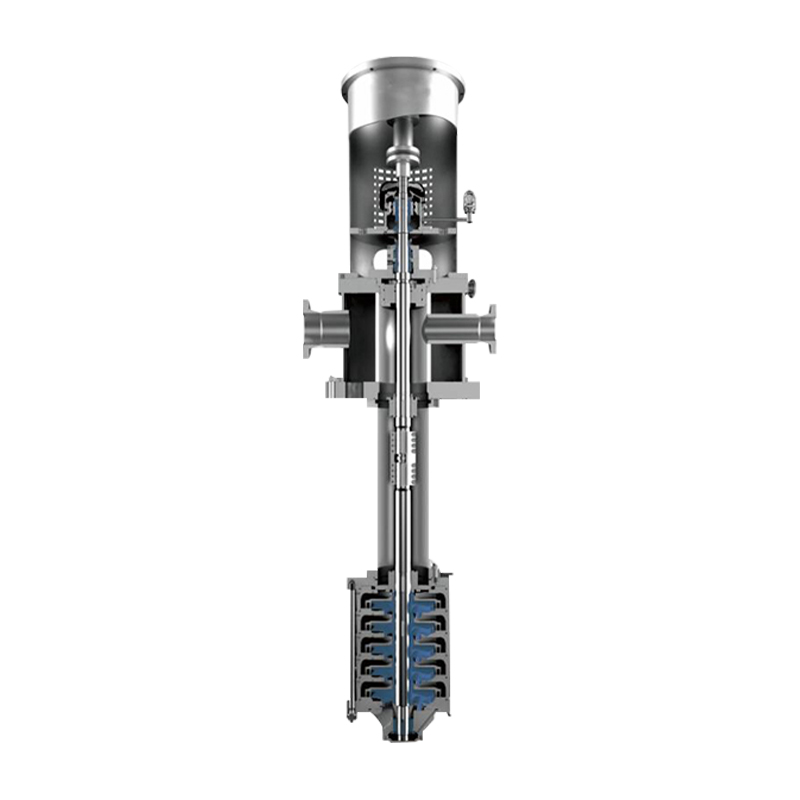
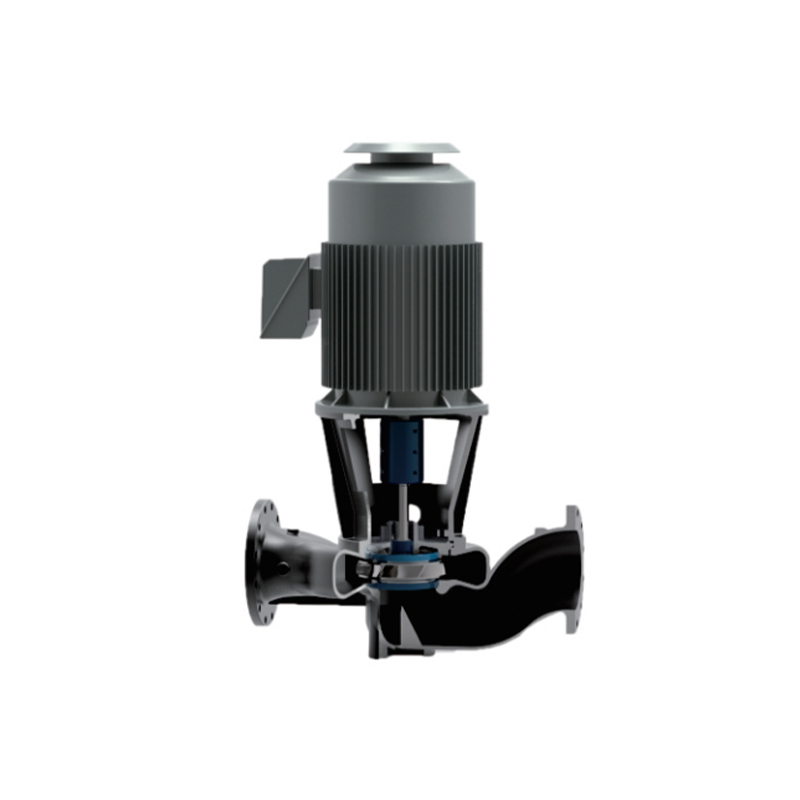
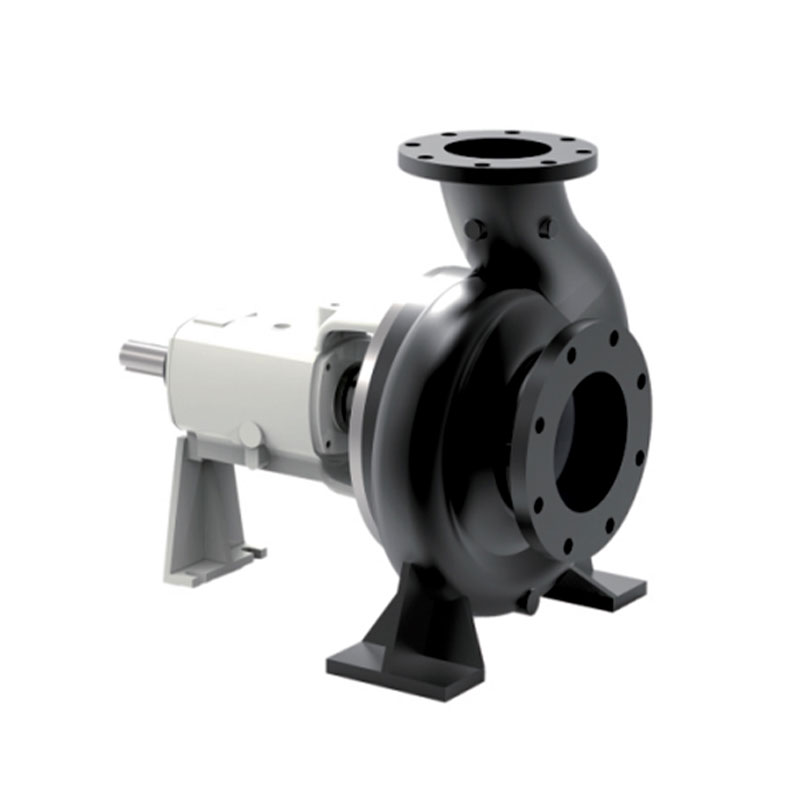
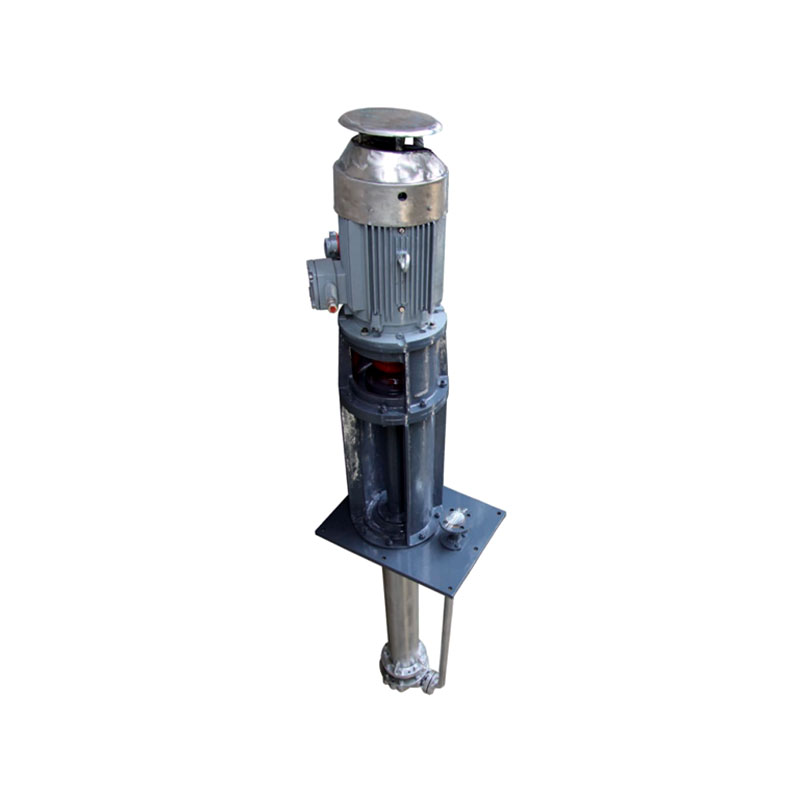
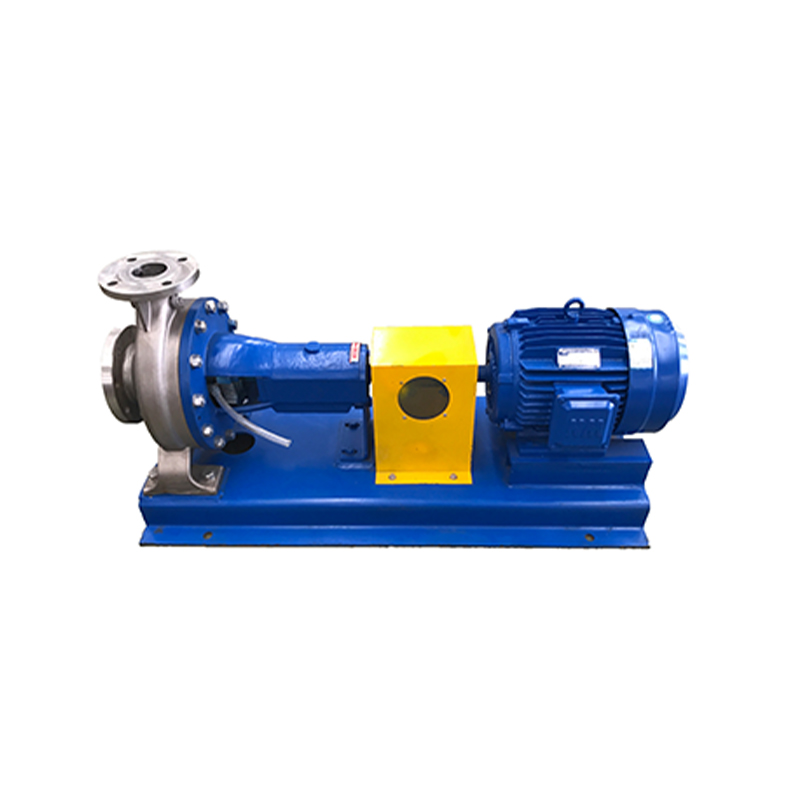
Beloni (Jiangsu) Pump Manufacturing Co., Ltd is a manufacturer producing industrial pumps for heavy duty applications including chemical processing, paper milling, and general industrial fluid handling. Working with a manufacturer that engineers pumps in house allows buyers to request material and sizing adjustments specific to their application, rather than settling for a generic catalog unit that may not match actual operating conditions.
When evaluating a manufacturer like this, ask for documented performance curves for the exact pump model under consideration, confirm available wetted part materials for your specific media, and request references from facilities running similar duty cycles to your own operation.
Key Takeaways on Sourcing Industrial Pumps
- Direct manufacturers are the best source for custom engineered or heavy duty pumps, while authorized distributors work well for standard catalog units needed quickly
- How to choose industrial pumps for heavy duty use comes down to matching flow rate, head pressure, materials, and duty cycle to actual operating conditions
- Where to buy industrial pumps for a paper mill requires suppliers with specific pulp and fiber handling experience, not general purpose pump vendors
- Where to buy replacement parts for industrial pumps is almost always best handled through the original manufacturer or an authorized parts channel
- How can i find suppliers of industrial pumps and valves often comes down to working with a manufacturer offering matched product lines for simpler system integration
- Searches like where to farm industrial pumps or where to find industrial pumps dune refer to the video game Dune Awakening, not physical industrial equipment covered in this guide
- Evaluating manufacturers such as Beloni Jiangsu Pump Manufacturing Co Ltd on documented performance data and application experience reduces the risk of costly pump mismatches
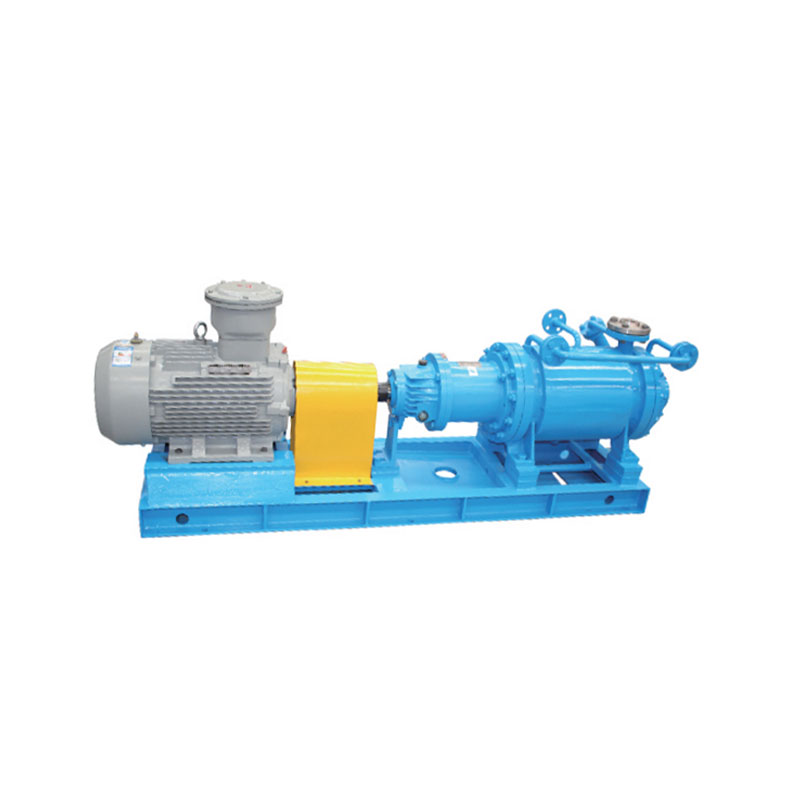
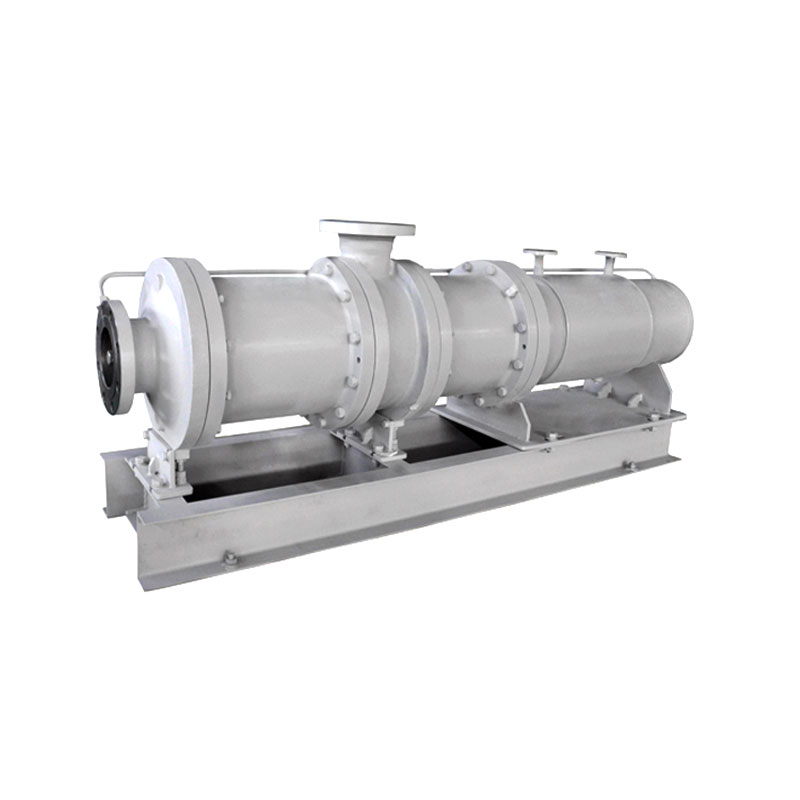
.jpg "Axially Split Horizontal Multistage Pump")


 ENG
ENG

 TOP
TOP