

 inquiry Now

 English
 русский
 عربى
عربى
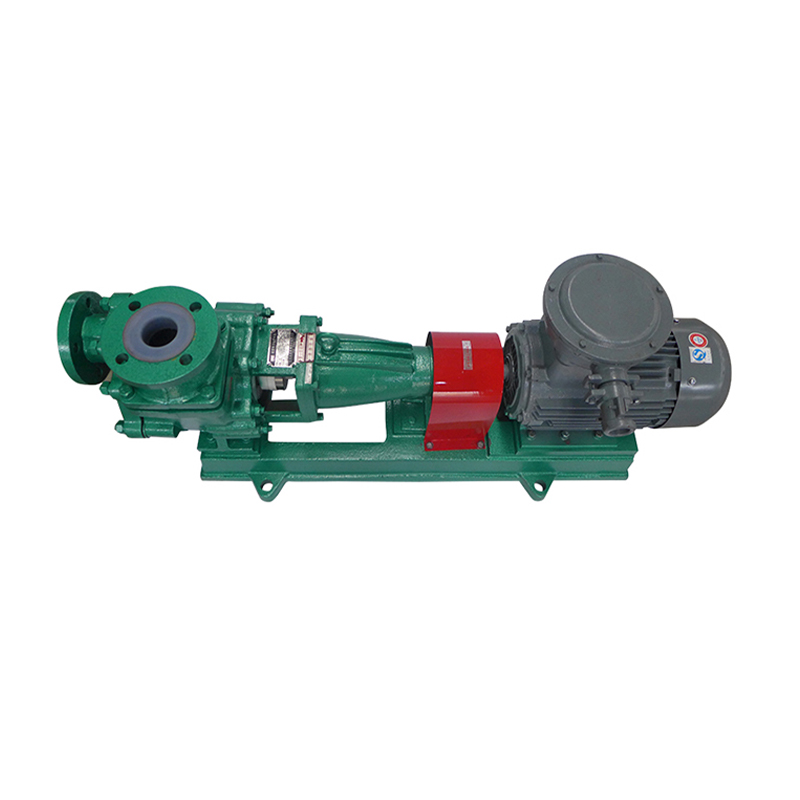
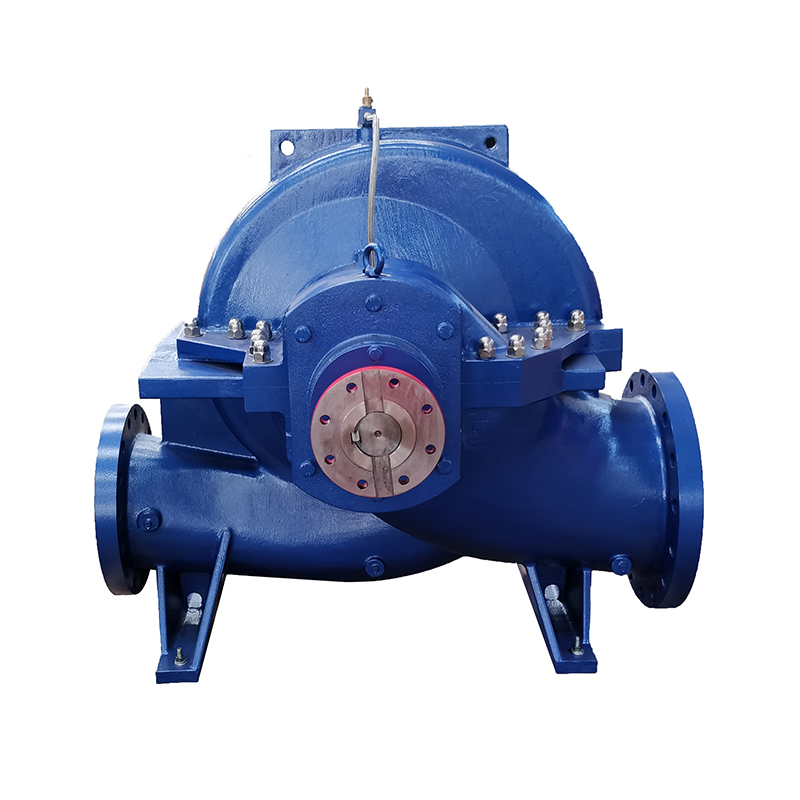
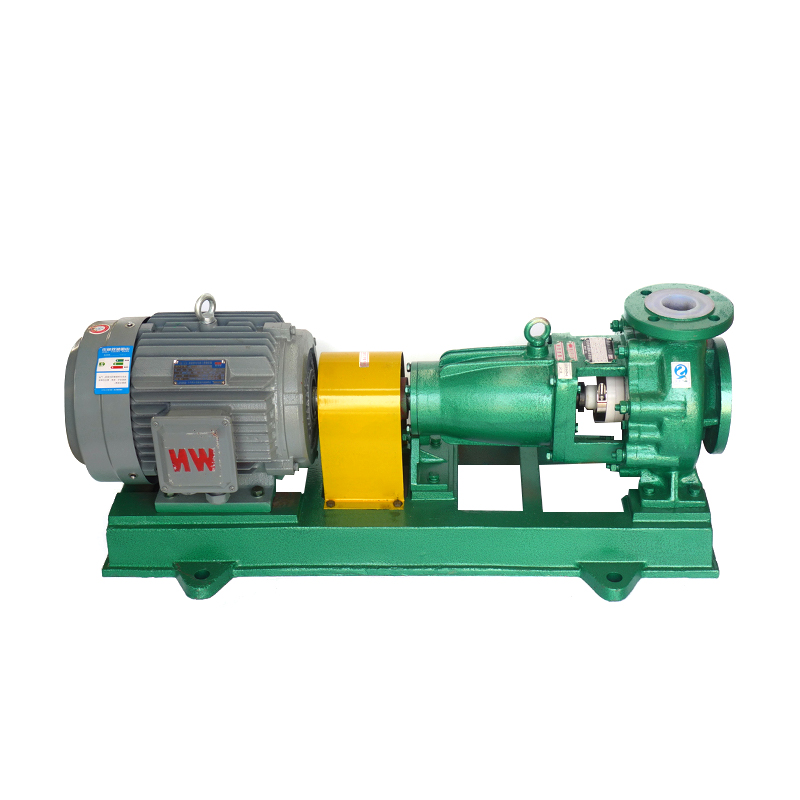
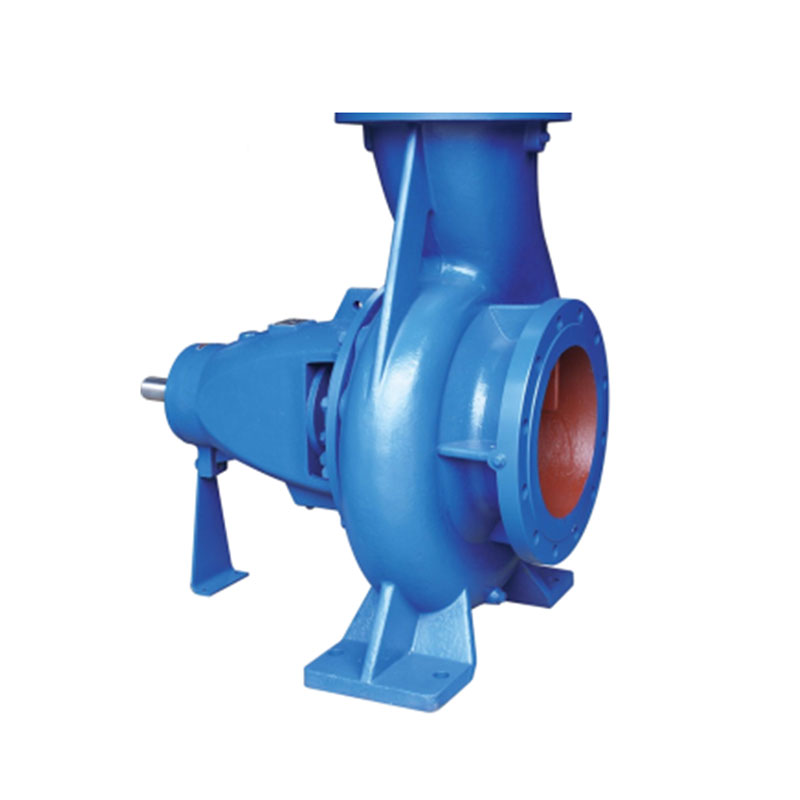
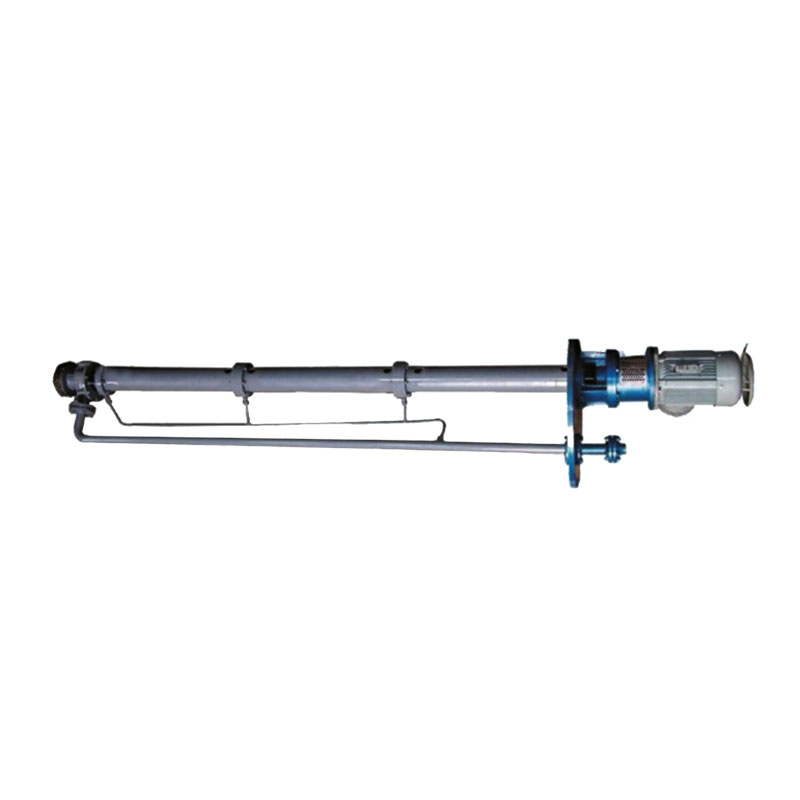
Specification
| Engineering Index | Refinery Standard Specification |
|---|---|
| Design Compliance Standard | Engineered heavily to match API 610 process pump structural styles |
| Maximum Volumetric Flow | Up to 500 cubic meters per hour single-stage output |
| Total Dynamic Discharge Head | Up to 150 meters vertical fluid column depths |
| Continuous Operating Temp | Rated from -40 degrees up to 400 degrees Celsius safely |
| Casing Hydrostatic Rating | Standard 2.5 MPa up to 6.3 MPa customized thick-wall setups |
| Wet-End Metallurgy Selection | Carbon Steel SA216 WCB SS316L Duplex 2205 or Monel Alloys |
| Shaft Sealing Configuration | API 682 Cartridge dual mechanical seals with piping plans |
| Dynamic Balance Rating | ISO 1940 G2.5 high-precision dynamic balancing certification |
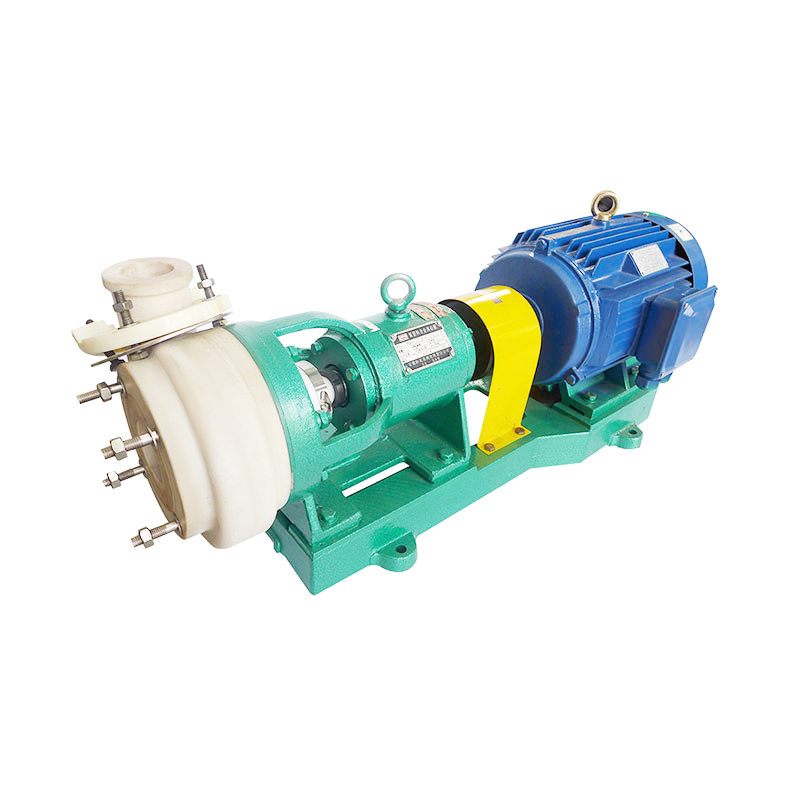
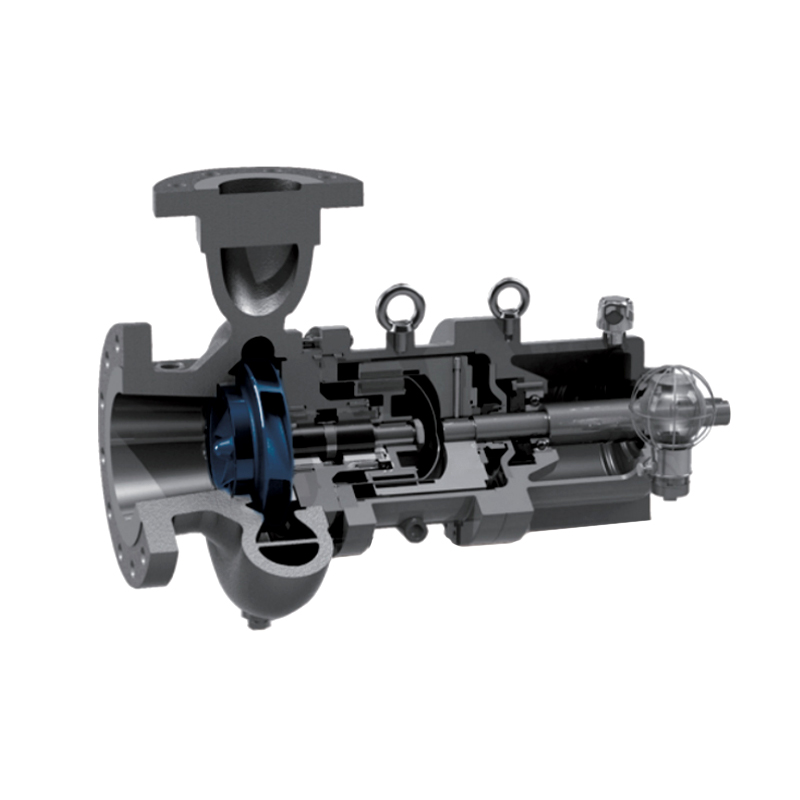
The internal fluid pathways are designed with an extra-thick corrosion and erosion allowance wall profile, which retains its pressure-bearing integrity even when handling sour crude oils containing high concentrations of naphthenic acids and hydrogen sulfide. The oversized shaft assembly is precision ground to minimize dynamic shaft deflection at the mechanical seal face to below 0.03 mm, completely preventing micro-gaps that leak volatile hydrocarbons into the outer environment loop. Replaceable wear rings are secured on both sides of the closed investment-cast impeller, allowing original factory clearances to be maintained over decades of continuous operation.
Our manufacturing parameters guarantee that the bearing housing frame includes an oil-mist or continuous oil-bath lubrication network fitted with magnetic level views and non-contact labyrinth isolation seals, completely blocking external refinery dust, sand, or moisture from contaminating the bearing oil reservoir. For high-temperature process applications exceeding 150 degrees Celsius, we integrate full water-cooling jacket blocks around the bearing housing and mechanical seal stuffing box, ensuring that internal bearing elements operate under optimal structural temperatures, preserving oil purity and ensuring quiet operation over decades of utility service.
Application
Oil and gas refinery centrifugal units are mandatory components within raw hydrocarbon fractionation complexes, downstream chemical conversion blocks, and bulk storage distribution facilities globally. Petroleum refining installations deploy these high-specification process pumps within atmospheric and vacuum crude distillation units, moving hot crude oils, reduced crudes, and heavy gas oils through heat exchanger networks and primary furnace blocks, where standard commercial pumps would experience immediate casing warping or thermal joint degradation.</p;
In secondary processing blocks, including catalytic hydrocracking, fluid catalytic cracking (FCC), and alkylation facilities, these specialized pumps circulate highly volatile intermediate distillates, liquid propane mixtures, and toxic sour water solutions. The absolute positive containment provided by our thick-walled casing blocks and advanced cartridge sealing prevents volatile organic compound leaks, helping refinery installations satisfy global EHS standards and protecting surrounding facility assets from severe explosive risks.</p;
Additionally, petroleum distribution yards, marine oil terminals, and liquefied gas blending facilities integrate these high-capacity pumps within bulk fuel loading racks, ballast water drainage systems, and centralized tank farm blending circuits. The robust low-NPSHr hydraulic design allows refinery facilities to handle volatile liquids with low vapor pressures without risking cavitation phenomena, providing reliable system integration that guarantees continuous, worry-free downstream manufacturing operation across all processing shifts.
Advantage
Choosing our oil and gas refinery centrifugal pumps brings immediate process safety optimization and long-term operating cost reductions to large-scale hydrocarbon handling networks. The primary advantage is the exceptional center-line casing support layout. Standard foot-mounted centrifugal pumps expand upward when handling high-temperature petroleum distillates, which misaligns the pump shaft relative to the cold electric motor, destroying bearings and couplings within hours. Our center-line support configuration pins the casing along its horizontal axis, allowing thermal expansion to distribute evenly outward and downward from the center, maintaining perfect shaft alignment during high-temperature runs.</p;
Our advanced manufacturing plant incorporates high-performance cartridge mechanical seals designed strictly to match API 682 criteria, combined with dedicated seal auxiliary support systems (such as API Plan 11 Plan 21 or Plan 53A). This advanced isolation configuration maintains a pressurized barrier fluid between the process medium and the atmosphere, completely blocking toxic hydrocarbon vapors or flammable elements from escaping the pump body, eliminating compliance fines and protecting workforce safety.</p;
Furthermore, the high hydraulic efficiency achieved through advanced investment casting and precision impeller blade trimming minimizes energy consumption across your refinery asset base. Over a multi-year operating period, the savings in electrical utility bills achieved by our optimized hydraulic volutes will easily offset the initial procurement cost of the machinery, helping procurement managers lower total cost of ownership and satisfy corporate green energy performance targets.


 ENG
ENG

 TOP
TOP