

 inquiry Now

 English
 русский
 عربى
عربى
Supercritical fluids sit between gas and liquid, and that creates a practical pump problem. Carbon dioxide, for example, reaches its critical point at about 31.1°C and 7.38 MPa. Above those values, it is not a gas but a dense, compressible fluid. The density is close to a liquid, yet the fluid compresses like a gas. This behavior changes how you select a pump and how you predict its performance.
The short answer is that a centrifugal pump can work well for supercritical fluids when the fluid is dense and the required pressure ratio is moderate. It is often more compact and more efficient than a compressor in those conditions. But the pump must be selected with real fluid properties, a strong NPSH margin, and a careful sealing strategy. Water-based assumptions will usually end in cavitation or low flow.
Centrifugal Pump or Compressor? Choose Based on Fluid Density
Compressors are natural candidates for gases. Centrifugal pumps are natural candidates for liquids. Supercritical fluids can make both options questionable. The decision usually comes down to the fluid density at the pump inlet and the total pressure rise needed for the process.
| Attribute | Centrifugal pump | Compressor |
|---|---|---|
| Inlet fluid phase | Dense liquid-like | Gas-like or near critical |
| Typical pressure ratio | Low to moderate | Moderate to high |
| Footprint | Compact, especially multistage | Larger with intercooling |
| Efficiency | Good in dense phase | Better at higher pressure ratios |
| Cavitation risk | High without NPSH margin | Low |
For a supercritical CO2 cycle, the pump often takes a liquid-like stream near the critical point and raises it to the operating pressure. The density at the suction side is high, while the compression ratio is relatively low. That is the sweet spot for a multistage centrifugal pump. A compressor would need a much larger casing and higher power to achieve the same mass flow. The centrifugal pump can produce pressure with kinetic energy, not by reducing volume, which is favorable in dense-phase conditions.
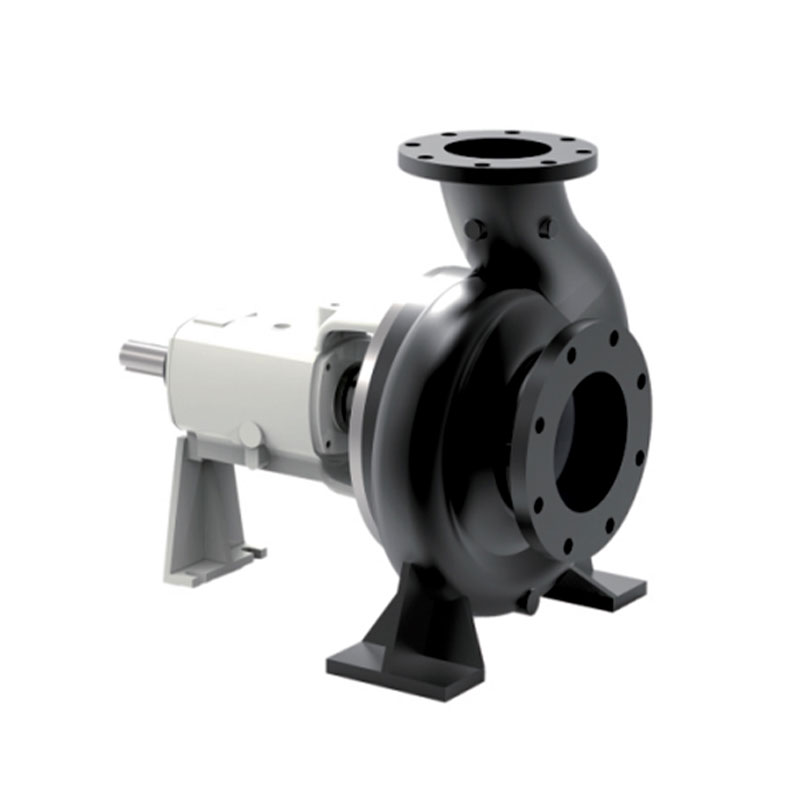
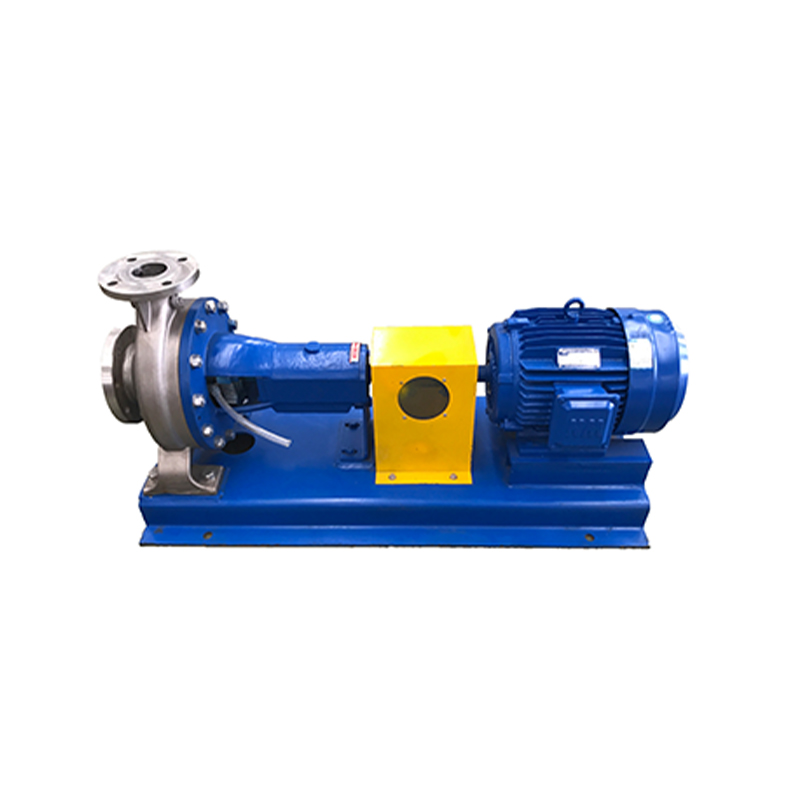
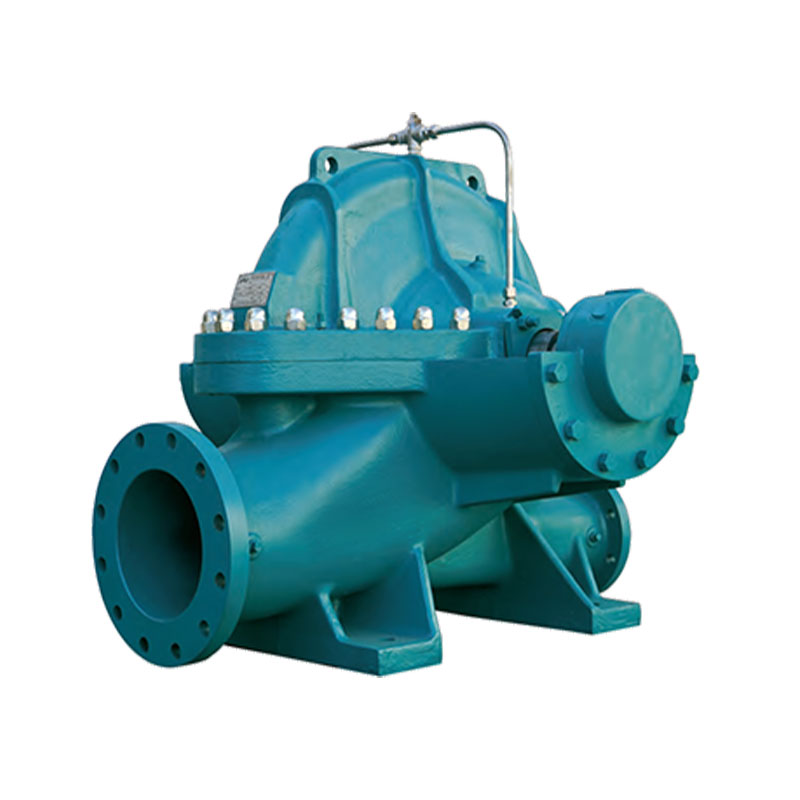
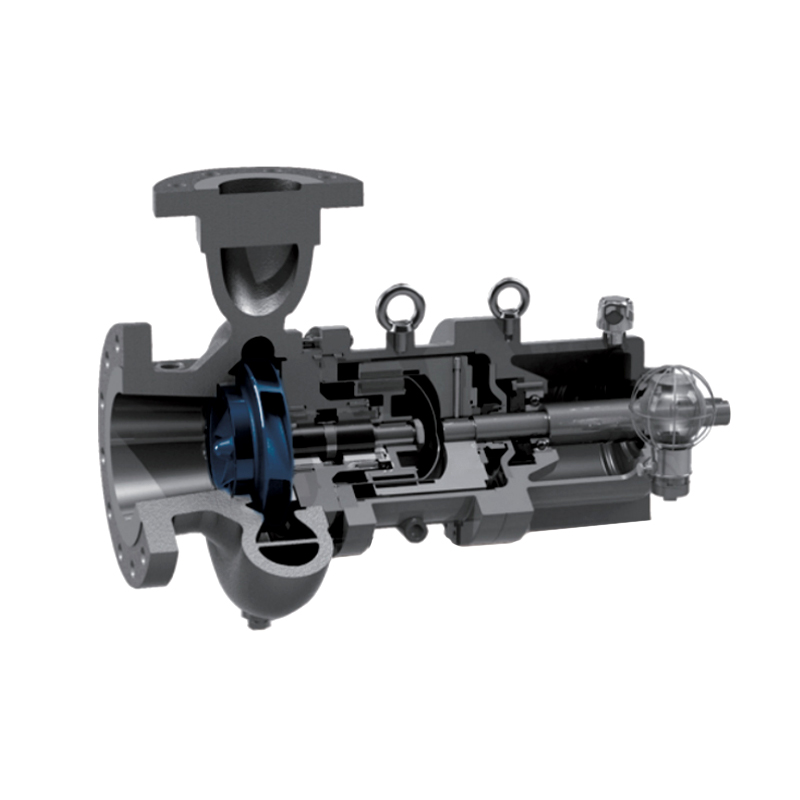 API 610 Standard Chemical Pump for Dense-Phase ServiceThis API 610 centrifugal pump is suited for dense-phase supercritical CO2 service, offering static sealing to minimize leakage and supporting high-pressure chemical processes.View Product →
Design Challenges in a Centrifugal Pump for Supercritical Service
Real Fluid Properties Matter
Do not size a supercritical fluid pump with water properties. Near the critical point, the density, viscosity, and vapor pressure all change rapidly with small changes in temperature and pressure. For carbon dioxide, small pressure changes can cause large density shifts. Use a real-gas equation of state or a reliable property database when you calculate the required pump head and the suction-side NPSH available.
NPSH Is the First Risk
Supercritical CO2 at the critical point has a vapor pressure equal to the critical pressure. If the fluid is not subcooled well below that condition, a small pressure loss in the suction line can pull the fluid onto the saturation line and cause flashing. This is why the pump must have a low NPSH required, and the suction piping must keep pressure losses to a minimum. Inducers and vertical multistage arrangements can help. A common cause of failure is cavitation caused by poor NPSH margin. The result can be noise, vibration, impeller pitting, and sudden loss of head. If you want a detailed troubleshooting approach, see the cavitation mechanisms described in this guide.
Multistage or High-Speed Design
When the required discharge pressure is high, a single-stage pump may run too fast or have too much radial thrust. A multistage pump is often a better fit because it divides the head across several impellers. This makes the pump more stable and lets you keep the pump speed reasonable in dense-phase service.
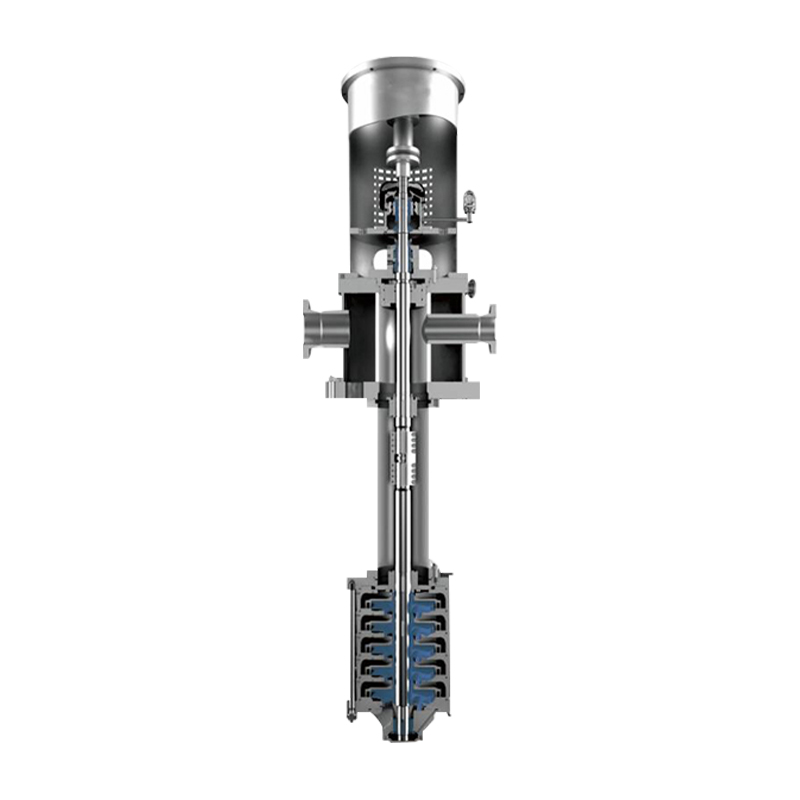
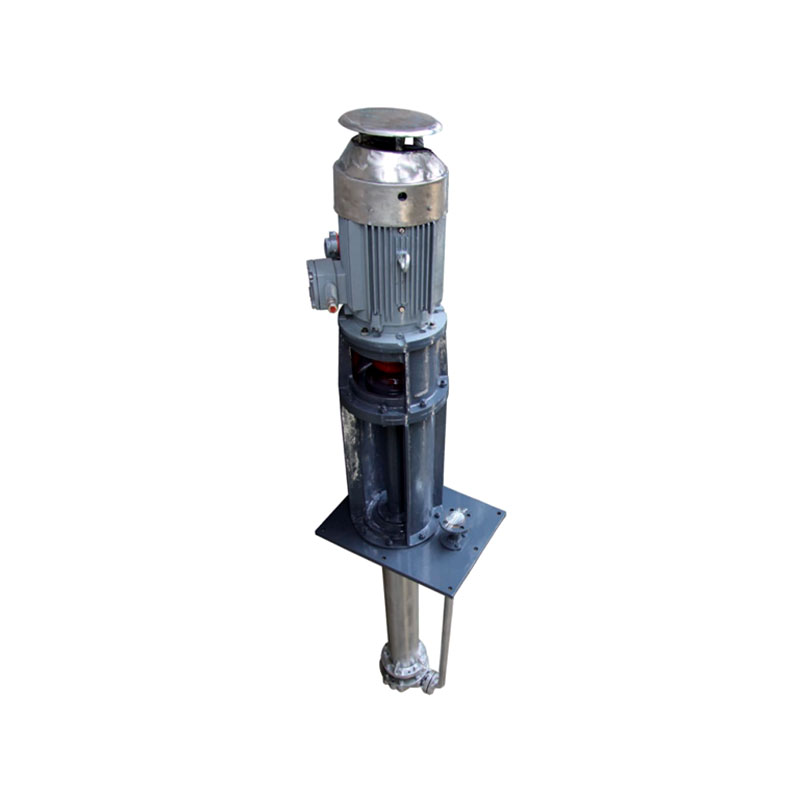
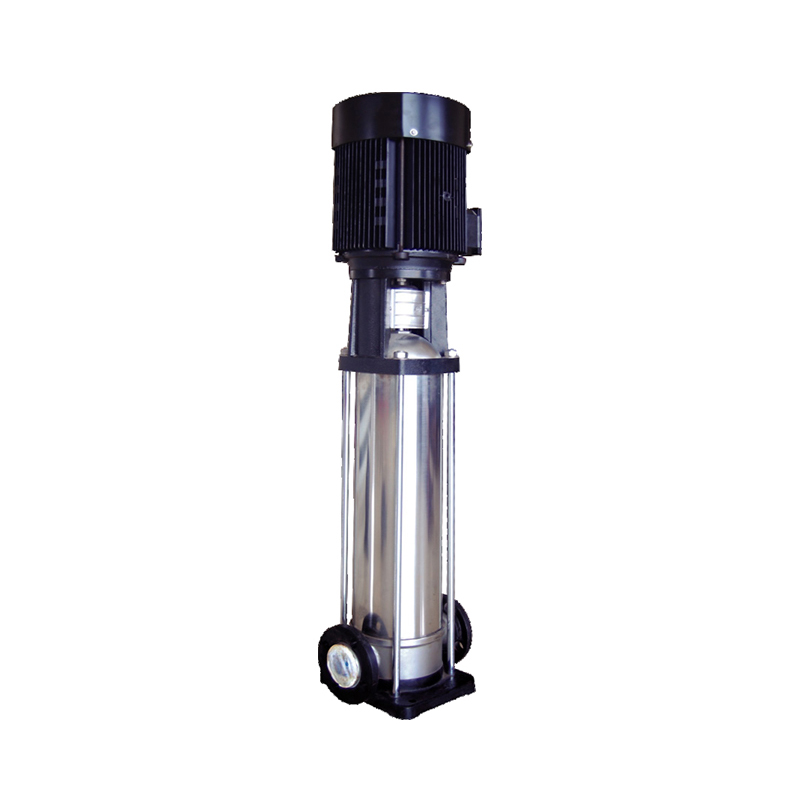 Vertical Multistage Pump for High-Pressure Dense-Phase ApplicationsIdeal for high discharge pressure, this vertical multistage pump divides head across stages, maintaining reasonable speed and stability in dense-phase operations.View Product →
Sealing and Containment at High Pressure
Supercritical fluids often are hazardous, toxic, or expensive. Carbon dioxide is not toxic but is asphyxiant, and supercritical CO2 is a good solvent. The pump must avoid leaks. Standard mechanical seals require a robust seal flush plan and may still emit small amounts. For continuous, unattended service there is a strong argument for a seal-less pump. Canned pumps and magnetic-drive centrifugal pumps keep the fluid inside the pump without a dynamic shaft seal. This matters for high-pressure processes as well as for applications where contamination must be avoided.
High-pressure process pumps for refinery and chemical service should follow API 610 standards. A zero-leakage magnetic chemical pump can eliminate the risk of fluid escaping through the seal.
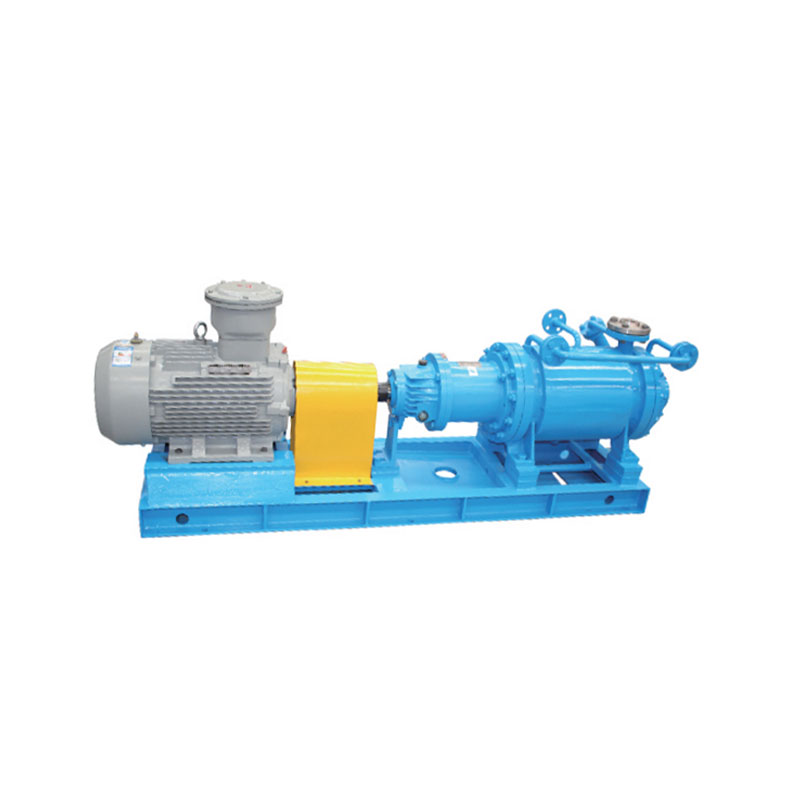
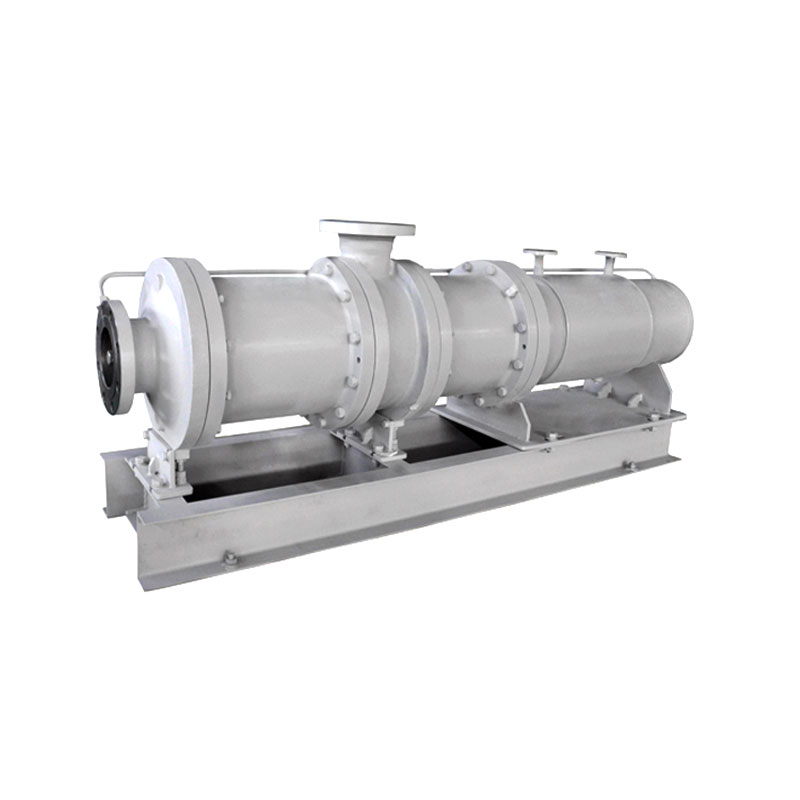
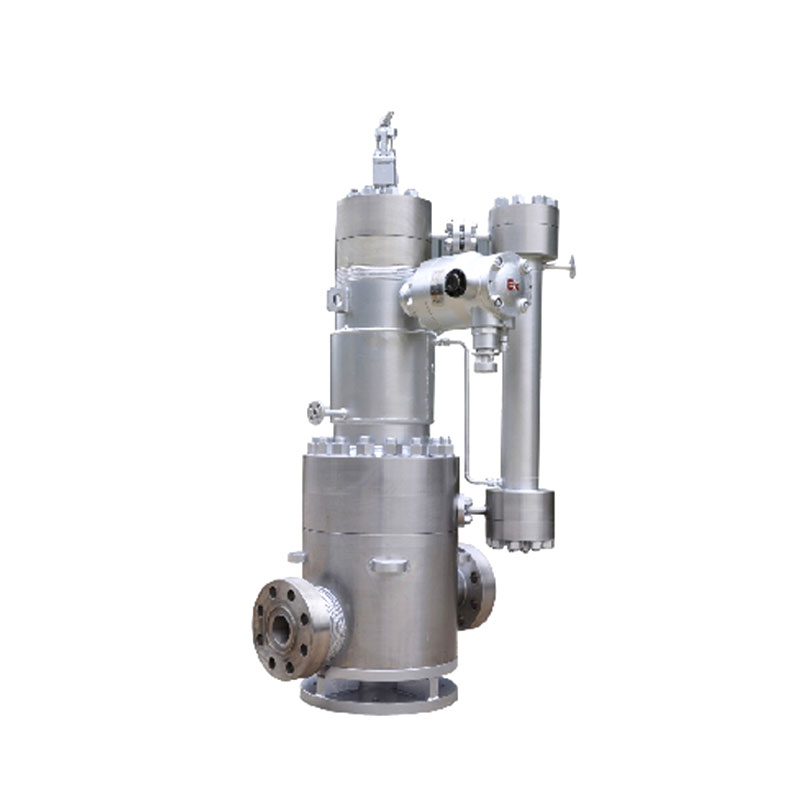 Seal-Less Canned Pump for High-Temperature High-Pressure FluidsDesigned for high-temperature and high-pressure chemical media, this canned pump uses a shielded motor to eliminate dynamic seals, preventing leakage in supercritical processes.View Product →
Common Applications for Centrifugal Pumps on Supercritical Fluids
- Supercritical CO2 extraction for hops, coffee, botanical oils, flavors, and pharmaceutical ingredients.
- Supercritical CO2 power cycles, including Brayton cycles where the working fluid is near the critical point before compression.
- Enhanced oil recovery and carbon capture pipelines where dense-phase CO2 must be pressurized and transported.
- Compressible dense-phase ethylene service in petrochemical plants, where a multistage pump can reduce the need for a compressor system.
Pumps are not a universal solution. If the fluid at suction is very gas-like, you should start with compressors. If the process requires very high pressure but a low mass flow, a plunger pump may be more appropriate. Centrifugal pumps are most useful when the fluid is dense, the flow is continuous, and the pressure ratio is moderate.
Selection Checklist for a Supercritical Fluid Pump
- Obtain the accurate vapor pressure, density, viscosity, and compressibility at the pump inlet temperature and pressure. Use a real-gas equation of state for CO2 or a comparable method for other fluids.
- Define the maximum discharge pressure, the casing rating, and the flange rating before you ask a supplier to quote.
- Calculate NPSH available and keep a margin of at least 0.5 m to 1 m above the pump NPSH required.
- Choose a multistage or high-speed pump when the total head is high but NPSH is limited.
- Select a sealing strategy. Consider canned or magnetic-drive pumps if the fluid cannot be allowed to leak.
- Review materials for solubility, expansion, and chemical compatibility. Supercritical CO2 can act as a solvent and alter elastomers and coatings.
- Consider process transients. A pump that satisfies steady-state conditions may fail during startup, shutdown, or pressure swings.
It is not enough to choose a pump with high head. The pump curve, impeller speed, casing design, and NPSH margin must be matched to the actual fluid. A pump that works for water will often be the wrong choice for supercritical CO2. This is a common procurement risk in process plant projects.
Why Equipment Experience Matters in Supercritical Projects
Supercritical fluid processes are still challenging for many engineering teams. The fluid behavior is not the same as water, and the operating conditions are near the edge of phase boundaries. A pump manufacturer that has built API 610 process pumps, high-pressure canned pumps, and vertical multistage pumps has a better chance of catching the details before you order. The manufacturer must confirm the NPSH margin, the hydraulic selection, and the containment method together.
Final advice: give the pump supplier the mass flow, inlet temperature, suction pressure, and discharge pressure using real fluid properties. That is the only way to get the correct centrifugal pump for supercritical fluids.
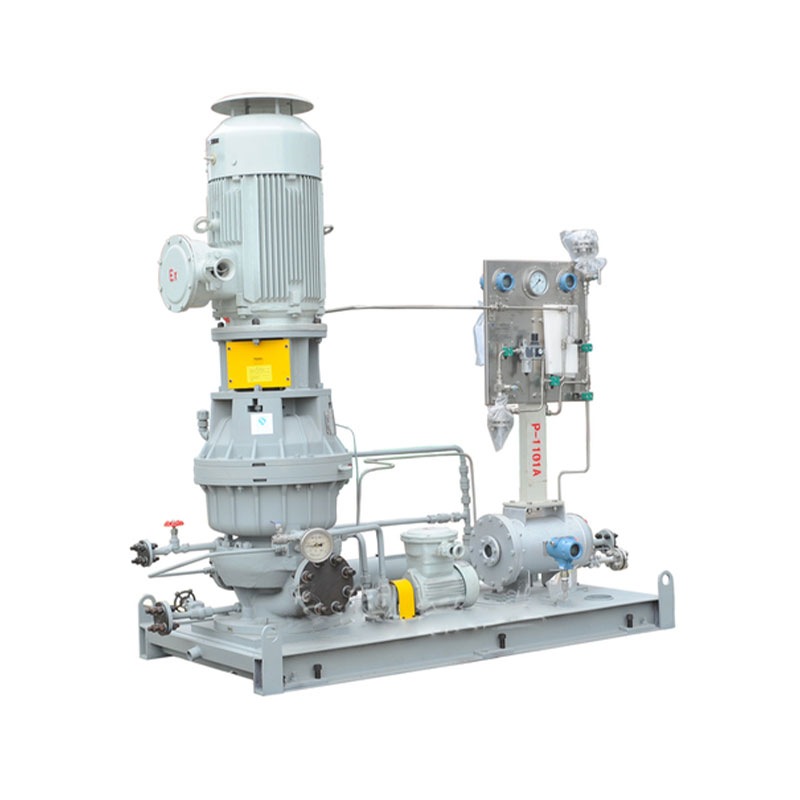
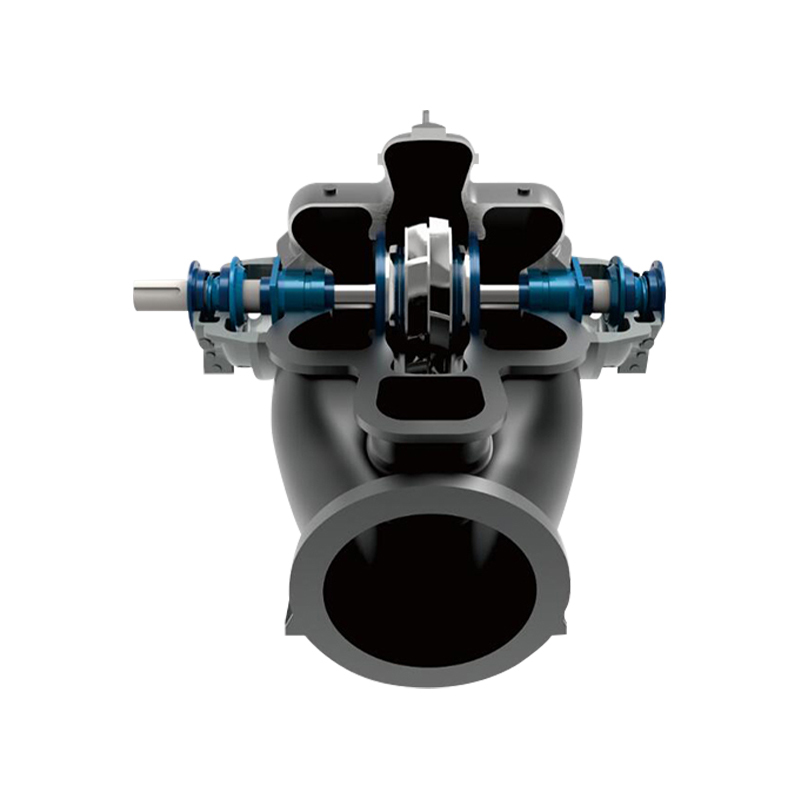
.jpg "Axially Split Horizontal Multistage Pump")





 ENG
ENG

 TOP
TOP