

 inquiry Now

 English
 русский
 عربى
عربى
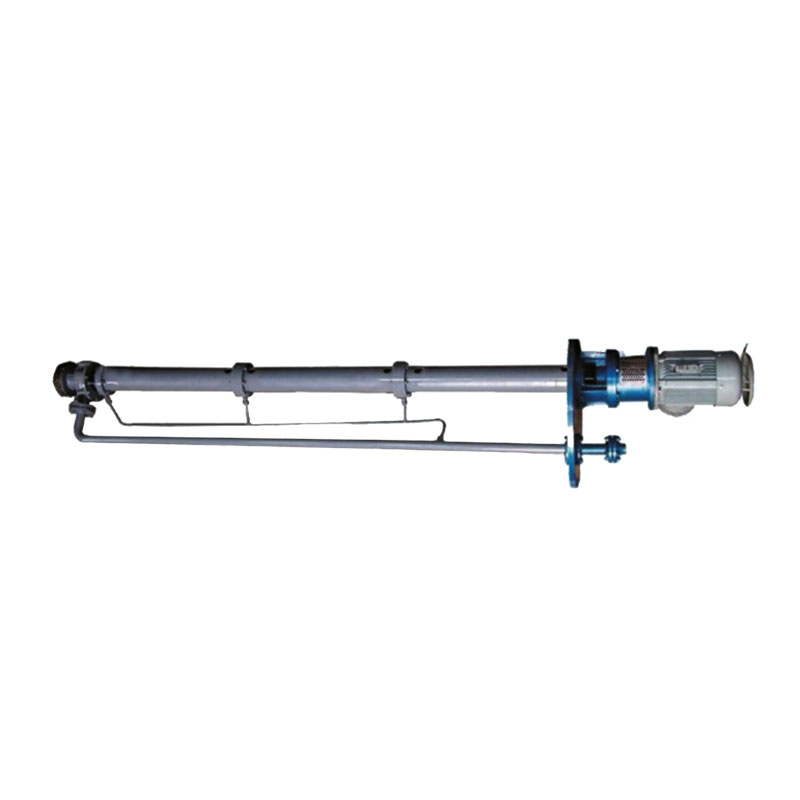
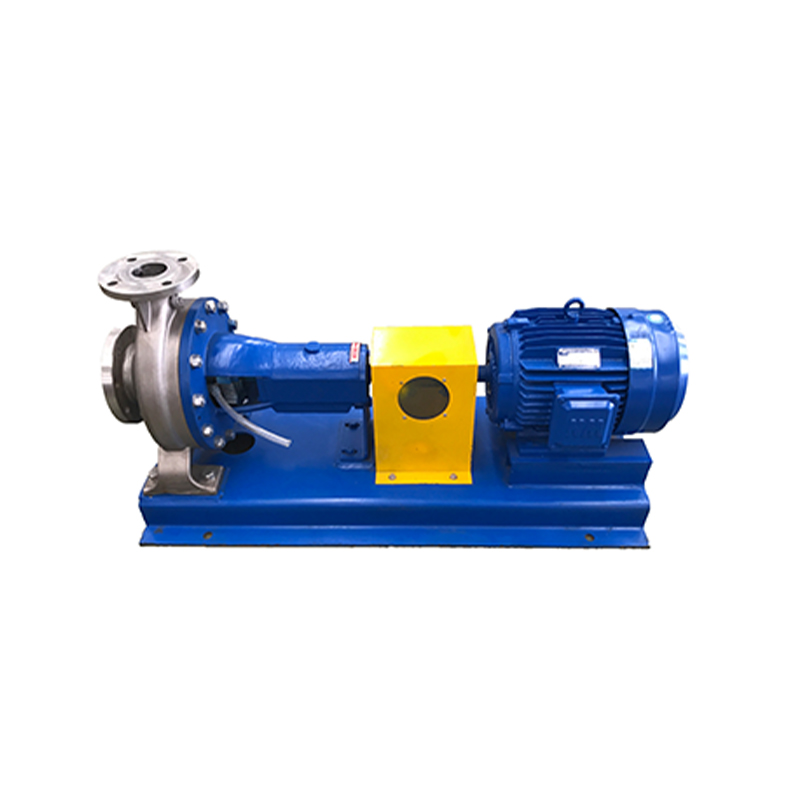
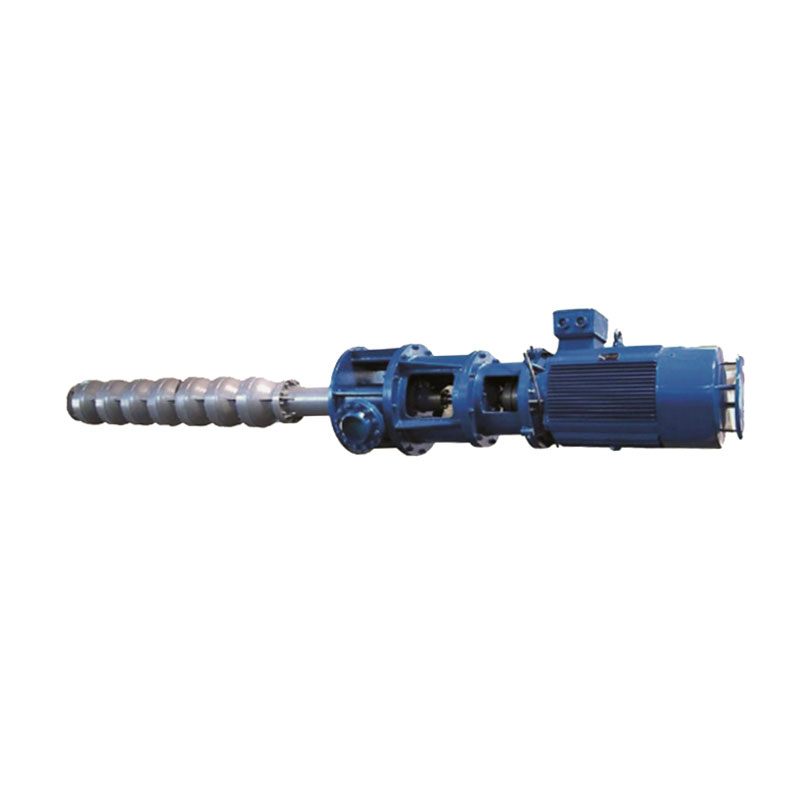

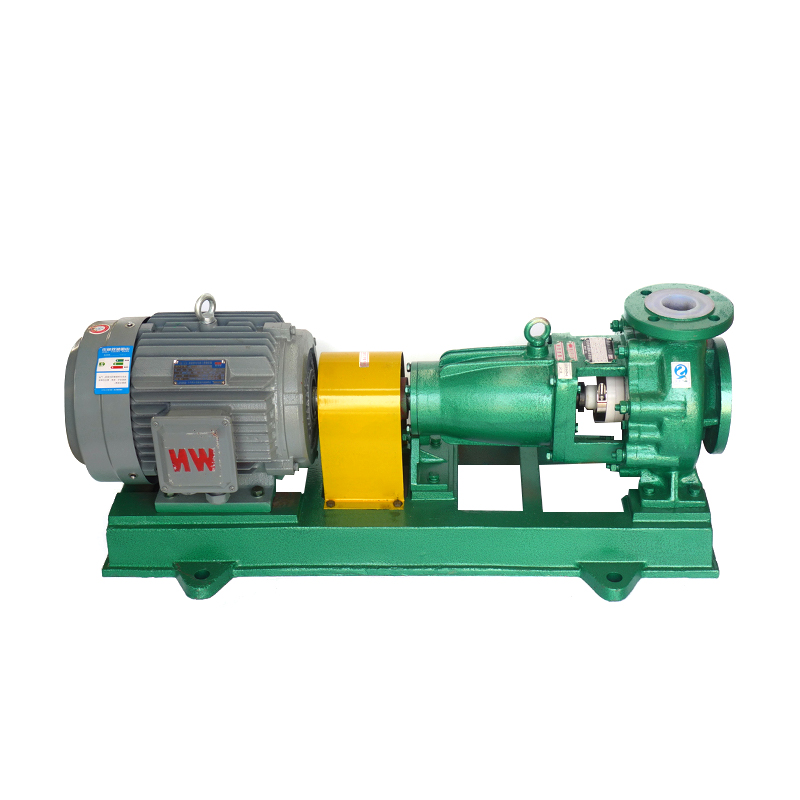
Specification
| Technical Specification | Engineered Performance Value Range |
|---|---|
| Pressurized Operating Temp | Continuous rating from 20 degrees up to 140 degrees Celsius safely |
| Maximum Volumetric Flow | Up to 400 cubic meters per hour single-stage output |
| System Working Pressure | Standard 1.0 MPa up to 2.5 MPa custom high-pressure autoclaves |
| Casing Metallurgy Grade | SS316L Duplex Stainless Steel 2205 or titanium-stabilized alloys |
| Shaft Sealing Architecture | Cartridge single or double mechanical seal with cooling line |
| Impeller Balance Metric | ISO 1940 G2.5 high-precision dynamic balancing certification |
| Bearing Lubrication Type | High-temperature synthetic oil-bath with level sight glass |
| Flange Connection Standards | ANSI Class 150 raised face or EN1092 PN16/PN25 structural links |
The internal fluid pathways are designed with a smooth surface finish to minimize skin friction losses, allowing aggressive dye liquors to transition from velocity head to pressure head with minimal turbulence and temperature drop off. The permanent stainless steel or duplex matrix features high chromium and molybdenum compositions that form an unyielding passive oxide film, completely blocking acidic fixative chemicals and hot brine salts from triggering intergranular corrosion cracking inside the pump head loop.
Our factory parameters guarantee that all internal clearances are calculated with precise thermal expansion margins. When hot chemical mixtures are injected into pressurized dyeing autoclaves, our internal components expand evenly without binding or rubbing against wear plates, ensuring stable volumetric flow rates and protecting the drive motor from sudden electrical torque overloads over long continuous operating cycles.
Application
Textile dyeing chemical circulation units are standard across large fabric manufacturing facilities, yarn dyeing centers, and centralized industrial garment finishing ranges where processing consistency is vital. Textile factories utilize these high-temperature pumps to force hot chemical dye liquors directly through dense yarn packages or perforated fabric beams inside high-pressure autoclave machines, ensuring uniform color distribution across entire material volumes.
In fabric preparation and bleaching processing blocks, these specialized chemical pumps transfer highly corrosive sodium hypochlorite, caustic soda, and hot hydrogen peroxide chemical solutions to continuous bleaching ranges. The ability to resist aggressive oxidation and high alkalinity simultaneously makes them the preferred choice for modern preparation lines, reducing localized casing thinning risks and preventing unexpected pipeline leaks.
Additionally, textile printing complexes, textile chemical compounding stations, and centralized industrial dye wastewater treatment plants deploy these robust pumps to manage spent dye effluents, chemical neutralizing washes, and high-salinity wastewater streams. The secure containment and high hydraulic efficiency allow factory operations to maintain constant fluid looping, optimizing overall process safety safety metrics across all plant facilities.
Advantage
Choosing our textile dyeing plant chemical pumps provides immediate engineering stability and fabric quality optimization benefits to manufacturing networks. The primary advantage is the exceptional thermal hydraulic stability achieved across pressurized continuous flow operations. By maintaining a constant, uniform flow rate and pressure despite high temperatures up to 140 degrees Celsius, these pumps ensure that dye molecules penetrate fabric fibers evenly, eliminating uneven shading or patchiness and maximizing processing batch color yields.
Our advanced manufacturing plant incorporates high-performance cartridge mechanical seals fitted with independent water-cooling lines as standard engineering options. This thermal protection barrier prevents hot dye liquors from overheating the seal faces, avoiding localized liquid flashing or crystal deposition that destroys generic mechanical seals within weeks, which significantly extends seal operational lifespans and drops facility maintenance downtime values.
Furthermore, the high material specifications—utilizing Duplex Stainless Steel 2205 or low-carbon SS316L—provide complete protection against the stress-corrosion pitting caused by high-concentration sodium chloride salt solutions used as fixatives in textile dyeing. Preventing metallurgy degradation eliminates the risk of pinhole leaks, ensures clean processing environments, and helps procurement managers lower total cost of ownership while satisfying green plant environmental targets.


 ENG
ENG

 TOP
TOP