

 inquiry Now

 English
 русский
 عربى
عربى
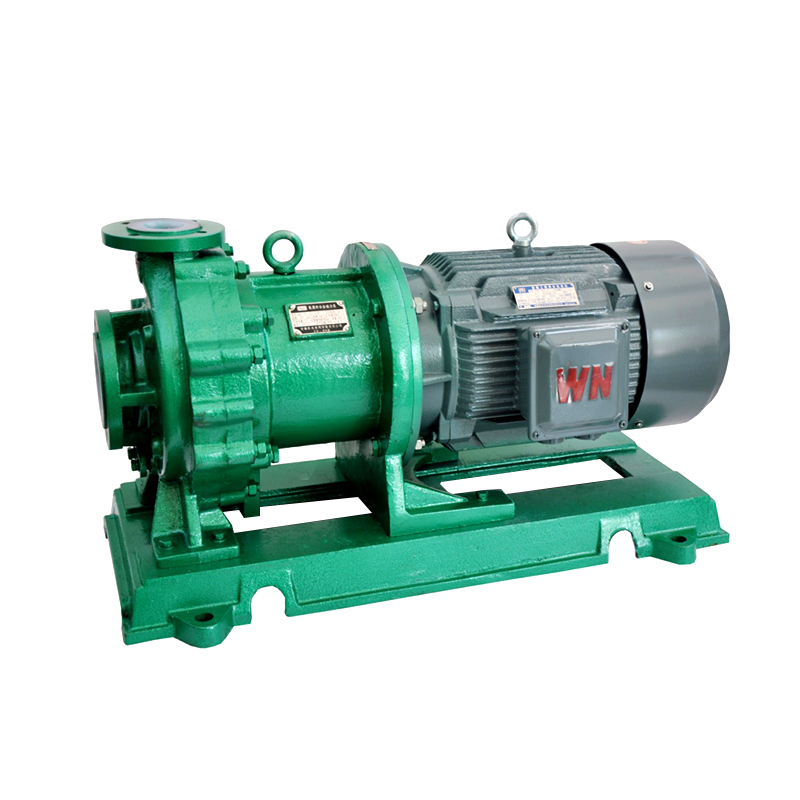
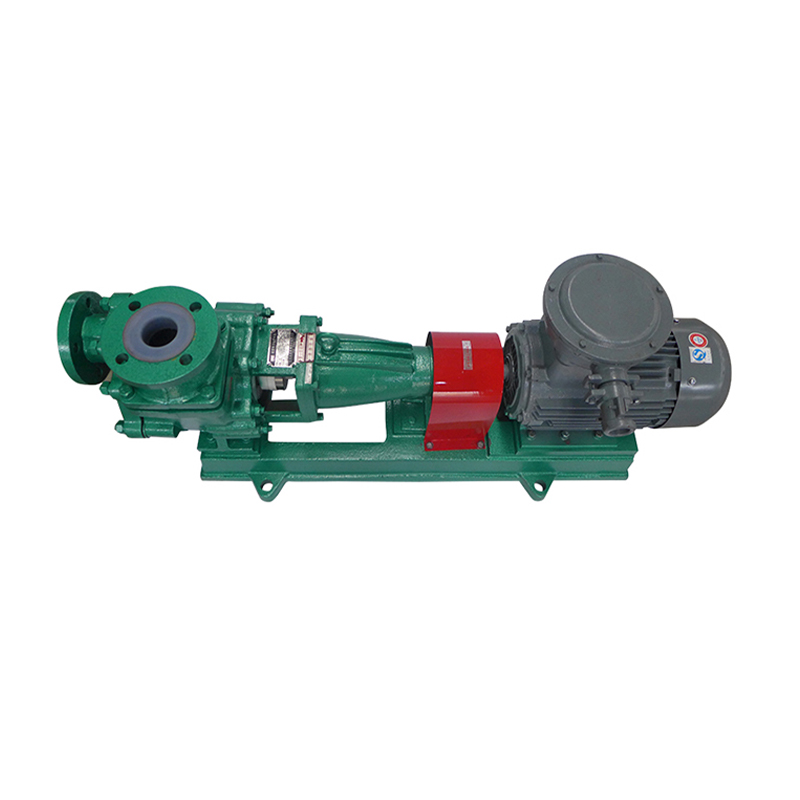
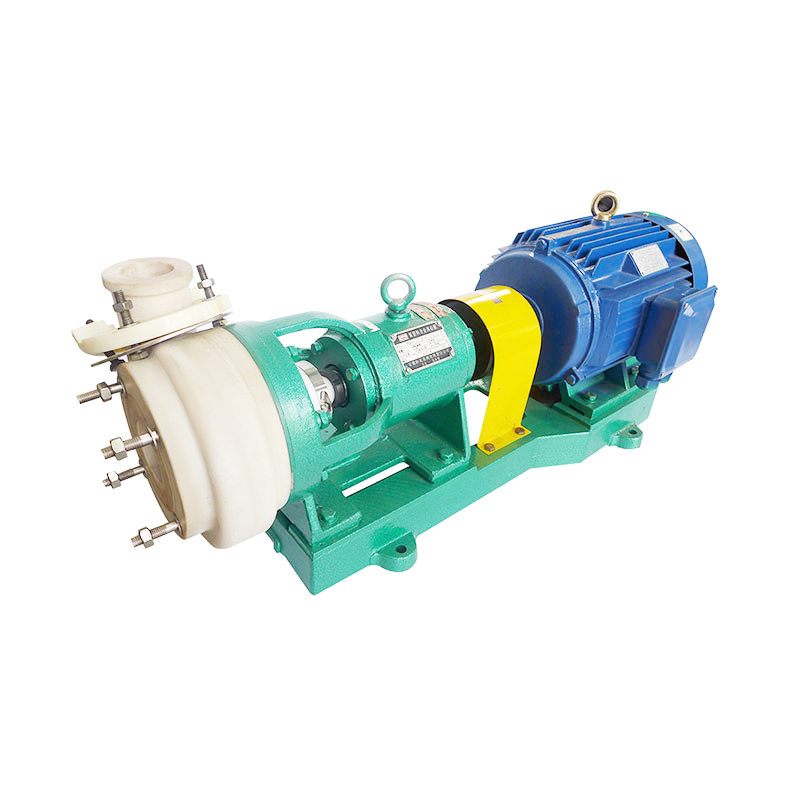
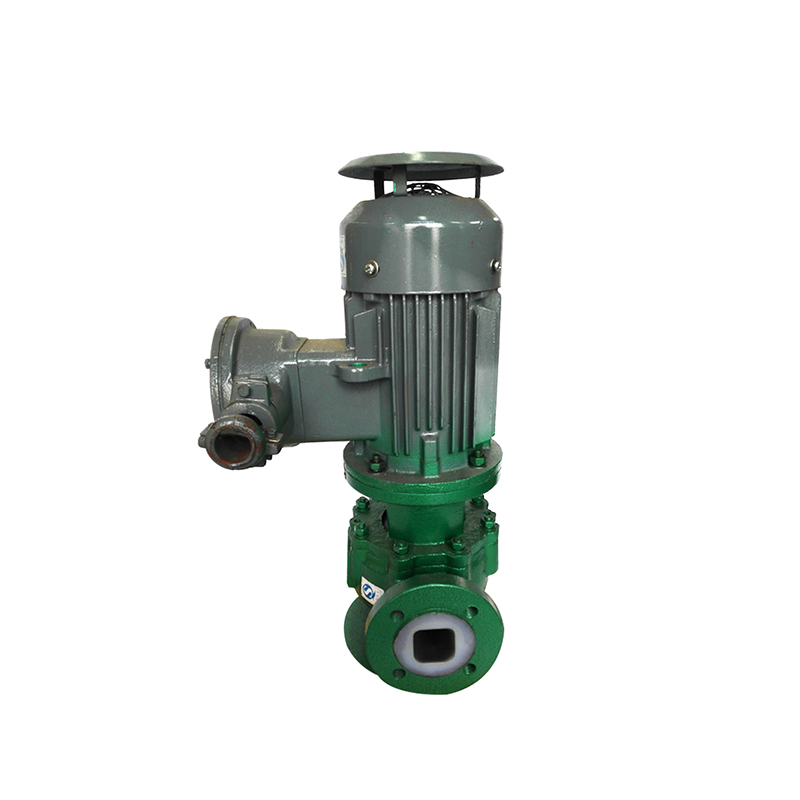
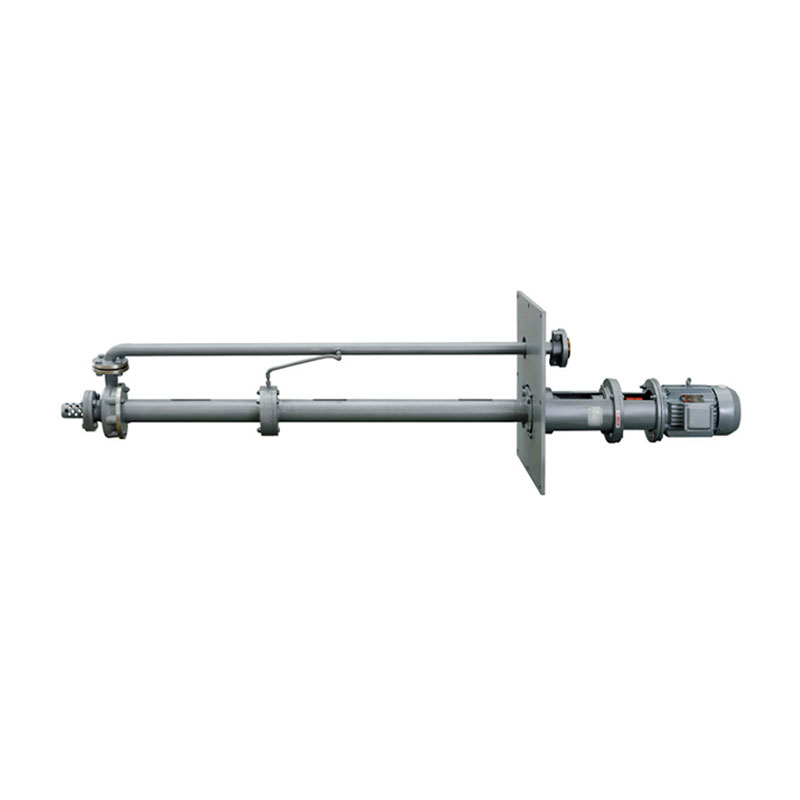
Specification
| Performance Index | Power Plant Configuration Value |
|---|---|
| Volumetric Capacity Range | 50 to 550 cubic meters per hour maximum output |
| Total Head Pressure Max | Up to 140 meters vertical fluid column height |
| Continuous Operating Temp | Rated from 150 degrees up to 650 degrees Celsius safely |
| Casing Metallurgy Grade | Rare earth doped Cr-Ni high-temperature steel alloy |
| Impeller Geometric Style | Closed or semi-open non-clogging high-thickness profile |
| Shaft Sealing Configuration | Cartridge-style mechanical seal with external cooling jacket |
| Dynamic Balance Grade | ISO 1940 G2.5 high-precision dynamic calibration |
| Flange Layout Ratings | ANSI Class 300 or DIN PN40 heavy-pressure standard |
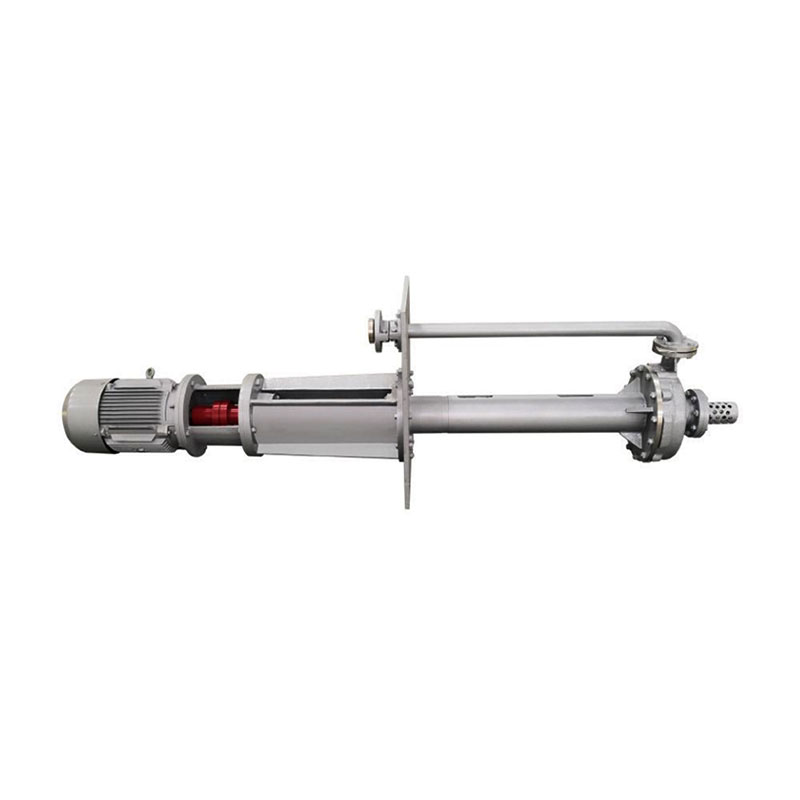
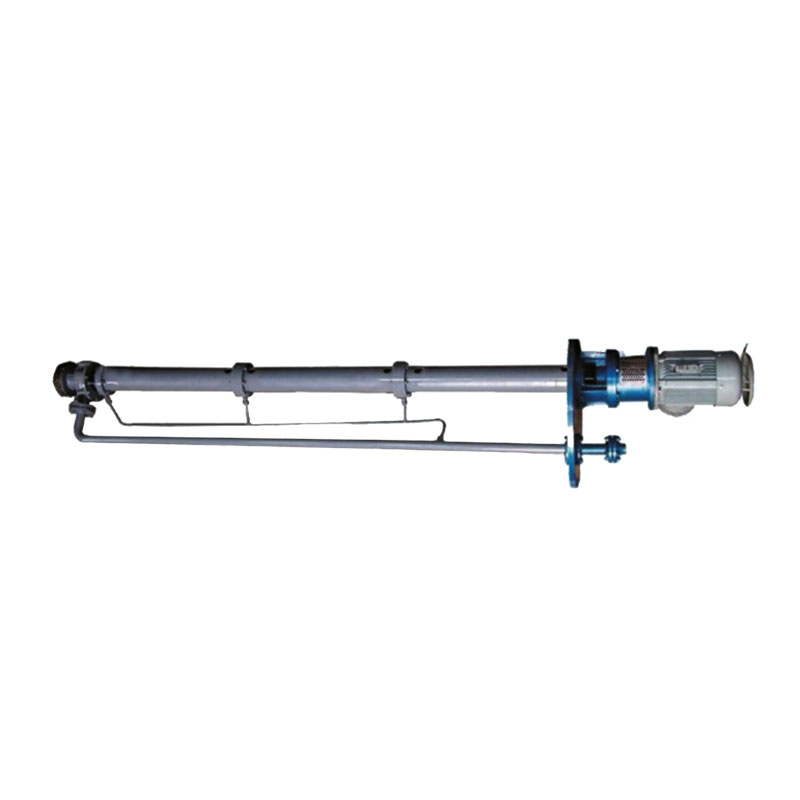
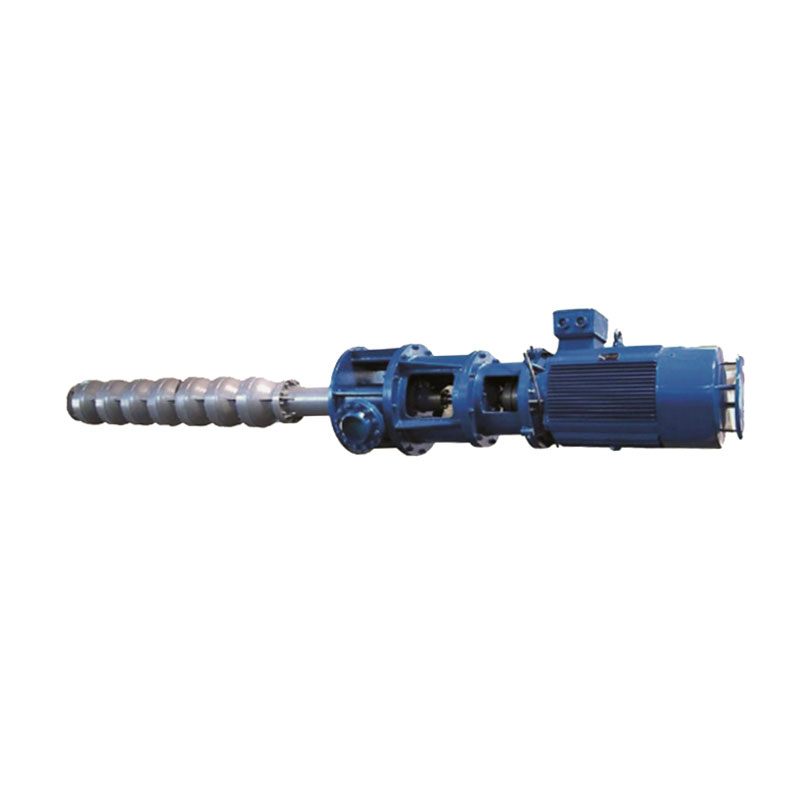
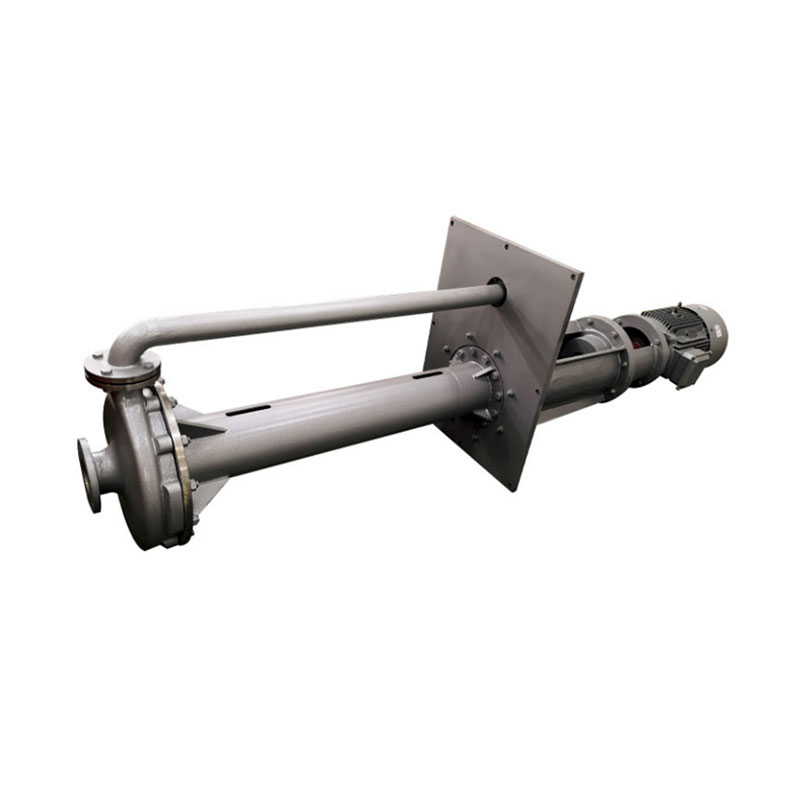
The rugged pump housing incorporates reinforced structural support ribs and a thick center-line mounting configuration, which distributes heavy pipeline thermal expansion loads evenly and prevents dynamic shaft misalignment under intense thermal fluctuations. The internal impeller is cast with optimized back-vanes that actively expel solid ash particles away from the mechanical seal containment chamber, protecting the dynamic seal faces from abrasive wear and thermal distortion.
Our factory manufacturing guidelines ensure that the rare earth alloy microstructure maintains exceptional grain-boundary cohesion under continuous cyclical heating. The high-load bearing frame is fitted with integrated water-cooling jackets and continuous oil-bath lubrication networks, maintaining optimal bearing temperatures even when handling process liquids that exceed 400 degrees Celsius, ensuring quiet operation over decades of utility service.
Application
Thermal power plant rare earth alloy units are critical components within modern coal-fired, biomass, and combined-cycle gas turbine power stations. Generation utilities deploy these robust pumps within high-temperature ash flushing systems, where bottom-boiler ash and fly ash slurries must be moved continuously to filtration lagoons. The exceptional wear resistance of the rare earth steel protects the internal pump geometries from the constant cutting action of sharp silica-rich ash particles.
In flue gas desulfurization (FGD) environmental blocks, these specialized alloy pumps circulate highly corrosive lime and limestone slurries through spray absorption towers to scrub sulfur dioxide emissions out of combustion gases. The ability to resist both low-pH chemical corrosion and intense slurry abrasion simultaneously makes them the preferred choice over standard duplex stainless steels, cutting down on unexpected breakdown risks.
Additionally, power plants integrate these high-temperature units within boiler blowdown recovery loops, condensate water return lines, and auxiliary thermal storage systems. The robust suction capacity and reliable structural composition allow power generation facilities to maintain constant water and steam loops, providing reliable system integration that guarantees continuous, worry-free utility manufacturing operation across all electrical supply shifts.
Advantage
Deploying our thermal power plant rare earth alloy pumps brings immediate operational safety benefits and energy cost reductions to large-scale utility operations. The primary advantage is the total elimination of intergranular thermal fatigue failures. By refining the internal grain boundaries through targeted Cerium-Lanthanum micro-alloying, our rare earth steel resists the progressive crystalline separation that causes generic stainless steel pumps to crack under the continuous thermal expansion and contraction cycles of power plant loading.
Our advanced industrial manufacturing facility integrates a heavy-duty cartridge mechanical seal fitted with an external thermal cooling jacket as a standard engineering feature. This configuration isolates the dynamic seal faces from the intense heat of the process fluid, maintaining a stable fluid temperature inside the seal chamber, preventing localized vapor flashing, and extending mechanical seal operational lifespans significantly.
Furthermore, the high hydraulic efficiency achieved through precise investment casting minimizes electricity consumption within your utility station. Over a multi-year operating period, the savings in facility electrical bills achieved by our optimized hydraulic paths will easily offset the initial procurement cost of the machinery, helping procurement managers lower total cost of ownership and achieve green plant performance targets.


 ENG
ENG

 TOP
TOP