

 inquiry Now

 English
 русский
 عربى
عربى
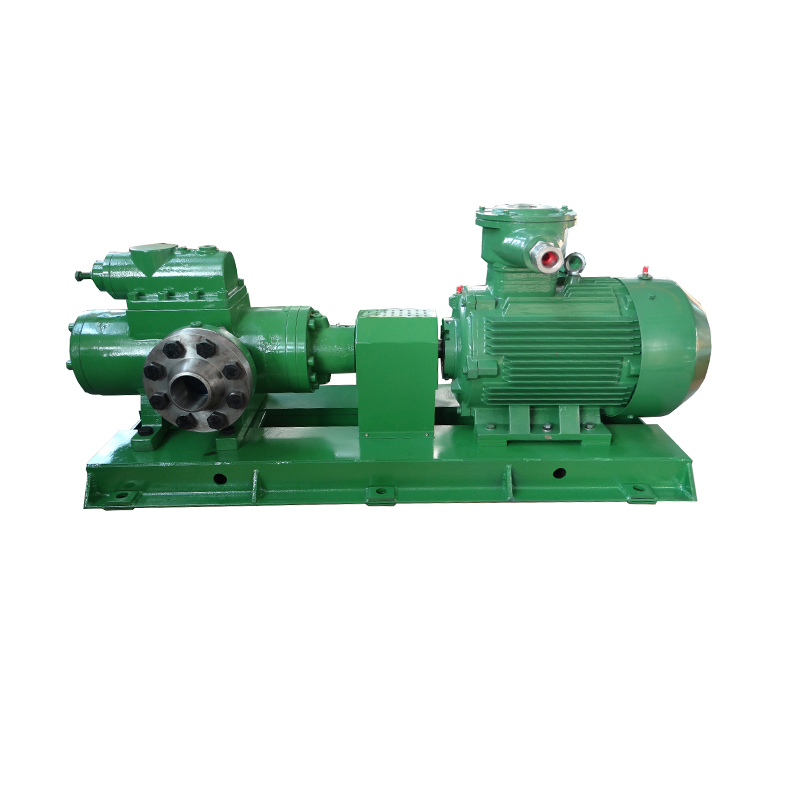
Specification
| Metallurgical Variable | Factory Standard Specification |
|---|---|
| Alloy Base Classification | Austenitic or Ferritic-Austenitic Rare Earth modified steel |
| Maximum Temperature Rating | Continuous thermal operation up to 1150 degrees Celsius |
| Creep Rupture Strength | Enhanced by over thirty-five percent compared to standard SS310 |
| Oxidation Resistance Index | Stable oxide scale formation via Cerium-Lanthanum doping |
| Casting Quality Standard | ASTM A297 or EN 10295 high-temperature compliance matrix |
| Hardness Profile Rating | HB 180 to 240 adjustable via tailored thermal processing |
| Microstructure Integrity | Ultra-fine equiaxed grains with minimized intergranular carbide nets |
| Non-Destructive Testing | Full X-ray radiography and dye-penetrant surface inspection |
The internal chemistry of our rare earth steel is calculated precisely to maximize the synergistic effects between chromium protection and rare earth grain boundary fixation. Cerium atoms, possessing a significantly larger atomic radius than iron, migrate naturally to the crystalline boundaries, trapping detrimental trace elements like sulfur and phosphorus into high-melting-point spherical inclusions, eliminating intergranular brittle points and structural vulnerabilities. This atomic-level stabilization significantly boosts the creep limit values.
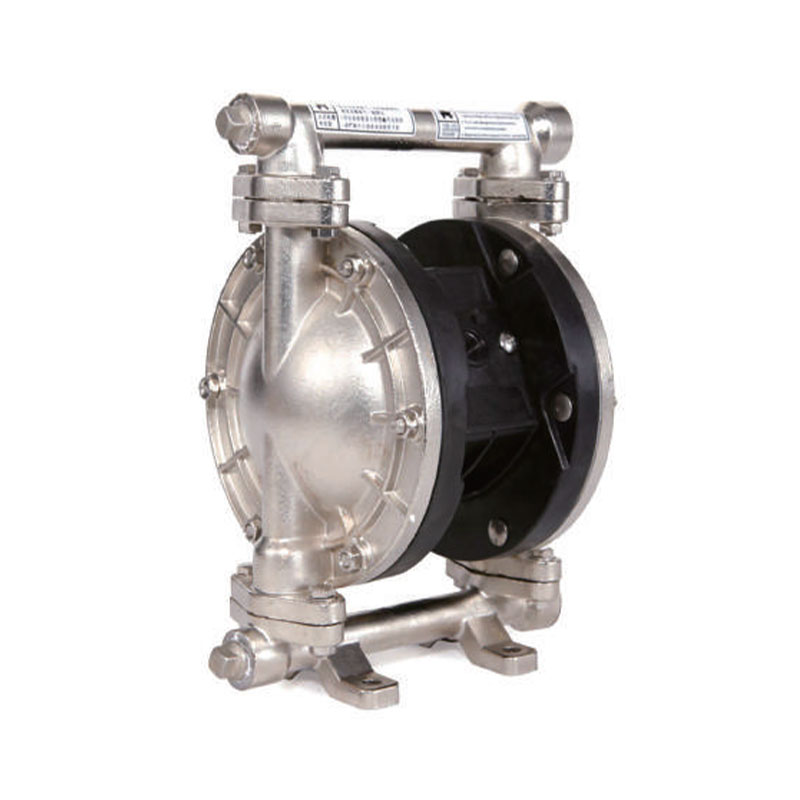
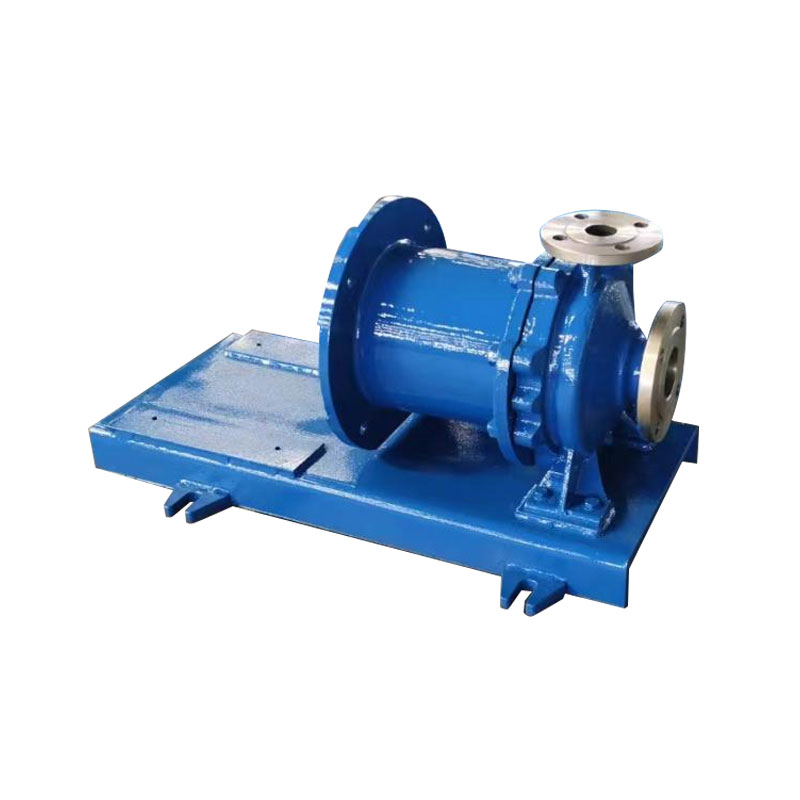
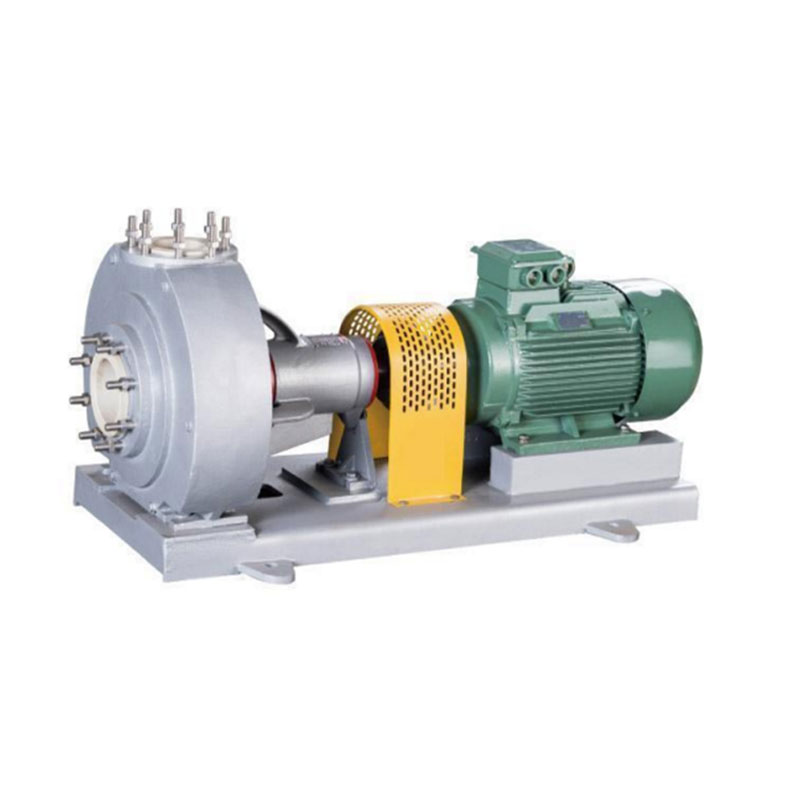
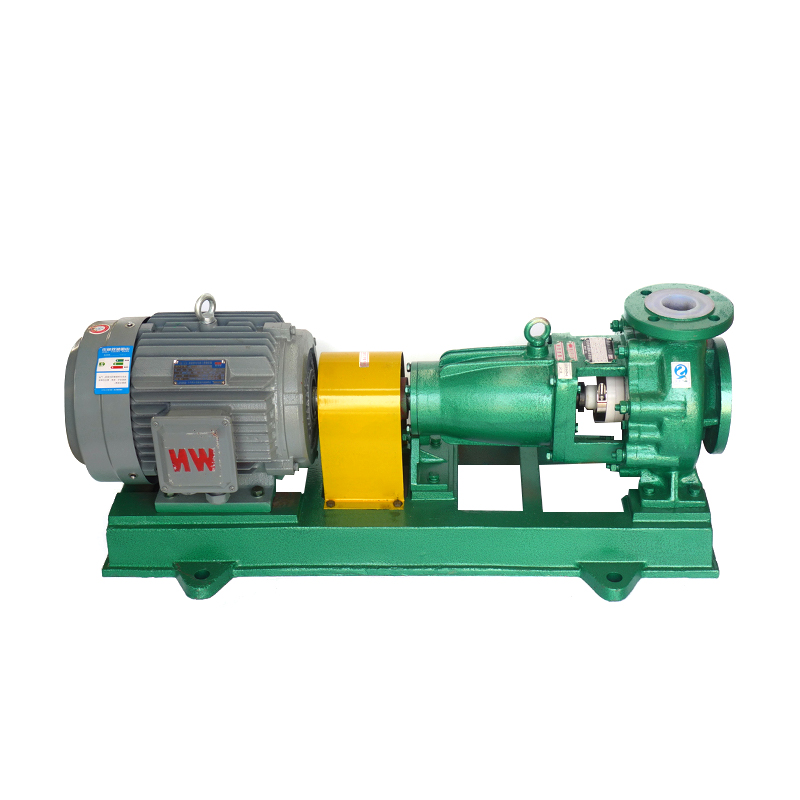
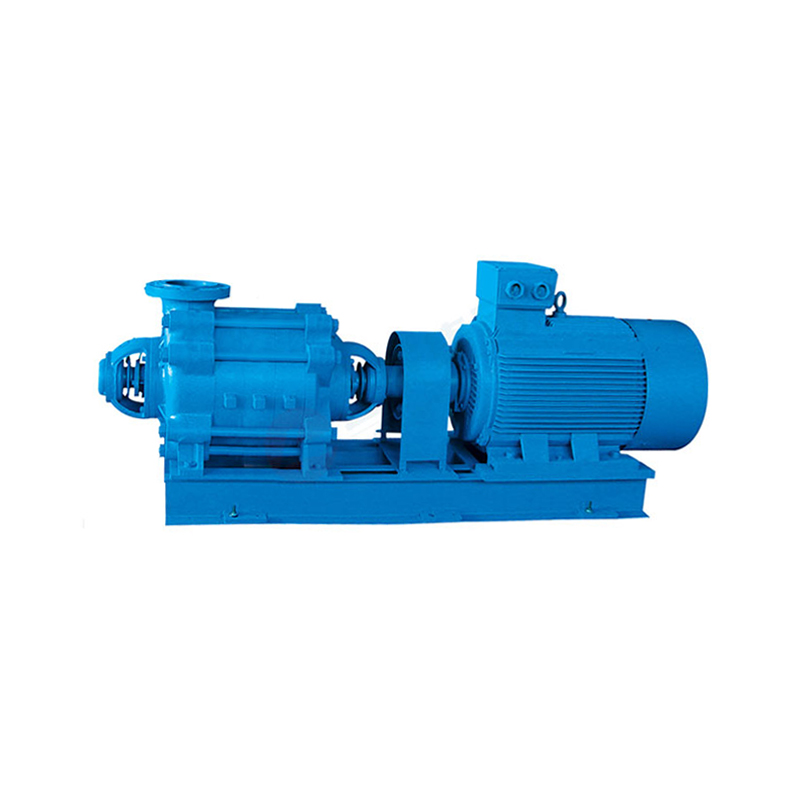
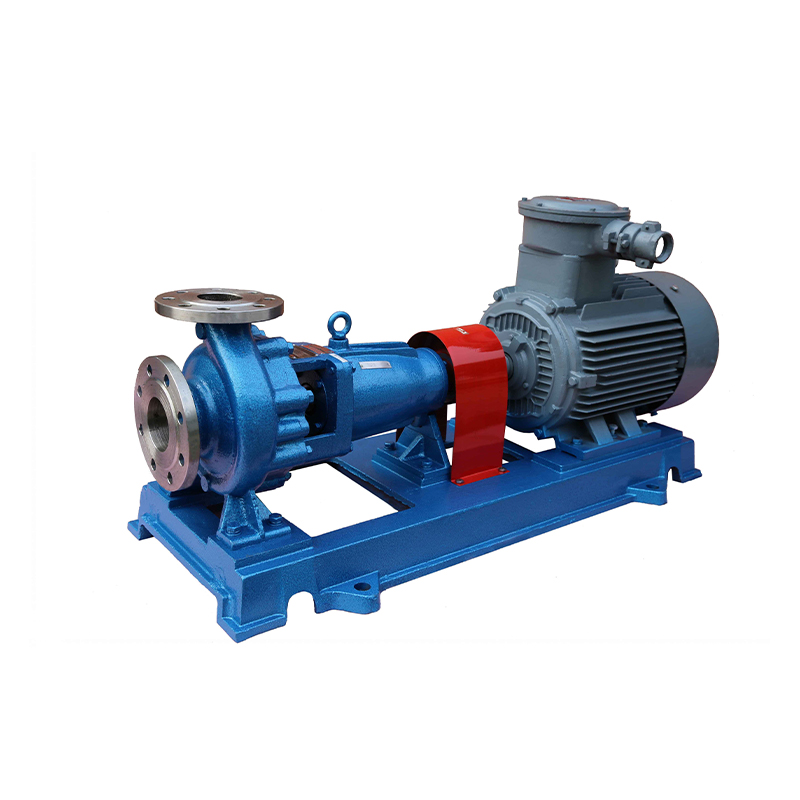
Our manufacturing parameters guarantee that all pump components, including multi-vane closed impellers and thick-walled volutes, are cast using advanced precision investment molding to minimize surface defects and micro-porosities. The ultra-smooth fluid-end surface finish dramatically lowers skin friction losses, allowing high-temperature media to flow efficiently without creating localized hot spots or cavitation zones that erode standard metallurgy over short operating periods.
Application
Rare earth heat resistant components are mandatory in heavy industrial applications where machinery is directly exposed to molten media, hot combustion flue gases, or extreme thermal processing cycles. Metallurgical processing plants and steel manufacturing mills incorporate these specialized pump parts within slag cooling loops, zinc casting furnace circulation lines, and hot metal heat recovery circuits, where standard metals would lose all mechanical strength and collapse structurally within days.
In the global thermal power generation industry, these high-temperature alloy components are widely implemented within boiler ash removal loops, high-pressure superheater water circulation lines, and flue gas desulfurization (FGD) systems. The ability to maintain high structural strength despite continuous exposure to hot corrosive sulfuric gases and abrasive fly ash ensures that power grids operate with high efficiency and minimized mechanical downtime.
Additionally, chemical refining plants, hazardous waste incineration facilities, and cement manufacturing operations utilize these rare earth steel parts within high-temperature chemical reactor loops, catalyst recycling systems, and preheater water supply networks. The exceptional resistance against high-temperature oxidation and chemical attack allows industrial facilities to maintain constant water and chemical supply loops, providing reliable system integration that guarantees continuous, worry-free manufacturing operation across all processing shifts.
Advantage
Implementing our rare earth heat resistant steel pump components offers major commercial and mechanical advantages to heavy industrial processing networks. The principal benefit is the exceptional resistance to intergranular oxidation and thermal scaling. Traditional high-temperature stainless steels form an iron-chromium oxide layer that easily cracks and flakes off during thermal cycling, exposing fresh metal to rapid degradation. Our rare earth doping forms an incredibly dense, tightly adherent oxide scale that sticks firmly to the substrate, cutting oxidation rates down to a fraction of standard industry metrics.
Our engineering casting protocol results in a refined grain structure that exhibits superior creep strength and high-temperature tensile capacity up to 1150 degrees Celsius. This structural stability prevents the gradual mechanical warping and stretching that destroys internal clearances in centrifugal pumps, ensuring that impellers do not rub against wear plates, preventing internal catastrophic friction failures, and significantly lowering total maintenance costs.
From a lifecycle cost perspective, the inclusion of these advanced alloy components extends the operational lifespan of high-temperature pumps by multiple times compared to standard commercial cast iron or basic stainless steel. This durability lowers unexpected emergency shutdowns, reduces the necessity for constant spare parts stocking, and ensures that plant engineers can manage field installations with complete peace of mind, maximizing overall factory productivity and asset yield parameters.


 ENG
ENG

 TOP
TOP